
Filter
3664
Text search:
Regional
Strategic
Plan
Featured
299
1134
Language
3552
95
84
53
38
33
21
9
7
4
4
2
2
2
2
2
1
1
1
1
1
1
1
1
1
1
1
1
1
1
1
1
Document type
1835
726
419
316
239
43
40
37
4
2
2
1
Countries
213
123
115
107
96
88
86
78
75
74
74
70
70
68
65
64
62
58
50
49
48
44
37
36
35
33
32
30
29
29
28
27
27
26
26
24
24
23
20
18
18
17
17
16
16
16
15
15
14
14
13
13
13
12
11
11
10
9
9
9
9
8
7
7
7
7
6
6
6
6
5
5
5
5
5
5
5
4
4
4
4
4
4
3
3
3
3
3
3
3
3
3
3
3
2
2
2
2
2
2
2
2
2
2
2
2
2
2
2
2
2
2
2
1
1
1
1
1
1
1
1
1
1
1
1
1
1
1
1
1
1
1
1
1
1
1
1
1
1
1
1
1
1
Authors & Publishers
570
127
120
106
86
69
63
51
43
33
32
29
29
28
25
22
21
17
17
17
16
16
15
14
14
14
14
13
13
13
13
13
12
12
12
12
12
12
12
11
11
11
11
10
10
10
10
10
10
10
10
10
10
10
10
9
9
9
9
9
9
9
9
9
8
8
8
8
7
7
7
7
7
7
6
6
6
6
6
6
6
6
6
6
6
6
6
6
6
5
5
5
5
5
5
5
5
5
5
5
5
5
5
5
5
5
5
5
5
5
5
5
4
4
4
4
4
4
4
4
4
4
4
4
4
4
4
4
4
4
4
4
4
4
4
4
4
4
4
4
4
4
4
4
4
4
4
4
3
3
3
3
3
3
3
3
3
3
3
3
3
3
3
3
3
3
3
3
3
3
3
3
3
3
3
3
3
3
3
3
3
3
3
3
3
3
3
3
3
3
3
3
3
3
3
3
3
3
3
3
3
3
3
3
3
3
3
3
3
3
3
3
3
3
3
3
3
3
3
3
3
3
2
2
2
2
2
2
2
2
2
2
2
2
2
2
2
2
2
2
2
2
2
2
2
2
2
2
2
2
2
2
2
2
2
2
2
2
2
2
2
2
2
2
2
2
2
2
2
2
2
2
2
2
2
2
2
2
2
2
2
2
2
2
2
2
2
2
2
2
2
2
2
2
2
2
2
2
2
2
2
2
2
2
2
2
2
2
2
2
2
2
2
2
2
2
2
2
2
2
2
2
2
2
2
2
2
2
2
2
2
2
2
2
2
2
2
2
2
2
2
2
2
2
2
2
2
2
2
2
2
2
2
2
2
2
2
2
2
2
2
2
2
2
2
2
2
2
2
2
2
2
2
2
2
2
2
2
2
2
2
2
2
2
2
2
2
2
2
2
2
2
2
2
2
2
2
2
2
2
1
1
1
1
1
1
1
1
1
1
1
1
1
1
1
1
1
1
1
1
1
1
1
1
1
1
1
1
1
1
1
1
1
1
1
1
1
1
1
1
1
1
1
1
1
1
1
1
1
1
1
1
1
1
1
1
1
1
1
1
1
1
1
1
1
1
1
1
1
1
1
1
1
1
1
1
1
1
1
1
1
1
1
1
1
1
1
1
1
1
1
1
1
1
1
1
1
1
1
1
1
1
1
1
1
1
1
1
1
1
1
1
1
1
1
1
1
1
1
1
1
1
1
1
1
1
1
1
1
1
1
1
1
1
1
1
1
1
1
1
1
1
1
1
1
1
1
1
1
1
1
1
1
1
1
1
1
1
1
1
1
1
1
1
1
1
1
1
1
1
1
1
1
1
1
1
1
1
1
1
1
1
1
1
1
1
1
1
1
1
1
1
1
1
1
1
1
1
1
1
1
1
1
1
1
1
1
1
1
1
1
1
1
1
1
1
1
1
1
1
1
1
1
1
1
1
1
1
1
1
1
1
1
1
1
1
1
1
1
1
1
1
1
1
1
1
1
1
1
1
1
1
1
1
1
1
1
1
1
1
1
1
1
1
1
1
1
1
1
1
1
1
1
1
1
1
1
1
1
1
1
1
1
1
1
1
1
1
1
1
1
1
1
1
1
1
1
1
1
1
1
1
1
1
1
1
1
1
1
1
1
1
1
1
1
1
1
1
1
1
1
1
1
1
1
1
1
1
1
1
1
1
1
1
1
1
1
1
1
1
1
1
1
1
1
1
1
1
1
1
1
1
1
1
1
1
1
1
1
1
1
1
1
1
1
1
1
1
1
1
1
1
1
1
1
1
1
1
1
1
1
1
1
1
1
1
1
1
1
1
1
1
1
1
1
1
1
1
1
1
1
1
1
1
1
1
1
1
1
1
1
1
1
1
1
1
1
1
1
1
1
1
1
1
1
1
1
1
1
1
1
1
1
1
1
1
1
1
1
1
1
1
1
1
1
1
1
1
1
1
1
1
1
1
1
1
1
1
1
1
1
1
1
1
1
1
1
1
1
1
1
1
1
1
1
1
1
1
1
1
1
1
1
1
1
1
1
1
1
1
1
1
1
1
1
1
1
1
1
1
1
1
1
1
1
1
1
1
1
1
1
1
1
1
1
1
1
1
1
1
1
1
1
1
1
1
1
1
1
1
1
1
1
1
1
1
1
1
1
1
1
1
1
1
1
1
1
1
1
1
1
1
1
1
1
1
1
1
1
1
1
1
1
1
1
1
1
1
1
1
1
1
1
1
1
1
1
1
1
1
1
1
1
1
1
1
1
1
1
1
1
1
1
1
1
1
1
1
1
1
1
1
1
1
1
1
1
1
1
1
1
1
1
1
1
1
1
1
1
1
1
1
1
1
1
1
1
1
1
1
1
1
1
1
1
1
1
1
1
1
1
1
1
1
1
1
1
1
1
1
1
1
1
1
1
1
1
1
1
1
1
1
1
1
1
1
1
1
1
1
1
1
1
1
1
1
1
1
1
1
1
1
1
1
1
1
1
1
1
1
1
1
1
1
1
1
1
1
1
1
1
1
1
1
1
1
1
1
1
1
1
1
1
1
1
1
1
1
1
1
1
1
1
1
1
1
1
1
1
1
1
1
1
1
1
1
1
1
1
1
1
1
1
1
1
1
1
1
1
1
1
1
1
1
1
1
1
1
1
1
1
1
1
1
1
1
1
1
1
1
1
1
1
1
1
1
1
1
1
1
1
1
1
1
1
1
1
1
1
1
1
1
1
1
1
1
1
1
1
1
1
1
1
1
1
1
1
1
1
1
1
1
1
1
1
1
1
1
1
1
1
1
1
1
1
1
1
1
1
1
1
1
1
1
1
1
1
1
1
1
1
1
1
1
1
1
1
1
1
1
1
1
1
1
1
1
1
1
1
1
1
1
1
1
1
1
1
1
1
1
1
1
1
1
1
1
1
1
1
1
1
1
1
1
1
1
1
1
1
1
1
1
1
1
1
1
1
1
1
1
1
1
1
1
1
1
1
1
1
1
1
1
1
1
1
1
1
1
1
1
1
1
1
1
1
1
1
1
1
1
1
1
1
1
1
1
1
1
1
1
1
1
1
1
1
1
1
1
1
1
1
1
1
1
1
1
1
1
1
1
1
1
1
1
1
1
1
1
1
1
1
1
1
1
1
1
1
1
1
1
1
1
1
1
1
1
1
1
1
1
1
1
1
1
1
1
1
1
1
1
1
1
1
1
1
1
1
1
1
1
1
1
1
1
1
1
1
1
1
1
1
1
1
1
1
1
1
1
1
1
1
1
1
1
1
1
1
1
1
1
1
1
1
1
1
1
1
1
1
1
1
1
1
1
1
1
1
1
1
1
1
1
1
1
1
1
1
1
1
1
1
1
1
1
1
1
1
1
1
1
1
1
1
1
1
1
1
1
1
1
1
1
1
1
1
1
1
1
1
1
1
1
1
1
1
1
1
1
1
1
1
1
1
1
1
1
1
1
1
1
1
1
1
1
1
1
1
1
1
1
1
1
1
1
1
1
1
1
1
1
1
1
1
1
1
1
1
1
1
1
1
1
1
1
1
1
1
1
1
1
1
1
1
1
1
1
1
1
1
1
1
1
1
1
1
1
1
1
1
1
1
1
1
1
1
1
1
1
1
1
1
1
1
1
1
1
1
1
1
1
1
1
1
1
1
1
1
1
1
1
1
1
1
1
1
1
1
1
1
1
1
1
1
1
1
1
1
1
1
1
1
1
1
1
1
1
1
1
1
1
1
1
1
1
1
1
1
1
1
1
1
1
1
1
1
1
1
1
1
1
1
1
1
1
1
1
1
1
1
1
1
1
1
1
1
1
1
1
1
1
1
1
1
1
1
1
1
1
1
1
1
1
1
1
1
1
1
1
1
1
1
1
1
1
1
1
1
1
1
1
1
1
1
1
1
1
1
1
1
1
1
1
1
1
1
1
1
1
1
1
1
1
1
1
1
1
1
1
1
1
1
1
1
1
1
1
1
1
1
1
1
1
1
1
1
1
1
1
1
1
1
1
1
1
1
1
1
1
1
1
1
1
1
1
1
1
1
1
1
1
1
1
1
1
1
1
1
1
1
1
1
1
1
1
1
1
1
1
1
1
1
1
1
1
1
1
1
1
1
1
1
1
1
1
1
1
1
1
1
1
1
1
1
1
1
1
1
1
1
1
1
1
1
1
1
1
1
1
1
1
1
1
1
1
1
1
1
1
1
1
1
1
1
1
1
1
1
1
1
1
1
1
1
1
1
1
1
1
1
1
1
1
1
1
1
1
1
1
1
1
1
1
1
1
1
1
1
1
1
1
1
1
1
1
1
1
1
1
1
1
1
1
1
1
1
1
1
1
1
1
1
1
1
1
1
1
1
1
1
1
1
1
1
1
1
1
1
1
1
1
1
1
1
1
1
1
1
1
1
1
1
1
1
1
1
1
1
1
1
1
1
1
1
1
1
1
1
1
1
1
1
1
1
1
1
1
1
1
1
1
1
1
1
1
1
1
1
1
1
1
1
1
1
1
1
1
1
1
1
1
1
1
1
1
1
1
1
1
1
1
1
1
1
1
1
1
1
1
1
1
1
1
1
1
1
1
1
1
1
1
1
1
1
1
1
1
1
1
1
1
1
1
1
1
1
1
1
1
1
1
1
1
1
1
1
1
1
1
1
1
1
1
1
1
1
1
1
1
1
1
1
1
1
1
1
1
1
1
1
1
1
1
1
1
1
1
1
1
1
1
1
1
1
1
1
1
1
1
1
1
1
1
1
1
1
1
1
1
1
1
1
1
1
1
1
1
1
1
1
1
1
1
1
1
1
1
1
1
1
1
1
1
1
1
1
1
1
1
1
1
1
1
1
1
1
1
1
1
1
1
1
1
1
1
1
1
1
1
1
1
1
1
1
1
1
1
1
1
1
1
1
1
1
1
1
1
1
1
1
1
1
1
1
1
1
1
1
1
1
1
1
1
1
1
1
1
1
1
1
1
1
1
1
1
1
1
1
1
1
1
1
1
1
1
1
1
1
1
1
1
1
1
1
1
1
1
1
1
1
1
1
1
1
1
1
1
1
1
1
1
1
1
1
1
1
1
1
1
1
1
1
1
1
1
1
1
1
1
1
1
1
1
1
1
1
1
1
1
1
1
1
1
1
1
1
1
1
1
1
1
1
1
1
1
1
1
1
1
1
1
1
1
1
1
1
1
1
1
1
1
1
1
1
1
1
1
1
1
1
1
1
1
1
1
1
1
1
1
1
1
1
1
1
1
1
1
1
1
1
1
1
1
1
1
1
1
1
1
1
1
1
1
1
1
1
1
1
1
1
1
1
1
1
1
1
1
1
1
1
1
1
1
1
1
1
1
1
1
1
1
1
1
1
1
1
1
1
1
1
1
1
1
1
1
1
1
1
1
1
1
1
1
1
1
1
1
1
1
1
1
1
1
1
1
1
1
1
1
1
1
1
1
1
1
1
1
1
1
1
1
1
1
1
1
1
1
1
1
1
1
1
1
1
1
1
1
1
1
1
1
1
1
1
1
1
1
1
1
1
1
1
1
1
1
1
1
1
1
1
1
1
1
1
1
1
1
1
1
1
1
1
1
1
1
1
1
1
1
1
1
1
1
1
1
1
1
1
1
1
1
1
1
1
1
1
1
1
1
1
1
1
1
1
1
1
1
1
1
1
1
1
1
1
1
1
1
1
1
1
1
1
1
1
1
1
1
1
1
1
1
1
1
1
1
1
1
1
1
1
1
1
1
1
1
1
1
1
1
1
1
1
1
1
1
1
1
1
1
1
1
1
1
1
1
1
1
1
1
Publication Years
1
1238
2193
227
5
Category
1600
293
233
182
165
57
15
Toolboxes
255
177
172
170
149
138
118
106
106
100
92
87
76
65
63
62
59
59
57
42
32
27
25
18
8
2
4–15 February 2013
The report reviews progress with the task of planning and implementing measures necessary to secure a completely polio-free world. It also examines actions aimed at ensuring successful transfer of polio assets, innovations developed and lessons learned to countries’ public health programmes and ot
...
her global health priorities
more
Cervical cancer, along with maternal deaths, has been identified as a national priority in
South Africa as well as other Sub-Saharan African countries. Cervical cancer is the
second most common cancer among women in South Africa, after breast cancer. Due
to limited access to prevention, early dia
...
gnosis and treatment, cervical cancer is often
fatal.
more
Also published in Spanish (2013) with the title: Informe sobre la epilepsia en América Latina y el Caribe - ISBN 978-92-75-31776-1
The Journal of Infection in Developing Countries 7(3):289-292
This document sets out Rwanda's Maternal, Neonatal Child Health (MNCH) national strategy (July 2013- June 2018). The MNCH strategy provides a framework for addressing maternal, neonatal and child health challenges currently facing Rwanda. It is an overarching strategy for scale up of the national re
...
sponse to reduce the current levels of maternal, neonatal and child mortality and morbidity in line with the
MDG health related targets and HSSP III targets. The life cycle approach and continuum of care concept, starting with care from the home environment to health facility, guided the development of this roadmap. It aims also to maintain and expand the coverage of cost effective and high impact interventions for maternal, neonatal and child survival in order to achieve national and international targets.
more

This policy will serve as a cornerstone from which to address the accessibility of Family Planning services and to encourage its integration with services for HIV/AIDS, maternal health, child health, and other development initiatives. This policy is timely, as Rwanda is embarking on the introduction
...
of community-based provision of Family Planning through community health workers. In addition, the expansion of adolescent sexual and reproductive health programs is a pillar of this policy that will help attract and retain the next generation of Family Planning users. These efforts are anticipated to trigger a paradigm change in the way Family Planning services are provided and accessed in order to contribute towards a healthy and productive Rwanda for all.
more
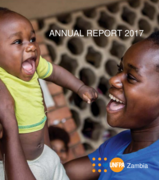
The UNFPA Zambia 2017 Annual Report highlights key milestones and achievements recorded with UNFPA support towards improving the health and well-being of women and young people in Zambia.
Roadmap to treat all
(2016)
C1
Locate, test, treat and retain (L2TR) Ghana campaign. 90-90-90 ending the AIDS epedemic by 2030
The purpose of this document is to provide a comprehensive overview of existing institutional arrangement for disaster management in Myanmar at all levels with an aim to make information available to all stakeholders involved in disaster risk management in Myanmar.
Reporting period: January 2014 – December 2014
The human immunodeficiency virus (HIV) epidemic in Myanmar is concentrated among men who have sex with men (MSM), people who inject drugs (PWID) and female sex workers (FSW). HIV prevalence in the adult population aged 15 years and older was esti ... mated at 0.54% in 2014. But data from HIV Sentinel Sero-Surveillance (HSS) indicates higher prevalence in 2014 among key populations: FSW 6.3%, MSM 6.6% and PWID 23.1%. Compared to 2012 data, the prevalence has declined from 7.1% in FSW and 8.9% in MSM, but has increased from 18% in PWID.
Epidemiological modelling suggests that in 2014 there were around 212,000 people living with HIV (PLHIV) in Myanmar, 34% of whom were females. Nearly 11,000 people died of HIV-related illnesses, compared to approximately 15,000 in 2011. An estimated 9,000 new infections occurred in 2014. more
The human immunodeficiency virus (HIV) epidemic in Myanmar is concentrated among men who have sex with men (MSM), people who inject drugs (PWID) and female sex workers (FSW). HIV prevalence in the adult population aged 15 years and older was esti ... mated at 0.54% in 2014. But data from HIV Sentinel Sero-Surveillance (HSS) indicates higher prevalence in 2014 among key populations: FSW 6.3%, MSM 6.6% and PWID 23.1%. Compared to 2012 data, the prevalence has declined from 7.1% in FSW and 8.9% in MSM, but has increased from 18% in PWID.
Epidemiological modelling suggests that in 2014 there were around 212,000 people living with HIV (PLHIV) in Myanmar, 34% of whom were females. Nearly 11,000 people died of HIV-related illnesses, compared to approximately 15,000 in 2011. An estimated 9,000 new infections occurred in 2014. more
Technical Note on Antimicrobial Resistance
This document reflects UNICEF’s response to the growing global threat of AMR to child survival, growth and development. It identifies UNICEF’s AMR-specific and AMR-sensitive actions in reducing infections, promoting access to and optimal use of antimic
...
robials, and increasing AMR awareness and understanding. Of particular relevance to this group, UNICEF country offices are directed to provide technical support for development and implementation of national AMR action plans, linking them as appropriate to maternal, newborn and child health programmes and ensuring these are prioritized in both surveillance and policy changes. The guidance note on AMR is intended to inform UNICEF’s AMR-related internal initiatives, programming and activities, as well as external engagements with governments and other stakeholders.
more
This working paper was conceived to offer practical tips and suggestions on how to establish and sustain the multisectoral coordination needed to develop and implement National Action Plans on AMR (NAPs). It is intended for anyone with responsibility for addressing AMR at country level. Drawing on b
...
oth the published literature and the operational experience of four ‘focal countries’ (Ethiopia, Kenya, Philippines and Thailand), it summarizes lessons learned and the latest thinking on multisectoral working to achieve effective AMR action. The experience in focal countries points to a number of tools and tactics that can be used to help establish and enhance sustainable multisectoral collaboration for AMR action. These can be grouped into four categories: political commitment, resources, governance mechanisms, and practical management.
more

Nearly 800 women die every day from preventable maternal causes, and in 2022 alone, an estimated 2.3 million newborns died. For every maternal death, countless more women endure life-altering injuries, infections, and disabilities related to childbirth.
Maternal deaths are concentrated in the poo
...
rest regions and conflict-affected areas. In 2020, sub-Saharan Africa accounted for nearly 70% of all maternal deaths, with just 22 countries responsible for 81% of the global total. Humanitarian crises and fragile health systems exacerbate these challenges, with maternal mortality rates in crisis-affected areas often double the global average. The barriers to progress are multifaceted, including inadequate funding, poor-quality healthcare, harmful gender and social norms, and critical gaps in data and accountability.
more

A guide to support implementation of health service Quality Improvement activities in Ethiopian health facilities
The humanitarian-development-peace nexus (HDPNX) is a new way of working that offers a framework for coherent joined-up planning and implementation of shared priorities between humanitarian development and peacebuilding actors in emergency settings. To advance the HDPNx in a given country a sh
...
ared foundational understanding of the current situation is needed. However it can be challenging to find such a resource perpetuating poor understanding planning and operationalization. This is one of a series of country profiles that have been developed by WHO to address that need. Each profile provides an overview of health-related nexus efforts in the country and will be updated regularly.
more
