
Filter
5016
Text search:
administration
Featured
507
1325
Language
4484
442
142
103
71
49
32
25
11
11
10
8
8
8
8
7
6
6
6
5
5
4
4
4
4
4
3
3
3
3
3
3
3
3
3
3
3
2
2
2
2
2
2
2
2
2
2
2
1
1
1
1
1
1
1
1
1
1
1
1
1
Document type
2601
869
761
302
168
126
99
36
15
13
11
8
6
Countries
260
210
136
134
108
103
97
91
85
84
80
79
77
75
70
65
63
63
57
57
56
53
48
38
37
35
35
34
32
31
30
29
29
28
26
26
26
25
24
23
22
22
21
21
20
20
19
19
17
17
16
14
13
13
12
12
11
11
11
10
10
10
9
9
8
8
8
8
8
7
7
7
6
6
6
6
5
5
5
5
4
4
4
4
4
4
4
4
4
3
3
3
2
2
2
2
2
2
2
2
2
2
2
2
2
2
2
2
2
2
1
1
1
1
1
1
1
1
1
1
1
1
1
1
1
1
1
1
1
1
1
1
1
1
1
1
1
1
1
Authors & Publishers
657
209
133
108
89
83
80
62
57
53
39
38
37
27
27
26
24
23
22
22
21
21
20
19
19
18
14
14
14
14
14
14
14
13
13
13
13
12
12
12
12
12
11
11
11
11
11
11
11
10
10
10
10
10
10
10
10
9
9
9
9
9
9
9
9
9
9
9
8
8
8
8
8
8
8
8
8
8
7
7
7
7
7
7
7
7
7
7
7
7
6
6
6
6
6
6
6
6
6
6
6
6
6
6
6
6
6
6
6
6
6
6
6
6
6
5
5
5
5
5
5
5
5
5
5
5
5
5
5
5
5
5
5
5
5
5
5
5
5
5
5
5
5
5
5
5
5
5
5
5
5
5
5
5
5
5
5
5
5
5
5
5
4
4
4
4
4
4
4
4
4
4
4
4
4
4
4
4
4
4
4
4
4
4
4
4
4
4
4
4
4
4
4
4
4
4
4
3
3
3
3
3
3
3
3
3
3
3
3
3
3
3
3
3
3
3
3
3
3
3
3
3
3
3
3
3
3
3
3
3
3
3
3
3
3
3
3
3
3
3
3
3
3
3
3
3
3
3
3
3
3
3
3
3
3
3
3
3
3
3
3
3
3
3
3
3
3
3
3
3
3
3
3
3
3
3
3
3
3
3
3
3
3
3
3
3
3
3
3
3
3
3
3
3
3
3
2
2
2
2
2
2
2
2
2
2
2
2
2
2
2
2
2
2
2
2
2
2
2
2
2
2
2
2
2
2
2
2
2
2
2
2
2
2
2
2
2
2
2
2
2
2
2
2
2
2
2
2
2
2
2
2
2
2
2
2
2
2
2
2
2
2
2
2
2
2
2
2
2
2
2
2
2
2
2
2
2
2
2
2
2
2
2
2
2
2
2
2
2
2
2
2
2
2
2
2
2
2
2
2
2
2
2
2
2
2
2
2
2
2
2
2
2
2
2
2
2
2
2
2
2
2
2
2
2
2
2
2
2
2
2
2
2
2
2
2
2
2
2
2
2
2
2
2
2
2
2
2
2
2
2
2
2
2
2
2
2
2
2
2
2
2
2
2
2
2
2
2
2
2
2
2
2
2
2
2
2
2
2
2
2
2
2
2
2
2
2
2
2
2
2
2
2
2
2
2
2
2
2
2
2
2
2
2
2
2
2
2
2
2
2
2
2
2
2
2
2
2
2
2
2
2
2
2
2
2
2
2
2
2
2
2
2
2
2
2
2
2
2
2
2
2
2
2
2
2
2
2
2
2
2
2
2
2
2
2
2
2
2
2
2
2
2
2
2
2
2
2
2
2
2
2
2
2
2
2
2
2
2
2
2
2
2
1
1
1
1
1
1
1
1
1
1
1
1
1
1
1
1
1
1
1
1
1
1
1
1
1
1
1
1
1
1
1
1
1
1
1
1
1
1
1
1
1
1
1
1
1
1
1
1
1
1
1
1
1
1
1
1
1
1
1
1
1
1
1
1
1
1
1
1
1
1
1
1
1
1
1
1
1
1
1
1
1
1
1
1
1
1
1
1
1
1
1
1
1
1
1
1
1
1
1
1
1
1
1
1
1
1
1
1
1
1
1
1
1
1
1
1
1
1
1
1
1
1
1
1
1
1
1
1
1
1
1
1
1
1
1
1
1
1
1
1
1
1
1
1
1
1
1
1
1
1
1
1
1
1
1
1
1
1
1
1
1
1
1
1
1
1
1
1
1
1
1
1
1
1
1
1
1
1
1
1
1
1
1
1
1
1
1
1
1
1
1
1
1
1
1
1
1
1
1
1
1
1
1
1
1
1
1
1
1
1
1
1
1
1
1
1
1
1
1
1
1
1
1
1
1
1
1
1
1
1
1
1
1
1
1
1
1
1
1
1
1
1
1
1
1
1
1
1
1
1
1
1
1
1
1
1
1
1
1
1
1
1
1
1
1
1
1
1
1
1
1
1
1
1
1
1
1
1
1
1
1
1
1
1
1
1
1
1
1
1
1
1
1
1
1
1
1
1
1
1
1
1
1
1
1
1
1
1
1
1
1
1
1
1
1
1
1
1
1
1
1
1
1
1
1
1
1
1
1
1
1
1
1
1
1
1
1
1
1
1
1
1
1
1
1
1
1
1
1
1
1
1
1
1
1
1
1
1
1
1
1
1
1
1
1
1
1
1
1
1
1
1
1
1
1
1
1
1
1
1
1
1
1
1
1
1
1
1
1
1
1
1
1
1
1
1
1
1
1
1
1
1
1
1
1
1
1
1
1
1
1
1
1
1
1
1
1
1
1
1
1
1
1
1
1
1
1
1
1
1
1
1
1
1
1
1
1
1
1
1
1
1
1
1
1
1
1
1
1
1
1
1
1
1
1
1
1
1
1
1
1
1
1
1
1
1
1
1
1
1
1
1
1
1
1
1
1
1
1
1
1
1
1
1
1
1
1
1
1
1
1
1
1
1
1
1
1
1
1
1
1
1
1
1
1
1
1
1
1
1
1
1
1
1
1
1
1
1
1
1
1
1
1
1
1
1
1
1
1
1
1
1
1
1
1
1
1
1
1
1
1
1
1
1
1
1
1
1
1
1
1
1
1
1
1
1
1
1
1
1
1
1
1
1
1
1
1
1
1
1
1
1
1
1
1
1
1
1
1
1
1
1
1
1
1
1
1
1
1
1
1
1
1
1
1
1
1
1
1
1
1
1
1
1
1
1
1
1
1
1
1
1
1
1
1
1
1
1
1
1
1
1
1
1
1
1
1
1
1
1
1
1
1
1
1
1
1
1
1
1
1
1
1
1
1
1
1
1
1
1
1
1
1
1
1
1
1
1
1
1
1
1
1
1
1
1
1
1
1
1
1
1
1
1
1
1
1
1
1
1
1
1
1
1
1
1
1
1
1
1
1
1
1
1
1
1
1
1
1
1
1
1
1
1
1
1
1
1
1
1
1
1
1
1
1
1
1
1
1
1
1
1
1
1
1
1
1
1
1
1
1
1
1
1
1
1
1
1
1
1
1
1
1
1
1
1
1
1
1
1
1
1
1
1
1
1
1
1
1
1
1
1
1
1
1
1
1
1
1
1
1
1
1
1
1
1
1
1
1
1
1
1
1
1
1
1
1
1
1
1
1
1
1
1
1
1
1
1
1
1
1
1
1
1
1
1
1
1
1
1
1
1
1
1
1
1
1
1
1
1
1
1
1
1
1
1
1
1
1
1
1
1
1
1
1
1
1
1
1
1
1
1
1
1
1
1
1
1
1
1
1
1
1
1
1
1
1
1
1
1
1
1
1
1
1
1
1
1
1
1
1
1
1
1
1
1
1
1
1
1
1
1
1
1
1
1
1
1
1
1
1
1
1
1
1
1
1
1
1
1
1
1
1
1
1
1
1
1
1
1
1
1
1
1
1
1
1
1
1
1
1
1
1
1
1
1
1
1
1
1
1
1
1
1
1
1
1
1
1
1
1
1
1
1
1
1
1
1
1
1
1
1
1
1
1
1
1
1
1
1
1
1
1
1
1
1
1
1
1
1
1
1
1
1
1
1
1
1
1
1
1
1
1
1
1
1
1
1
1
1
1
1
1
1
1
1
1
1
1
1
1
1
1
1
1
1
1
1
1
1
1
1
1
1
1
1
1
1
1
1
1
1
1
1
1
1
1
1
1
1
1
1
1
1
1
1
1
1
1
1
1
1
1
1
1
1
1
1
1
1
1
1
1
1
1
1
1
1
1
1
1
1
1
1
1
1
1
1
1
1
1
1
1
1
1
1
1
1
1
1
1
1
1
1
1
1
1
1
1
1
1
1
1
1
1
1
1
1
1
1
1
1
1
1
1
1
1
1
1
1
1
1
1
1
1
1
1
1
1
1
1
1
1
1
1
1
1
1
1
1
1
1
1
1
1
1
1
1
1
1
1
1
1
1
1
1
1
1
1
1
1
1
1
1
1
1
1
1
1
1
1
1
1
1
1
1
1
1
1
1
1
1
1
1
1
1
1
1
1
1
1
1
1
1
1
1
1
1
1
1
1
1
1
1
1
1
1
1
1
1
1
1
1
1
1
1
1
1
1
1
1
1
1
1
1
1
1
1
1
1
1
1
1
1
1
1
1
1
1
1
1
1
1
1
1
1
1
1
1
1
1
1
1
1
1
1
1
1
1
1
1
1
1
1
1
1
1
1
1
1
1
1
1
1
1
1
1
1
1
1
1
1
1
1
1
1
1
1
1
1
1
1
1
1
1
1
1
1
1
1
1
1
1
1
1
1
1
1
1
1
1
1
1
1
1
1
1
1
1
1
1
1
1
1
1
1
1
1
1
1
1
1
1
1
1
1
1
1
1
1
1
1
1
1
1
1
1
1
1
1
1
1
1
1
1
1
1
1
1
1
1
1
1
1
1
1
1
1
1
1
1
1
1
1
1
1
1
1
1
1
1
1
1
1
1
1
1
1
1
1
1
1
1
1
1
1
1
1
1
1
1
1
1
1
1
1
1
1
1
1
1
1
1
1
1
1
1
1
1
1
1
1
1
1
1
1
1
1
1
1
1
1
1
1
1
1
1
1
1
1
1
1
1
1
1
1
1
1
1
1
1
1
1
1
1
1
1
1
1
1
1
1
1
1
1
1
1
1
1
1
1
1
1
1
1
1
1
1
1
1
1
1
1
1
1
1
1
1
1
1
1
1
1
1
1
1
1
1
1
1
1
1
1
1
1
1
1
1
1
1
1
1
1
1
1
1
1
1
1
1
1
1
1
1
1
1
1
1
1
1
1
1
1
1
1
1
1
1
1
1
1
1
1
1
1
1
1
1
1
1
1
1
1
1
1
1
1
1
1
1
1
1
1
1
1
1
1
1
1
1
1
1
1
1
1
1
1
1
1
1
1
1
1
1
1
1
1
1
1
1
1
1
1
1
1
1
1
1
1
1
1
1
1
1
1
1
1
1
1
1
1
1
1
1
1
1
1
1
1
1
1
1
1
1
1
1
1
1
1
1
1
1
1
1
1
1
1
1
1
1
1
1
1
1
1
1
1
1
1
1
1
1
1
1
1
1
1
1
1
1
1
1
1
1
1
1
1
1
1
1
1
1
1
1
1
1
1
1
1
1
1
1
1
1
1
1
1
1
1
1
1
1
1
1
1
1
1
1
1
1
1
1
1
1
1
1
1
1
1
1
1
1
1
1
1
1
1
1
1
1
1
1
1
1
1
1
1
1
1
1
1
1
1
1
1
1
1
1
1
1
1
1
1
1
1
1
1
1
1
1
1
1
1
1
1
1
1
1
1
1
1
1
1
1
1
1
1
1
1
1
1
1
1
1
1
1
1
1
1
1
1
1
1
1
1
1
1
1
1
1
1
1
1
1
1
1
1
1
1
1
1
1
1
1
1
1
1
1
1
1
1
1
1
1
1
1
1
1
1
1
1
1
1
1
1
1
1
1
1
1
1
1
1
1
1
1
1
1
1
1
1
1
1
1
1
1
1
1
1
1
1
1
1
1
1
1
1
1
1
1
1
1
1
1
1
1
1
1
1
1
1
1
1
1
1
1
1
1
1
1
1
1
1
1
1
1
1
1
1
1
1
1
1
1
1
1
1
1
1
1
1
1
1
1
1
1
1
1
1
1
1
1
1
1
1
1
1
1
1
1
1
1
1
1
1
1
1
1
1
1
1
1
1
1
1
1
1
1
1
1
1
1
1
1
1
1
1
1
1
1
1
1
1
1
1
1
1
1
1
1
1
1
1
1
1
1
1
1
1
1
1
1
1
1
1
1
1
1
1
1
1
1
1
1
1
1
1
1
1
1
1
1
1
1
1
1
1
1
1
1
1
1
1
1
1
1
1
1
1
1
1
1
1
1
1
1
1
1
1
1
1
1
1
1
1
1
1
1
1
1
1
1
1
1
1
1
1
1
1
1
1
1
1
1
1
1
1
1
1
1
1
1
1
1
1
1
1
1
1
1
1
1
1
1
1
1
1
1
1
1
1
1
1
1
1
1
1
1
1
1
1
1
1
1
1
1
1
1
1
1
1
1
1
1
1
1
1
1
1
1
1
1
1
1
1
1
1
1
1
1
1
1
1
1
1
1
1
1
1
1
1
1
1
1
1
1
1
1
1
1
1
1
1
1
1
1
1
1
1
1
1
1
1
1
1
1
1
1
1
1
1
1
1
1
1
1
1
1
1
1
1
1
1
1
1
1
1
1
1
1
1
1
1
1
1
1
1
1
1
1
1
1
1
1
1
1
1
1
1
1
1
1
1
1
1
1
1
1
1
1
1
1
1
1
1
1
1
1
1
1
1
1
1
1
1
1
1
1
1
1
1
1
1
1
1
1
1
1
1
1
1
1
1
1
1
1
1
1
1
1
1
1
1
1
1
1
1
1
1
1
1
1
1
1
1
1
1
1
1
1
1
1
1
1
1
1
1
1
1
1
1
1
1
1
1
1
1
1
1
1
1
1
1
1
1
1
1
1
1
1
1
1
1
1
1
1
1
1
1
1
1
1
1
1
1
1
1
1
1
1
1
1
1
1
1
1
1
1
1
1
1
1
1
1
1
1
1
1
1
1
1
1
1
1
1
1
1
1
1
1
1
1
1
1
1
1
1
1
1
1
1
1
1
1
1
1
1
1
1
1
1
1
1
1
1
1
1
1
1
1
1
1
1
1
1
1
1
1
1
1
1
1
1
1
1
1
1
1
1
1
1
1
1
1
1
1
1
1
1
1
1
1
1
1
1
1
1
1
1
1
1
1
1
1
1
1
1
1
1
1
1
1
1
1
1
1
1
1
1
1
1
1
1
1
1
1
1
1
1
1
1
1
1
1
1
1
1
1
1
1
1
1
1
1
1
1
1
1
1
1
1
1
1
1
1
1
1
1
1
1
1
1
1
1
1
1
1
1
1
1
1
1
1
1
1
1
1
1
1
1
1
1
1
1
1
1
1
1
1
1
1
1
1
1
1
1
1
1
1
1
1
1
1
1
1
1
1
1
1
1
1
1
1
1
1
1
1
1
1
1
1
1
1
1
1
1
1
1
1
1
1
1
1
1
1
1
1
1
1
1
1
1
1
1
1
1
1
1
1
1
1
1
1
1
1
1
1
1
1
1
1
1
1
1
1
1
1
1
1
1
1
1
1
1
1
1
1
1
1
1
1
1
1
1
1
1
1
1
1
1
1
1
1
1
1
1
1
1
1
1
1
1
1
1
1
1
1
1
1
1
1
1
1
1
1
1
1
1
1
1
1
1
1
1
1
1
1
1
1
1
1
1
1
1
1
1
1
1
1
1
1
1
1
1
1
1
1
1
1
1
1
1
1
1
1
1
1
1
1
1
1
1
1
1
1
1
1
1
1
1
1
1
1
1
1
1
1
1
1
1
1
1
1
1
1
1
1
1
1
1
1
1
1
1
1
1
1
1
1
1
1
1
1
1
1
1
1
1
1
1
1
1
1
1
1
1
1
1
1
1
1
1
1
1
1
1
1
1
1
1
1
1
1
1
1
1
1
1
1
1
1
1
1
1
1
1
1
1
1
1
1
1
1
1
1
1
1
1
1
1
1
1
1
1
1
1
1
1
1
1
1
1
1
1
1
1
1
1
1
1
1
1
1
1
1
1
1
1
1
1
1
1
1
1
1
1
1
1
1
1
1
1
1
1
1
1
1
1
1
1
1
1
1
1
1
1
1
1
1
1
1
1
1
1
1
1
1
1
1
1
1
1
1
1
1
1
1
1
1
1
1
1
1
1
1
1
1
1
1
1
1
1
1
1
1
1
1
1
1
1
1
1
1
1
1
1
1
1
1
1
1
1
1
1
1
1
1
1
1
1
1
1
1
1
1
1
1
1
1
1
1
1
1
1
1
1
1
1
1
1
1
1
1
1
1
1
1
1
1
1
1
1
1
1
1
1
1
1
1
1
1
1
1
1
1
1
1
1
1
1
1
1
1
1
1
1
1
1
1
1
1
1
1
1
1
1
1
1
1
1
1
1
1
1
1
1
1
1
1
1
1
1
1
1
1
1
1
1
1
1
1
1
1
1
1
1
1
1
1
1
1
1
1
1
1
1
1
1
1
1
1
1
1
1
1
1
1
1
1
1
1
1
1
1
1
1
1
1
1
1
1
1
1
1
1
1
1
1
1
1
1
1
1
1
1
1
1
1
1
1
1
1
1
1
1
1
1
1
1
1
1
1
1
1
1
1
1
1
1
1
1
1
1
1
1
1
1
1
1
1
1
1
1
1
1
1
1
1
1
1
1
1
1
1
1
1
1
1
1
1
1
1
1
1
1
1
1
1
1
1
1
1
1
1
1
1
1
1
1
1
1
1
1
1
1
1
1
1
1
1
1
1
1
1
1
1
1
1
1
1
1
1
1
1
1
1
1
1
1
1
1
1
1
1
1
1
1
1
1
1
1
1
1
1
1
1
1
1
1
1
1
1
1
1
1
1
1
1
1
1
1
1
1
1
1
1
1
1
1
1
1
1
1
1
1
1
1
1
1
1
1
1
1
1
1
1
1
1
1
1
1
1
1
1
1
1
1
1
1
1
1
1
1
1
1
1
1
1
1
1
1
1
1
1
1
1
1
1
1
1
1
1
1
1
1
1
1
1
1
1
1
1
1
1
1
1
1
1
1
1
1
1
1
1
1
1
1
1
1
1
1
1
1
1
1
1
1
1
1
1
1
1
1
1
1
1
1
1
1
1
1
1
1
1
1
1
1
1
1
1
1
1
1
1
1
1
1
1
1
1
1
1
1
1
1
1
1
1
1
1
1
1
1
1
1
1
1
1
1
1
1
1
1
1
1
1
1
1
1
1
1
1
1
1
1
1
1
1
Publication Years
1
1418
3041
508
43
2
1
2
Category
2011
476
271
244
235
89
57
Toolboxes
433
403
266
237
177
168
153
141
134
110
108
97
89
83
83
81
67
65
62
50
39
38
33
23
20
1
Transformer les managers en leaders donne aux responsables de la santé à tous les niveaux d'une organisation les moyens de diriger des équipes pour relever des défis et obtenir des résultats. Il répond à des questions telles que : Comment puis-je diriger et gérer plus efficacement ? Comment
...
créer une vision partagée et une voie claire pour y parvenir ? Que puis-je faire pour améliorer le climat de travail ? Comment puis-je me préparer et préparer les autres à des niveaux de responsabilité plus élevés ? Comment conduire le changement à l'intérieur et à l'extérieur de mon organisation ?
more
Les modules de formation et d’orientation QualityRights ont été élaborés pour renforcer les connaissances, les compétences et la compréhension des principales parties prenantes sur la manière de promouvoir les droits des personnes en situation de handicap psychosocial, intellectuel ou cogni
...
tif, d'améliorer la qualité des services et des aides fournis dans le domaine de
la santé mentale et dans les domaines connexes, conformément aux normes internationales en matière de droits humains, et en particulier la Convention des Nations unies relative aux droits des personnes handicapées et l'approche du rétablissement.
more
Les modules de formation et d’orientation QualityRights ont été élaborés pour renforcer les connaissances, les compétences et la compréhension des principales parties prenantes sur la manière de promouvoir les droits des personnes en situation de handicap psychosocial, intellectuel ou cogni
...
tif, d'améliorer la qualité des services et des aides fournis dans le domaine de
la santé mentale et dans les domaines connexes, conformément aux normes internationales en matière de droits humains, et en particulier la Convention des Nations unies relative aux droits des personnes handicapées et l'approche de rétablissement.
more
Les modules de formation et d’orientation QualityRights ont été élaborés pour renforcer les connaissances, les compétences et la compréhension des principales parties prenantes sur la manière de promouvoir les droits des personnes en situation de handicap psychosocial, intellectuel ou cogni
...
tif, d'améliorer la qualité des services et des aides fournis dans le domaine de
la santé mentale et dans les domaines connexes, conformément aux normes internationales en matière de droits de l'homme, et en particulier la Convention des Nations unies relative aux droits des personnes handicapées et l'approche du rétablissement.
more
Les modules de formation et d’orientation QualityRights ont été élaborés pour renforcer les connaissances, les compétences et la compréhension des principales parties prenantes sur la manière de promouvoir les droits des personnes en situation de handicap psychosocial, intellectuel ou cogni
...
tif, d'améliorer la qualité des services et des aides fournis dans le domaine de
la santé mentale et dans les domaines connexes, conformément aux normes internationales en matière de droits de l'homme, et en particulier la Convention des Nations unies relative aux droits des personnes handicapées et l'approche du rétablissement.
more
Les modules de formation et d’orientation QualityRights ont été élaborés pour renforcer les connaissances, les compétences et la compréhension des principales parties prenantes sur la manière de promouvoir les droits des personnes en situation de handicap psychosocial, intellectuel ou cogni
...
tif, d'améliorer la qualité des services et des aides fournis dans le domaine de
la santé mentale et dans les domaines connexes, conformément aux normes internationales en matière de droits de l'homme, et en particulier la Convention des Nations unies relative aux droits des personnes handicapées et l'approche du rétablissement.
more
Les modules de formation et d’orientation QualityRights ont été élaborés pour renforcer les connaissances, les compétences et la compréhension des principales parties prenantes sur la manière de promouvoir les droits des personnes en situation de handicap psychosocial, intellectuel ou cogni
...
tif, d'améliorer la qualité des services et des aides fournis dans le domaine de la santé mentale et dans les domaines connexes, conformément aux normes internationales en matière de droits humains, et en particulier la Convention des Nations unies relative aux droits des personnes handicapées et l'approche du rétablissement.
more
Les modules de formation et d’orientation QualityRights ont été élaborés pour renforcer les connaissances, les compétences et la compréhension des principales parties prenantes sur la manière de promouvoir les droits des personnes en situation de handicap psychosocial, intellectuel ou cogni
...
tif, d'améliorer la qualité des services et des aides fournis dans le domaine de
la santé mentale et dans les domaines connexes, conformément aux normes internationales en matière de droits de l'homme, et en particulier la Convention des Nations unies relative aux droits des personnes handicapées et l'approche du rétablissement.
more
Les modules de formation et d’orientation QualityRights ont été élaborés pour renforcer les connaissances, les compétences et la compréhension des principales parties prenantes sur la manière de promouvoir les droits des personnes en situation de handicap psychosocial, intellectuel ou cogni
...
tif, d'améliorer la qualité des services et des aides fournis dans le domaine de
la santé mentale et dans les domaines connexes, conformément aux normes internationales en matière de droits de l'homme, et en particulier la Convention des Nations unies relative aux droits des personnes handicapées et l'approche du rétablissement.
more
In 1997, the Fiftieth World Health Assembly adopted resolution WHA50.29 on the elimination of
lymphatic filariasis as a public health problem. Preliminary guidance from WHO printed in 2011 referred to “verification” as the official process by which the achievements of the Global Programme to El
...
iminate Lymphatic Filariasis (GPELF) would be confirmed. For the sake of harmonization, the terminology now used for elimination of lymphatic filariasis as a public health problem is “validation”. In 2015, the WHO Strategic and Technical Advisory Group for Neglected Tropical Diseases endorsed standardized processes for confirming and acknowledging success for all neglected tropical diseases targeted for eradication, elimination of transmission, or elimination as a public health problem.
more
Meeting of the Neglected Tropical Diseases Strategic and Technical Advisory
Group’s Monitoring and Evaluation Subgroup on Disease-specific Indicators
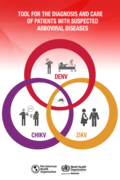
It is Zika virus (ZIKV) that most often causes these neurological effects it appears to be the only arbovirus than can cause congenital malformations such as microcephaly. In any case, more scientific tests are needed to establish the causal relationship between the virus and this malformation (7-10
...
).
This document is a practical tool designed to help health workers improve clinical diagnosis and provide timely care for patients infected
with the dengue, chikungunya, or Zika virus. It is intended mainly for
health workers in primary care facilities where laboratory diagnosis of
arboviruses is not always available. However, this guide may also be
very useful in hospitals that provide second- and third-level care, as it
describes the clinical manifestations of each of the three most important
arboviral diseases currently found in the Region, the elements for
differential diagnosis, and their clinical behavior.
more
Obesity and diet-related noncommunicable diseases (NCDs) have been steadily increasing globally, and with them, a pressing need to implement effective responses to address the contributing factors. Among the available evidence-based policy options that enable healthier choices and improved diets is
...
the implementation of taxes on sugar-sweetened beverages (SSBs).
This tax manual is a practical guide for policy-makers and others involved in SSB tax policy development to promote healthy diets and populations. It features summaries and case studies of SSB global taxation evidence, and provides support on the policy-cycle development process to implement SSB taxation — from problem identification and situation analysis through policy design, development and implementation to the monitoring and evaluation phase. Additionally, the manual identifies and debunks industry tactics designed to dissuade policy-makers from implementing these taxes.
SSB taxes can be a win-win-win strategy: a win for public health (and averted health-care costs), a win for government revenue, and a win for health equity.
more
International commitment to eliminate trachoma as a public health problem worldwide is supported by resolution WHA51.11 of the World Health Assembly .1 Important progress towards this goal has been made by harnessing the mostly informal relationships that exist between partners including Member Stat
...
es, the World Health Organization (WHO), academic institutions, donors and nongovernmental organizations. Recognizing that work remains to be done and that the 2020 target2 for elimination is rapidly approaching, in February 2015 the WHO Department of Control of Neglected Tropical Diseases convened a group of academic institutions that had for many years helped WHO to implement its mandate on trachoma and to work towards establishing a Network of WHO collaborating centres (WHOCCs) for Trachoma. The report of that meeting has been published.
more
SECOND MEETING REPORT
DECATUR, GA, USA, 26 JUNE 2016

A qualitative assessment of knowledge gaps about female genital schistosomiasis among communities living in Schistosoma haematobium endemic districts of Zanzibar and Northwestern Tanzania.
PloS Neglected Tropical Diseases September 30, 2021 https://doi.org/10.1371/journal.pntd.0009789
Schistosoma
...
haematobium causes urogenital schistosomiasis and is widely distributed in Tanzania. In girls and women, the parasite can cause Female Genital Schistosomiasis (FGS), a gynecological manifestation of schistosomiasis that is highly neglected and overlooked by public health professionals and policy makers. This study explored community members’ knowledge, attitudes and perceptions (KAP) on and health seeking behavior for FGS.
more
Pharmaceutical News
Evaluation of Saccharide Content of the WHO 2nd International Standard for Haemophilus Influenzae Polysaccharide Polyribosyl Ribitol Phosphate (PRP) by HPAECPAD Analysis Following Acid Hydrolysis
Consultation Documents
Lamivudine and tenofovir disoproxil fumarate tablets (lami
...
vudini et tenofoviri disoproxili fumarati compressi)
Tenofovir disoproxil fumarate tablets (tenofoviri disoproxili fumarati compressi)
ATC/DDD Classification
Temporary
Final
more

Lymphatic filariasis (LF) infection if untreated results in fluid accumulation in the limbs or breasts (lymphedema) or genitalia (hydrocele) that is painful and causes great discomfort. Morbidity management and disability prevention (MMDP) strategies such as surgery for hydrocele, treatment of acute
...
attacks and management of lymphedema are necessary for the management of the advanced stages of LF. However, very few countries including Zambia, have adequate information on the health beliefs and health seeking behavior of communities living in endemic areas towards MMDP services for LF. This study sought to explore community and health provider perspectives towards MMDP services for LF in a highly endemic region, Luangwa District, Zambia, between February and April 2019.
more
Urogenital schistosomiasis is a common neglected tropical disease in many rural communities in African countries, with patches of infection in the Eastern Mediterranean Region. Globally, an estimated 239 million people are currently infected, with burden estimated at more than 3.5 million disability
...
-adjusted life years (DALYs). In many endemic areas, severely infected individuals may suffer fibrosis of the bladder, kidney damage, bladder cancer, and death if untreated. This, however, depends on several factors such as host-parasite genetics, degree and length of exposure, intensity of infection, host immune response to the parasites, and coinfections with other tropical diseases such as malaria and HIV-1.
more

The Ethiopia Multi-Sectorial Cholera Elimination Plan (2022-2028) outlines a national strategy to eliminate cholera in Ethiopia by 2028. The plan follows the Global Roadmap to End Cholera by 2030 and is based on six key pillars: Leadership & Coordination, Water, Sanitation & Hygiene (WASH), Surveill
...
ance & Reporting, Use of Oral Cholera Vaccines (OCV), Healthcare System Strengthening, and Community Engagement.
Ethiopia has historically faced recurrent cholera outbreaks due to poor sanitation, unsafe water, and weak health infrastructure. The plan prioritizes high-risk areas (hotspot woredas) and aims to reduce cholera-related mortality by 90% by 2028. It includes efforts to improve WASH conditions, strengthen disease surveillance, enhance rapid response capabilities, expand vaccination campaigns, and integrate cholera control into broader health policies.
The government, in collaboration with international partners such as WHO, UNICEF, and the Global Task Force for Cholera Control (GTFCC), will implement and monitor the plan. The estimated budget for the initiative is $390 million over eight years. Ethiopia aims to achieve zero cholera transmission in hotspot regions, ensuring sustainable public health improvements.
more
