
Filter
2131
Text search:
updates
Featured
293
550
Language
Document type
872
409
343
167
105
66
55
48
43
8
7
3
2
1
Countries
120
67
64
60
52
43
38
36
35
35
33
33
32
31
28
28
27
25
25
24
23
22
21
21
20
19
17
16
16
15
14
14
13
13
10
10
10
10
9
9
9
9
8
8
8
8
8
7
7
6
6
6
6
5
5
5
5
5
5
5
4
4
4
4
4
4
4
4
3
3
3
3
3
3
3
3
3
3
2
2
2
2
2
2
2
2
2
2
2
2
2
2
2
2
2
2
1
1
1
1
1
1
1
1
1
1
1
1
1
1
1
1
1
1
1
1
1
1
1
1
1
Authors & Publishers
Publication Years
Category
700
178
157
129
120
45
20
2
Toolboxes
361
113
92
78
78
75
75
66
63
60
55
50
47
46
42
36
33
29
28
26
26
24
17
16
3
2
1

Prevention, Assessment and Management
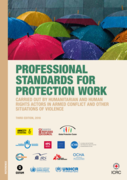
Professional Standards for Protection Work
recommended
Carried out by humanitarian and human rights actors in armed conflict and other situations of violence
This guideline (third edition) constitutes a set of minimum but essential standards aimed at ensuring that protection work is safe and effective. The standards reflect shared thinking and common
...
The goal of the United States Government for the President's Emergency Plan for AIDS Relief (PEPFAR) in Mozambique is to support country efforts to achieve epidemic control by 2020 through evidence-based policies and interventions to drive progress and save
lives. This document details PEPFAR's op
...
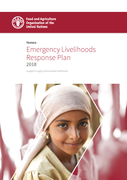
This plan guides FAO’s response to prevent the levels of food insecurity and malnutrition from worsening. It sets out key emergency agricultural livelihood interventions to be implemented within the framework of the 2018 Yemen Humanitarian Response Plan (HRP)
Following the declaration of the 9th Ebola Disease Outbreak (EVD) on 8 May 2018 by the Democratic Republic of Congo (DRC) Ministry of Health, the WHO has raised the alert for neighbouring countries of the Democratic Republic of the Congo (DRC) which share extensive borders, hosting DRC refugees and
...
as of 12:00 AM, 17 September 2018 - 6:00 AM, 17 September 2018
In many humanitarian emergencies, there is a serious lack of access to even the most basic materials needed for managing the blood in addition to a lack of appropriate sanitation facilities (including water), which are critical for addressing menstrual hygiene. Privacy in emergencies is often scarc
...
While the world was gripped by the unfolding COVID-19 pandemic in 2020, children continued to face the same crisis they have for decades: intolerably high mortality rates and vastly inequitable chances at life. In total, more than 5.0 million children under age 5, including 2.4 million newborns, alo
...
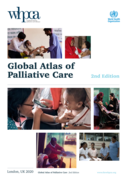
The second edition of the WHPCA Global Atlas of Palliative Care was launched during World Hospice & Palliative Care Day 10 October. The Atlas is an update of the original WHPCA/WHO Global Atlas of Palliative care at the end of life published in 2014. It is full of useful facts and figures to support
...

WHO, in partnership with the International Society for Prosthetics and Orthotics (ISPO) and the United States Agency for International Development (USAID), has published global standards for prosthetics and orthotics. Its aim is to ensure that prosthetics and orthotics services are people-centred an
...

Risk Communication and Community Engagement (RCCE) is an essential part of any disease outbreak response. Risk communication in the context of an Ebola outbreak refers to real time exchange of information, opinion and advice between frontline responders and people who are faced with the threat of Eb
...
Formularies are lists of antibiotics that are suggested for certain healthcare settings. In developing a recommended formulary, countries should consider the needs of patients and facilities where they receive care. For example, clinicians in rural or primary health centers may need wide access to f
...
This companion to the ALNAP EHA Guide offers protection-specific insights for evaluators and evaluation commissioners across the humanitarian sector. It covers the planning, data management and analysis phases of evaluation and addresses a range of challenges that – whilst not all unique to protec
...

2016-2018 Early implementation,
This report presents 2015 data on the consumption of systemic antibiotics from 65 countries and areas, contributing to our understanding of how antibiotics are used in these countries. In addition, the report documents early efforts of the World Health Organization (
...
It provides insight into WHO’s work that aims to improve the health of the people of the United Republic of Tanzania in collaboration with key stakeholders.
Best Practice for the Care of Patients with Tuberculosis: a Guide for Low-Income Countries
recommended
2nd edition.
The practical aspects of TB patient care from the onset of symptoms to the completion of treatment are covered in this guide
