
Filter
1668
Text search:
family
empowerment
Featured
114
547
Language
1620
34
31
14
13
7
5
4
3
3
2
2
2
1
1
1
1
1
1
1
1
1
1
1
1
1
1
1
1
1
1
1
1
1
Document type
1100
247
114
87
63
35
13
5
2
1
1
Countries
110
65
57
56
55
48
47
44
42
41
36
36
36
35
32
31
31
28
27
25
21
21
20
18
17
13
12
11
11
11
10
10
10
9
9
9
9
8
8
7
7
7
6
6
6
5
5
5
4
4
4
4
4
4
4
3
3
3
3
3
3
3
2
2
2
2
2
2
2
1
1
1
1
1
1
1
1
1
1
1
1
1
1
1
1
1
1
1
1
Authors & Publishers
124
51
46
46
40
33
29
29
27
24
24
18
17
16
12
11
11
11
10
9
9
9
9
9
8
8
8
8
6
6
6
6
6
6
6
6
6
6
5
5
5
5
5
5
5
5
5
5
5
5
5
4
4
4
4
4
4
4
4
4
4
4
4
4
4
4
4
4
4
4
4
4
4
4
3
3
3
3
3
3
3
3
3
3
3
3
3
3
3
3
3
3
3
3
3
3
3
3
3
3
3
3
3
3
3
3
3
3
3
3
3
3
3
3
3
3
3
3
3
3
3
2
2
2
2
2
2
2
2
2
2
2
2
2
2
2
2
2
2
2
2
2
2
2
2
2
2
2
2
2
2
2
2
2
2
2
2
2
2
2
2
2
2
2
2
2
2
2
2
2
2
2
2
2
2
2
2
2
2
2
2
2
2
2
2
2
2
2
2
2
2
2
2
2
2
2
2
2
2
2
2
2
2
2
2
2
2
2
2
2
2
2
2
2
2
2
2
2
2
2
2
2
2
2
2
2
2
2
2
2
2
2
1
1
1
1
1
1
1
1
1
1
1
1
1
1
1
1
1
1
1
1
1
1
1
1
1
1
1
1
1
1
1
1
1
1
1
1
1
1
1
1
1
1
1
1
1
1
1
1
1
1
1
1
1
1
1
1
1
1
1
1
1
1
1
1
1
1
1
1
1
1
1
1
1
1
1
1
1
1
1
1
1
1
1
1
1
1
1
1
1
1
1
1
1
1
1
1
1
1
1
1
1
1
1
1
1
1
1
1
1
1
1
1
1
1
1
1
1
1
1
1
1
1
1
1
1
1
1
1
1
1
1
1
1
1
1
1
1
1
1
1
1
1
1
1
1
1
1
1
1
1
1
1
1
1
1
1
1
1
1
1
1
1
1
1
1
1
1
1
1
1
1
1
1
1
1
1
1
1
1
1
1
1
1
1
1
1
1
1
1
1
1
1
1
1
1
1
1
1
1
1
1
1
1
1
1
1
1
1
1
1
1
1
1
1
1
1
1
1
1
1
1
1
1
1
1
1
1
1
1
1
1
1
1
1
1
1
1
1
1
1
1
1
1
1
1
1
1
1
1
1
1
1
1
1
1
1
1
1
1
1
1
1
1
1
1
1
1
1
1
1
1
1
1
1
1
1
1
1
1
1
1
1
1
1
1
1
1
1
1
1
1
1
1
1
1
1
1
1
1
1
1
1
1
1
1
1
1
1
1
1
1
1
1
1
1
1
1
1
1
1
1
1
1
1
1
1
1
1
1
1
1
1
1
1
1
1
1
1
1
1
1
1
1
1
1
1
1
1
1
1
1
1
1
1
1
1
1
1
1
1
1
1
1
1
1
1
1
1
1
1
1
1
1
1
1
1
1
1
1
1
1
1
1
1
1
1
1
1
1
1
1
1
1
1
1
1
1
1
1
1
1
1
1
1
1
1
1
1
1
1
1
1
1
1
1
1
1
1
1
1
1
1
1
1
1
1
1
1
1
1
1
1
1
1
1
1
1
1
1
1
1
1
1
1
1
1
1
1
1
1
1
1
1
1
1
1
1
1
1
1
1
1
1
1
1
1
1
1
1
1
1
1
1
1
1
1
1
1
1
1
1
1
1
1
1
1
1
1
1
1
1
1
1
1
1
1
1
1
1
1
1
1
1
1
1
1
1
1
1
1
1
1
1
1
1
1
1
1
1
1
1
1
1
1
1
1
1
1
1
1
1
1
1
1
1
1
1
1
1
1
1
1
1
1
1
1
1
1
1
1
1
1
1
1
1
1
1
1
1
1
1
1
1
1
1
1
1
1
1
1
1
1
1
1
1
1
1
1
1
1
1
1
1
1
1
1
1
1
1
1
1
1
1
1
1
1
1
1
1
1
1
1
1
1
1
1
1
1
1
1
1
1
1
1
1
1
1
1
1
1
1
1
1
1
1
1
1
1
1
1
1
1
1
1
1
1
1
1
1
1
1
1
1
1
1
1
1
1
1
1
1
1
1
1
1
1
1
1
1
1
1
1
1
1
1
1
1
1
1
1
1
1
1
1
1
1
1
1
1
1
1
1
1
1
1
1
1
1
1
1
1
1
1
1
1
1
1
1
1
1
1
1
1
1
1
1
1
1
1
1
1
1
1
1
1
1
1
1
1
1
1
1
1
1
1
1
1
1
1
1
1
1
1
1
1
1
1
1
1
1
1
1
1
1
1
1
1
1
1
1
1
1
1
1
1
1
1
1
1
1
1
1
1
1
1
1
1
1
1
1
1
1
1
1
1
1
1
1
1
1
1
1
1
1
1
1
1
1
1
1
1
1
1
1
1
1
1
1
1
1
1
1
1
1
1
1
1
1
1
1
1
1
1
1
1
1
1
1
1
1
1
1
1
1
1
1
1
1
1
1
1
1
1
1
1
1
1
1
1
1
1
1
1
1
1
1
1
1
1
1
1
1
1
1
1
1
1
1
1
1
1
1
1
1
1
1
1
1
1
1
1
1
1
1
1
1
1
1
1
1
1
1
1
1
1
1
1
1
1
1
1
1
1
1
1
1
1
1
1
1
1
1
1
1
1
1
1
1
1
1
1
1
1
1
1
1
1
1
1
1
1
1
1
1
1
1
1
1
1
1
1
1
1
1
1
1
1
1
1
1
1
1
1
1
1
1
1
1
1
1
1
1
1
1
1
1
1
1
1
1
1
1
1
1
1
1
1
1
1
1
1
1
1
1
1
1
1
1
1
1
1
1
1
1
1
1
1
1
1
1
1
1
1
1
1
1
1
1
1
1
1
1
1
1
1
1
1
1
1
1
1
1
1
1
1
1
1
1
1
1
1
1
1
1
1
1
1
1
1
1
1
1
1
1
1
1
1
1
1
1
1
1
1
1
1
1
1
1
1
1
1
1
1
1
1
1
1
1
1
1
1
1
1
1
1
1
1
1
1
1
1
1
1
1
1
1
1
1
1
1
1
1
1
1
1
1
1
1
1
1
1
1
1
1
1
1
1
1
1
1
1
1
1
1
1
1
1
1
1
1
1
1
1
1
1
1
1
1
1
1
1
1
1
1
1
1
1
1
1
1
1
1
1
1
1
1
1
1
1
1
1
1
1
1
1
1
1
1
1
1
1
1
1
1
1
1
1
1
1
1
1
1
1
1
1
1
1
1
1
1
1
1
1
1
1
1
1
1
1
1
1
1
1
1
1
1
1
1
1
1
1
1
1
1
1
1
1
1
1
1
1
1
1
1
1
1
1
1
1
1
1
1
1
1
1
1
1
1
1
1
1
1
1
1
1
1
1
1
1
1
1
1
1
1
1
1
1
1
1
1
1
1
1
1
1
1
1
1
1
1
1
1
1
1
1
1
1
1
1
1
1
1
1
1
1
1
1
1
1
1
1
1
1
1
1
1
1
1
1
1
1
1
1
1
1
1
1
1
1
1
1
1
1
1
1
1
Publication Years
1
378
1148
139
2
Category
843
135
104
73
44
28
1
Toolboxes
182
175
75
60
56
49
37
36
34
33
29
24
17
11
10
7
6
5
5
4
3
2
2
1
1
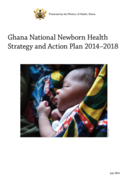
This document, Ghana’s National Newborn Health Strategy and Action Plan 2014–2018 outlines a targeted strategy for accelerating the reduction of newborn deaths in Ghana. Furthermore it provides a costed action plan with clearly marked timelines for implementation to facilitate resource mobilisat
...
ion, monitoring and evaluation, and scaling up of proposed newborn interventions. It is expected that all stakeholders working towards improving the health of children in Ghana will buy into this plan and collaborate towards attainment of the goals and objectives outlined here.
more
Ebola Synthesis Reference Document
Powell, Steve and others
International Federation of Red Cross and Red Crescent Societies (IFRC)
(2017)
C1
A case study of the Essential Health Care Package in Swaziland
Magagula, Samuel V.
Regional Network for Equity in Health in east and southern Africa (EQUINET)
(2017)
C1
Regional Network for Equity in Health in east and southern Africa (EQUINET): Disussion Paper 112
The Essential Health Benefit (EHB) is known as Essential Health Care Package (EHCP) in Swaziland. This desk review provides evidence on the experience of EHCPs in Swaziland and includes available po ... licy documents and research reports. more
The Essential Health Benefit (EHB) is known as Essential Health Care Package (EHCP) in Swaziland. This desk review provides evidence on the experience of EHCPs in Swaziland and includes available po ... licy documents and research reports. more
Regional Network for Equity in Health in east and southern Africa (EQUINET): Disussion Paper 110
This report compiles evidence from published, grey literature and key informants on the UNMHCP since its introduction in Uganda’s health system, and findings were further validated during a oneda ... y national stakeholder meeting.
Three main factors motivated introduction of the UNMHCP. First, Uganda, along with other lowincome countries, was unable to implement holistically the primary healthcare (PHC) concepts as set out in the Alma Ata Declaration. Second, the macro-economic restructuring carried out in the 1990s, which was an international conditionality for low-income countries to access development financing, influenced the trend towards more stringent prioritisation of health interventions as a means of rationing and targeting use of resources. Third, the government sought to achieve equity with a service package that would be universally available for all people. more
This report compiles evidence from published, grey literature and key informants on the UNMHCP since its introduction in Uganda’s health system, and findings were further validated during a oneda ... y national stakeholder meeting.
Three main factors motivated introduction of the UNMHCP. First, Uganda, along with other lowincome countries, was unable to implement holistically the primary healthcare (PHC) concepts as set out in the Alma Ata Declaration. Second, the macro-economic restructuring carried out in the 1990s, which was an international conditionality for low-income countries to access development financing, influenced the trend towards more stringent prioritisation of health interventions as a means of rationing and targeting use of resources. Third, the government sought to achieve equity with a service package that would be universally available for all people. more
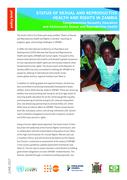
Comprehensive Sexuality Education and Adolescents Sexual and Reproductive Health
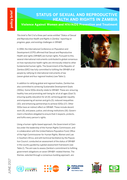
Violence Against Women and HIV/AIDS Prevention and Treatment
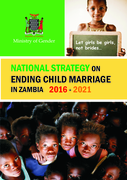
No publication date indicated.
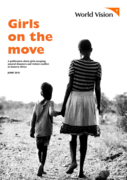
A publication about girls escaping natural disasters and violent conflict in Eastern Africa
Children are on the move. In East Africa region, it is estimated that over 5 million children have migrated across borders or been forcibly displaced in their own country.
Forcable displacement is p ... ushing more and more children out of their homes and communities, escaping the violence of war and conflict, only to fall vulnerable to other forms of violence. Girls are particularly vulnerable and need extra protection.
Every day, girls on the move in East Africa face a variety of rights violations, including:
• Exploitation and violence
• Being separated from their families
• Deprivation of essential services
• Use and recruitment by armed groups
• Sexual abuse
• Child marriage
This report highlights concerns that girls in eastern Africa face and calls on international and national decision makers to prevent and end violence that children face when they are forced to flee their homes. more
Children are on the move. In East Africa region, it is estimated that over 5 million children have migrated across borders or been forcibly displaced in their own country.
Forcable displacement is p ... ushing more and more children out of their homes and communities, escaping the violence of war and conflict, only to fall vulnerable to other forms of violence. Girls are particularly vulnerable and need extra protection.
Every day, girls on the move in East Africa face a variety of rights violations, including:
• Exploitation and violence
• Being separated from their families
• Deprivation of essential services
• Use and recruitment by armed groups
• Sexual abuse
• Child marriage
This report highlights concerns that girls in eastern Africa face and calls on international and national decision makers to prevent and end violence that children face when they are forced to flee their homes. more
A discussion paper on the scope of the problem, its drivers, and strategies for moving forward for policy, practice, and research
In many protracted emergencies, the prevalence rates of global acute malnutrition (GAM) regularly exceed the emergency threshold of > 15% of children with acute malnutri
...
tion (< -2 weight-for-height z-scores (WHZ) or with nutritional edema), despite ongoing humanitarian interventions. The widespread scale and long-lasting nature of “persistent GAM” means that it is a policy and programming priority.
more
Review of International, Regional and National Policies and Legal Frameworks that Promote Migrants and Mobile Populations' Access to Health and Malaria Services in the Greater Mekong Subregion (Cambodia, Lao People's Democratic Republic, Myanmar, Thailand and Viet Nam)
Migrants and mobile popul ... ations face many obstacles in accessing equitable essential health care services due to factors such as living and working conditions, education level, gender, irregular migration status, language and cultural barriers, anti-migrant sentiments, and lack of migrant-inclusive health policies among others. Despite significant progress having been made in the context of malaria control in the Greater Mekong Subregion (GMS), human movements can impact malaria transmission patterns and potentially introduce drug-resistant parasites. This legal framework review therefore serves as a guidance document on approaches to address malaria and malaria elimination for migrant and mobile populations (MMPs) in five countries of the GMS. more
Migrants and mobile popul ... ations face many obstacles in accessing equitable essential health care services due to factors such as living and working conditions, education level, gender, irregular migration status, language and cultural barriers, anti-migrant sentiments, and lack of migrant-inclusive health policies among others. Despite significant progress having been made in the context of malaria control in the Greater Mekong Subregion (GMS), human movements can impact malaria transmission patterns and potentially introduce drug-resistant parasites. This legal framework review therefore serves as a guidance document on approaches to address malaria and malaria elimination for migrant and mobile populations (MMPs) in five countries of the GMS. more
This publication outlines public health aspects of alcohol use and harm in WHO South East Asia Region Countries. It summarizes Global Regional and country specific data and also discusses aspects of alcohol control that are important in the context of the Region. The possible future trend of alcohol
...
use in the Region is also analysed and current and future barriers to effective alcohol control in countries of the Region are discussed.
more

Pathways to progress: a multi-level approach to strengthening health systems
Samuels, F., Amaya, A.B., Rodríguez Pose, R. and Balabanova, D.
Overseas Development Institute
(2014)
C1
Findings on maternal and child health in Nepal, Mozambique and
Rwanda, and neglected tropical diseases in Cambodia and Sierra Leone | This report synthesises findings from five country case studies from the health dimension of this project, which focus on maternal and child health (MCH) (Mozambique
...
,Nepal, Rwanda) and neglected tropical diseases (NTDs)(Cambodia, Sierra Leone). MCH was selected given its centrality in two of the Millennium Development Goals (MDGs) and its ability to act as a proxy for strengthened health systems. NTDs, while until recently relatively neglected in global policy debates, are now attracting more interest, not least because they are viewed as diseases of the poor whose treatment could positively impact on most of the other MDGs.
more
Draft May 2011
The first ever nursing and midwifery services policy document in the history of MoPH was developed with the following aims:
1. Create a positive environment for Nursing and Midwifery Policy and Practice
2. Promote education, training and career development for nurses an ... d midwives.
3. Contribute to the strengthening of health systems and services
4. Monitor the development of nursing and midwifery professions and ensure their quality
5. Streamline Nursing and Midwifery Workforce Management
6. Develop Partnerships for Nursing and Midwifery Services more
The first ever nursing and midwifery services policy document in the history of MoPH was developed with the following aims:
1. Create a positive environment for Nursing and Midwifery Policy and Practice
2. Promote education, training and career development for nurses an ... d midwives.
3. Contribute to the strengthening of health systems and services
4. Monitor the development of nursing and midwifery professions and ensure their quality
5. Streamline Nursing and Midwifery Workforce Management
6. Develop Partnerships for Nursing and Midwifery Services more
This document presents the findings of the National Census of Persons with Disabilities in Rwanda. The preliminary result of this census has been used to produce a summary analysis of tables and figures. It shall be possible to derive basic socio-demographic indicators as well as to obtain the estim
...
ate of persons with disability in Rwanda, all of which shall serve as a reference to the categorization activity planned to be done in the near future by a medical committee from the Ministry of Health. The data of this report relate to (1) Persons with disability size for various administrative units (Districts and Provinces), (2) Distribution of Persons with disabilities by sex, age, marital status and type of disabilities.
more

The report reflects on the trends, achievements and challenges in global health over the past decade during which Dr Margaret Chan has been Director-General of WHO. It discusses the role of WHO in dealing with such issues as the rise of noncommunicable diseases, leaps in life expectancy, and emergin
...
g threats like climate change and antimicrobial resistance.
more
more
While the ratification of the Convention and its Optional Protocol has proceeded rapidly, knowledge on how to implement and monitor them has not kept pace. Conscious of this challenge, my Office has developed this Training Guide on the Convention and its Optional Protocol. It is complemented by eigh
...
t training modules, designed to inform and empower those who are involved in ratifying, implementing and monitoring the two instruments. While the Training Guide is mainly targeted at facilitators of training courses on the Convention and its Optional Protocol, it acknowledges that each and every one of us has a role to play. I recommend wide dissemination of the training package, and its use by all those who want to embark upon the essential journey towards greater awareness and effective implementation of the rights of persons with disabilities and, ultimately, the building of an inclusive society for all.
more

The climate crisis has many consequences – among them widespread health impacts that will lead to immense societal, ecological, and economic harm.
Over the past two decades multiple large-scale reviews on climate change and health have made clear the need for a multi-sectoral approach to target t
...
he drivers and impacts of climate change, biodiversity loss, and ecosystem degradation. Despite this abundance of scientific evidence underscoring urgency of action, policy implementation responses lag behind. Even at COP26, itself delayed due to an ongoing pandemic, health continues to be considered by many countries a problem independent from climate and environment.
more
