
Filter
2328
Text search:
barriers
to
learning
Featured
209
577
Language
2275
62
55
41
30
21
20
5
4
4
4
3
3
3
2
2
2
2
2
2
2
2
2
1
1
1
1
1
1
1
1
1
1
1
1
1
1
1
1
Document type
1251
434
227
175
107
74
27
16
7
4
4
1
Countries
111
90
62
55
53
49
45
44
43
43
41
39
34
32
32
31
30
29
26
25
22
22
20
18
17
16
15
13
12
12
12
11
11
11
10
10
9
9
8
8
8
7
7
7
7
6
6
6
6
6
6
6
5
5
5
5
5
5
4
4
3
3
3
3
3
3
3
3
3
3
2
2
2
2
2
2
2
2
2
2
2
2
1
1
1
1
1
1
1
1
1
1
1
1
1
1
1
1
1
1
1
1
1
1
1
1
1
1
1
1
1
1
1
1
1
1
1
1
1
1
Authors & Publishers
312
77
68
56
53
53
42
38
31
31
28
28
23
19
18
18
17
17
16
16
15
15
13
12
11
10
10
10
10
9
9
8
8
8
7
7
7
7
7
7
7
6
6
6
6
6
6
6
6
6
6
6
6
5
5
5
5
5
5
5
5
5
5
5
5
5
5
5
5
5
5
5
4
4
4
4
4
4
4
4
4
4
4
4
4
4
4
4
4
4
4
4
4
4
3
3
3
3
3
3
3
3
3
3
3
3
3
3
3
3
3
3
3
3
3
3
3
3
3
3
3
3
3
3
3
3
3
3
3
3
3
3
3
3
3
3
3
3
3
3
2
2
2
2
2
2
2
2
2
2
2
2
2
2
2
2
2
2
2
2
2
2
2
2
2
2
2
2
2
2
2
2
2
2
2
2
2
2
2
2
2
2
2
2
2
2
2
2
2
2
2
2
2
2
2
2
2
2
2
2
2
2
2
2
2
2
2
2
2
2
2
2
2
2
2
2
2
2
2
2
2
2
2
2
2
2
2
2
2
2
2
2
2
2
2
2
2
2
2
2
2
2
2
2
2
2
2
2
2
2
2
2
2
2
2
2
2
2
2
2
2
2
2
2
2
2
2
2
2
2
2
2
2
2
2
2
2
2
2
1
1
1
1
1
1
1
1
1
1
1
1
1
1
1
1
1
1
1
1
1
1
1
1
1
1
1
1
1
1
1
1
1
1
1
1
1
1
1
1
1
1
1
1
1
1
1
1
1
1
1
1
1
1
1
1
1
1
1
1
1
1
1
1
1
1
1
1
1
1
1
1
1
1
1
1
1
1
1
1
1
1
1
1
1
1
1
1
1
1
1
1
1
1
1
1
1
1
1
1
1
1
1
1
1
1
1
1
1
1
1
1
1
1
1
1
1
1
1
1
1
1
1
1
1
1
1
1
1
1
1
1
1
1
1
1
1
1
1
1
1
1
1
1
1
1
1
1
1
1
1
1
1
1
1
1
1
1
1
1
1
1
1
1
1
1
1
1
1
1
1
1
1
1
1
1
1
1
1
1
1
1
1
1
1
1
1
1
1
1
1
1
1
1
1
1
1
1
1
1
1
1
1
1
1
1
1
1
1
1
1
1
1
1
1
1
1
1
1
1
1
1
1
1
1
1
1
1
1
1
1
1
1
1
1
1
1
1
1
1
1
1
1
1
1
1
1
1
1
1
1
1
1
1
1
1
1
1
1
1
1
1
1
1
1
1
1
1
1
1
1
1
1
1
1
1
1
1
1
1
1
1
1
1
1
1
1
1
1
1
1
1
1
1
1
1
1
1
1
1
1
1
1
1
1
1
1
1
1
1
1
1
1
1
1
1
1
1
1
1
1
1
1
1
1
1
1
1
1
1
1
1
1
1
1
1
1
1
1
1
1
1
1
1
1
1
1
1
1
1
1
1
1
1
1
1
1
1
1
1
1
1
1
1
1
1
1
1
1
1
1
1
1
1
1
1
1
1
1
1
1
1
1
1
1
1
1
1
1
1
1
1
1
1
1
1
1
1
1
1
1
1
1
1
1
1
1
1
1
1
1
1
1
1
1
1
1
1
1
1
1
1
1
1
1
1
1
1
1
1
1
1
1
1
1
1
1
1
1
1
1
1
1
1
1
1
1
1
1
1
1
1
1
1
1
1
1
1
1
1
1
1
1
1
1
1
1
1
1
1
1
1
1
1
1
1
1
1
1
1
1
1
1
1
1
1
1
1
1
1
1
1
1
1
1
1
1
1
1
1
1
1
1
1
1
1
1
1
1
1
1
1
1
1
1
1
1
1
1
1
1
1
1
1
1
1
1
1
1
1
1
1
1
1
1
1
1
1
1
1
1
1
1
1
1
1
1
1
1
1
1
1
1
1
1
1
1
1
1
1
1
1
1
1
1
1
1
1
1
1
1
1
1
1
1
1
1
1
1
1
1
1
1
1
1
1
1
1
1
1
1
1
1
1
1
1
1
1
1
1
1
1
1
1
1
1
1
1
1
1
1
1
1
1
1
1
1
1
1
1
1
1
1
1
1
1
1
1
1
1
1
1
1
1
1
1
1
1
1
1
1
1
1
1
1
1
1
1
1
1
1
1
1
1
1
1
1
1
1
1
1
1
1
1
1
1
1
1
1
1
1
1
1
1
1
1
1
1
1
1
1
1
1
1
1
1
1
1
1
1
1
1
1
1
1
1
1
1
1
1
1
1
1
1
1
1
1
1
1
1
1
1
1
1
1
1
1
1
1
1
1
1
1
1
1
1
1
1
1
1
1
1
1
1
1
1
1
1
1
1
1
1
1
1
1
1
1
1
1
1
1
1
1
1
1
1
1
1
1
1
1
1
1
1
1
1
1
1
1
1
1
1
1
1
1
1
1
1
1
1
1
1
1
1
1
1
1
1
1
1
1
1
1
1
1
1
1
1
1
1
1
1
1
1
1
1
1
1
1
1
1
1
1
1
1
1
1
1
1
1
1
1
1
1
1
1
1
1
1
1
1
1
1
1
1
1
1
1
1
1
1
1
1
1
1
1
1
1
1
1
1
1
1
1
1
1
1
1
1
1
1
1
1
1
1
1
1
1
1
1
1
1
1
1
1
1
1
1
1
1
1
1
1
1
1
1
1
1
1
1
1
1
1
1
1
1
1
1
1
1
1
1
1
1
1
1
1
1
1
1
1
1
1
1
1
1
1
1
1
1
1
1
1
1
1
1
1
1
1
1
1
1
1
1
1
1
1
1
1
1
1
1
1
1
1
1
1
1
1
1
1
1
1
1
1
1
1
1
1
1
1
1
1
1
1
1
1
1
1
1
1
1
1
1
1
1
1
1
1
1
1
1
1
1
1
1
1
1
1
1
1
1
1
1
1
1
1
1
1
1
1
1
1
1
1
1
1
1
1
1
1
1
1
1
1
1
1
1
1
1
1
1
1
1
1
1
1
1
1
1
1
1
1
1
1
1
1
1
1
1
1
1
1
1
1
1
1
1
1
1
1
1
1
1
1
1
1
1
1
1
1
1
1
1
1
1
1
1
1
1
1
1
1
1
1
1
1
1
1
1
1
1
1
1
1
1
1
1
1
1
1
1
1
1
1
1
1
1
1
1
1
1
1
1
1
1
1
1
1
1
1
1
1
1
1
1
1
1
1
1
1
1
1
1
1
1
1
1
1
1
1
1
1
1
1
1
1
1
1
1
1
1
1
1
1
1
1
1
1
1
1
1
1
1
1
1
1
1
1
1
1
1
1
1
1
1
1
1
1
1
1
1
1
1
1
1
1
1
1
1
1
1
1
1
1
1
1
1
1
1
1
1
1
1
1
1
1
1
1
1
1
1
1
1
1
1
1
1
1
1
1
1
1
1
1
1
1
1
1
1
1
1
1
1
1
1
1
1
1
1
1
1
1
1
1
1
1
1
1
1
1
1
1
1
1
1
1
1
1
1
1
1
1
1
1
1
1
1
1
1
1
1
1
1
1
1
1
1
1
1
1
1
1
1
1
1
1
1
1
1
1
1
1
1
1
1
1
1
1
1
1
1
1
1
1
1
1
1
1
1
1
1
1
1
1
1
1
1
1
1
1
1
1
1
1
1
1
1
1
1
1
1
1
1
1
1
1
1
1
1
1
1
1
1
1
1
1
1
1
1
1
1
1
1
1
1
1
1
1
1
1
1
1
1
1
1
1
1
1
1
1
1
1
1
1
1
1
1
1
1
1
1
1
1
1
1
1
1
1
1
1
1
1
1
1
1
1
1
1
1
1
1
1
1
1
1
1
1
1
1
1
1
1
1
1
1
1
1
1
1
1
1
1
1
1
1
1
1
1
1
1
1
1
1
1
1
1
1
1
1
1
1
1
1
1
1
1
1
1
1
1
1
1
1
1
1
1
1
1
1
1
1
1
1
1
1
1
1
1
1
1
1
1
1
1
1
1
1
1
1
1
1
1
1
1
1
1
1
1
1
1
1
1
1
1
1
1
1
1
1
1
1
1
1
1
1
1
1
1
1
1
1
1
1
1
1
1
1
1
1
1
1
1
1
1
1
1
1
1
1
1
1
1
1
1
1
1
1
1
1
1
1
1
1
1
1
1
1
1
1
1
1
1
1
1
1
1
1
1
1
1
1
1
1
1
1
1
1
1
1
1
1
1
1
1
1
1
1
1
1
1
1
1
1
1
1
1
1
1
1
1
1
1
1
1
1
1
1
1
1
1
1
1
1
1
1
1
1
1
1
1
1
1
1
1
1
1
1
1
1
1
1
1
1
1
1
1
1
1
1
1
1
1
1
1
1
1
1
1
1
1
1
1
1
1
1
1
1
1
1
1
1
1
1
1
1
1
1
1
1
1
1
1
1
1
1
1
1
1
1
1
1
1
1
1
1
1
1
1
1
1
1
1
1
1
1
1
1
1
1
1
1
1
1
1
1
1
1
1
1
1
1
1
1
1
1
1
1
1
1
1
1
1
1
1
1
1
1
1
1
1
1
1
1
1
1
1
1
1
1
1
1
1
1
1
1
1
1
1
1
1
1
1
1
1
1
1
1
1
1
1
1
1
1
1
1
1
1
1
1
1
1
1
1
1
1
1
1
1
1
1
1
1
1
1
Publication Years
1
749
1390
184
4
Category
799
189
180
155
106
84
3
Toolboxes
316
221
168
99
98
87
77
59
55
49
44
40
39
29
29
27
25
20
15
11
10
8
7
5
3
1

The Quadripartite organizations have developed the One Health Priority Research Agenda for AMR report, this is a joint initiative to assist in directing and catalysing scientific interest and financial investments for the priority research agenda ac
...
ross sectors for countries and funding bodies. The research agenda also serves as a guide to mitigate One Health AMR that will help policymakers, researchers, and a multidisciplinary scientific community work together on solutions to prevent and mitigate AMR within the One Health approach.
more

The development of this draft Proposed programme budget 2022–2023 comes at a unique moment for WHO. The world is in the grip of the coronavirus disease (COVID-19) pandemic and faces health, social and economic consequences on an unprecedented scale. Although it is not known when the COVID-19 pande
...
mic will end, recent encouraging vaccine results, in addition to the examples of countries that have achieved good results through public health measures, hold out the prospect of better days ahead. The full impact of the pandemic cannot yet be determined. But whatever its implications, the Secretariat will rise to the challenge and is ready to adapt so that it is fully equipped to support Member States for any eventuality in the future – to make sure that the world will never again have to face this kind of crisis.
more

In an ambitious new era for health development under the 2030 Agenda for Sustainable Development, WHO and
its partners have a solid foundation of success on which to build. Health plays a fundamental role in development
and is the central focus of
...
Sustainable Development Goal 3, “Ensure healthy lives and promote well-being for all
at all ages”. It is also relevant to all the Sustainable Development Goals. Understanding the significance of the
role of health is a prerequisite for successful collective action on the social, economic and environmental
determinants of health
more
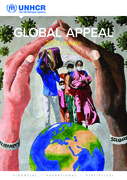
The Global Appeal provides updated information for government, private donors, partners and other readers interested in UNHCR's priorities and budgeted activities for 2021 to protect and improve the lives of tens of millions of people of concern (re
...
fugees, internally displaced people, stateless persons and others)
more

In this document, the Inter-American Committee of Cardiovascular Prevention and Rehabilitation, together with the South
American Society of Cardiology, aimed to formulate strategies, measures, and actions for cardiovascular disease prevention
and
...
rehabilitation (CVDPR). In the context of the implementation of a regional and national health policy in Latin American
countries, the goal is to promote cardiovascular health and thereby decrease morbidity and mortality. The study group on
Cardiopulmonary and Metabolic Rehabilitation from the Department of Exercise, Ergometry, and Cardiovascular Rehabilitation
of the Brazilian Society of Cardiology has created a committee of experts to review the Portuguese version of the guideline
and adapt it to the national reality.
The mission of this document is to help health professionals to adopt effective measures of CVDPR in the routine
clinical practice. The publication of this document and its broad implementation will contribute to the goal of the World
Health Organization (WHO), which is the reduction of worldwide cardiovascular mortality by 25% until 2025.
more
Diabetes mellitus, also called diabetes, is a chronic metabolic condition in which the hormone insulin is not produced by the
pancreas in sufficient quantities or is not utilized effectively by the body to control blood glucose levels. As a result,
...
blood
glucose levels are abnormally high (hyperglycaemia). Chronic uncontrolled hyperglycemia leads to long-term target organ damage, such as: retinopathy, nephropathy and neuropathy (microvascular complications); stroke, coronary heart disease
and peripheral arterial disease (macrovascular complications).
more

The document "Chronic Respiratory Diseases: A Handbook for Pharmacists" outlines the significant role pharmacists play in managing asthma and COPD, emphasizing patient education, disease prevention, medication management, and promoting healthy lifestyles. It highlights the importance of pharmacists
...
in supporting early detection, adherence to treatment, smoking cessation, and interprofessional collaboration to enhance respiratory care and outcomes.
more

Language influences the way we think, how we perceive reality, and how we behave. With respect to HIV, language can embody stigma and discrimination, which impacts access to testing, acquisition of
...
HIV, and engagement with treatment. Language plays a role in supporting respect and empowerment of individuals, as communities shape how they are referred to and the labels they wish to use. Consideration and use of appropriate language can strengthen the global response to the HIV pandemic by diminishing stigma and discrimination and increasing support and understanding for individuals and communities living with HIV. Comments and suggestions for modifications should be sent to
more

Asthma is the most common noncommunicable disease in children, and among the most common in adults. According to the most recent estimates from the Global Asthma Network Phase I study, around one in 10 children and adults have symptoms of asthma and
...
one in 20 school-aged children have severe asthma symptoms, with marked variations in prevalence and in prevalence trends between countries and regions of the world. The Global Burden of Disease Study estimated that asthma caused the loss of 21.6 million healthy years of life (disability-adjusted life years) and 461 069 deaths in 2019. Approximately 90% of the asthma burden of disease is borne by people living low and middle income countries (LMICs). Some countries report very high (up to 90%) rates of uncontrolled asthma. While the prevalence of asthma is highest in countries with a high Socio-Demographic Index (SDI), death rates from asthma are highest in countries with low and lower middle incomes.
more

This integrated operational framework provides an overview of the connections between mental health, neurological and substance use (MNS) conditions, and their links to health, well-being and the broader public health and sustainable development age
...
nda. The need for integrated approaches is increasingly recognized as critical to address the complex interactions between mental health, brain health, substance use, and physical health, particularly in light of global threats such as the COVID-19 pandemic. The framework also provides a series of actions for governments and health service planners and advisors to achieve integration across four domains: leadership and governance; care services; promotion and prevention; and health information systems, evidence generation and research.
more

Challenges and Opportunities. This report presents a comprehensive assessment of the education and labor markets for nurses in the ECSA region. It documents the main challenges to train and deploy nurses and discusses opportunities for government a
...
nd private sector employers to overcome these challenges. The report provides empirical evidence to support the expansion of nursing education within the region with a focus on private sector engagement, effective labor market regulation, and regional collaboration. A regional focus for investment may be necessary to create enough potential deals, reduce individual country and regulatory risks, encourage good private institutions to move across borders within the region, and seek to create regional standards for regulation.
more

In 2022, Namibia had an estimated population of 2.6 million people, where 51 per cent per cent are females and 52.5 per cent of households in urban areas, with fast-growing urban informal settlements which lack access to basic services. Namibia has
...
a young population; 42 per cent are children (0-17 years), 13 per cent are under-five, per cent and 19 per cent are aged 15 to 24 years. With the right investment on children and youth, this represents an opportunity for a demographic dividend.
more

WHO guideline on contact tracing
recommended
This practical guideline establishes definitions for “contact”, “contact person”, “contact tracing” and other associated concepts. It allows for improvement of contact tracing strategies and provides recommendations attempting to answer
...
some, though not all, questions that arose during the 2019 coronavirus pandemic and other outbreaks. The use of this guideline begins once people have been diagnosed and the potential for transmission exists. It is not, however, intended to assist with case investigation. The guideline empowers health workers, governments, and public health officials with the tools to implement effective contact tracing strategies.
more

The development of the Country Cooperation Strategy (CCS) was based on a consultative and participatory process with strong commitment and support from the Ministry of Health of Ghana. The CCS draws on lessons from the implementation of the first, and second generation CCSs, the country focus strate
...
gy, and the United Nations Sustainable Development Cooperation Framework (2023–2025).
The strategic agenda of the CCS outlines three strategic priorities, which are:
1. improving universal access to essential health services through the primary health care approach.
2. health emergency preparedness and response: addressing gaps in IHR core capacities and strengthening national capacities to prevent, detect and respond appropriately to public health emergencies through a resilient health system.
3. addressing social, economic, and environmental determinants of health; promoting high-impact interventions to address public health risks using multisectoral approaches.
more
PLoS ONE 17(9): e0272444. https://doi.org/ 10.1371/journal.pone.0272444.
Based on the RE-AIM metrics, our results show that KMC is a feasible intervention that can improve neonatal outcomes among preterm infants in Zambia. The study findings show a promising, practical approach
...
to scaling up KMC in Zambia.
more

The protracted humanitarian situation in northeastern Nigeria, particularly in Borno, Adamawa, and Yobe (BAY) States, remains a concern due to ongoing insecurity, displacement, food insecurity, disease outbreaks, and climate-related shocks.
...
To address these complex challenges, the health sector has developed a comprehensive humanitarian response strategy aligned with the three States Development plans, Durable Solutions for the Population Displacement Plan, and the Humanitarian Need Response Plan for 2025. This strategy aims to reduce morbidity and mortality among crisisaffected populations by ensuring timely, equitable, and effective delivery of lifesaving health services, while strengthen the resilience of health system and enhancing local and national capacities for sustainable health response in protracted emergency.
Supported by an in-depth analysis of the ongoing health humanitarian response using the Strengths, Weaknesses, Opportunities, and Threats (SWOT) methodology, the strategy is guided by three key objectives:
1. Provide access to lifesaving interventions and sustain an effective response to the prolonged health emergency.
2. Prevent, mitigate, and prepare for health risks from all hazards and respond to all health emergencies.
3. Advance the primary health care approach and essential health system capacities for universal health coverage.
To achieve these objectives, the strategy employs the “Five C” framework which refers to:
• Collaborative Surveillance: Enhancing collaborative efforts for effective monitoring.
• Community Protection: Implementing community-based protection measures.
• Safe and Scalable Care: Ensuring care that is both secure and scalable.
• Access to Countermeasures: Facilitating access to necessary countermeasures.
• Emergency Coordination: Coordinating emergency responses efficiently.
These proactive approaches are designed to be more anticipatory and preemptive rather than reactive, aiming to meet the needs of the crisis-affected population by providing lifesaving interventions, enhancing preventive and anticipatory actions, and ensuring the resilience of the health system. All actions are guided by International Humanitarian Standards and the Humanitarian Principles.
The implementation of the health humanitarian response strategy will involve collaboration with local authorities, non-governmental organizations (NGOs), and international organizations. The strategy emphasizes localization and resource mobilization, efficient logistics and supply chain management, mainstreaming protection, and the deployment and training of healthcare workers. Continuous monitoring and periodic evaluation will ensure the effectiveness of the response. Cross-sector collaboration with sectors such as WASH, Nutrition, Education, and Protection will be crucial to enhance the quality and reach of health interventions. Additionally, sustainability and transition approaches will ensure long-term health outcomes and benefits, bridging the gap from humanitarian to development efforts.
By adopting this comprehensive approach, the humanitarian response in northeastern Nigeria, particularly in BAY States, can be effectively guided, ultimately reducing the suffering of affected populations.
more

This Implementation Kit (I-Kit), developed by the Health Communication Capacity Collaborative (HC3), which is funded by USAID and based at the Johns Hopkins Center for Communication Programs, offers structured guidance for improving social and behavioural change communication (SBCC) strategies relat
...
ed to malaria in pregnancy (MiP). Designed for programme managers and stakeholders, the toolkit addresses critical communication gaps in MiP programming, particularly among service providers. It provides tools to help users integrate MiP into situation analyses, segment audiences, define behavioural objectives and draft strategic communication plans.
MiP poses a significant public health challenge, contributing to maternal and neonatal mortality and morbidity in sub-Saharan Africa. Although effective interventions exist, such as the use of insecticide-treated nets, intermittent preventive treatment in pregnancy (IPTp) and timely diagnosis and treatment, their implementation remains inconsistent. The I-Kit supports more effective SBCC planning and implementation, with the aim of increasing the uptake and impact of these interventions and ultimately reducing malaria-related deaths and illness among pregnant women and newborns.
more

This Implementation Kit (I-Kit), developed by the Health Communication Capacity Collaborative (HC3), helps national and local stakeholders to design country-specific social and behavioural change communication (SBCC) campaigns that address the threa
...
t posed by substandard, spurious, falsified and falsely labelled (SSFFC) malaria medicines. These poor-quality medicines endanger lives by failing to treat malaria effectively, undermine health systems, and contribute to drug resistance.
The I-Kit provides practical guidance and resources in six sections, including global examples, campaign design elements, media engagement strategies and tools for knowledge sharing. It is intended for health promotion officers, drug regulators, communication specialists and global health partners. Drawing heavily on experiences in Nigeria, the I-Kit promotes evidence-based, context-sensitive SBCC interventions to safeguard communities against SSFFC malaria medicines and enhance treatment outcomes.
more

The health impacts of climate change are no longer a distant threat. They are being felt here and now and becoming more extreme.
To address these threats, the WHO Asia-Pacific Centre for Environment and Health in the Western Pacific Region (ACE)
...
was established in 2019 through a partnership with the Seoul Metropolitan Government, the Ministry of Climate, Energy and Environment of the Republic of Korea and the World Health Organization (WHO).
The Centre’s mission is to strengthen cooperation and drive action where environment and health meet. This focus on environmental health has created a strong foundation for system-wide change.
This strategic plan builds directly on that work. Over the next five years, the Centre will expand its reach, supporting countries to take practical, systems-based action that ensures healthier people, healthier environments and a healthier planet.
more

On Global Handwashing Day, WHO and UNICEF have released the first-ever global Guidelines on Hand Hygiene in Community Settings to support governments and practitioners in promoting effective hand hygiene outside health care – across households, pu
...
blic spaces and institutions. Framing hand hygiene as a public good and a government responsibility, the Guidelines translate evidence into ready-to-adopt actions that enable sustainable access to effective hygiene services. This will reduce diarrhoeal disease, acute respiratory infections and other preventable illnesses, strengthening routine public health where people live, work, visit and study, and emergency preparedness, including outbreaks like cholera.
Despite clear benefits, 1.7 billion people still lacked basic hand hygiene services at home in 2024, including 611 million with no facility at all. Meeting the 2030 target will require accelerated progress – about a doubling in the global rate, and much faster in specific settings (up to 11-fold in least-developed countries and 8-fold in fragile contexts). Hand hygiene remains one of the most cost-effective health investments, reducing diarrhoea by 30% and acute respiratory infections by 17%, with large, measurable gains for population health.
“Clean hands save lives, but results at scale require policy, financing and accountability,” said Dr Ruediger Krech, Director a.i, Department of Environment, Climate Change, One Health & Migration at the World Health Organization. “These Guidelines help countries move beyond fragmented projects to government-led systems that make soap, water, and conditions conducive to everyday hand hygiene the norm.”
“Children and young people pay the highest price when basic hygiene is out of reach,” said Cecilia Scharp, Director, Water Sanitation and Hygiene (WASH) Team, Programme Group, UNICEF. “These Guidelines provide practical steps to ensure facilities are accessible when they need to be – in homes, schools, markets, and transport hubs – so every child can learn, play and thrive with dignity.”
more
