
Filter
2845
Text search:
Human
Rights
Resource
Centre
Featured
Recommendations
293
New Publications
768
Language
Document type
No document type
1647
Studies & Reports
405
Guidelines
381
Manuals
200
Strategic & Response Plan
130
Training Material
41
Fact sheets
18
Situation Updates
13
Resource Platforms
6
Infographics
3
Brochures
1
Countries / Regions
Global
133
India
100
Kenya
81
Nepal
73
Uganda
68
Myanmar / Burma
60
Nigeria
57
Western and Central Europe
57
Sierra Leone
53
South Africa
46
Zambia
44
Bangladesh
44
Malawi
44
Africa
43
Ethiopia
41
Ghana
39
Syria
38
Liberia
37
Ukraine
33
Rwanda
30
Congo, Democratic Republic of
29
Tanzania
28
Namibia
28
Lesotho
22
Latin America and the Carribbean
22
Asia
22
South–East Asia Region
21
Eastern Europe
21
South Sudan
20
Guinea
17
Indonesia
17
Cambodia
16
Zimbabwe
15
Philippines
15
Pakistan
13
East and Southern Africa
13
West and Central Africa
13
Western Pacific Region
12
Lebanon
11
Mozambique
11
Botswana
11
Sudan
10
Central African Republic
10
Yemen
10
Haiti
9
Russia
9
Afghanistan
8
Thailand
8
Middle East and North Africa
8
Eastern Europe and Central Asia
8
Burkina Faso
7
Senegal
7
Cameroon
7
Somalia
7
Jordan
7
Laos
7
Vietnam
7
Brazil
6
Colombia
6
Venezuela
6
Moldova
6
Mali
5
China
5
Eswatini/ Swaziland
5
Sri Lanka
5
Iran
5
Georgia
5
Iraq
4
Germany
4
Turkey
4
Papua New Guinea
4
Albania
4
Southern Africa
4
Timor Leste/ East Timor
4
Côte d’Ivoire / Ivory Coast
3
Niger
3
Hungary
3
Bhutan
3
Tajikistan
3
Morocco
2
Chad
2
Gambia
2
Malaysia
2
Singapore
2
Benin
2
Peru
2
North Macedonia
2
Croatia
2
Libya
2
Mexico
2
Paraguay
2
Poland
2
Palestine
2
Canada
2
Romania
2
Kyrgyzstan
2
Portugal
2
Azerbaijan
2
Belarus
2
Guinea-Bissau
1
USA
1
Saudi Arabia
1
Egypt
1
Mauritania
1
Argentina
1
Switzerland
1
Serbia
1
Burundi
1
Ecuador
1
El Salvador
1
Bolivia
1
Greece
1
Angola
1
Madagascar
1
Chile
1
Fiji
1
Djibouti
1
Estonia
1
Slovakia
1
Uzbekistan
1
Kazakhstan
1
North America
1
Turkmenistan
1
Jamaica
1
Japan
1
Mauritius
1
Tunisia
1
Norway
1
Spain
1
Bosnia and Herzegovina
1
Authors & Publishers
Publication Years
Category
Countries
914
Clinical Guidelines
248
Key Resources
229
Women & Child Health
190
Public Health
187
Capacity Building
57
Pharmacy & Technologies
25
Toolboxes
HIV
273
Mental Health
220
Disability
217
COVID-19
157
TB
153
Planetary Health
124
Conflict
97
Caregiver
84
Ebola & Marburg
71
Rapid Response
63
Global Health Education
61
Refugee
59
NTDs
59
AMR
56
2.0 Rapid Response
49
Natural Hazards
47
Pharmacy
33
Health Financing Toolbox
29
NCDs
27
Malaria
20
Polio
13
Specific Hazards
10
Cholera
9
Zika
9
Social Ethics
8
Typhoon
2
South Sudan
1



Small drinking-water supplies commonly experience operational, managerial, technical and resourcing challenges that impact their ability to deliver safe and reliable services. The needs and opportunities associated with these supplies therefore warrant explicit consideration in policies and regulati
...
The guideline elaborates on the prevention and control strategy developed by the South-East Asia Regional Office of WHO, which consists of six key components.
guidance for health managers, health workers, and activists
The training focuses on building the capacity of health care workers at the primary and secondary level to address and manage TB in children.

More than two years since the first SARS-CoV-2 infections were reported, the COVID-19 pandemic remains an acute global emergency. In this Strategic Preparedness, Readiness and Response plan for 2022, WHO sets out a number of key strategic adjustments that, if implemented rapidly and consistently at
...

Key stakeholders must be involved in the planning, implementation, monitoring and evaluation of NCD plans and programmes. Within a ministry of health there will be different types of stakeholders, such as programme managers and senior managers in departments of prevention, health promotion, and hosp
...
For the control of vectors and pests of public health importance. Sixth edition
International health regulations (2005): state party self-assessment annual reporting tool, 2nd ed
Second edition.
AVailable in English, French, Spanish, Russian, Chinese and Portuguese

The Infection prevention and control in the context of coronavirus disease 2019 (COVID-19): a living guideline consolidates technical guidance developed and published during the COVID-19 pandemic into evidence-informed recommendations for infection prevention and control (IPC). This living guideline
...

WASH and Health working together: a ‘how-to’ guide for neglected tropical disease programmes
recommended
2nd edition. This toolkit provides step-by-step guidance to NTD programme managers and partners on how to engage and work collaboratively with the WASH community to improve delivery of water, sanitation and hygiene services to underserved population affected by many neglected tropical diseases. The
...

People younger than 20 years comprise 35% of the global population and 40% of the global population of least-developed nations. The number of children - neonates, infants, children, and adolescents up to 19 years of age - who need pediatric palliative care (PPC) each year may be as high as 21 millio
...
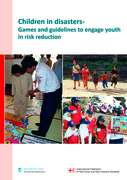
This guideline consists of two main parts:
i.) Guidelines for Red Cross and Red Crescent national societies on how to start up and engage with other stakeholders in country in rolling out disaster risk reduction (DRR) education and awareness activities for children - not only in school, but also ...
i.) Guidelines for Red Cross and Red Crescent national societies on how to start up and engage with other stakeholders in country in rolling out disaster risk reduction (DRR) education and awareness activities for children - not only in school, but also ...
This brief document compiles existing material related to mental health and psychosocial support (MHPSS) for the COVID-19 crisis, as well as other resources that can be applicable to the context. Documents are divided into different sections, based on the ‘’spaces of new vulnerability” inheren
...

13 July 2021
The module provides an overview of factors to consider when monitoring the safety of COVID-19 vaccines administered to pregnant and breastfeeding women. It describes how national routine AEFI surveillance should be adapted to cater for this specific group of population using both pass
...
