Filter
1568
Text search:
stigma
reduction
Featured
174
431
Language
Document type
981
220
157
77
73
24
21
3
3
2
1
1
Countries
90
59
59
46
44
40
39
35
34
29
29
25
23
23
23
22
21
20
20
18
16
14
13
13
12
12
10
10
10
10
10
9
9
8
8
8
7
7
5
5
5
5
5
4
4
4
4
3
3
3
3
3
3
3
3
3
3
3
3
2
2
2
2
2
2
2
2
2
2
2
1
1
1
1
1
1
1
1
1
1
1
1
1
1
1
1
1
1
1
1
1
1
1
1
1
1
1
Authors & Publishers
Publication Years
Category
611
84
80
66
57
39
2
Toolboxes
242
157
115
111
87
58
53
27
27
18
17
17
16
11
11
9
5
5
4
4
4
4
3
2
1
A field manual for Red Cross/Red Crescent personnel and volunteers

No publication year indicated
Q8. Should Anti-Epileptic Drug (AED) treatment be started after first unprovoked seizure in non-specialist health settings?
Forcibly Displaced Myanmar National / Rohingya Refugee Response.
This document gives guidance for medical providers to understand the care of both healthy and COVID suspect or confirmed patients who present for antenatal (ANC), intrapartum (IP), postnatal (PNC), or emergency obstetric and neonatal
...
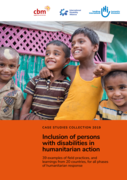
39 examples of field practices, and learnings from 20 countries, for all phases of humanitarian response. The report shows that deliberate and proactive action is required to ensure that persons with disabilities from all constituencies are systematically included and meaningfully participate in DRR
...
The power of the Global Drug Policy Index lies in its key objective: to score and
rank how countries are faring in different areas of drug policy as identified in the
UN report ‘What we have learned over the last ten years: A summary of knowledge
acquired and produced by the UN system on drug-r
...



Key populations brief.

Technical Brief

Some of the key findings of the report include:
Almost 80% of the general public are concerned about developing dementia at some point and 1 in 4 people think that there is nothing we can do to prevent dementia
35% of carers across the world said that they have hidden the diagnosis of de
...