
Filter
1084
Text search:
skills
retention
Featured
99
358
Language
Document type
657
149
120
66
48
24
12
7
1
Countries
53
48
46
40
38
37
28
27
27
26
25
23
21
18
17
16
15
15
15
13
12
12
10
10
9
8
7
6
6
5
5
5
5
4
4
4
3
3
3
3
3
2
2
2
2
2
2
2
1
1
1
1
1
1
1
1
1
1
1
1
1
1
1
1
1
1
1
1
1
1
1
1
1
1
1
Authors & Publishers
Publication Years
Category
531
83
76
56
53
50
6
Toolboxes
99
70
65
55
32
26
24
21
17
13
12
12
11
10
10
9
6
5
4
4
3
2
2
2
1
1
WHO South-East Asia Journal of Public Health, April 2017, 6(1) 8 pp. 211 kB


Operational Guidelines. Revised Edition
The results of in-country database and reports analysis
Lessons learned from an M&E task-shifting initiative in Botswana
HRH SA 2030 | Draft HR Strategy for the Health Sector: 2012/13 – 2016/17 Consultation Document
Accessed November 2017
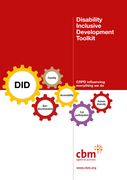
Disability-inclusive development policy and practice is constantly changing and evolving. It is a foundational part of our work in CBM, underpinning all that we do. It requires us to be constantly reflecting, learning and improving our practice. In particular looking to the deeper questions: of the
...

The Capacity Project worked to strengthen HRIS in several low-resource countries to assist decision-makers and human resources managers in identifying and responding to critical gaps in HRH. The findings and recommendations in this report cover the Capacity Project’s implementation of HRIS in Swaz
...
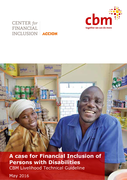
This technical guideline highlights barriers faced by persons with disabilities and makes recommendations to CBM Member Associations, Regional Offices and partners on how to engage with the financial sector to promote equitable financial inclusion of persons with disabilities.
The overall aim of the study was to understand the acceptability and usefulness of PHC clinical placements for nursing and midwifery students.

The National Strategic Plan is based on the following guiding principles:
1) Life-course approach: adolescence is a key decade in the course of life that influences the health outcomes later in life.
2) Comprehensive approach: It recognizes the cross cutting health and development needs o ...
1) Life-course approach: adolescence is a key decade in the course of life that influences the health outcomes later in life.
2) Comprehensive approach: It recognizes the cross cutting health and development needs o ...

Audit Report
