Filter
599
Text search:
people
with
epilepsy
Featured
83
120
Language
Document type
416
59
50
37
16
11
6
3
1
Countries
34
25
17
16
13
13
12
12
12
12
9
9
8
8
7
6
6
5
5
5
5
5
4
4
4
4
3
3
3
3
3
3
3
2
2
2
2
2
2
2
2
2
2
2
2
2
1
1
1
1
1
1
1
1
1
1
1
1
1
1
1
1
Authors & Publishers
Publication Years
Category
207
39
33
16
11
7
2
Toolboxes
191
120
24
18
13
12
8
8
7
5
5
5
5
5
4
4
3
3
3
2
1
Alternative Report to the UN Committee on the Rights of Persons with Disabilities in response to South Africa’s Baseline Country Report of March 2013 on the UN Convention on the Rights of Persons wit
...

Chapter 2 in "Latest Findings in Intellectual and Developmental Disabilities Research" Edited by Üner Tan, ISBN 978-953-307-865-6, 404 pages, Publisher: InTech, Chapters published February 15, 2012 under CC BY 3.0 license | Intellectual and Developmental Disabilities presents reports on a wide rang
...
Guidance | Preparedness - Response and early recovery - Recovery and reconstruction

Global Education Review, 3(3).4-27

This article describes a Community-Based Participatory Approach (CBPA) for children with intellectual disability in Endosulfan affected areas of Kasaragod district in Kerala state of India. The CBPA strategy evolved from Community Based Rehabilitati
...

Neurology Asia 2008; 13 : 41 – 48
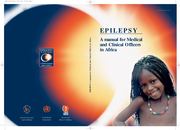
Bridging the Gap
Global Campaign Against Epilepsy
Children with disabilities in South Africa: The hidden reality is part of a multiple-country study conducted by ACPF. The study seeks to analyse how cultural, social, physical and other societal barriers prevent children
...
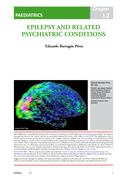
Paediatrics
Chapter I.2
International Health and Human Rights (2018) 18:18
Disability awareness, Community, Attitudes, Experts-by-experience
Information Booklet for Parents
Scoping Question: For adults and children living with HIV, which antiepileptic medications (such as phenobarbital, phenytoin, carbamazepine or valproic acid) produce benefits and/or harms when compared to a placebo or controls?
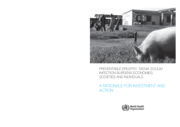
Burden of T. solium: Neurocysticercosis is a disease induced by T. solium larvae penetrating human tissues, especially the nervous system. Neurocysticercosis burdens economies, societies and individuals because of the impact of epilepsy on wages, he
...
A Global Campaign Against Epilepsy Demonstration Project
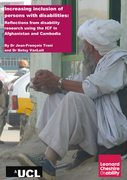
Reflections from disability research using the ICF in Afghanistan and Cambodia | Working Paper Series: No. 11