
Filter
2045
Text search:
non-communicable
diseases
Featured
115
431
Language
1961
143
115
98
95
73
39
22
10
9
9
7
7
6
6
5
5
3
2
1
1
1
1
1
1
1
1
1
1
1
1
1
Document type
755
592
205
118
104
54
46
44
42
28
17
15
13
11
1
Countries
434
104
85
76
64
47
36
34
33
33
33
31
31
30
29
27
26
26
24
24
21
20
19
18
18
17
17
16
13
11
11
9
8
7
7
7
7
7
6
6
6
5
5
5
5
5
5
5
4
4
4
4
4
4
4
4
4
3
3
3
3
3
3
3
3
3
3
2
2
2
2
2
2
2
2
2
2
2
2
2
1
1
1
1
1
1
1
1
1
1
1
1
1
1
1
1
1
1
1
1
1
1
1
1
1
1
1
1
1
Authors & Publishers
216
122
109
69
41
24
18
16
15
14
13
13
13
12
11
11
11
10
10
10
10
9
9
9
8
8
8
8
8
8
8
8
8
8
7
7
7
7
7
7
6
6
6
6
6
6
6
6
6
6
6
6
6
6
5
5
5
5
5
5
5
5
5
5
5
5
5
5
4
4
4
4
4
4
4
4
4
4
4
4
4
4
4
4
4
4
4
4
4
4
4
4
4
4
4
4
4
4
4
4
3
3
3
3
3
3
3
3
3
3
3
3
3
3
3
3
3
3
3
3
3
3
3
3
3
3
3
3
3
3
3
3
3
3
3
3
3
3
3
3
3
3
3
3
3
3
3
3
3
3
3
3
3
3
3
3
3
3
3
3
3
3
3
3
3
2
2
2
2
2
2
2
2
2
2
2
2
2
2
2
2
2
2
2
2
2
2
2
2
2
2
2
2
2
2
2
2
2
2
2
2
2
2
2
2
2
2
2
2
2
2
2
2
2
2
2
2
2
2
2
2
2
2
2
2
2
2
2
2
2
2
2
2
2
2
2
2
2
2
2
2
2
2
2
2
2
2
2
2
2
2
2
2
2
2
2
2
2
2
2
2
2
2
2
2
2
2
2
2
2
2
2
2
2
2
2
2
2
2
2
2
2
2
2
2
2
2
2
2
2
2
2
2
2
2
2
2
2
2
2
2
2
2
2
2
2
2
2
2
2
2
2
2
1
1
1
1
1
1
1
1
1
1
1
1
1
1
1
1
1
1
1
1
1
1
1
1
1
1
1
1
1
1
1
1
1
1
1
1
1
1
1
1
1
1
1
1
1
1
1
1
1
1
1
1
1
1
1
1
1
1
1
1
1
1
1
1
1
1
1
1
1
1
1
1
1
1
1
1
1
1
1
1
1
1
1
1
1
1
1
1
1
1
1
1
1
1
1
1
1
1
1
1
1
1
1
1
1
1
1
1
1
1
1
1
1
1
1
1
1
1
1
1
1
1
1
1
1
1
1
1
1
1
1
1
1
1
1
1
1
1
1
1
1
1
1
1
1
1
1
1
1
1
1
1
1
1
1
1
1
1
1
1
1
1
1
1
1
1
1
1
1
1
1
1
1
1
1
1
1
1
1
1
1
1
1
1
1
1
1
1
1
1
1
1
1
1
1
1
1
1
1
1
1
1
1
1
1
1
1
1
1
1
1
1
1
1
1
1
1
1
1
1
1
1
1
1
1
1
1
1
1
1
1
1
1
1
1
1
1
1
1
1
1
1
1
1
1
1
1
1
1
1
1
1
1
1
1
1
1
1
1
1
1
1
1
1
1
1
1
1
1
1
1
1
1
1
1
1
1
1
1
1
1
1
1
1
1
1
1
1
1
1
1
1
1
1
1
1
1
1
1
1
1
1
1
1
1
1
1
1
1
1
1
1
1
1
1
1
1
1
1
1
1
1
1
1
1
1
1
1
1
1
1
1
1
1
1
1
1
1
1
1
1
1
1
1
1
1
1
1
1
1
1
1
1
1
1
1
1
1
1
1
1
1
1
1
1
1
1
1
1
1
1
1
1
1
1
1
1
1
1
1
1
1
1
1
1
1
1
1
1
1
1
1
1
1
1
1
1
1
1
1
1
1
1
1
1
1
1
1
1
1
1
1
1
1
1
1
1
1
1
1
1
1
1
1
1
1
1
1
1
1
1
1
1
1
1
1
1
1
1
1
1
1
1
1
1
1
1
1
1
1
1
1
1
1
1
1
1
1
1
1
1
1
1
1
1
1
1
1
1
1
1
1
1
1
1
1
1
1
1
1
1
1
1
1
1
1
1
1
1
1
1
1
1
1
1
1
1
1
1
1
1
1
1
1
1
1
1
1
1
1
1
1
1
1
1
1
1
1
1
1
1
1
1
1
1
1
1
1
1
1
1
1
1
1
1
1
1
1
1
1
1
1
1
1
1
1
1
1
1
1
1
1
1
1
1
1
1
1
1
1
1
1
1
1
1
1
1
1
1
1
1
1
1
1
1
1
1
1
1
1
1
1
1
1
1
1
1
1
1
1
1
1
1
1
1
1
1
1
1
1
1
1
1
1
1
1
1
1
1
1
1
1
1
1
1
1
1
1
1
1
1
1
1
1
1
1
1
1
1
1
1
1
1
1
1
1
1
1
1
1
1
1
1
1
1
1
1
1
1
1
1
1
1
1
1
1
1
1
1
1
1
1
1
1
1
1
1
1
1
1
1
1
1
1
1
1
1
1
1
1
1
1
1
1
1
1
1
1
1
1
1
1
1
1
1
1
1
1
1
1
1
1
1
1
1
1
1
1
1
1
1
1
1
1
1
1
1
1
1
1
1
1
1
1
1
1
1
1
1
1
1
1
1
1
1
1
1
1
1
1
1
1
1
1
1
1
1
1
1
1
1
1
1
1
1
1
1
1
1
1
1
1
1
1
1
1
1
1
1
1
1
1
1
1
1
1
1
1
1
1
1
1
1
1
1
1
1
1
1
1
1
1
1
1
1
1
1
1
1
1
1
1
1
1
1
1
1
1
1
1
1
1
1
1
1
1
1
1
1
1
1
1
1
1
1
1
1
1
1
1
1
1
1
1
1
1
1
1
1
1
1
1
1
1
1
1
1
1
1
1
1
1
1
1
1
1
1
1
1
1
1
1
1
1
1
1
1
1
1
1
1
1
1
1
1
1
1
1
1
1
1
1
1
1
1
1
1
1
1
1
1
1
1
1
1
1
1
1
1
1
1
1
1
1
1
1
1
1
1
1
1
1
1
1
1
1
1
1
1
1
1
1
1
1
1
1
1
1
1
1
1
1
1
1
1
1
1
1
1
1
1
1
1
1
1
1
1
1
1
1
1
1
1
1
1
1
1
1
1
1
1
1
1
1
1
1
1
1
1
1
1
1
1
1
1
1
1
1
1
1
1
1
1
1
1
1
1
1
1
1
1
1
1
1
1
1
1
1
1
1
1
1
1
1
1
1
1
1
1
1
1
1
1
1
1
1
1
1
1
1
1
1
1
1
1
1
1
1
1
1
1
1
1
1
1
1
1
1
1
1
1
1
1
1
1
1
1
1
1
1
1
1
1
1
1
1
1
1
1
1
1
1
1
1
1
1
1
1
1
1
1
1
1
1
1
1
1
1
1
1
1
1
1
1
1
1
1
1
1
1
1
1
1
1
1
1
1
1
1
1
1
1
1
1
1
1
1
1
1
1
1
1
1
1
1
1
1
1
1
1
1
1
1
1
1
1
1
1
1
1
1
1
1
1
1
1
1
1
1
1
1
1
1
1
1
1
1
1
1
1
1
1
1
1
1
1
1
1
1
1
1
1
1
1
1
1
1
1
1
1
1
1
1
1
1
1
1
1
1
1
1
1
1
1
1
1
1
1
1
1
1
1
1
1
1
1
1
1
1
1
1
1
1
1
1
1
1
1
1
1
1
1
1
1
1
1
1
1
1
1
1
1
1
1
1
1
1
1
1
1
1
1
1
1
1
1
1
1
1
1
1
1
1
1
1
1
1
1
1
1
1
1
1
1
1
1
1
1
1
1
1
1
1
1
1
1
1
1
1
1
1
1
1
1
1
1
1
1
1
1
1
1
1
1
1
1
1
1
1
1
1
1
1
1
1
1
1
1
1
1
1
1
1
1
1
1
1
1
1
1
1
1
1
1
1
1
1
1
1
1
1
1
1
1
1
1
1
1
1
1
1
1
1
1
1
1
1
1
1
1
1
1
1
1
1
1
1
1
1
1
1
1
1
1
1
1
1
1
1
1
1
1
1
1
1
1
1
1
1
1
1
1
1
1
1
1
1
1
1
1
1
1
1
1
1
1
1
1
1
1
1
1
1
1
1
1
1
1
1
1
1
1
1
1
1
1
1
1
1
1
1
1
1
1
1
1
1
1
1
1
1
1
1
1
1
1
1
1
1
1
1
1
1
1
1
1
1
1
1
1
1
1
1
1
1
1
1
1
1
1
1
1
1
1
1
1
1
1
1
1
1
1
1
1
1
1
1
1
1
1
1
1
1
1
1
1
1
1
1
1
1
1
1
1
1
1
1
1
1
1
1
1
1
1
1
1
1
1
1
1
1
1
1
1
1
1
1
1
1
1
1
1
1
1
1
1
1
1
1
1
1
1
1
1
1
1
1
1
1
1
1
1
1
1
1
1
1
1
1
1
1
1
1
1
1
1
1
1
1
1
1
1
1
1
1
1
1
1
1
1
1
1
1
1
1
1
1
1
1
1
1
1
1
1
1
1
1
1
1
1
1
1
1
1
1
1
1
1
1
1
1
1
1
1
1
1
1
1
1
1
1
1
1
1
1
1
1
1
1
1
1
1
1
1
1
1
1
1
1
1
1
1
1
1
1
1
1
1
Publication Years
925
1031
86
3
Category
810
635
107
70
55
36
7
1
Toolboxes
752
108
87
70
52
42
42
38
34
27
26
16
14
14
11
10
9
7
5
5
4
3
3
1
1

Chronic kidney disease (CKD) is an important contributor to mortality from noncommunicable diseases. No decrease has been seen for CKD mortality contrary to many other important non-
...
communicable diseases (e.g., cardiovascular disease). The prevalence of CKD and kidney failure are increasing all over the world – and thereby also the need for dialysis. Unfortunately, the prevalence increases most rapidly in lowand middle-income countries. Globally, there are great inequities in access and quality of management of kidney failure. Many low- and middle-income countries cannot meet the increased need for dialysis. If the patients receive dialysis, it might only be for a limited period due to the out-of-pocket expenses. There are global disparities in CKD mortality reflecting the disparities in access to care. Lack of access to dialysis is an important cause of the increased CKD mortality in low- and middle-income countries.
more

Kerala state is moving towards achieving the Sustainable Development Goals
(SDG), adopted by the United Nations General Assembly on 25th September 2015.
Goal 3 of the SDG addresses “Ensuring healthy lives and promoting well-being for
all at all ages”. The sub-goal 3.4 of the SDG has the targe
...
t “By 2030, reduce by one
third premature mortality from non-communicable diseases through prevention and treatment and promote mental health and wellbeing”.
more

Asthma management and control in children, adolescents, and adults in 25 countries: a Global Asthma Network Phase I cross-sectional study
García-Marcos, L.; Chiang, C. Y.; Asher, I.; et al.
The Lancet Global Health Volume 11, Issue 2e218-e228February 2023
(2023)
CC2
Asthma is one of the most common non-communicable diseases globally. This study aimed to assess asthma medicine use, management plan availability,
...
and disease control in childhood, adolescence, and adulthood across different country settings.
more
Demographic and epidemiological transitions are changing the age structure of the population and the most common diseases. Non-communicable respira
...
tory diseases are an increasing problem at both ends of the age range in low-income and middle-income countries. In children, who represent a large proportion of the total population, the increasing problem of asthma is a strain on health services. Improved survival of the older population is increasing the proportion of morbidity and mortality attributable to chronic lung diseases. Health services in low-resource countries are poorly adapted to treating chronic diseases. Designed to respond episodically to acute disease, almost all historical investment has focused on infectious diseases. Crucial to the successful management of chronic diseases is an infrastructure designed to support pro-active management, providing not only an accurate diagnosis, but also a secure supply of cost effective drugs at an affordable price. The absence of such an infrastructure in many countries and the market failure that makes drugs generally more expensive in low-resource regions means that many people with chronic non-communicable lung diseases are not given effective treatment. This has damaging economic consequences. The common causes of poor lung health in lowincome countries are not the same as those in richer countries, and there is a need to study why they are so common and how best to manage them.
more
Globally, it is estimated that 1 billion people suffer from acute and chronic respiratory conditions, making them major causes of illness and death. Although there is a relative lack of data and evidence on lung diseases beyond tuberculosis (TB) in
...
Sub-Saharan Africa (SSA), their estimated regional burden is large and growing. In addition, there is a poorly understood relationship between infections, such as TB, and non-infectious causes of lung health problems. The problem in lung diseases in SSA is exacerbated by many factors, including under-prioritisation, under-treatment and weak preventative measures.
more
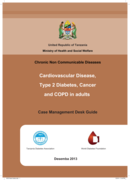
Cardiovascular Disease, Type 2 Diabetes, Cancer and COPD in adults
Ministry of Health and Social Welfare, Tanzania
Tanzania Diabetes Association; World Diabetes Foundation
(2013)
CC
Chronic Non Communicable Diseases. Case Management Desk Guide
The prevalence of chronic non-communicable diseases such as diabetes, cardiovascular diseases
...
and cancers has been on the increase in Kenya in the recent past. This has been occasioned by changes in social and demographic situation in the country. The life expectancy in the country is improving, while the country is developing at a rapid pace. This has resulted in people living more years and at the time adopting lifestyles that have negative impacts on their health. This increase in diabetes and other non-communicable diseases has given rise to a double burden of communicable and non-communicable diseases in Kenya
more

Assessment of non-communicable diseases (NCDs) service disruptions during the COVID-19 pandemic. Preliminary results.
Guidance on how to provide c
...
ontinuity for NCD programmes:• How to include NCDs in public health emergencies protocols?• How to develop national NCDs tool kits for use in emergencies?• How to provide ambulatory essential NCD services during lockdown?• How to provide medical care for NCDs through telemedicine and digital solutions?
more

Unpreparedness of health professionals to address non-communicable diseases (NCD) at peripheral health facilities is a critical health system chall
...
enge in Mozambique. To address this weakness and decentralize NCD care, training of the primary care workforce is needed. We describe our experience in the design and implementation of a cascade training of trainers (ToT) intervention to strengthen the prevention and control of cardiovascular disease.
more
Sub-Saharan Africa faces a major public-health challenge from non-communicable diseases. Although infectious
...
diseases continue to afflict Africa, the proportion of the overall disease burden in sub-Saharan Africa attributable to cancer is rising, and the region is predicted to have a greater than 85% increase in cancer burden by 2030. This Series of seven papers focuses on cancer control in Africa, outlining the current situation, detailing barriers to care, and presenting ideas to advance cancer care and control in the region.
more

The Mexico Declaration for Circulatory Health brings together global health
organizations committed to improving circulatory health and reducing deaths and disability from heart disease and stroke around the world. These diseases presently represen
...
t the biggest health burden world-wide, accounting for over 17 million deaths every year. We are united around existing global strategies and targets to reduce the burden of heart disease and stroke. We are committed to achieving the World Health Organization (WHO) “25 by 25” non-communicable disease (NCD) targets, and the United Nations’ NCDrelated Sustainable Development Goals, based on known, effective and affordable
interventions for secondary prevention, primary prevention and primordial prevention in populations. As heart disease and stroke make up half of all NCD deaths, our efforts, working together as the international cardiovascular community, are central to achieving these global goals.
more
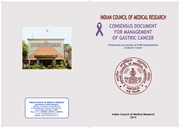
Full document available: https://www.icmr.nic.in/sites/default/files/guidelines/Gastric%20Cancer%20Final%20pdf%20for%20farrow_0.pdf | Prepared as an outcome of ICMR Subcommittee on Gastric Cancer | Coordinated by Division of Non
...
Communicable Diseases | This Consensus Document on Management of Gastric Cancers summarizes the modalities of treatment including the site-specific anti-cancer therapies, supportive and palliative care and molecular markers and research questions. It also interweaves clinical, biochemical and epidemiological studies.
more
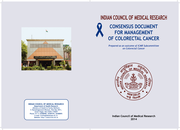
Prepared as an outcome of ICMR Subcommittee on Colorectal Cancer | Coordinated by Division of Non Communicable Diseases | This Consensus Document o
...
n Management of Colorectal Cancer summarizes the modalities of treatment including the site-specific anti-cancer therapies,
supportive and palliative care and molecular markers and research questions. It also interweaves clinical, biochemical and epidemiological studies.
more
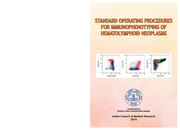
Prepared as an outcome of ICMR Expert Group on Immunophenotyping of Hematolymphoid Neoplasms | Coordinated by Division of Non Communicable Diseases
...
| This document addresses on various issue related to good quality practices in laboratory work up of flow cytometric immunophenotyping and will be of use to pathologists, cytometrists, hematologists, technologists and scientists working in this field.
more
Sepsis contributes significantly to preventable mortality and is the final common pathway to death for severe infectious diseases; it can also arise as a complication of injuries and non-
...
communicable diseases.
more
Climate risks have significant effects on public health including: injury, death, communicable diseases such as vector-borne and water-borne diseases, and
...
non-communicable impacts such as malnutrition, heat stress and health effects of air pollution.
more
7. Rev Panam Salud Publica. 2020;44:e13
Haiti faces a double burden of disease. Infectious diseases continue to be an issue, while non-communicable
...
diseases have become a significant burden of disease. More attention must also be focused on the increase in worrying public health issues such as road injuries, exposure to forces of nature and HIV/AIDS in specific age groups. To address the burden of disease, sustained actions are needed to promote better health in Haiti and countries with similar challenges.
more
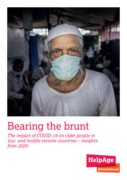
The report shows that older people are not getting the healthcare treatments they desperately need. The COVID-19 response has disrupted services for non-communicable
...
diseases such as cancer and diabetes, communicable diseases such as malaria, and much-needed services for mental health. Combined with a loss of income, many older people are unable to get the medicines they need.
A Summary is available in Russian and Arabic
more
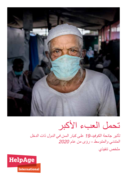
تحمل العبء الأكبر على كبار السن في الدول ذات الدخل 19تأثير جائحة الكوفيد-2020المتدني والمتوسط - رؤى من عام
The report shows that older people are not getting the healthcare treatments they desperately need. The COVID-1
...
9 response has disrupted services for non-communicable diseases such as cancer and diabetes, communicable diseases such as malaria, and much-needed services for mental health. Combined with a loss of income, many older people are unable to get the medicines they need.
A Summary is available in Russian and Arabic
more
PlosOne https://doi.org/10.1371/journal.pone.0165797; Food production is a major driver of greenhouse gas (GHG) emissions, water and land use, and dietary risk factors are contributors to non-communicable
...
diseases. Shifts in dietary patterns can therefore potentially provide benefits for both the environment and health. However, there is uncertainty about the magnitude of these impacts, and the dietary changes necessary to achieve them.
more
