
Filter
1786
Text search:
cardiovascular
disease
Featured
179
357
Language
Document type
718
461
307
88
71
68
31
12
8
7
6
5
2
1
1
Countries
155
101
47
47
41
39
32
29
27
27
23
20
20
19
17
17
16
16
16
15
15
15
14
14
14
13
13
13
12
11
11
11
10
10
9
9
9
8
8
7
7
7
7
7
7
6
5
5
5
5
5
4
4
4
4
3
3
3
3
3
3
3
3
3
3
3
3
2
2
2
2
2
2
2
2
2
2
2
2
2
2
2
2
2
2
1
1
1
1
1
1
1
1
1
1
1
1
1
1
1
1
1
1
1
1
1
1
1
1
1
Authors & Publishers
Publication Years
Category
701
272
188
59
45
40
7
1
Toolboxes
292
203
173
115
53
46
43
32
29
29
28
24
20
18
17
7
7
7
6
5
4
3
3
3
2

The World Heart Federation (WHF) is a leading global advocate for stronger legislation and policies regarding cardiovascular disease (CVD) and its risk factors, including raised cholesterol. The pre
...

Chronic obstructive pulmonary disease (COPD) represents an increasing burden throughout the world. COPD-related mortality is probably underestimated because of the difficulties associated with identifying the precise cause of death. Respiratory fail
...

The Coronavirus Disease 2019 (COVID-19) has had a continuous and robust impact on world health. The resulting COVID-19 pandemic has had a devastating physical, mental and fiscal impact on the millions of people living with noncommunicable diseases (
...
Primary Care 101
recommended
Symptom-based integrated approach to the adult in primary care.
Primary Care 101 is a comprehensive clinical practice guideline that aims to equip nurses and other clinicians to diagnose and manage common adult conditions at primary level.
Tb; HIV; Asthma/COPD;
...

Hypertension is the leading preventable risk factor for cardiovascular diseases and disability globally. In low- and middle-income countries hypertension has a major social impact, increasing the disease
...

Contents Summary Glycemic Index Individual foods Mixed meal or diet Glycemic Load Disease Prevention Type 2 diabetes mellitus Cardiovascular disease
...

Contents Summary Glycemic Index Individual foods Mixed meal or diet Glycemic Load Disease Prevention Type 2 diabetes mellitus Cardiovascular disease
...
Report of a regional workshop, New Delhi, India, 29–30 September 2014
To reduce the burden of cardiovascular disease and its subsequent problems, the WHO Regional Office for South-East Asia o ...
To reduce the burden of cardiovascular disease and its subsequent problems, the WHO Regional Office for South-East Asia o ...

Background
Low- and middle-income countries now experience the highest prevalence and mortality rates of cardiovascular disease.
Main text
While improving the availability and delivery of prove
...

Noncommunicable diseases (NCDs) – chief among them, cardiovascular diseases (heart disease and stroke), cancer, diabetes and chronic respiratory diseases – along with mental health, cause nearly
...
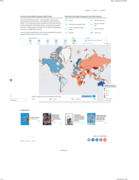
Noncommunicable Diseases Data Portal
recommended
Noncommunicable diseases (NCDs) – chief among them, cardiovascular diseases (heart disease and stroke), cancer, diabetes and chronic respiratory diseases – cause nearly three-quarters of deaths
...
High salt consumption is an important determinant of high blood pressure and reducing it would improve health outcomes by lowering cardiovascular disease and therefore death rates. Reducing salt int
...

The World Heart Federation (WHF) commenced a Roadmap initiative in 2015 to reduce the global burden of cardiovascular disease and resultant burgeoning of healthcare costs. Roadmaps provide a bluepri
...
Tobacco use is the leading preventable cause of death worldwide and is a major risk factor for cardiovascular disease (CVD). Both prevention of smoking initiation among youth and smoking cessation a
...
Care for persons with noncommunicable diseases (NCDs), such as cardiovascular disease, diabetes, cancer, and chronic obstructive pulmonary disease,
...
Chronic noncommunicable diseases (NCDs) are the number one cause of death and disability in the world. The term NCDs refers to a group of conditions that are not mainly caused by an acute infection, result in long-term health consequences and often create a need for long-term treatment and care. The
...

Chronic noncommunicable diseases (NCDs) are the number one cause of death and disability in the world.
The term NCDs refers to a group of conditions that are not mainly caused by an acute infection, result in long-term health consequences and often create a need for long-term treatment and care.
...

Noncommunicable diseases (NCDs) (e.g., cardiovascular diseases, cancers, diabetes, and chronic respiratory diseases) and mental health conditions (e.g., Alzheimer’s disease and related dementias,
...
Mental health conditions affect one in 10 people at any one time and account for a large proportion of non-fatal disease burden. There is a high degree of comorbidity between mental health conditions such as depression and other noncommunicable dise
...
Excessive consumption of salt (more than 5 g per day) raises blood pressure, a major risk factor for cardiovascular diseases such as heart disease and stroke, and is the leading cause of death in th
...
