
Filter
2165
Text search:
burden
of
disability
Featured
212
505
Language
2092
58
50
42
27
15
14
9
4
3
2
2
2
2
2
2
2
2
2
1
1
1
1
1
1
1
1
1
1
1
1
1
1
1
1
1
1
1
Document type
1185
470
221
115
111
21
20
11
6
2
1
1
1
Countries
154
101
59
55
45
44
43
43
35
33
32
31
29
28
28
27
26
25
23
22
22
21
21
16
14
14
14
13
12
11
11
11
10
10
8
8
8
7
7
7
7
7
6
6
5
5
5
5
5
5
5
4
4
4
4
4
4
4
4
4
3
3
3
3
3
3
3
2
2
2
2
2
2
2
2
2
2
2
2
1
1
1
1
1
1
1
1
1
1
1
1
1
1
1
1
1
1
1
1
1
1
1
1
1
1
1
Authors & Publishers
301
108
86
74
74
47
44
26
23
20
20
18
16
15
13
13
11
11
10
10
10
9
9
9
8
8
8
8
8
7
7
7
7
6
6
6
6
6
6
6
6
6
6
6
6
6
5
5
5
5
5
5
5
5
5
5
5
5
5
5
4
4
4
4
4
4
4
4
4
4
4
4
4
4
4
4
4
4
4
4
4
4
4
4
4
3
3
3
3
3
3
3
3
3
3
3
3
3
3
3
3
3
3
3
3
3
3
3
3
3
3
3
3
3
3
3
3
3
3
3
3
3
3
3
3
3
3
3
3
3
3
3
2
2
2
2
2
2
2
2
2
2
2
2
2
2
2
2
2
2
2
2
2
2
2
2
2
2
2
2
2
2
2
2
2
2
2
2
2
2
2
2
2
2
2
2
2
2
2
2
2
2
2
2
2
2
2
2
2
2
2
2
2
2
2
2
2
2
2
2
2
2
2
2
2
2
2
2
2
2
2
2
2
2
2
2
2
2
2
2
2
2
2
2
2
2
2
2
2
2
2
2
2
2
2
2
2
2
2
2
2
2
2
2
2
2
2
2
2
2
2
2
2
2
2
2
1
1
1
1
1
1
1
1
1
1
1
1
1
1
1
1
1
1
1
1
1
1
1
1
1
1
1
1
1
1
1
1
1
1
1
1
1
1
1
1
1
1
1
1
1
1
1
1
1
1
1
1
1
1
1
1
1
1
1
1
1
1
1
1
1
1
1
1
1
1
1
1
1
1
1
1
1
1
1
1
1
1
1
1
1
1
1
1
1
1
1
1
1
1
1
1
1
1
1
1
1
1
1
1
1
1
1
1
1
1
1
1
1
1
1
1
1
1
1
1
1
1
1
1
1
1
1
1
1
1
1
1
1
1
1
1
1
1
1
1
1
1
1
1
1
1
1
1
1
1
1
1
1
1
1
1
1
1
1
1
1
1
1
1
1
1
1
1
1
1
1
1
1
1
1
1
1
1
1
1
1
1
1
1
1
1
1
1
1
1
1
1
1
1
1
1
1
1
1
1
1
1
1
1
1
1
1
1
1
1
1
1
1
1
1
1
1
1
1
1
1
1
1
1
1
1
1
1
1
1
1
1
1
1
1
1
1
1
1
1
1
1
1
1
1
1
1
1
1
1
1
1
1
1
1
1
1
1
1
1
1
1
1
1
1
1
1
1
1
1
1
1
1
1
1
1
1
1
1
1
1
1
1
1
1
1
1
1
1
1
1
1
1
1
1
1
1
1
1
1
1
1
1
1
1
1
1
1
1
1
1
1
1
1
1
1
1
1
1
1
1
1
1
1
1
1
1
1
1
1
1
1
1
1
1
1
1
1
1
1
1
1
1
1
1
1
1
1
1
1
1
1
1
1
1
1
1
1
1
1
1
1
1
1
1
1
1
1
1
1
1
1
1
1
1
1
1
1
1
1
1
1
1
1
1
1
1
1
1
1
1
1
1
1
1
1
1
1
1
1
1
1
1
1
1
1
1
1
1
1
1
1
1
1
1
1
1
1
1
1
1
1
1
1
1
1
1
1
1
1
1
1
1
1
1
1
1
1
1
1
1
1
1
1
1
1
1
1
1
1
1
1
1
1
1
1
1
1
1
1
1
1
1
1
1
1
1
1
1
1
1
1
1
1
1
1
1
1
1
1
1
1
1
1
1
1
1
1
1
1
1
1
1
1
1
1
1
1
1
1
1
1
1
1
1
1
1
1
1
1
1
1
1
1
1
1
1
1
1
1
1
1
1
1
1
1
1
1
1
1
1
1
1
1
1
1
1
1
1
1
1
1
1
1
1
1
1
1
1
1
1
1
1
1
1
1
1
1
1
1
1
1
1
1
1
1
1
1
1
1
1
1
1
1
1
1
1
1
1
1
1
1
1
1
1
1
1
1
1
1
1
1
1
1
1
1
1
1
1
1
1
1
1
1
1
1
1
1
1
1
1
1
1
1
1
1
1
1
1
1
1
1
1
1
1
1
1
1
1
1
1
1
1
1
1
1
1
1
1
1
1
1
1
1
1
1
1
1
1
1
1
1
1
1
1
1
1
1
1
1
1
1
1
1
1
1
1
1
1
1
1
1
1
1
1
1
1
1
1
1
1
1
1
1
1
1
1
1
1
1
1
1
1
1
1
1
1
1
1
1
1
1
1
1
1
1
1
1
1
1
1
1
1
1
1
1
1
1
1
1
1
1
1
1
1
1
1
1
1
1
1
1
1
1
1
1
1
1
1
1
1
1
1
1
1
1
1
1
1
1
1
1
1
1
1
1
1
1
1
1
1
1
1
1
1
1
1
1
1
1
1
1
1
1
1
1
1
1
1
1
1
1
1
1
1
1
1
1
1
1
1
1
1
1
1
1
1
1
1
1
1
1
1
1
1
1
1
1
1
1
1
1
1
1
1
1
1
1
1
1
1
1
1
1
1
1
1
1
1
1
1
1
1
1
1
1
1
1
1
1
1
1
1
1
1
1
1
1
1
1
1
1
1
1
1
1
1
1
1
1
1
1
1
1
1
1
1
1
1
1
1
1
1
1
1
1
1
1
1
1
1
1
1
1
1
1
1
1
1
1
1
1
1
1
1
1
1
1
1
1
1
1
1
1
1
1
1
1
1
1
1
1
1
1
1
1
1
1
1
1
1
1
1
1
1
1
1
1
1
1
1
1
1
1
1
1
1
1
1
1
1
1
1
1
1
1
1
1
1
1
1
1
1
1
1
1
1
1
1
1
1
1
1
1
1
1
1
1
1
1
1
1
1
1
1
1
1
1
1
1
1
1
1
1
1
1
1
1
1
1
1
1
1
1
1
1
1
1
1
1
1
1
1
1
1
1
1
1
1
1
1
1
1
1
1
1
1
1
1
1
1
1
1
1
1
1
1
1
1
1
1
1
1
1
1
1
1
1
1
1
1
1
1
1
1
1
1
1
1
1
1
1
1
1
1
1
1
1
1
1
1
1
1
1
1
1
1
1
1
1
1
1
1
1
1
1
1
1
1
1
1
1
1
1
1
1
1
1
1
1
1
1
1
1
1
1
1
1
1
1
1
1
1
1
1
1
1
1
1
1
1
1
1
1
1
1
1
1
1
1
1
1
1
1
1
1
1
1
1
1
1
1
1
1
1
1
1
1
1
1
1
1
1
1
1
1
1
1
1
1
1
1
1
1
1
1
1
1
1
1
1
1
1
1
1
1
1
1
1
1
1
1
1
1
1
1
1
1
1
1
1
1
1
1
1
1
1
1
1
1
1
1
1
1
1
1
1
1
1
1
1
1
1
1
1
1
1
1
1
1
1
1
1
1
1
1
1
1
1
1
1
1
1
1
1
1
1
1
1
1
1
1
1
1
1
1
1
1
1
1
1
1
1
1
1
1
1
1
1
1
1
1
1
1
1
1
1
1
1
1
1
1
1
1
1
1
1
1
1
1
1
1
1
1
1
1
1
1
1
1
1
1
1
1
1
1
1
1
1
1
1
1
1
1
1
1
1
1
1
1
1
1
1
1
1
1
1
1
1
1
1
1
1
1
1
1
1
1
1
1
1
1
1
1
1
1
1
1
1
1
1
1
1
1
1
1
1
1
1
1
1
1
1
1
1
1
1
1
1
1
1
1
1
1
1
1
1
1
1
1
1
1
1
1
1
1
1
1
1
1
1
1
1
1
1
1
1
1
1
1
1
1
1
1
1
1
1
1
1
1
1
1
1
1
1
1
1
1
1
1
1
1
1
1
1
1
1
1
1
1
1
1
1
1
1
1
1
1
1
1
1
1
1
1
1
1
1
1
1
1
1
1
1
1
1
1
1
1
1
1
1
1
1
1
1
1
1
1
1
1
1
1
1
1
1
1
1
1
1
1
1
1
1
1
1
1
1
1
1
1
1
1
1
1
1
1
1
1
1
1
1
1
1
1
1
1
1
1
1
1
1
1
1
1
1
1
1
1
1
1
1
1
1
1
1
1
1
1
1
1
1
1
1
1
1
1
1
1
1
1
1
1
1
1
1
1
1
1
1
1
1
1
1
1
1
1
1
1
1
1
1
1
1
1
1
1
1
1
1
1
1
1
1
1
1
1
1
1
1
1
1
1
1
1
1
1
1
1
1
1
1
1
1
1
1
1
1
1
1
1
1
1
1
1
1
1
1
1
1
1
1
1
1
1
1
1
1
1
1
1
1
1
1
1
1
1
1
1
1
1
1
1
1
1
1
1
1
1
1
1
1
1
1
1
1
1
1
1
1
1
1
1
1
1
1
1
1
1
1
1
1
1
1
1
1
1
1
1
1
1
1
1
1
1
1
1
1
1
1
1
1
1
1
1
1
1
1
1
1
1
1
1
1
1
1
Publication Years
637
1328
195
5
Category
754
212
186
109
98
23
6
2
Toolboxes
348
213
149
105
91
86
85
62
58
44
43
31
30
25
19
14
12
12
10
8
7
7
3
3
1
VADEMECUM | This Vademecum is intended to provide a benchmark for aid workers—whether working in the field or at a strategic level—in particular concerning the formulation and implementation of programmes
...
of prevention or response to humanitarian crises. It is not solely a theoretical document because, in addition to guiding principles, it also provides concrete examples of how to ensure protection of the rights of people with disabilities, including in terms of humanitarian aid. This Vademecum has been drafted in adherence to the UN Convention on the Rights of Persons with Disabilities, which has been in force since 2006 and which reaffirms the importance of protecting the safety of people with disabilities in dangerous situations.
more
Publication of selected legal provisions in domestic and international laws on physical accessibility
Uganda National Action on Physical Disability (UNAPD)
(2010)
Accessibility is by law; not just a favour. The booklet contains what the laws say about physical accessibility and their interpretation


This report situates disability and inclusion within the broader context of sustainable development, with a particular focus on the Sustainable Development Goals (SDGs). The paper provides backgroun
...
d on the historical role of the UN in promoting inclusion and outlines the current trends and challenges facing people with disabilities globally. The following section presents these challenges within the context of the SDGs, showing that disability needs to be tackled if the SDGs are to be achieved. It concludes with a number of recommendations for a disability-inclusive 2030 agenda for sustainable development
more

PILOT SURVEY REPORT: BIRIM, HO, MANYA
Since independence (1961) the Government through the Department of Social welfare has been providing services to people with disabilities without a comprehensive policy. The adoption of the National
...
Policy on Disability (NPD) is the outcome of many years of consultations among disability stakeholders.
more
Defining Disability - A Guideline for Medical Doctors and Primary Health Care Workforce
Prof. AHM E. Hussain; Dr. N. Mohammad; Dr. Md. R. Karim; et al.
Government of the People's Republic of Bangladesh DGHS Directorate General of Health Services Ministry of Health and Family Welfare ; NCDC; drra; et al.
(2019)
C2
January 2019
Non Communicable Disease Control Programme Directorate General of Health Services Health Services Division, Ministry of Health & Family Welfare

Consideration of Country Reports Paraguay. DisabCouncil's Independent Review
Comittee on the rights of persons with disablities (CRPD)
Disability Council International
(2012)
C1
Lymphatic Filariasis and Podoconiosis morbidity management and disability prevention guidelines
recommended
National Guideline

This study aimed to estimate the cost-effectiveness of a community-based rehabilitation (CBR) programme known as Inspire2Care (I2C), implemented in Nepal by Karuna Foundation Nepal. In the absence of
...
any gold standard methodology to measure cost-effectiveness, the authors developed a new methodology to estimate the programme’s achievements and cost-effectiveness.
more
Atlas of headache disorders and resources in the world 2011
World Health Organization; Lifting the Burden
(2011)
C_WHO
A collaborative project of World Health Organization and
Lifting The Burden
The Status of the Wheelchair in Uganda
Mary Florence Mukisa
Uganda National Action on Physical Disability (UNAPD); Uganda Ministry of Health; et al.
(2010)
C1
A Report of A survey study conducted to determine the demand, availability, quality of production, usage, and affordability of wheelchairs in Ugand
...
a.
Accessed Febr. 12,2015
more
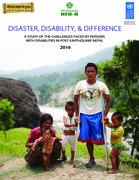
A STUDY OF THE CHALLENGES FACED BY PERSONS WITH DISABILITIES IN POST-EARTHQUAKE
NEPAL.
Contextual factors around the sexual abuse of people with disabilities in East Africa
Mary-Ann Waddell & Rob Aley
Advantage Africa, FIRAH, Resource Center Applied Research and Disability
(2015)
C2
Knowledge based upon a descriptive literature review of applied research
Lessons learnt from the ADCAP programme | This guide shares good practices and challenges that have emerged through the experience of the Age and Disability Capacity Programme (ADCAP) implementing
...
partners, in embedding inclusion of older people and people with disabilities within their humanitarian policies and practices. All mainstream and specialist organisations engaged in humanitarian responses can learn and benefit from this experience. This guide complements the ‘Humanitarian inclusion standards for older people and people with disabilities’ (see Appendix 4), by documenting practices that will help humanitarian organisations to systematically include older people and people with disabilities.
more
