
Filter
569
Filtered Results: 569
Text search:
Republic
of
Namibia
Featured
Recommendations
39
New Publications
131
Language
Document type
No document type
316
Studies & Reports
161
Guidelines
36
Manuals
18
Strategic & Response Plan
14
Infographics
9
Fact sheets
7
Situation Updates
5
Training Material
2
Resource Platforms
1
Countries / Regions
Namibia
85
Global
42
Africa
42
Zambia
24
South Africa
21
East and Southern Africa
13
Malawi
12
Congo, Democratic Republic of
12
Botswana
11
Kenya
8
Uganda
8
Zimbabwe
7
Mozambique
7
West and Central Africa
7
Ethiopia
6
Liberia
6
Tanzania
5
India
5
Lesotho
4
Rwanda
4
Senegal
4
Latin America and the Carribbean
4
Eswatini/ Swaziland
4
Ghana
3
Nigeria
3
Guinea
3
Asia
3
Middle East and North Africa
3
Southern Africa
3
Angola
3
Chad
3
Sierra Leone
2
Cameroon
2
Philippines
2
South–East Asia Region
2
Mali
2
South Sudan
2
Indonesia
2
North Korea
1
Nepal
1
Benin
1
Gambia
1
Togo
1
Syria
1
Iran
1
Laos
1
Afghanistan
1
Vanuatu
1
Jordan
1
Germany
1
Western Pacific Region
1
Eastern Europe and Central Asia
1
Western and Central Europe
1
Mauritius
1
Côte d’Ivoire / Ivory Coast
1
Papua New Guinea
1
Russia
1
Sudan
1
Iraq
1
Somalia
1
Ecuador
1
Solomon Islands
1
Myanmar / Burma
1
Madagascar
1
Pakistan
1
Authors & Publishers
Publication Years
Category
Countries
207
Public Health
41
Clinical Guidelines
30
Women & Child Health
24
Key Resources
18
Capacity Building
7
Pharmacy & Technologies
4
Toolboxes
HIV
125
TB
30
Disability
30
Mental Health
27
COVID-19
27
NTDs
20
Global Health Education
19
Health Financing Toolbox
16
Planetary Health
13
Malaria
9
Natural Hazards
8
AMR
8
Refugee
7
Caregiver
7
NCDs
6
Rapid Response
5
2.0 Rapid Response
5
Pharmacy
4
Conflict
4
Cholera
3
Specific Hazards
2
Ebola & Marburg
2
Zika
2
Social Ethics
1
Polio
1
Every day, fake medicines and medical products are sold at street corners, in open air markets or on unregulated websites in several countries in the African Region. These poor quality, unsafe medicines and pharmaceutical products promote drug resistance and lead to loss of confidence in health prof...
VOX Sanguinis, 2021:
The coronavirus disease 2019 (COVID-19) affected millions of people worldwide and caused disruptions at the global level including in healthcare provision. Countries of the WHO African region have put in place measures for the COVID-19 pandemic containment that may adversely a...

The State of the World's Midwifery
Contraception and Family Planning, Preventing Unsafe Abortion and Accessing Postabortion Care, and Maternal Health
Discussion paper initially prepared in April 2015 to facilitate feedback, and finalized after the
June 2015 meeting of WHO’s Strategic and Technical Advisory Group for TB (STAG-TB).

www.jogh.org • doi: 10.7189/jogh.02.020405 ~ December 2012 • Vol. 2 No. 2 • 020405
Country Profile

The APCA Atlas provides the most up-to-date information of palliative care development in nearly all countries in Africa, using indicators derived, rated, and chosen by in-country African experts followed by a thorough Delphi consensus process with a panel of international experts on palliative care...

Africa is off track to reach the Sustainable Development Goals by 2030 and lags behind in building resilient health systems
and health security, against a backdrop of limited resources. The world envisaged a significant role for governments
in funding the Sustainable Development Agenda, but inadeq...
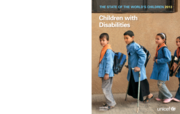
The State of the World’s Children 2013: Children with Disabilities examines the barriers – from inaccessible buildings to dismissive attitudes, from invisibility in official statistics to vicious discrimination – that deprive children with disabilities of their rights and keep them from partic...

State of Health in the WHO African Region
recommended
This report is not a country scorecard. Rather, its purpose is to act as a compass to guide progress towards health in the SDGs.
There has been a significant improvement in the state of health in the region with healthy life expectancy - time spent in full health - in the region increasing from 50...
