
Filter
2347
Text search:
Epidemiological
Surveillance
Featured
263
590
Language
Document type
1024
453
432
165
144
56
31
29
7
2
2
1
Countries
128
97
73
69
60
56
51
49
38
38
37
37
31
30
29
28
25
24
23
22
21
21
20
19
18
17
17
17
17
16
15
14
14
14
13
13
13
12
12
12
10
10
10
9
9
9
9
9
8
8
8
8
7
7
7
7
6
6
6
6
6
5
5
5
5
4
4
4
4
4
4
4
4
4
4
4
4
4
3
3
3
3
3
3
3
3
3
3
3
3
2
2
2
2
2
2
2
2
2
2
2
2
2
2
1
1
1
1
1
1
1
1
1
1
1
1
1
1
1
1
1
1
1
1
1
1
1
1
1
1
1
1
Authors & Publishers
Publication Years
Category
786
237
146
111
50
31
26
Toolboxes
301
199
193
130
105
92
86
85
76
66
58
53
53
43
38
30
27
23
23
19
18
18
11
7
2
2
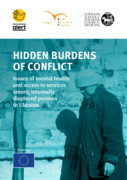
Some 32% of internally displaced persons (IDPs) in Ukraine suffer from post-traumatic stress disorder (PTSD) as a result of the conflict in the east.
Among the 2,203 respondents surveyed across Ukraine, the study also found a high prevalence of mental disorders such as depression (22%) and anxiety
...
BJPSYCH INTERNATIONALVOLUME 12NUMBER 4NOVEMBER 2015
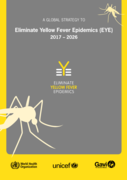
The EYE strategy is a comprehensive and long-term strategy built on lessons learned that aims at ending yellow fever epidemics by 2026, and consists of three strategic objectives:
protect at-risk populations;
prevent international spread; and
contain outbreaks rapidly.

Клинический протокол для Европейского региона ВОЗ
В помощь руководи*телям и практикующим врачам приведены конкретные меры, направ*ленные на улучшение медицинской помощи и обеспечение равногодоступа к не
...
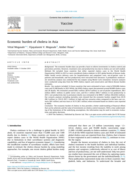
https://doi.org/10.1016/j.vaccine.2019.09.099
The article "Economic burden of cholera in Asia" examines the financial impact of cholera in 14 Asian countries. It analyzes costs related to treatment, out-of-pocket expenses, and lost productivity due to illness and premature deaths. The study estimat
...
The GHS Index is intended to be a key resource in the face of increasing risks of high-consequence and globally catastrophic biological events and in light of major gaps in international financing for preparedness. These risks are magnified by a rapidly changing and interconnected world; increasing
...
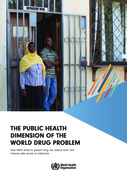
How WHO works to prevent drug use, reduce harm and improve safe access to medicines

2010/4 Vol. 22 | pages 425 à 435
ISSN 0995-3914
La reproduction ou représentation de cet article, notamment par photocopie, n'est autorisée que dans les
limites des conditions générales d'utilisation du site ou, le cas échéant, des conditions générales de la
licence souscrite par votr
...
To date, Samoa, Tonga, Fiji and American Samoa have reported measles cases. The outbreaks in Samoa and Tonga are caused by the D8 strain (genotype) of measles virus. Measles vaccine coverage varies in Pacific island countries and areas, ranging from 31% in Samoa to 99% in the Cook Islands, Nauru and
...

Nature Reviews Microbiology Vol. 17 (2019)pp.51-62
Antimicrobial susceptibility testing (AST) technologies help to accelerate the
initiation of targeted antimicrobial therapy for patients with infections and could potentially
extend the lifespan of current narrow- spectrum antimicrobials. Althoug
...

Standard Treatment Guidelines

This document provides additional guidance for the responsible and prudent use of antimicrobials in food-producing animals, and should be read in conjunction with the Recommended International Code of Practice for Control of the Use of Veterinary Drugs CAC/RCP 38-1993. Its objectives are to minimize
...

The extensive use of antimicrobials in human and veterinary medicine in recent years has accelerated the emergence and spread of resistant microorganisms. This situation has been worsened by the lack of investment in developing new effective antibiotics. The severity of the consequences is clear to
...
Antimicrobial resistance (AMR) both in human and veterinary medicine has reached alarming levels in
most parts of the world and has now been recognized as a significant emerging threat to global public
health and food security. In June 2015, the Food and Agriculture Organization of the United Nati
...
