
Filter
2204
Text search:
damage
assessment
Featured
271
654
Language
2150
47
36
28
25
17
12
7
5
5
4
4
3
3
3
3
3
3
3
3
3
2
2
2
2
2
2
2
2
2
2
2
2
2
2
2
1
1
1
1
1
1
1
1
1
1
1
1
1
1
1
1
1
1
1
1
Document type
1175
340
338
156
74
59
30
17
5
3
3
3
1
Countries / Regions
120
100
64
56
47
45
42
35
35
32
32
32
31
30
27
27
25
24
22
22
21
19
17
16
15
14
13
12
12
11
11
11
10
9
9
8
7
7
7
7
6
6
6
5
5
5
5
5
4
4
4
4
4
4
4
4
4
4
3
3
3
3
3
3
2
2
2
2
2
2
2
2
2
2
2
2
2
2
2
2
2
2
2
2
2
2
1
1
1
1
1
1
1
1
1
1
1
1
1
1
1
1
1
1
1
1
1
1
1
1
1
1
Authors & Publishers
282
87
69
60
44
42
38
27
20
20
19
14
13
13
12
12
12
11
11
11
11
11
10
10
10
9
8
8
8
8
8
7
7
7
7
7
7
7
7
7
7
7
6
6
6
6
6
6
6
6
5
5
5
5
5
5
5
5
5
5
5
5
4
4
4
4
4
4
4
4
4
4
4
4
4
4
4
4
4
4
4
4
4
3
3
3
3
3
3
3
3
3
3
3
3
3
3
3
3
3
3
3
3
3
3
3
3
3
3
3
3
3
3
3
3
3
3
3
3
3
3
3
3
3
3
3
3
3
3
3
3
3
3
3
3
3
3
3
3
2
2
2
2
2
2
2
2
2
2
2
2
2
2
2
2
2
2
2
2
2
2
2
2
2
2
2
2
2
2
2
2
2
2
2
2
2
2
2
2
2
2
2
2
2
2
2
2
2
2
2
2
2
2
2
2
2
2
2
2
2
2
2
2
2
2
2
2
2
2
2
2
2
2
2
2
2
2
2
2
2
2
2
2
2
2
2
2
2
2
2
2
2
2
2
2
2
2
2
2
2
2
2
2
2
2
2
2
2
2
2
2
2
2
2
2
2
2
2
2
2
2
2
2
2
2
2
2
2
2
2
2
2
2
2
1
1
1
1
1
1
1
1
1
1
1
1
1
1
1
1
1
1
1
1
1
1
1
1
1
1
1
1
1
1
1
1
1
1
1
1
1
1
1
1
1
1
1
1
1
1
1
1
1
1
1
1
1
1
1
1
1
1
1
1
1
1
1
1
1
1
1
1
1
1
1
1
1
1
1
1
1
1
1
1
1
1
1
1
1
1
1
1
1
1
1
1
1
1
1
1
1
1
1
1
1
1
1
1
1
1
1
1
1
1
1
1
1
1
1
1
1
1
1
1
1
1
1
1
1
1
1
1
1
1
1
1
1
1
1
1
1
1
1
1
1
1
1
1
1
1
1
1
1
1
1
1
1
1
1
1
1
1
1
1
1
1
1
1
1
1
1
1
1
1
1
1
1
1
1
1
1
1
1
1
1
1
1
1
1
1
1
1
1
1
1
1
1
1
1
1
1
1
1
1
1
1
1
1
1
1
1
1
1
1
1
1
1
1
1
1
1
1
1
1
1
1
1
1
1
1
1
1
1
1
1
1
1
1
1
1
1
1
1
1
1
1
1
1
1
1
1
1
1
1
1
1
1
1
1
1
1
1
1
1
1
1
1
1
1
1
1
1
1
1
1
1
1
1
1
1
1
1
1
1
1
1
1
1
1
1
1
1
1
1
1
1
1
1
1
1
1
1
1
1
1
1
1
1
1
1
1
1
1
1
1
1
1
1
1
1
1
1
1
1
1
1
1
1
1
1
1
1
1
1
1
1
1
1
1
1
1
1
1
1
1
1
1
1
1
1
1
1
1
1
1
1
1
1
1
1
1
1
1
1
1
1
1
1
1
1
1
1
1
1
1
1
1
1
1
1
1
1
1
1
1
1
1
1
1
1
1
1
1
1
1
1
1
1
1
1
1
1
1
1
1
1
1
1
1
1
1
1
1
1
1
1
1
1
1
1
1
1
1
1
1
1
1
1
1
1
1
1
1
1
1
1
1
1
1
1
1
1
1
1
1
1
1
1
1
1
1
1
1
1
1
1
1
1
1
1
1
1
1
1
1
1
1
1
1
1
1
1
1
1
1
1
1
1
1
1
1
1
1
1
1
1
1
1
1
1
1
1
1
1
1
1
1
1
1
1
1
1
1
1
1
1
1
1
1
1
1
1
1
1
1
1
1
1
1
1
1
1
1
1
1
1
1
1
1
1
1
1
1
1
1
1
1
1
1
1
1
1
1
1
1
1
1
1
1
1
1
1
1
1
1
1
1
1
1
1
1
1
1
1
1
1
1
1
1
1
1
1
1
1
1
1
1
1
1
1
1
1
1
1
1
1
1
1
1
1
1
1
1
1
1
1
1
1
1
1
1
1
1
1
1
1
1
1
1
1
1
1
1
1
1
1
1
1
1
1
1
1
1
1
1
1
1
1
1
1
1
1
1
1
1
1
1
1
1
1
1
1
1
1
1
1
1
1
1
1
1
1
1
1
1
1
1
1
1
1
1
1
1
1
1
1
1
1
1
1
1
1
1
1
1
1
1
1
1
1
1
1
1
1
1
1
1
1
1
1
1
1
1
1
1
1
1
1
1
1
1
1
1
1
1
1
1
1
1
1
1
1
1
1
1
1
1
1
1
1
1
1
1
1
1
1
1
1
1
1
1
1
1
1
1
1
1
1
1
1
1
1
1
1
1
1
1
1
1
1
1
1
1
1
1
1
1
1
1
1
1
1
1
1
1
1
1
1
1
1
1
1
1
1
1
1
1
1
1
1
1
1
1
1
1
1
1
1
1
1
1
1
1
1
1
1
1
1
1
1
1
1
1
1
1
1
1
1
1
1
1
1
1
1
1
1
1
1
1
1
1
1
1
1
1
1
1
1
1
1
1
1
1
1
1
1
1
1
1
1
1
1
1
1
1
1
1
1
1
1
1
1
1
1
1
1
1
1
1
1
1
1
1
1
1
1
1
1
1
1
1
1
1
1
1
1
1
1
1
1
1
1
1
1
1
1
1
1
1
1
1
1
1
1
1
1
1
1
1
1
1
1
1
1
1
1
1
1
1
1
1
1
1
1
1
1
1
1
1
1
1
1
1
1
1
1
1
1
1
1
1
1
1
1
1
1
1
1
1
1
1
1
1
1
1
1
1
1
1
1
1
1
1
1
1
1
1
1
1
1
1
1
1
1
1
1
1
1
1
1
1
1
1
1
1
1
1
1
1
1
1
1
1
1
1
1
1
1
1
1
1
1
1
1
1
1
1
1
1
1
1
1
1
1
1
1
1
1
1
1
1
1
1
1
1
1
1
1
1
1
1
1
1
1
1
1
1
1
1
1
1
1
1
1
1
1
1
1
1
1
1
1
1
1
1
1
1
1
1
1
1
1
1
1
1
1
1
1
1
1
1
1
1
1
1
1
1
1
1
1
1
1
1
1
1
1
1
1
1
1
1
1
1
1
1
1
1
1
1
1
1
1
1
1
1
1
1
1
1
1
1
1
1
1
1
1
1
1
1
1
1
1
1
1
1
1
1
1
1
1
1
1
1
1
1
1
1
1
1
1
1
1
1
1
1
1
1
1
1
1
1
1
1
1
1
1
1
1
1
1
1
1
1
1
1
1
1
1
1
1
1
1
1
1
1
1
1
1
1
1
1
1
1
1
1
1
1
1
1
1
1
1
1
1
1
1
1
1
1
1
1
1
1
1
1
1
1
1
1
1
1
1
1
1
1
1
1
1
1
1
1
1
1
1
1
1
1
1
1
1
1
1
1
1
1
1
1
1
1
1
1
1
1
1
1
1
1
1
1
1
1
1
1
1
1
1
1
1
1
1
1
1
1
1
1
1
1
1
1
1
1
1
1
1
1
1
1
1
1
1
1
1
1
1
1
1
1
1
1
1
1
1
1
1
1
1
1
1
1
1
1
1
1
1
1
1
1
1
1
1
1
1
1
1
1
1
1
1
1
1
1
1
1
1
1
1
1
1
1
1
1
1
1
1
1
1
1
1
1
1
1
1
1
1
1
1
1
1
1
1
1
1
1
1
1
1
1
1
1
1
1
1
1
1
1
1
1
1
1
1
1
1
1
1
1
1
1
1
1
1
1
1
1
1
1
1
1
1
1
1
1
1
1
1
1
1
1
1
1
1
1
1
1
1
1
1
1
1
1
1
1
1
1
1
1
1
1
1
1
1
1
1
1
1
1
1
1
1
1
1
1
1
1
1
1
1
1
1
1
1
1
1
1
1
1
1
1
1
1
1
1
1
1
1
1
1
1
1
1
1
1
1
1
1
1
1
1
1
1
1
1
1
1
1
1
1
1
1
1
1
1
1
1
1
1
1
1
1
1
1
1
1
1
1
1
1
1
1
1
1
1
1
1
1
1
1
1
1
1
1
1
1
1
1
1
1
1
1
1
1
1
1
1
1
1
1
1
1
1
1
1
1
1
1
1
1
1
1
1
1
1
1
1
1
1
1
1
1
1
1
1
1
1
1
1
1
1
1
1
1
1
1
1
1
1
1
1
1
1
1
1
1
1
1
1
1
1
1
1
1
1
1
1
1
1
1
1
1
1
1
1
1
1
1
1
1
1
1
1
1
1
1
1
1
1
1
1
1
1
1
1
1
1
1
1
1
1
1
1
1
1
1
1
1
1
1
1
1
1
1
1
1
1
1
1
1
1
1
1
1
1
1
1
1
1
1
1
Publication Years
582
1320
280
21
1
Category
726
258
208
108
105
58
37
Toolboxes
164
153
137
134
120
94
80
70
56
54
52
50
49
44
42
41
39
35
34
16
12
10
10
7
5
3
2
These guidelines focus on the provision of PrEP as part of comprehensive combination prevention,
drawing on implementation and research evidence and WHO recommendations.

Populations affected by emergencies are continually at risk of outbreaks of epidemic-prone diseases and other public health hazards. This operational guidance aims to guide decision-making on when and how to implement and strengthen Early Warning Alert and Response (EWAR) in preparation for and resp
...
onse to emergencies. Each module aims to provide updated operational guidance for EWAR practices, which may be more easily understood and applied during emergencies. Through its application, this operational guidance aims to contribute to:
- earlier detection of acute public health events
- earlier and more effective response
- reduced impact of emergencies on health
- increased trust of the population in the (public) health system
- fulfilling our collective commitments to the International Health Regulations (IHR,
2005).
This guidance was developed jointly by 69 experts from more than 20 organizations from global level to country level.
more
WaterAid is an international NGO that provides assistance for safe water supply,
sanitation and hygiene practice in the poor communities in the world.
This reference manual provides in-depth knowledge on the techniques, methodologies and best practices for using geospatial information in support of decision making for disaster risk management for specific hazards
Timor-Leste’s vulnerability to natural hazards means if particular care is not taken in the development of the country’s infrastructure, it will remain at risk to disruption.
Timor-Leste developed the 2008 National Disaster Risk Management Policy, which lays out the government’s vison of ... its disaster management process from the national to the village level. Additionally, through the United Nations Development Program (UNDP), they have conducted national hazards, vulnerability and risk assessments. Through Plan International they have initiated the integration of disaster management education into public schools. Although the Government of Timor-Leste considers DRM as a priority and supports the dissemination of DRM policy to the district levels, the current Strategic Development Plan 2011-2030 of Timor-Leste has not explicitly reflected nor integrated DRM as one of its development priorities. Disaster Management is included in the Strategic Plan Document of MSS 2009-2012. more
Timor-Leste developed the 2008 National Disaster Risk Management Policy, which lays out the government’s vison of ... its disaster management process from the national to the village level. Additionally, through the United Nations Development Program (UNDP), they have conducted national hazards, vulnerability and risk assessments. Through Plan International they have initiated the integration of disaster management education into public schools. Although the Government of Timor-Leste considers DRM as a priority and supports the dissemination of DRM policy to the district levels, the current Strategic Development Plan 2011-2030 of Timor-Leste has not explicitly reflected nor integrated DRM as one of its development priorities. Disaster Management is included in the Strategic Plan Document of MSS 2009-2012. more
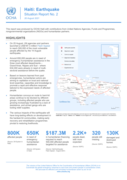
On 25 August, UN agencies and partners launched a US$187.3 million Flash Appeal to reach 500,000 of the most vulnerable people affected by the 14 August earthquake.
Around 650,000 people are in need of emergency humanitarian assistance in the three most affected departments – Grand’Anse, Nipp
...
es and Sud – where 634,000 were already in need of multisectoral assistance before the quake.
Based on lessons learned from past emergencies, humanitarian actors are aiming to capitalize on local and national level expertise, capacities and knowledge to promote a rapid and effective response tailored to the expressed needs of affected people.
more
C’est dans ce contexte particulièrement complexe qu’ONU Femmes et CARE, sous le leadership du Ministère à la Condition féminine et aux Droits des femmes (MCFDF) et en coordination avec la Direction Générale de la Protection Civile (DGPC), ont lancé l’Analyse Rapide Genre qui se veut une
...
évaluation rapide de l’impact du tremblement de terre d’août 2021 sur les femmes, les hommes, les filles et les garçons, incluant les personnes en situation de vulnérabilité, afin d’éclairer la réponse humanitaire en cours en Haïti dans l’immédiat, ainsi que les efforts de redressement à moyen et à long terme. Cette étude est faite en partenariat avec l’Equipe spéciale genre de l’équipe humanitaire en Haiti et a obtenu le soutien financier, technique et logistique des partenaires suivantes : Fondation Toya, IDEJEN, UNFPA, OCHA, OMS/OPS, ONUSIDA, PAM, PNUD, et UNICEF.
La présente étude permet de restituer et de prendre en compte les perspectives des femmes, des hommes, et des jeunes dans les trois départements affectés dans la conception de réponses adaptées et en ligne avec les besoins sexo-spécifiques en tenant compte des situations de vulnérabilité liées au genre, au handicap, à l’âge, et aux autres conditions socio-économiques. Cette étude fait aussi écho aux appels lancés par les organisations de femmes pour une réponse plus sensible au genre et qui prenne en compte leur leadership.
more

The International Federation of Red Cross and Red Crescent Societies (IFRC) is the world’s largest volunteer-based humanitarian network. With our 190 member National Red Cross and Red Crescent Societies worldwide, we are in every community reaching 160.7 million people annually through long-term s
...
ervices and development programmes, as well as 110 million people through disaster response and early recovery programmes. We act before, during and after disasters and health emergencies to meet the needs and improve the lives of vulnerable people. We do so with impartiality as to nationality, race, gender, religious beliefs, class and political opinions.
more
The ‘Toolkit’ is targeted at practitioners responsible for implementing recovery programmes, their objective to provide a ‘how to’ guide on development, implementing and managing complex post-disaster recovery programmes.
Disaster Recovery Toolkit

The strategic priorities of the CCS 2014–2018 are:
(1) Strengthening the health system.
(2) Enhancing the achievement of communicable disease control targets.
(3) Controlling the growth of the noncommunicable disease burden.
(4) Promoting health throughout the life course.
... (5) Strengthening capacity for emergency risk management and surveillance systems for various health threats. more
(1) Strengthening the health system.
(2) Enhancing the achievement of communicable disease control targets.
(3) Controlling the growth of the noncommunicable disease burden.
(4) Promoting health throughout the life course.
... (5) Strengthening capacity for emergency risk management and surveillance systems for various health threats. more

This report provides an overview of the operations and activities of the WHO Country Office in Ukraine in 2023. Despite the acute health impacts of the war in Ukraine, the Country Office continued its work according to its core mandate. WHO supported the Government of Ukraine in managing the health
...
emergency and pursued existing priorities set out in WHO’s Thirteenth General Programme of Work 2019–2023, the European Programme of Work 2020–2025, and the Biennial Collaborative Agreement 2022–2023 signed with the Government of Ukraine. The report presents the achievements of the WHO Country Office in Ukraine in 2023 in the context of the war’s impact on the lives, health, and well-being of Ukrainians.
more
In many countries neonatal tetanus is responsible for half of all neonatal deaths due to vaccine-preventable diseases and for almost 14% of al¡ infant deaths. It is estimated that in the 1970s more than 10,000 newborns died annually from neonatal tetanus in the Americas. Neonatal tetanus is prevent
...
ed by immunization and/or assuring clean delivery and post-delivery practices.
more
Developing protocols for use with refugees
and internally displaced persons

Step-by-step risk management guidance for drinking-water supplies in small communities.
Examples of small-scale disinfection products for safe drinking water
