
Filter
2346
Text search:
High
blood
pressure
Featured
313
595
Language
2290
52
43
37
29
13
12
7
6
5
5
5
5
4
4
3
3
3
3
3
3
3
2
2
2
2
2
2
2
2
2
2
2
2
2
2
1
1
1
1
1
1
1
1
1
1
1
1
1
1
1
1
1
1
1
1
Document type
1168
409
380
179
68
62
43
12
10
8
4
1
1
1
Countries
216
94
89
83
63
57
46
44
43
41
39
36
35
34
32
32
31
29
29
25
23
23
23
21
18
16
15
15
13
11
10
10
10
10
9
9
9
9
8
8
8
8
7
7
7
6
6
6
6
5
5
5
5
4
4
4
4
4
4
3
3
3
3
3
3
3
3
3
2
2
2
2
2
2
2
2
2
2
2
2
2
2
2
2
2
2
2
2
1
1
1
1
1
1
1
1
1
1
1
1
1
1
1
1
1
1
1
1
1
1
1
1
1
1
1
1
1
1
1
Authors & Publishers
317
102
81
77
54
45
42
27
25
25
24
24
21
18
18
17
15
15
14
14
14
13
13
13
11
11
11
11
11
10
10
9
9
9
8
7
7
7
7
7
7
6
6
6
6
6
6
6
6
6
6
6
6
6
6
6
5
5
5
5
5
5
5
5
5
5
5
5
5
5
5
5
5
5
4
4
4
4
4
4
4
4
4
4
4
4
4
4
4
4
4
4
4
4
4
4
4
4
4
3
3
3
3
3
3
3
3
3
3
3
3
3
3
3
3
3
3
3
3
3
3
3
3
3
3
3
3
3
3
3
3
3
3
3
3
3
3
3
3
3
3
3
2
2
2
2
2
2
2
2
2
2
2
2
2
2
2
2
2
2
2
2
2
2
2
2
2
2
2
2
2
2
2
2
2
2
2
2
2
2
2
2
2
2
2
2
2
2
2
2
2
2
2
2
2
2
2
2
2
2
2
2
2
2
2
2
2
2
2
2
2
2
2
2
2
2
2
2
2
2
2
2
2
2
2
2
2
2
2
2
2
2
2
2
2
2
2
2
2
2
2
2
2
2
2
2
2
2
2
2
2
2
2
2
2
2
2
2
2
2
2
2
2
2
2
2
2
2
2
2
2
2
2
2
2
2
2
2
2
2
2
2
2
2
1
1
1
1
1
1
1
1
1
1
1
1
1
1
1
1
1
1
1
1
1
1
1
1
1
1
1
1
1
1
1
1
1
1
1
1
1
1
1
1
1
1
1
1
1
1
1
1
1
1
1
1
1
1
1
1
1
1
1
1
1
1
1
1
1
1
1
1
1
1
1
1
1
1
1
1
1
1
1
1
1
1
1
1
1
1
1
1
1
1
1
1
1
1
1
1
1
1
1
1
1
1
1
1
1
1
1
1
1
1
1
1
1
1
1
1
1
1
1
1
1
1
1
1
1
1
1
1
1
1
1
1
1
1
1
1
1
1
1
1
1
1
1
1
1
1
1
1
1
1
1
1
1
1
1
1
1
1
1
1
1
1
1
1
1
1
1
1
1
1
1
1
1
1
1
1
1
1
1
1
1
1
1
1
1
1
1
1
1
1
1
1
1
1
1
1
1
1
1
1
1
1
1
1
1
1
1
1
1
1
1
1
1
1
1
1
1
1
1
1
1
1
1
1
1
1
1
1
1
1
1
1
1
1
1
1
1
1
1
1
1
1
1
1
1
1
1
1
1
1
1
1
1
1
1
1
1
1
1
1
1
1
1
1
1
1
1
1
1
1
1
1
1
1
1
1
1
1
1
1
1
1
1
1
1
1
1
1
1
1
1
1
1
1
1
1
1
1
1
1
1
1
1
1
1
1
1
1
1
1
1
1
1
1
1
1
1
1
1
1
1
1
1
1
1
1
1
1
1
1
1
1
1
1
1
1
1
1
1
1
1
1
1
1
1
1
1
1
1
1
1
1
1
1
1
1
1
1
1
1
1
1
1
1
1
1
1
1
1
1
1
1
1
1
1
1
1
1
1
1
1
1
1
1
1
1
1
1
1
1
1
1
1
1
1
1
1
1
1
1
1
1
1
1
1
1
1
1
1
1
1
1
1
1
1
1
1
1
1
1
1
1
1
1
1
1
1
1
1
1
1
1
1
1
1
1
1
1
1
1
1
1
1
1
1
1
1
1
1
1
1
1
1
1
1
1
1
1
1
1
1
1
1
1
1
1
1
1
1
1
1
1
1
1
1
1
1
1
1
1
1
1
1
1
1
1
1
1
1
1
1
1
1
1
1
1
1
1
1
1
1
1
1
1
1
1
1
1
1
1
1
1
1
1
1
1
1
1
1
1
1
1
1
1
1
1
1
1
1
1
1
1
1
1
1
1
1
1
1
1
1
1
1
1
1
1
1
1
1
1
1
1
1
1
1
1
1
1
1
1
1
1
1
1
1
1
1
1
1
1
1
1
1
1
1
1
1
1
1
1
1
1
1
1
1
1
1
1
1
1
1
1
1
1
1
1
1
1
1
1
1
1
1
1
1
1
1
1
1
1
1
1
1
1
1
1
1
1
1
1
1
1
1
1
1
1
1
1
1
1
1
1
1
1
1
1
1
1
1
1
1
1
1
1
1
1
1
1
1
1
1
1
1
1
1
1
1
1
1
1
1
1
1
1
1
1
1
1
1
1
1
1
1
1
1
1
1
1
1
1
1
1
1
1
1
1
1
1
1
1
1
1
1
1
1
1
1
1
1
1
1
1
1
1
1
1
1
1
1
1
1
1
1
1
1
1
1
1
1
1
1
1
1
1
1
1
1
1
1
1
1
1
1
1
1
1
1
1
1
1
1
1
1
1
1
1
1
1
1
1
1
1
1
1
1
1
1
1
1
1
1
1
1
1
1
1
1
1
1
1
1
1
1
1
1
1
1
1
1
1
1
1
1
1
1
1
1
1
1
1
1
1
1
1
1
1
1
1
1
1
1
1
1
1
1
1
1
1
1
1
1
1
1
1
1
1
1
1
1
1
1
1
1
1
1
1
1
1
1
1
1
1
1
1
1
1
1
1
1
1
1
1
1
1
1
1
1
1
1
1
1
1
1
1
1
1
1
1
1
1
1
1
1
1
1
1
1
1
1
1
1
1
1
1
1
1
1
1
1
1
1
1
1
1
1
1
1
1
1
1
1
1
1
1
1
1
1
1
1
1
1
1
1
1
1
1
1
1
1
1
1
1
1
1
1
1
1
1
1
1
1
1
1
1
1
1
1
1
1
1
1
1
1
1
1
1
1
1
1
1
1
1
1
1
1
1
1
1
1
1
1
1
1
1
1
1
1
1
1
1
1
1
1
1
1
1
1
1
1
1
1
1
1
1
1
1
1
1
1
1
1
1
1
1
1
1
1
1
1
1
1
1
1
1
1
1
1
1
1
1
1
1
1
1
1
1
1
1
1
1
1
1
1
1
1
1
1
1
1
1
1
1
1
1
1
1
1
1
1
1
1
1
1
1
1
1
1
1
1
1
1
1
1
1
1
1
1
1
1
1
1
1
1
1
1
1
1
1
1
1
1
1
1
1
1
1
1
1
1
1
1
1
1
1
1
1
1
1
1
1
1
1
1
1
1
1
1
1
1
1
1
1
1
1
1
1
1
1
1
1
1
1
1
1
1
1
1
1
1
1
1
1
1
1
1
1
1
1
1
1
1
1
1
1
1
1
1
1
1
1
1
1
1
1
1
1
1
1
1
1
1
1
1
1
1
1
1
1
1
1
1
1
1
1
1
1
1
1
1
1
1
1
1
1
1
1
1
1
1
1
1
1
1
1
1
1
1
1
1
1
1
1
1
1
1
1
1
1
1
1
1
1
1
1
1
1
1
1
1
1
1
1
1
1
1
1
1
1
1
1
1
1
1
1
1
1
1
1
1
1
1
1
1
1
1
1
1
1
1
1
1
1
1
1
1
1
1
1
1
1
1
1
1
1
1
1
1
1
1
1
1
1
1
1
1
1
1
1
1
1
1
1
1
1
1
1
1
1
1
1
1
1
1
1
1
1
1
1
1
1
1
1
1
1
1
1
1
1
1
1
1
1
1
1
1
1
1
1
1
1
1
1
1
1
1
1
1
1
1
1
1
1
1
1
1
1
1
1
1
1
1
1
1
1
1
1
1
1
1
1
1
1
1
1
1
1
1
1
1
1
1
1
1
1
1
1
1
1
1
1
1
1
1
1
1
1
1
1
1
1
1
1
1
1
1
1
1
1
1
1
1
1
1
1
1
1
1
1
1
1
1
1
1
1
1
1
1
1
1
1
1
1
1
1
1
1
1
1
1
1
1
1
1
1
1
1
1
1
1
1
1
1
1
1
1
1
1
1
1
1
1
1
1
1
1
1
1
1
1
1
1
1
1
1
1
1
1
1
1
1
1
1
1
1
1
1
1
1
1
1
1
1
1
1
1
1
1
1
1
1
1
1
1
1
1
1
1
1
1
1
1
1
1
1
1
1
1
1
1
1
1
1
1
1
1
1
1
1
1
1
1
1
1
1
1
1
1
1
1
1
1
1
1
1
1
1
1
1
1
1
1
1
1
1
1
1
1
1
1
1
1
1
1
1
1
1
1
1
1
1
1
1
1
1
1
1
1
1
1
1
1
1
1
1
1
1
1
1
1
1
1
1
1
1
1
1
1
1
1
1
1
1
1
1
1
1
1
1
1
1
1
1
1
1
1
1
1
1
1
1
1
1
1
1
1
1
1
1
1
1
1
1
1
1
1
1
1
1
1
1
1
1
1
1
1
1
1
1
1
1
1
1
1
1
1
1
1
1
1
1
1
1
1
1
1
1
1
1
1
1
1
1
1
1
1
1
1
1
1
1
1
1
1
1
1
1
1
1
1
1
1
1
1
1
1
1
1
1
1
1
1
1
1
1
1
1
1
1
1
1
1
1
1
1
1
1
1
1
1
1
1
1
1
1
1
1
1
1
1
1
1
Publication Years
698
1377
249
20
2
Category
1021
293
191
159
97
75
33
Toolboxes
164
164
153
122
73
67
65
62
55
53
48
47
44
33
33
32
25
24
19
13
12
11
10
8
6
This publication presents a comprehensive methodology to support the Member States of the Pan American Health Organization (PAHO) in preparing for and responding to heat-health risks in the Region of the Americas. It builds on World Health Organization and the World Meteorological Organization globa
...
l documents, as well as on the disaster preparedness methodologies employed throughout the countries of the Region. This publication is part of an effort coordinated by PAHO to support Member States in multihazard preparedness, and includes: early warning system strengthening; threat characterization; activation and deactivation procedure definition; and institutional coordination. It engages different disciplines and recognizes the importance of intersectoral collaboration to respond to heat-health risks. It aims to bring awareness of the impacts of heat on the health of people of the Americas to public health decisionmakers, and thereby strengthen health service provision.
more
tep 1 Competencies have been designed to provide staff with the core skills required to care for a critically ill patient safely, whilst under supervision. It is expected that Step 1 competencies will be completed prior to commencing an academic critical care programme.
Steps 2 & 3 Competencies hav
...
e been designed to further develop your essential critical care skills and will require enhanced theoretical knowledge to underpin your practice. It is anticipated that Steps 2 & 3 competencies will be undertaken whilst undertaking an academic critical care programme.
Step 4 Competencies have been designed to provide staff with the core skills required to take charge in a critical care unit; building management and leadership capability into your professional development, to demonstrate safe and effective coordination and prioritisation of unit workload, workforce and resources.
You can downlaod any of the Steps Competency Documents from this link
more
Saving Lives Through Safe Surgery (SaLTS)
A toolkit for pharmacists.
Emerging data show that medication errors and adverse events cause significant harm to patients’ health and
well-being. It is estimated that the burden of adverse events due to medicines is now comparable to that of
widespread diseases, such as malaria or tuberculosis
...
.1 The impacts of medication errors also represent a
burden for health systems, with the annual cost associated with medication errors estimated at USD 42 billion
worldwideharm
more
The KNAP 2018 - 2022 is the second National Nutrition Action Plan that operationalizes the National Food and Nutrition Security Policy 2012 and its implementation framework (NFNSP-IF) 2017–2022.
The guide is suitable and can be used for the following audiences:
1. nurses and other trained healthcare workers who can use this manual as a self-study tool and then incorporate its guidance into their practice;
2. governmental and non-governmental employers of lay and professional TB treatment
...
adherence workers, who can provide training and guidance to their staff using the guidance in this manual;
3. TB clinicians, programme managers, policy makers and other leaders, to make them aware of the full range of interventions required by a person on TB treatment to complete his or her treatment and thus understand the gap that often exists in the support provided to patients;
4. people who, with enhanced capacity and support, can act as peer counsellors and supporters for people affected by TB. This can include family members who, in most contexts, play an important role in offering support to people with TB.
more
The Lancet Published Online September 13, 2016 http://dx.doi.org/10.1016/S0140-6736(16)31404-0
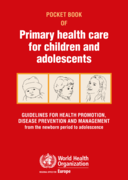
It summarizes guidance on how to manage – and when to refer – children and adolescents presenting with common complaints and conditions. It includes information to enable primary health care providers to coordinate the continued care of children and adolescents with long-term conditions and dise
...
ases managed by specialists. Preventive and promotive measures from the newborn period to adolescence include advice on the timing and content of well-child visits, the promotion of early childhood development and health messages for adolescents.
This Pocket Book aims to improve the diagnosis and management of common conditions in children and adolescents that can be managed at the outpatient level. It helps to improve the use of laboratory and other diagnostic measures and the rational use of essential drugs and equipment.
more
Final Project Report
Int. J. Environ. Res. Public Health 2021, 18(24), 13339; https://doi.org/10.3390/ijerph182413339
The climate crisis threatens to exacerbate numerous climate-sensitive health risks, including heatwave mortality, malnutrition from reduced crop yields, water- and vector-borne infectious diseases, and
...
respiratory illness from smog, ozone, allergenic pollen, and wildfires. Recent reports from the Intergovernmental Panel on Climate Change stress the urgent need for action to mitigate climate change, underscoring the need for more scientific assessment of the benefits of climate action for health and wellbeing.
more
Assessment Report

Self-care interventions are among the most promising and exciting new approaches to improve health and well-being, both from a health systems perspective and for people who use these interventions.
The World Health Organization (WHO) uses the following working definition of self-care: Self-care i
...
s the ability of individuals, families and communities to promote health, prevent disease, maintain health, and cope with illness and disability with or without the support of a health worker. The scope of self-care as described in this definition includes health promotion; disease prevention and control; self-medication; providing care to dependent persons; seeking hospital/specialist/primary care if necessary; and rehabilitation, including palliative care. It includes a range of self-care modes and approaches. While this is a broad definition that includes many activities, it is important for health policy to recognize the importance of self-care, especially where it intersects with health systems and health professionals.
more

This annual report highlights the work of the WHO from January to June 2021 ( December 2021). The activities featured herein are by no means exhausted but implemented with technical and financial support through WHO in Nigeria; facilitated by its presence at all levels of governance (national, state
...
, local government, and wards).
more
Key points for considering adoption of the WHO Labour Care Guide: Policy Brief
World Health Organization WHO
United States Agency for International Development (USAID)
(2022)
C_WHO
To improve the quality of care during labour and childbirth, facilitate effective implementation of the World Health Organization (WHO) recommendations: Intrapartum care for a positive childbirth experience, published in 2018, and promote a shift towards improving the experience of childbirth, WHO d
...
eveloped the WHO Labour Care Guide (LCG) and an accompanying WHO labour care guide: user's manual. The WHO LCG is a tool to facilitate implementation of quality, evidence-based, woman-centred care for a positive childbirth experience within the context of a broader, rights-based approach.
The goal of this policy brief is to provide maternal and newborn health stakeholders and decision-makers with an overview of the WHO LCG and its guiding principles, key advantages of making the shift from the WHO partograph to the WHO LCG, and what is required to ensure an enabling environment that will facilitate a sustainable introduction of the WHO LCG.
more
The socioeconomic factors and public health inadequacies that facilitated the rapid spread of this infection continue to exist. As it is a new and emerging disease it has not received sufficient coverage yet in the medical curricula of Member States. Specific treatment is not available, and there is
...
no vaccine for the prevention of chikungunya fever. It has therefore become imperative to develop guidelines, based on the limited clinical experience gathered from managing patients so far, for appropriate management of patients in communities and in health facilities. Experts engaged in managing patients with chikungunya fever in the Region were brought together by the WHO Regional Office for South-East Asia to outline guidelines for managing various situations and stages of the disease.
The socioeconomic factors and public health inadequacies that facilitated the rapid spread of this infection continue to exist. As it is a new and emerging disease it has not received sufficient coverage yet in the medical curricula of Member States. Specific treatment is not available, and there is no vaccine for the prevention of chikungunya fever. It has therefore become imperative to develop guidelines, based on the limited clinical experience gathered from managing patients so far, for appropriate management of patients in communities and in health facilities. Experts engaged in managing patients with chikungunya fever in the Region were brought together by the WHO Regional Office for South-East Asia to outline guidelines for managing various situations and stages of the disease. This publication is the end result of that exercise and is intended to assist health-care providers in planning and implementing appropriate care to patients with chikungunya fever according to their actual clinical conditions
more
2014-2020, Draft March 2014
Glaucoma is a leading cause of irreversible blindness globally. In Malawi, glaucoma accounts for 15.8% of the blindness among people aged 50 years and above. Blindness from glaucoma is preventable with early detection and timely treatment. However, glaucoma management remains a challenge to eye care
...
providers due to its asymptomatic progression.
These guidelines inform eye care providers about the requirements for early detection of glaucoma, and the appropriate assessment and management of glaucoma patients. The guidelines also demonstrate the need for ophthalmologists to work with secondary-level eye care providers. With
glaucoma being a permanently blinding condition, it is vital to ensure that all eye care providers are adequately equipped with skills and resources for the early detection and management of glaucoma.
more

The Regional Action Framework for Noncommunicable Disease Prevention and Control provides a unified vision of objectives and recommended actions to combat the noncommunicable disease (NCD) epidemic in the Western Pacific Region. Implementation should be supported by cross-sectoral coordination
...
, sustainable financing, evidence-based policy, and community engagement, tailored to each Member State’s unique context. In doing so, Member States are encouraged to transform a disease treatment-centered “sick system” into a “health system” in which a population’s health and well-being enable socioeconomic development.
more
