
Filter
3134
Text search:
safe
hospitals
Featured
343
963
Language
3054
49
44
33
32
14
12
10
5
5
5
5
4
4
4
4
3
3
2
2
2
2
2
2
2
2
2
2
1
1
1
1
1
1
1
1
1
1
1
1
1
1
1
1
1
1
1
1
Document type
1699
473
434
241
141
57
39
29
8
8
4
1
Countries
184
119
102
100
99
90
83
74
74
64
61
61
53
53
52
46
45
43
43
34
31
28
28
27
26
25
24
22
20
19
19
18
17
16
16
15
14
13
13
13
11
11
11
11
9
9
8
8
8
8
8
7
7
7
6
6
6
6
6
5
5
5
5
5
5
4
4
4
4
4
4
4
4
3
3
3
3
3
3
3
3
2
2
2
2
2
2
2
2
2
2
2
2
2
2
2
1
1
1
1
1
1
1
1
1
1
1
1
1
1
1
1
1
1
1
1
1
1
1
1
Authors & Publishers
422
134
89
67
64
63
57
49
22
18
18
17
17
16
16
15
15
15
15
15
15
14
14
13
13
12
12
12
12
12
12
11
11
11
11
10
10
10
10
9
9
9
9
9
8
8
8
8
8
8
8
8
7
7
7
7
7
7
7
7
7
7
7
7
6
6
6
6
6
6
6
6
5
5
5
5
5
5
5
5
5
5
5
5
5
5
5
5
5
5
5
5
5
5
5
5
5
5
5
5
5
5
4
4
4
4
4
4
4
4
4
4
4
4
4
4
4
4
4
4
4
4
4
4
4
4
4
4
4
4
4
4
4
4
4
4
4
4
4
4
4
4
4
4
4
4
3
3
3
3
3
3
3
3
3
3
3
3
3
3
3
3
3
3
3
3
3
3
3
3
3
3
3
3
3
3
3
3
3
3
3
3
3
3
3
3
3
3
3
3
3
3
3
3
3
3
3
3
3
3
3
3
3
3
3
3
3
3
3
3
3
3
3
3
3
3
3
3
3
2
2
2
2
2
2
2
2
2
2
2
2
2
2
2
2
2
2
2
2
2
2
2
2
2
2
2
2
2
2
2
2
2
2
2
2
2
2
2
2
2
2
2
2
2
2
2
2
2
2
2
2
2
2
2
2
2
2
2
2
2
2
2
2
2
2
2
2
2
2
2
2
2
2
2
2
2
2
2
2
2
2
2
2
2
2
2
2
2
2
2
2
2
2
2
2
2
2
2
2
2
2
2
2
2
2
2
2
2
2
2
2
2
2
2
2
2
2
2
2
2
2
2
2
2
2
2
2
2
2
2
2
2
2
2
2
2
2
2
2
2
2
2
2
2
2
2
2
2
2
2
2
2
2
2
1
1
1
1
1
1
1
1
1
1
1
1
1
1
1
1
1
1
1
1
1
1
1
1
1
1
1
1
1
1
1
1
1
1
1
1
1
1
1
1
1
1
1
1
1
1
1
1
1
1
1
1
1
1
1
1
1
1
1
1
1
1
1
1
1
1
1
1
1
1
1
1
1
1
1
1
1
1
1
1
1
1
1
1
1
1
1
1
1
1
1
1
1
1
1
1
1
1
1
1
1
1
1
1
1
1
1
1
1
1
1
1
1
1
1
1
1
1
1
1
1
1
1
1
1
1
1
1
1
1
1
1
1
1
1
1
1
1
1
1
1
1
1
1
1
1
1
1
1
1
1
1
1
1
1
1
1
1
1
1
1
1
1
1
1
1
1
1
1
1
1
1
1
1
1
1
1
1
1
1
1
1
1
1
1
1
1
1
1
1
1
1
1
1
1
1
1
1
1
1
1
1
1
1
1
1
1
1
1
1
1
1
1
1
1
1
1
1
1
1
1
1
1
1
1
1
1
1
1
1
1
1
1
1
1
1
1
1
1
1
1
1
1
1
1
1
1
1
1
1
1
1
1
1
1
1
1
1
1
1
1
1
1
1
1
1
1
1
1
1
1
1
1
1
1
1
1
1
1
1
1
1
1
1
1
1
1
1
1
1
1
1
1
1
1
1
1
1
1
1
1
1
1
1
1
1
1
1
1
1
1
1
1
1
1
1
1
1
1
1
1
1
1
1
1
1
1
1
1
1
1
1
1
1
1
1
1
1
1
1
1
1
1
1
1
1
1
1
1
1
1
1
1
1
1
1
1
1
1
1
1
1
1
1
1
1
1
1
1
1
1
1
1
1
1
1
1
1
1
1
1
1
1
1
1
1
1
1
1
1
1
1
1
1
1
1
1
1
1
1
1
1
1
1
1
1
1
1
1
1
1
1
1
1
1
1
1
1
1
1
1
1
1
1
1
1
1
1
1
1
1
1
1
1
1
1
1
1
1
1
1
1
1
1
1
1
1
1
1
1
1
1
1
1
1
1
1
1
1
1
1
1
1
1
1
1
1
1
1
1
1
1
1
1
1
1
1
1
1
1
1
1
1
1
1
1
1
1
1
1
1
1
1
1
1
1
1
1
1
1
1
1
1
1
1
1
1
1
1
1
1
1
1
1
1
1
1
1
1
1
1
1
1
1
1
1
1
1
1
1
1
1
1
1
1
1
1
1
1
1
1
1
1
1
1
1
1
1
1
1
1
1
1
1
1
1
1
1
1
1
1
1
1
1
1
1
1
1
1
1
1
1
1
1
1
1
1
1
1
1
1
1
1
1
1
1
1
1
1
1
1
1
1
1
1
1
1
1
1
1
1
1
1
1
1
1
1
1
1
1
1
1
1
1
1
1
1
1
1
1
1
1
1
1
1
1
1
1
1
1
1
1
1
1
1
1
1
1
1
1
1
1
1
1
1
1
1
1
1
1
1
1
1
1
1
1
1
1
1
1
1
1
1
1
1
1
1
1
1
1
1
1
1
1
1
1
1
1
1
1
1
1
1
1
1
1
1
1
1
1
1
1
1
1
1
1
1
1
1
1
1
1
1
1
1
1
1
1
1
1
1
1
1
1
1
1
1
1
1
1
1
1
1
1
1
1
1
1
1
1
1
1
1
1
1
1
1
1
1
1
1
1
1
1
1
1
1
1
1
1
1
1
1
1
1
1
1
1
1
1
1
1
1
1
1
1
1
1
1
1
1
1
1
1
1
1
1
1
1
1
1
1
1
1
1
1
1
1
1
1
1
1
1
1
1
1
1
1
1
1
1
1
1
1
1
1
1
1
1
1
1
1
1
1
1
1
1
1
1
1
1
1
1
1
1
1
1
1
1
1
1
1
1
1
1
1
1
1
1
1
1
1
1
1
1
1
1
1
1
1
1
1
1
1
1
1
1
1
1
1
1
1
1
1
1
1
1
1
1
1
1
1
1
1
1
1
1
1
1
1
1
1
1
1
1
1
1
1
1
1
1
1
1
1
1
1
1
1
1
1
1
1
1
1
1
1
1
1
1
1
1
1
1
1
1
1
1
1
1
1
1
1
1
1
1
1
1
1
1
1
1
1
1
1
1
1
1
1
1
1
1
1
1
1
1
1
1
1
1
1
1
1
1
1
1
1
1
1
1
1
1
1
1
1
1
1
1
1
1
1
1
1
1
1
1
1
1
1
1
1
1
1
1
1
1
1
1
1
1
1
1
1
1
1
1
1
1
1
1
1
1
1
1
1
1
1
1
1
1
1
1
1
1
1
1
1
1
1
1
1
1
1
1
1
1
1
1
1
1
1
1
1
1
1
1
1
1
1
1
1
1
1
1
1
1
1
1
1
1
1
1
1
1
1
1
1
1
1
1
1
1
1
1
1
1
1
1
1
1
1
1
1
1
1
1
1
1
1
1
1
1
1
1
1
1
1
1
1
1
1
1
1
1
1
1
1
1
1
1
1
1
1
1
1
1
1
1
1
1
1
1
1
1
1
1
1
1
1
1
1
1
1
1
1
1
1
1
1
1
1
1
1
1
1
1
1
1
1
1
1
1
1
1
1
1
1
1
1
1
1
1
1
1
1
1
1
1
1
1
1
1
1
1
1
1
1
1
1
1
1
1
1
1
1
1
1
1
1
1
1
1
1
1
1
1
1
1
1
1
1
1
1
1
1
1
1
1
1
1
1
1
1
1
1
1
1
1
1
1
1
1
1
1
1
1
1
1
1
1
1
1
1
1
1
1
1
1
1
1
1
1
1
1
1
1
1
1
1
1
1
1
1
1
1
1
1
1
1
1
1
1
1
1
1
1
1
1
1
1
1
1
1
1
1
1
1
1
1
1
1
1
1
1
1
1
1
1
1
1
1
1
1
1
1
1
1
1
1
1
1
1
1
1
1
1
1
1
1
1
1
1
1
1
1
1
1
1
1
1
1
1
1
1
1
1
1
1
1
1
1
1
1
1
1
1
1
1
1
1
1
1
1
1
1
1
1
1
1
1
1
1
1
1
1
1
1
1
1
1
1
1
1
1
1
1
1
1
1
1
1
1
1
1
1
1
1
1
1
1
1
1
1
1
1
1
1
1
1
1
1
1
1
1
1
1
1
1
1
1
1
1
1
1
1
1
1
1
1
1
1
1
1
1
1
1
1
1
1
1
1
1
1
1
1
1
1
1
1
1
1
1
1
1
1
1
1
1
1
1
1
1
1
1
1
1
1
1
1
1
1
1
1
1
1
1
1
1
1
1
1
1
1
1
1
1
1
1
1
1
1
1
1
1
1
1
1
1
1
1
1
1
1
1
1
1
1
1
1
1
1
1
1
1
1
1
1
1
1
1
1
1
1
1
1
1
1
1
1
1
1
1
1
1
1
1
1
1
1
1
1
1
1
1
1
1
1
1
1
1
1
1
1
1
1
1
1
1
1
1
1
1
1
1
1
1
1
1
1
1
1
1
1
1
1
1
1
1
1
1
1
1
1
1
1
1
1
1
1
1
1
1
1
1
1
1
1
1
1
1
1
1
1
1
1
1
1
1
1
1
1
1
1
1
1
1
1
1
1
1
1
1
1
1
1
1
1
1
1
1
1
1
1
1
1
1
1
1
1
1
1
1
1
1
1
1
1
1
1
1
1
1
1
1
1
1
1
1
1
1
1
1
1
1
1
1
1
1
1
1
1
1
1
1
1
1
1
1
1
1
1
1
1
1
1
1
1
1
1
1
1
1
1
1
1
1
1
1
1
1
1
1
1
1
1
1
1
1
1
1
1
1
1
1
1
1
1
1
1
1
1
1
1
1
1
1
1
1
1
1
1
1
1
1
1
1
1
1
1
1
1
1
1
1
1
1
1
1
1
1
1
1
1
1
1
1
1
1
1
1
1
1
1
1
1
1
1
1
1
1
1
1
1
1
1
1
1
1
1
1
1
1
1
1
1
1
1
1
1
1
1
1
1
1
1
1
1
1
1
1
1
1
1
1
1
1
1
1
1
1
1
1
1
1
1
1
1
1
1
1
1
1
1
1
1
1
1
1
1
1
1
1
1
1
1
1
1
1
1
1
1
1
1
1
1
1
1
1
1
1
1
1
1
1
1
1
1
1
1
1
1
1
1
1
1
1
1
1
1
1
1
1
1
1
1
1
1
1
1
1
1
1
1
1
1
1
1
1
1
1
1
1
1
1
1
1
1
1
1
1
1
1
1
1
1
1
1
1
1
1
1
1
1
1
1
1
1
1
1
1
1
1
1
1
1
1
1
1
1
1
1
1
1
1
1
1
1
1
1
1
1
1
1
1
1
1
1
1
1
1
1
1
1
1
1
1
1
1
1
1
1
1
1
1
1
1
1
1
1
1
1
1
1
1
1
1
1
1
1
1
1
1
1
1
1
1
1
1
1
1
1
1
1
1
1
1
1
1
1
1
1
1
1
1
1
1
1
1
1
1
1
1
1
1
1
1
1
1
1
1
1
1
1
1
1
1
1
1
1
1
1
1
1
1
1
1
1
1
1
1
1
1
1
1
1
1
1
1
1
1
1
1
1
1
1
1
1
1
1
1
1
1
1
1
1
1
1
1
1
1
1
1
1
1
1
1
1
1
1
1
1
1
1
1
1
1
Publication Years
851
1905
353
24
1
Category
1380
244
242
177
153
57
28
Toolboxes
283
176
164
143
137
115
105
89
83
78
67
65
59
58
56
48
47
38
29
27
17
16
14
8
6
4
As a new chapter in the response to the world drug problem begins, UNAIDS calls on countries to adopt the recommendations contained within this report, and to rapidly transform those commitments into laws, policies, services and support that allow people who use drugs to live healthy and dignified l
...
ives.
more
BUKO Pharma-Kampagne has investigated the causes and consequences of antibiotic resistance in India, South Africa, Tanzania and Germany. Together with our partners we collected data and did interviews with numerous stakeholders. The outcome is presented in a brochure that is now available in English
...
Resistant bacteria are spreading worldwide. In collaboration with partners in India, Tanzania, South Africa and Germany, we have investigated the causes and consequences of this spread.2 This Pharma-Brief Special presents the results. It examines the risks for humans, animals and the environment. It focuses on local problems and approaches, international interactions and the re-sponsibility of doctors, farmers and consumers.
more
Ineffective Healthcare Technology Management in Benin’s Public Health Sector: The Perceptions of Key Actors and Their Ability to Address the Main Problems
P. Thierry Houngbo, Tjard De Cock Buning, Joske Bunders, Harry L. S. Coleman, Daton Medenou, Laurent Dakpanon†, Marjolein Zweekhorst
International Journal of Health Policy and Management IJHPM
(2017)
C2
Int J Health Policy Manag 2017, 6(10), 587–600
Low-income countries face many contextual challenges to manage healthcare technologies effectively, as the majority are imported and resources are constrained to a greater extent. Previous healthcare technology management (HTM) policies in Benin ha
...
ve failed to produce better quality of care for the population and cost-effectiveness for the government. This study aims to identify and assess the main problems facing HTM in Benin’s public health sector, as well as the ability of key actors within the sector to address these problems.
more
Accessed: 24.11.2019
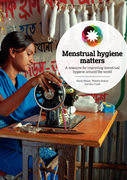
A resource for improving menstraul hygiene around the world.
Comprehensive guidance with examples of good practice, information for colleagues and pupils in class and tips on how to break the taboo
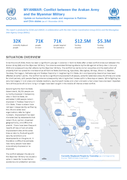
Since the end of 2018, there has been a significant upsurge in violence in Rakhine State after armed conflict broke out between the Arakan Army (AA) and the Myanmar Military. The violence escalated following attacks by the AA against military sites in January 2019 and subsequent counter-attacks by t
...
he Myanmar Military. The conflict has led to civilian casualties and the destruction of property that has spread to nine townships of Rakhine State (Buthidaung, Kyauktaw, Maungdaw, Minbya, Mrauk-U, Myebon, Pauktaw, Ponnagyun, Rathedaung) and Paletwa Township in neighboring Chin State. Ann and Kyaukphyu townships have been affected at certain points. The conflict has led to a significant displacement of people, some for extended amounts of time and some for short periods, with people fleeing violence subsequently returning to their homes within a few days or weeks. While fighting has occurred largely in rural areas and remote locations, key transport routes and urban and semi-urban areas have also been impacted. Tens of thousands of civilians living in villages have been caught in the middle of intense armed conflict.
more
In aquaculture, antibiotics have been used mainly for therapeutic purposes and as prophylactic agents. The contribution to antimicrobial resistance of antibiotics used in aquaculture is reviewed here, using a risk analysis framework. Some recommendations on responsible conduct in this context are pr
...
oposed, aimed at diminishing the threat of build up of antimicrobial resistance.
more

16-24 February 2020

Antimicrobials are precious agents for combating infectious diseases and had saved millions of lives throughout the world. However, the current trend of increasing antimicrobial resistance (AMR) has become a global health problem with increased morbidity and mortality in infectious diseases. Sri La
...
nka is not an exemption and face many health related issues with multidrug resistant (MDR) organisms. Currently there is a global effort in combating antimicrobial resistance. WHO extends its fullest support and plays a major role in motivating the countries to combat antimicrobial resistance with national action plans in place. Sri Lanka has initiated combating AMR with multisectoral collaboration, under one health concept. The development of the National Strategic Plan (NSP) 2017-2022 provides the roadmap to combat AMR.
more
This action plan for the Kingdom Saudi Arabia to combat antimicrobial resistance has been formulated in the line of the WHO five objectives. It addresses the need for effective “one health” approach involving coordination among numerous national sectors and actors, including human and veterinary
...
medicine, agriculture, finance, environment, and well-informed consumers. Therefore, a large committee of all stakeholders was formed with five technical subcommittees were established to addresses every aspect
to contain antimicrobial resistance in the country.
more
The issue of Antimicrobial resistance has become one of the most substantial health issues, prompting the World Health Assembly (WHA) to urge Member States to finalise tailor made national action plans by May 2017, aligning them with objectives of the Global Action Plan (GAP). These cover awareness,
...
surveillance and research, hygiene infection prevention & control, optimal use of antimicrobial medicines and economic case for sustainable investment. Indonesia, by virtue of its geographical terrain and complex interactions with diverse stakeholders, indicates a higher burden of AMR. Most of the country’s data currently relies on local studies conducted by labs and universities. To get a more accurate estimate of the situation, one has to rely on results from the Regional Resistance Surveillance Programme. By undertaking such measure, Indonesia would acquire data to detect AMR trends at a national level.
more
A Guide to the Application of the WHO Multimodal Hand HygieneImprovement Strategy and the “My Five Moments for Hand Hygiene”Αpproach
Confronted with the important issue of patient safety, in 2002 the Fifty-fifth World Health Assembly adopted a resolution urging countries to pay the closest possible attention to the problem and to strengthen safety and monitoring systems. In May 2004, the Fifty-seventh World Health Assembly approv
...
ed the creation of an international alliance as a global initiative to improve patient safety. The World Alliance for Patient Safety was launched in October 2004 and currently has its place in the WHO Patient Safety programme included in the Information, Evidence and Research Cluster.
more

Nepal has only recently started its journey on the path to an integrated response to the challenge of antimicrobial resistance (AMR). Despite this, it is notable that the Nepal Health Sector Strategy Plan (HSSP)-2 mentions growing antibiotic resistanceas a public health challenge.

The product of all this work is the Standard Treatment Guideline and Essential Medicines List of Common Medical Conditions in the Kingdom of Swaziland. These systematically developed statements are designed to assist practitioners in making decisions about appropriate treatment for specific clinical
...
conditions. They are meant to reflect expert consensus based on a review of current and published scientific evidence of acceptable approaches to diagnosis, man-agement, or prevention of specific conditions.It is enlightening to note that section A of the document contains the STG, and effort has been made to have the conditions commonly encountered in Swaziland classified according to systems. Written in simple, clear language, each section consists of a short definition followed by common symptoms and signs of the disease or condition and then management (pharmacological and nonpharmacological)
more
Recommendations from the American Nurses Association/Centers for Disease Control and Prevention Workgroup on the Role of Registered Nurses in Hospital Antibiotic Stewardship Practices
The infectious disease burden in India is among the highest in the world. A large amount of antibiot-ics are consumed in fighting infections, some of them saving lives, but every use adding to antibiotic resistance in bacteria. Antibiotic use is increasing steadily (table 1), particularly
...
certain antibiotic classes (beta-lactam antibacterials), most notably in the more prosperous states. Resistance follows in lock-step.
more
