
Filter
10849
Filtered Results: 10849
Text search:
care
group
Featured
Recommendations
959
New Publications
2736
Language
Document type
No document type
5970
Studies & Reports
1826
Guidelines
1410
Manuals
620
Strategic & Response Plan
373
Training Material
230
Fact sheets
225
Situation Updates
106
Resource Platforms
32
Infographics
26
Brochures
24
Online Courses
5
Dashboards/Maps
1
App
1
Countries / Regions
India
502
Global
456
Kenya
308
South Africa
240
Ethiopia
224
Nepal
202
Sierra Leone
198
Uganda
196
Nigeria
193
Myanmar / Burma
178
Western and Central Europe
177
Liberia
177
Bangladesh
161
Malawi
152
Zambia
150
Tanzania
147
Latin America and the Carribbean
146
Syria
145
Africa
142
Rwanda
135
Ukraine
124
Ghana
123
Namibia
99
Congo, Democratic Republic of
97
Philippines
92
Indonesia
81
South Sudan
79
Zimbabwe
72
Lesotho
70
Eastern Europe
69
South–East Asia Region
66
Russia
63
Mozambique
62
Cambodia
62
Germany
62
Asia
61
Senegal
60
Brazil
60
Haiti
56
Guinea
51
Yemen
48
Venezuela
46
Burkina Faso
45
East and Southern Africa
44
Middle East and North Africa
42
Botswana
42
West and Central Africa
40
Eastern Europe and Central Asia
38
Cameroon
35
Colombia
32
Eswatini/ Swaziland
31
Afghanistan
29
Lebanon
29
Pakistan
27
Sudan
26
Thailand
25
Jordan
25
Central African Republic
23
Madagascar
23
Vietnam
22
Benin
21
Somalia
20
Mali
19
Tajikistan
18
China
18
USA
18
Western Pacific Region
18
Sri Lanka
17
Iraq
17
Peru
15
Turkey
14
Chile
14
Albania
14
Laos
14
Paraguay
14
Moldova
13
Angola
13
Argentina
12
Georgia
12
Côte d’Ivoire / Ivory Coast
11
Palestine
11
Ecuador
11
North Macedonia
10
Papua New Guinea
10
Iran
9
Spain
9
Mexico
8
Burundi
8
Guinea-Bissau
8
Chad
8
Libya
8
Jamaica
7
Southern Africa
7
Timor Leste/ East Timor
6
Kazakhstan
6
Kyrgyzstan
6
Niger
6
Armenia
6
North America
6
United Kingdom
6
Portugal
6
Egypt
6
Greece
6
Serbia
5
Togo
5
Malaysia
5
Hungary
5
Bolivia
5
Romania
5
Poland
5
Switzerland
4
Gambia
4
Canada
4
Estonia
4
Turkmenistan
4
Japan
4
Bhutan
4
El Salvador
3
Singapore
3
Morocco
3
Saudi Arabia
3
Mauritius
3
Tunisia
3
Belarus
3
Guatemala
3
North Korea
2
Fiji
2
Uzbekistan
2
Mongolia
2
Qatar
2
Bulgaria
2
Italy
2
Croatia
2
Lithuania
2
Ireland
2
Gabon
2
Belgium
2
France
2
Azerbaijan
2
Australia
1
Congo-Brazzaville
1
Vanuatu
1
Mauritania
1
Dominican Republic
1
Denmark
1
Maldives
1
Norway
1
South Korea
1
French Guyana
1
Israel
1
Bosnia and Herzegovina
1
Latvia
1
Nicaragua
1
Djibouti
1
Slovakia
1
Honduras
1
Solomon Islands
1
Authors & Publishers
Publication Years
Category
Countries
4065
Clinical Guidelines
758
Women & Child Health
604
Key Resources
590
Public Health
535
Capacity Building
256
Pharmacy & Technologies
90
Annual Report MEDBOX
3
Toolboxes
COVID-19
963
Mental Health
928
HIV
846
TB
532
Disability
463
Caregiver
332
Conflict
330
Ebola & Marburg
301
Planetary Health
285
NTDs
282
AMR
272
Refugee
227
NCDs
202
Rapid Response
180
Pharmacy
166
Global Health Education
161
Natural Hazards
129
Health Financing Toolbox
121
Malaria
113
2.0 Rapid Response
93
Social Ethics
74
Cholera
70
Specific Hazards
57
Zika
53
Polio
39
Typhoon
6
South Sudan
3
Mental Health First Aid Guidelines
Accessed: 14.03.2019
Perspectivas sobre las drogas
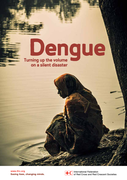
Over the past 50 years, dengue has spread from nine to over a hundred countries, making it the most rapidly spreading vector-borne disease. Yet, dengue continues to have a low profile among policy-makers and donors and does not receive the media attention it deserves. While there is no vaccine or cu...
Muitos países já demonstraram que a transmissão por COVID- 19 de uma pessoa para outra pode ser desacelerada ou interrompida. Essas ações salvaram vidas e deram ao restante do mundo mais tempo para se preparar para a chegada da COVID-19: prontidão dos sistemas de resposta a emergências; aumen...
Preliminary Key Findings from Interviews in Accra on the Ebola Response
The ongoing COVID-19 pandemic has shown that public financial management (PFM) should be an integral part of the response. Effectiveness in financing the health response depends not only on the level of funding but also on the way public funds are allocated and spent, this is determined by the PFM r...
This report looks at how the current implications of COVID-19 is exacerbating key challenges for people who menstruate around the world and provides recommendations on how to include menstrual hygiene management (MHM) within a COVID-19 response.
Over the 20 years that followed, this unique partnership has invested more than US$53 billion, saving 44 million lives and reducing the combined death rate from the three diseases by more than half in the countries in which the Global Fund invests.

The National Integrated Comprehensive Cholera Prevention and Control Plan (2017-2022) outlines Uganda's strategy to reduce cholera cases and mortality by 50% by 2022. The plan focuses on improving access to clean water, sanitation, and hygiene (WASH), strengthening disease surveillance, enhancing ca...

Version 02, veröffentlicht am 23.12.2020
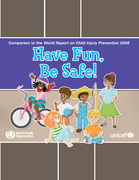
Companion to the World Report on Child Injury Prevention 2008
This child-friendly version of the World report on child injury prevention aims to inform children, aged 7 - 11 years, about various types of injuries and how these may be prevented by using a mixture of facts, puzzles,...
This child-friendly version of the World report on child injury prevention aims to inform children, aged 7 - 11 years, about various types of injuries and how these may be prevented by using a mixture of facts, puzzles,...
The third report in the series Resources for Results published by the UN Office of the Special Envoy on Ebola provides an overview of resources announced and disbursed to countries and agencies as of 31 January 2015. This report is a next step towards more transparency allowing all, especially the g...

This guide aims to provide an overview of successful practice from the field for the disaster risk reduction/management practitioner interested in EWS. It presents guiding principles that will build a strong foundation for the design or strengthening of EWS at any level. It is not an operational, bu...

The health impacts of climate change are no longer a distant threat. They are being felt here and now and becoming more extreme.
To address these threats, the WHO Asia-Pacific Centre for Environment and Health in the Western Pacific Region (ACE) was established in 2019 through a partnership with ...
