
Filter
1246
Text search:
educated
Featured
77
372
Language
Document type
824
194
108
58
24
18
9
4
4
1
1
1
Countries
108
43
41
41
40
33
31
30
29
29
28
26
26
26
25
23
23
20
20
15
14
13
13
12
11
10
10
9
8
8
8
7
7
6
6
5
5
5
5
5
4
4
4
4
4
4
4
4
3
3
3
3
3
3
3
3
3
2
2
2
2
2
2
2
2
2
2
2
1
1
1
1
1
1
1
1
1
1
1
1
1
1
1
1
1
1
1
1
1
1
1
1
1
1
1
1
1
1
1
1
1
1
1
1
1
1
Authors & Publishers
Publication Years
Category
611
84
71
62
49
27
1
Toolboxes
111
89
48
47
45
31
30
27
26
25
22
21
20
19
13
12
10
8
7
5
5
4
3
2
2
2
This study is a theory-driven analysis of the socio-demographic determinants of maternal care seeking in Kenya. Specifically, it examines predisposing, enabling, and need factors potentially associated with use of antenatal care (ANC), health facility delivery, and timely postnatal care (PNC).This s
...
Accessed on 10.03.2021
This law guidebook is a simplified summary of Kenyan disability policy, so that those who have disabilities or are associated with them can be aware of their rights. This guidebook is meant to be an introduction and a simple guide to Kenyan laws that concern people with disa
...
UNAIDS and the World Health Organization have published this updated guidance on ethical considerations in HIV prevention trials. The new guidance is the result of a year-long process that saw more than 80 experts and members of the public give inputs and is published 21 years after the first editio
...
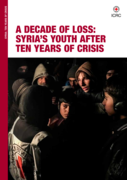
As the crisis in Syria moves into its second decade, a survey commissioned by the International Committee of the Red Cross highlights the heavy price paid by young Syrians.
1,400 Syrians between the ages of 18-25 were surveyed in Syria, Lebanon and Germany. Across the three countries, young peopl
...
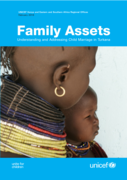
Child marriage is a widespread practice across Turkana, a nomadic pastoralist region in Kenya. This report explores the issue through the voices of those girls affected by it.
Available in English, French and Spanish
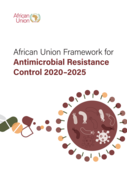
Reports of antimicrobial-resistant (AMR) microorganisms are increasing globally, threatening to render existing treatments ineffective against many infectious diseases. In Africa, AMR has already been documented to be a problem for human immunodeficiency virus (HIV) and the pathogens that cause mala
...
This report describes findings from a telephone survey with 1,333 people conducted in February 2021. The survey examined how people respond to public health and social measures (PHSMs) to prevent COVID-19. The sample is representative of households with access to a landline or cell phone, but does n
...
Children in every country are struggling with the impact of COVID-19. An entire generation has had its education disrupted, from nurseries and pre-primaries to universities and apprenticeships

The report “Build back fairer: achieving health equity in the Eastern Mediterranean Region” provides ground breaking insights into the state of health inequities in the Region and urges countries to take action to address the social determinants of health to reverse the worsening trend of inequi
...
This publication summarizes the facilitators and barriers that will be encountered in the deinstitutionalization process and identifies useful and proven interventions in Latin American and Caribbean countries. Four areas of work are identified with the respective guidelines or suggestions for actio
...
COVID-19 is a pandemic that is currently ravaging the world. Infection rate is steadily increasingin Sub-Saharan Africa. Pregnant women and their infants may suffer severe illnesses due to theirlower immunity. This guideline prepares and equips clinicians working in the maternal and new-born section
...
Bangladesh has been going through incremental trend of GDP growth rates for a long time. The GDP is the key aspect to measure the economic growth of a country. But the current world wide pandemic due to the COVID-19 hardly affects the world’s economy as well as Bangladesh. The present
...
Workplaces outside of healthcare facilities can be also settings for transmission of COVID-19. Outbreaks of COVID-19 has been reported in various types of workplaces and job categories.
All workers should be protected from acquiring COVID-19 because of their work. The prevention of COVID-19 in
...
A new brief published by the IFRC and Climate Centre today details the adverse impacts of climate change on human health and provides more detail on the second of four pillars of action in the Red Cross Red Crescent Movement ambitions on climate.
Background paper 8
The Independent Panel for Pandemic Preparedness and Response
May 2021
Background paper 9
The Independent Panel for Pandemic Preparedness and Response
May 2021
Annals of Global Health, 87(1), p.43. DOI: http://doi.org/10.5334/aogh.3269;
The aim of this study was to examine the prevalence of mental health symptoms (anxiety, depression, and stress) in Bangladesh and the factors associated with these symptoms during the COVID-19 pandemic.
They found that
...
Tuberculosis (TB) is, and should be, a curable disease; however, each year significant numbers of patients acquire or develop drug-resistant TB, which has a much lower cure rate. Patients with drug-resistant TB have a high prevalence of symptoms; hence, staff caring for these patients should h
...
