Filter
1432
Text search:
jobs
Featured
93
355
Language
Document type
753
357
101
66
65
32
27
18
4
4
3
2
Countries
77
55
45
43
40
37
37
35
28
27
26
24
23
22
21
21
21
18
17
16
15
14
14
13
12
12
12
11
11
10
10
10
10
10
9
9
9
9
8
8
7
7
7
7
6
6
6
6
6
5
5
5
5
5
5
5
4
4
4
4
3
3
3
3
3
3
3
3
3
3
3
3
2
2
2
2
2
2
2
2
2
2
2
2
2
2
1
1
1
1
1
1
1
1
1
1
1
1
1
1
1
1
1
1
1
1
1
1
1
1
1
1
1
1
1
Authors & Publishers
Publication Years
Category
570
97
68
50
36
29
4
Toolboxes
186
131
107
89
83
80
52
45
43
32
29
25
24
21
18
16
12
11
9
6
6
5
3
2
1
1
Afghanistan has one of the largest populations per capita of persons with disabilities in the world. At least one in five Afghan households includes an adult or child with a serious physical, sensory, intellectual, or psychosocial disability. More than 40 years of war have left more than one million
...
The equation is simple: we cannot effectively respond to a global pandemic when millions of people are still caught in warzones. We cannot treat sick people when hospitals are being bombed, or prevent the spread of coronavirus when tens of millions are forced to flee from violence. We must have a gl
...
RMRP 2020 - Regional Refugee and Migrant Response Plan for Refugees and Migrants from Venezuela 2020
The Venezuelan refugee and migrant crisis is one of the biggest external displacement crises in the world today. The COVID-19 pandemic has compounded an already desperate situation for many refugees and migrants, as well as their hosts, sorely testing health and social welfare systems and the abilit
...
It is too early to know the full impact of COVID-19 on Africa. To date the experience has been varied. There are causes for concern, but also reasons for hope. Early estimates were pessimistic regarding the pandemic’s impact on the continent. But the relatively low numbers of COVID-19 cases report
...
Prescriptions and Actionables for a Healthy and Green Recovery.
The practical steps outlined in this report aim at creating a healthier, fairer and greener world while investing to maintain and resuscitate the economy hit by the effects of COVID-19.
Policy makers, national and local decision-make
...

This document provides guidance to African Union Member States on key mental health and psychosocial support (MHPSS) considerations in relation to the coronavirus disease 2019 (COVID-19) pandemic. It contains useful guidance on MHPSS for the community, healthcare workers, caregivers of vulnerable po
...
Policy Brief 2 June 2020
The COVID-19 pandemic is a health and human crisis threatening the food security and nutrition of millions of people around the world. Hundreds of millions of people were already suffering from hunger and malnutrition before the virus hit and, unless immediate action is tak
...
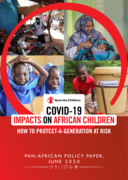
This policy paper underscores that, although children do not represent a high-risk group for direct COVID-19 fatality, the pandemic posts far-reaching secondary impacts that heighten risks to African children’s rights and wellbeing.
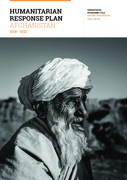
The arrival of COVID-19 in Afghanistan has brought heartache to millions of people who are now battling a deadly pandemic while simultaneously fighting for their survival amid poverty, disaster and war. Over my three years as Humanitarian Coordinator, I have marvelled at the resilience of the people
...
Early Childhood Matters is a journal about early childhood.
It looks at specific issues regarding the development
of young children, in particular from a psychosocial
perspective.
It is published twice per year by the Bernard
van Leer Foundation. The views expressed in Early Childhood
Matters
...
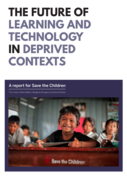
This report addresses the future of basic education, ICT use in deprived locations, and the use of ICTs in primary school learning in 2020 and 2025, especially in deprived contexts. It draws on research evidence from the literature, the authors’ experiences of ICT use in education initiatives, int
...
Strategic Advice

The COVID-19 pandemic is having far reaching impacts, well beyond the health crisis and needs, with the most severe impacts experienced in the poorest countries and those most vulnerable to humanitarian crises including natural disasters, such as Nepal.
God. XXIX, BR. 2/2016. str. 323-334
In this paper an attempt has been made to contextualize the ecological dimension of contemporary Catholic
social teaching. With this aim in mind, the authors discuss the merits of several theories and approaches
(political economy approaches, ecological moderni
...
The United Nations Network on Migration is committed to supporting all partners in pursuit of the implementation of the Global Compact for Safe, Orderly and Regular Migration, recognizing that this cooperative framework provides an invaluable tool for ensuring inclusive, collective responses to COVI
...
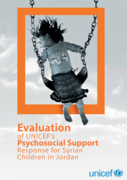
This evaluation report of UNICEF’s Psychosocial Support Response for Syrian Children in Jordan was conducted by
Antares Foundation team (Albertien van der Veen, Reem AbuKishk, Shadi Bushnaq, Orso Muneghina, Reem Rawdha
and Tineke van Pietersom) under the supervision of guidance Farhod Kamidov, M
...

This technical guidance outlines current evidence, knowledge and best practice relating to incidences of violence and injuries among refugees and migrants in the WHO European Region. It highlights key principles, summarizes priority actions and challenges, maps existing international commitments and
...
Guidelines for the development and implementation of institution-specific protection concepts