
Filter
3235
Text search:
hygiene
practices
Featured
384
901
Language
3095
78
55
42
41
24
13
11
8
7
6
6
4
3
3
3
3
3
3
2
2
2
2
2
2
2
2
1
1
1
1
1
1
1
1
1
1
1
1
1
1
1
1
1
1
1
1
Document type
1523
557
516
239
164
80
79
41
17
7
5
4
3
Countries
142
134
105
104
87
75
70
69
63
62
60
57
57
49
45
45
41
38
35
33
32
31
31
31
30
27
25
25
23
23
21
19
19
18
17
17
16
16
16
12
12
12
11
11
11
10
10
10
9
9
9
9
9
9
9
8
8
8
7
7
6
6
5
5
5
5
4
4
4
4
4
4
4
4
3
3
3
3
3
3
3
3
3
3
3
2
2
2
2
2
2
2
2
2
2
1
1
1
1
1
1
1
1
1
1
1
1
1
1
1
1
1
1
1
1
1
1
1
1
1
1
Authors & Publishers
499
130
105
80
76
73
55
52
51
22
21
19
19
17
17
17
16
16
16
15
15
15
14
14
13
13
13
12
12
12
12
11
11
11
9
9
9
9
9
9
9
9
9
9
8
8
8
8
8
8
8
8
7
7
7
7
7
7
7
7
7
7
7
7
7
7
7
6
6
6
6
6
6
6
6
6
6
6
6
6
6
6
6
6
6
6
5
5
5
5
5
5
5
5
5
5
5
5
5
5
5
5
5
5
5
5
4
4
4
4
4
4
4
4
4
4
4
4
4
4
4
4
4
4
4
4
4
4
4
4
4
4
4
4
4
4
4
4
4
4
4
4
4
4
4
4
4
4
3
3
3
3
3
3
3
3
3
3
3
3
3
3
3
3
3
3
3
3
3
3
3
3
3
3
3
3
3
3
3
3
3
3
3
3
3
3
3
3
3
3
3
3
3
3
3
3
3
3
3
3
3
3
3
3
3
3
3
3
3
3
3
3
2
2
2
2
2
2
2
2
2
2
2
2
2
2
2
2
2
2
2
2
2
2
2
2
2
2
2
2
2
2
2
2
2
2
2
2
2
2
2
2
2
2
2
2
2
2
2
2
2
2
2
2
2
2
2
2
2
2
2
2
2
2
2
2
2
2
2
2
2
2
2
2
2
2
2
2
2
2
2
2
2
2
2
2
2
2
2
2
2
2
2
2
2
2
2
2
2
2
2
2
2
2
2
2
2
2
2
2
2
2
2
2
2
2
2
2
2
2
2
2
2
2
2
2
2
2
2
2
2
2
2
2
2
2
2
2
2
2
2
2
2
2
2
2
2
2
2
2
2
2
2
2
2
2
2
2
2
2
2
2
2
2
2
2
2
2
2
2
2
2
2
2
2
2
2
2
2
2
2
2
2
2
2
2
2
2
2
1
1
1
1
1
1
1
1
1
1
1
1
1
1
1
1
1
1
1
1
1
1
1
1
1
1
1
1
1
1
1
1
1
1
1
1
1
1
1
1
1
1
1
1
1
1
1
1
1
1
1
1
1
1
1
1
1
1
1
1
1
1
1
1
1
1
1
1
1
1
1
1
1
1
1
1
1
1
1
1
1
1
1
1
1
1
1
1
1
1
1
1
1
1
1
1
1
1
1
1
1
1
1
1
1
1
1
1
1
1
1
1
1
1
1
1
1
1
1
1
1
1
1
1
1
1
1
1
1
1
1
1
1
1
1
1
1
1
1
1
1
1
1
1
1
1
1
1
1
1
1
1
1
1
1
1
1
1
1
1
1
1
1
1
1
1
1
1
1
1
1
1
1
1
1
1
1
1
1
1
1
1
1
1
1
1
1
1
1
1
1
1
1
1
1
1
1
1
1
1
1
1
1
1
1
1
1
1
1
1
1
1
1
1
1
1
1
1
1
1
1
1
1
1
1
1
1
1
1
1
1
1
1
1
1
1
1
1
1
1
1
1
1
1
1
1
1
1
1
1
1
1
1
1
1
1
1
1
1
1
1
1
1
1
1
1
1
1
1
1
1
1
1
1
1
1
1
1
1
1
1
1
1
1
1
1
1
1
1
1
1
1
1
1
1
1
1
1
1
1
1
1
1
1
1
1
1
1
1
1
1
1
1
1
1
1
1
1
1
1
1
1
1
1
1
1
1
1
1
1
1
1
1
1
1
1
1
1
1
1
1
1
1
1
1
1
1
1
1
1
1
1
1
1
1
1
1
1
1
1
1
1
1
1
1
1
1
1
1
1
1
1
1
1
1
1
1
1
1
1
1
1
1
1
1
1
1
1
1
1
1
1
1
1
1
1
1
1
1
1
1
1
1
1
1
1
1
1
1
1
1
1
1
1
1
1
1
1
1
1
1
1
1
1
1
1
1
1
1
1
1
1
1
1
1
1
1
1
1
1
1
1
1
1
1
1
1
1
1
1
1
1
1
1
1
1
1
1
1
1
1
1
1
1
1
1
1
1
1
1
1
1
1
1
1
1
1
1
1
1
1
1
1
1
1
1
1
1
1
1
1
1
1
1
1
1
1
1
1
1
1
1
1
1
1
1
1
1
1
1
1
1
1
1
1
1
1
1
1
1
1
1
1
1
1
1
1
1
1
1
1
1
1
1
1
1
1
1
1
1
1
1
1
1
1
1
1
1
1
1
1
1
1
1
1
1
1
1
1
1
1
1
1
1
1
1
1
1
1
1
1
1
1
1
1
1
1
1
1
1
1
1
1
1
1
1
1
1
1
1
1
1
1
1
1
1
1
1
1
1
1
1
1
1
1
1
1
1
1
1
1
1
1
1
1
1
1
1
1
1
1
1
1
1
1
1
1
1
1
1
1
1
1
1
1
1
1
1
1
1
1
1
1
1
1
1
1
1
1
1
1
1
1
1
1
1
1
1
1
1
1
1
1
1
1
1
1
1
1
1
1
1
1
1
1
1
1
1
1
1
1
1
1
1
1
1
1
1
1
1
1
1
1
1
1
1
1
1
1
1
1
1
1
1
1
1
1
1
1
1
1
1
1
1
1
1
1
1
1
1
1
1
1
1
1
1
1
1
1
1
1
1
1
1
1
1
1
1
1
1
1
1
1
1
1
1
1
1
1
1
1
1
1
1
1
1
1
1
1
1
1
1
1
1
1
1
1
1
1
1
1
1
1
1
1
1
1
1
1
1
1
1
1
1
1
1
1
1
1
1
1
1
1
1
1
1
1
1
1
1
1
1
1
1
1
1
1
1
1
1
1
1
1
1
1
1
1
1
1
1
1
1
1
1
1
1
1
1
1
1
1
1
1
1
1
1
1
1
1
1
1
1
1
1
1
1
1
1
1
1
1
1
1
1
1
1
1
1
1
1
1
1
1
1
1
1
1
1
1
1
1
1
1
1
1
1
1
1
1
1
1
1
1
1
1
1
1
1
1
1
1
1
1
1
1
1
1
1
1
1
1
1
1
1
1
1
1
1
1
1
1
1
1
1
1
1
1
1
1
1
1
1
1
1
1
1
1
1
1
1
1
1
1
1
1
1
1
1
1
1
1
1
1
1
1
1
1
1
1
1
1
1
1
1
1
1
1
1
1
1
1
1
1
1
1
1
1
1
1
1
1
1
1
1
1
1
1
1
1
1
1
1
1
1
1
1
1
1
1
1
1
1
1
1
1
1
1
1
1
1
1
1
1
1
1
1
1
1
1
1
1
1
1
1
1
1
1
1
1
1
1
1
1
1
1
1
1
1
1
1
1
1
1
1
1
1
1
1
1
1
1
1
1
1
1
1
1
1
1
1
1
1
1
1
1
1
1
1
1
1
1
1
1
1
1
1
1
1
1
1
1
1
1
1
1
1
1
1
1
1
1
1
1
1
1
1
1
1
1
1
1
1
1
1
1
1
1
1
1
1
1
1
1
1
1
1
1
1
1
1
1
1
1
1
1
1
1
1
1
1
1
1
1
1
1
1
1
1
1
1
1
1
1
1
1
1
1
1
1
1
1
1
1
1
1
1
1
1
1
1
1
1
1
1
1
1
1
1
1
1
1
1
1
1
1
1
1
1
1
1
1
1
1
1
1
1
1
1
1
1
1
1
1
1
1
1
1
1
1
1
1
1
1
1
1
1
1
1
1
1
1
1
1
1
1
1
1
1
1
1
1
1
1
1
1
1
1
1
1
1
1
1
1
1
1
1
1
1
1
1
1
1
1
1
1
1
1
1
1
1
1
1
1
1
1
1
1
1
1
1
1
1
1
1
1
1
1
1
1
1
1
1
1
1
1
1
1
1
1
1
1
1
1
1
1
1
1
1
1
1
1
1
1
1
1
1
1
1
1
1
1
1
1
1
1
1
1
1
1
1
1
1
1
1
1
1
1
1
1
1
1
1
1
1
1
1
1
1
1
1
1
1
1
1
1
1
1
1
1
1
1
1
1
1
1
1
1
1
1
1
1
1
1
1
1
1
1
1
1
1
1
1
1
1
1
1
1
1
1
1
1
1
1
1
1
1
1
1
1
1
1
1
1
1
1
1
1
1
1
1
1
1
1
1
1
1
1
1
1
1
1
1
1
1
1
1
1
1
1
1
1
1
1
1
1
1
1
1
1
1
1
1
1
1
1
1
1
1
1
1
1
1
1
1
1
1
1
1
1
1
1
1
1
1
1
1
1
1
1
1
1
1
1
1
1
1
1
1
1
1
1
1
1
1
1
1
1
1
1
1
1
1
1
1
1
1
1
1
1
1
1
1
1
1
1
1
1
1
1
1
1
1
1
1
1
1
1
1
1
1
1
1
1
1
1
1
1
1
1
1
1
1
1
1
1
1
1
1
1
1
1
1
1
1
1
1
1
1
1
1
1
1
1
1
1
1
1
1
1
1
1
1
1
1
1
1
1
1
1
1
1
1
1
1
1
1
1
1
1
1
1
1
1
1
1
1
1
1
1
1
1
1
1
1
1
1
1
1
1
1
1
1
1
1
1
1
1
1
1
1
1
1
1
1
1
1
1
1
1
1
1
1
1
1
1
1
1
1
1
1
1
1
1
1
1
1
1
1
1
1
1
1
1
1
1
1
1
1
1
1
1
1
1
1
1
1
1
1
1
1
1
1
1
1
1
1
1
1
1
1
1
1
1
1
1
1
1
1
1
1
1
1
1
1
1
1
1
1
1
1
1
1
1
1
1
1
1
1
1
1
1
1
1
1
1
1
1
1
1
1
1
1
1
1
1
1
1
1
1
1
1
1
1
1
1
1
1
1
1
1
1
1
1
1
1
1
1
1
1
1
1
1
1
1
1
1
1
1
1
1
1
1
1
1
1
1
1
1
1
1
1
1
1
1
1
1
1
1
1
1
1
1
1
1
1
1
1
1
1
1
1
1
1
1
1
1
1
1
1
1
1
1
1
1
1
1
1
1
1
1
1
1
1
1
1
1
1
1
1
1
1
1
1
1
1
1
1
1
1
1
1
1
1
1
1
1
1
1
1
1
1
1
1
1
1
1
1
1
1
1
1
1
1
1
1
1
1
1
1
1
1
1
1
1
1
1
1
1
1
1
1
1
1
1
1
1
1
1
1
1
1
1
1
1
1
1
1
1
1
1
1
1
1
1
1
1
1
1
1
1
1
1
1
1
1
1
1
1
1
1
1
1
1
1
1
1
1
1
1
1
1
1
1
1
1
1
1
1
1
1
1
1
1
1
1
1
1
1
1
1
1
1
1
1
1
1
1
1
1
1
1
1
1
1
1
1
1
1
1
1
1
1
1
1
1
1
1
1
1
1
1
1
1
1
1
1
1
1
1
1
1
1
Publication Years
1100
1822
292
20
1
Category
1211
394
218
182
146
77
20
Toolboxes
418
195
175
153
125
116
114
112
92
88
82
80
76
74
69
59
50
41
24
18
17
13
12
9
3
1
1
This guidance should be followed if an unlicensed medicine is prepared in
a registered pharmacy. The preparation of an unlicensed medicine (for
example unlicensed methadone, or menthol in aqueous cream) in a pharmacy is called ‘extemporaneous preparation’.
The guidance should be read alon
...
gside the standards for registered pharmacies. These aim to create and maintain the right
environment, both organizational and physical, for the safe and effective practice of pharmacy.
By following this guidance, the pharmacy will:
• demonstrate that it meets our standards, and
• provide assurances that the health, safetyand wellbeing of patients and the public are safeguarded
Responsibility for making sure this guidance is followed lies with the pharmacy owner. If the registered pharmacy is owned by a ‘body
corporate’, the directors have responsibility.
Those responsible for the overall safe running of the pharmacy need to take into account the nature of the pharmacy and the range of services
already provided and, most importantly, the needs of patients and members of the public.
more
24 Nov. 2021; This guidance provides considerations and a series of options that can be used to inform country strategies to minimise risk associated with shortages of personal protective equipment (PPE).
Re-use and reprocessing of single use PPE must be a last-resort temporary measure that is impl
...
emented only until stocks are replenished (2).This remains an area of active research and further updates to this evidence base are anticipated.
more

Women and children, especially pregnant girls and women, infants and young children and postpartum women, are populations that are extremely vulnerable in emergencies. Breastfeeding provides children with hydration, comfort, connection, high quality nutrition and protection against disease, shieldin
...
g them from the worst of emergency conditions. This ability has been described as empowering and healing by some breastfeeding women.
more
access free courses in more than 60 languages
The KNAP 2018 - 2022 is the second National Nutrition Action Plan that operationalizes the National Food and Nutrition Security Policy 2012 and its implementation framework (NFNSP-IF) 2017–2022.
Call to action by the Global Leaders Group on Antimicrobial Resistance on reducing antimicrobial discharges from food systems, manufacturing facilities and human health systems into the environment.
This guidance addresses rationale, risk-based scenarios, practical considerations prior to adoption of the self-testing products, quality assurance, safety and ethical considerations, and data management considerations for COVID-19 self-testing. The Africa CDC recommends the use of rapid antigen sel
...
f-testing within two key scenarios. The first includes testing for case identification within scenarios with a high risk of infection, including symptomatic cases and contacts of a confirmed case. The second scenario involves general screening within scenarios of low or unknown risk exposure allowing for self-care such as before gatherings with at-risk individuals and prior to participation in events involving members of different households. Within these scenarios, a positive test result indicates likelihood of current infection, while a negative test result indicates a lower risk of active infection, though it does not rule out infection altogether. All positive cases should be managed following the national COVID-19 management protocol of Member States.ssur
more
نظرة عامّة على التقنيّات المستخدمة لمعالجة النفايات المُعدِية والحادّة الناتجة عن مرافق الرعاية الصحيّة
This document provides an overview of specific health care waste technologies for the treatment of solid
...
infectious and sharp waste. For each technology, details of its operation, effects on the environment and health, requirements for installation, capacities for treating waste, examples of consumables and advantages and disadvantages are described. The document is designed for health care facility administrators and planners, WASH and infection prevention control staff, national planners, donors and partners.
more
Infection prevention and control in the context of coronavirus disease (COVID-19): A living guideline
recommended
This second edition of the Infection prevention and control in the context of coronavirus disease (COVID-19): A living guideline provides the most up to date technical guidance on mask use in community settings in the context of COVID-19.
In this edition, new information includes updated mask re
...
commendations for children in community settings including updated age specific recommendations, statements for children with disabilities and those at high risk for complications related to COVID-19 infection. Updated implementation considerations for mask use in school settings are also included.
This living guideline is being published using the MAGICApp online publishing platform https://app.magicapp.org/#/guideline/Lr2a8L , as well as in PDF copy on the WHO website.
more
Wet markets have been implicated in multiple zoonotic outbreaks, including COVID-19. They are also a conduit for legal and illegal trade in wildlife, which threatens thousands of species. Yet wet markets supply food to millions of people around the world, and differ drastically in their physical com
...
position, the goods they sell, and the subsequent risks they pose. As such, policy makers need to know how to target their actions to efficiently safeguard human health and biodiversity without depriving people of ready access to food.
more
This brief summarizes the lessons learned across Europe on the redevelopment of contaminated sites as a part of urban planning and renewal. Specifically, it aims to provide information on the health and environmental impacts to be considered during site redevelopment projects, and to identify good p
...
ractice and relevant local experiences to support effective, healthy and sustainable redevelopment of contaminated sites. As such, this brief offers key messages to support the work of local decision-makers, planners, practitioners, researchers and civil society organizations.
more
Compared with other health areas, the mental health impacts of climate change have received less research attention. The literature on climate change and mental health is growing rapidly but is characterised by several limitations and research gaps. In a field where the need for designing evidence-b
...
ased adaptation strategies is urgent, and research gaps are vast, implementing a broad, all-encompassing research agenda will require some strategic focus.
more
22 April 2022, This document provides updated interim recommendations on the use of masks by health workers providing care to patients with suspected or confirmed COVID-19. This update is prompted by new evidence around mask use and COVID-19 transmission, as well as the emergence of variants of conc
...
ern including Omicron. Masks continue to be a critical tool to prevent the spread of COVID-19. These interim guidelines supersede the recommendations provided in the WHO recommendations on mask use by health workers, in light of the Omicron variant of concern published on 22 December 2022.
WHO continually evaluates the emerging evidence and will review these interim recommendations within two months and issue new guidance as needed.
more

Constraints, Technologies, Policies and Processes
Combined questionnaire Core
Transmission-based precautions for the prevention and control of infections: aide-memoire
recommended
Transmission-based precautions (TBP) are used in addition to standard precautions for patients with known or suspected infection or colonization with transmissible and/or epidemiologically significant pathogens. The type of TBP assigned to a patient depends on the transmission route of the microorga
...
nism: contact, droplet, or airborne. The following aide-memoire provides important advice for implementation and key elements on TBP in health care.
more
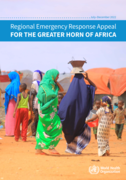
The Greater Horn of Africa is experiencing one of the worst food insecurity situations in decades. It is estimated
that more than 37 million people are in Integrated Food Security Phase Classification (IPC)1 phase 3 or above and approximately 7 million children under the age of five are acutely mal
...
nourished in the region. While finding food and safe water is the absolute priority, the health response is essential to avert preventable disease and death.
more
Peru − Progress in health and sciences in 200 years of independence
Carrillo-Larco; R.M.; Guzman-Vilca, W. C.; Leon-Velarde, F.; et al.
The Lancet Regional Health - Americas
(2021)
CC
Peru celebrates 200 years of independence in 2021. Over this period of independent life, and despite the turbulent socio-political scenarios, from internal armed conflict to economic crisis to political instability over the last 40 years, Peru has experienced major changes on its epidemiological and
...
population health profile. Major advancements in maternal and child health as well as in communicable diseases have been achieved in recent decades, and today
Peru faces an increasing burden of non-communicable diseases including mental health conditions. In terms of the configuration of the public health system, Peru has also strived to secure country-wide optimal health care, struggling in particular to improve primary health care and intercultural services.
more
Assessment in English on South Sudan about Education, Food and Nutrition, Drought, Epidemic and more; published on 22 Jul 2022 by IOM
