
Filter
1904
Text search:
WHO
Country
Office
for
India
Featured
Recommendations
165
New Publications
531
Language
Document type
No document type
1047
Studies & Reports
386
Guidelines
232
Manuals
105
Strategic & Response Plan
54
Fact sheets
25
Training Material
22
Situation Updates
16
Resource Platforms
11
Infographics
4
Brochures
1
App
1
Countries / Regions
India
244
Global
122
Nepal
74
Myanmar / Burma
47
South–East Asia Region
46
Asia
41
Bangladesh
40
Ethiopia
24
Kenya
23
Syria
21
South Africa
20
Nigeria
18
Philippines
16
Pakistan
16
Indonesia
16
Africa
16
Uganda
15
Western and Central Europe
14
Sierra Leone
13
Zambia
12
Tanzania
12
Malawi
11
Ukraine
11
Liberia
10
Afghanistan
9
Mozambique
9
Latin America and the Carribbean
9
Ghana
8
Somalia
7
South Sudan
7
Thailand
7
China
7
Sri Lanka
7
Congo, Democratic Republic of
6
Haiti
6
Cambodia
6
Colombia
6
Yemen
6
Eastern Europe
6
Namibia
5
Brazil
5
Russia
5
Senegal
4
Rwanda
4
Central African Republic
4
Western Pacific Region
4
Eastern Europe and Central Asia
4
Venezuela
4
Laos
4
Vietnam
4
Mali
3
USA
3
Zimbabwe
3
Iraq
3
Lebanon
3
Argentina
3
Peru
3
Mexico
3
Palestine
3
Timor Leste/ East Timor
3
Moldova
3
Iran
3
Georgia
3
Guinea
2
Burkina Faso
2
Morocco
2
Cameroon
2
Niger
2
Jordan
2
Sudan
2
North Macedonia
2
Chile
2
East and Southern Africa
2
West and Central Africa
2
Middle East and North Africa
2
Bhutan
2
Tajikistan
2
Kyrgyzstan
2
Bosnia and Herzegovina
2
Guinea-Bissau
1
Saudi Arabia
1
Germany
1
Turkey
1
Papua New Guinea
1
Eswatini/ Swaziland
1
Serbia
1
Hungary
1
Ecuador
1
Botswana
1
Bolivia
1
Greece
1
Libya
1
Angola
1
Guatemala
1
Madagascar
1
Lesotho
1
Other region
1
North Korea
1
Albania
1
Armenia
1
Qatar
1
Estonia
1
Kazakhstan
1
North America
1
Turkmenistan
1
Jamaica
1
Maldives
1
Mauritius
1
Tunisia
1
Norway
1
Portugal
1
Authors & Publishers
Publication Years
Category
Countries
594
Clinical Guidelines
183
Public Health
135
Key Resources
130
Women & Child Health
118
Capacity Building
25
Pharmacy & Technologies
21
Toolboxes
Mental Health
185
HIV
160
COVID-19
123
Disability
110
TB
104
Planetary Health
75
NTDs
64
AMR
50
Caregiver
50
Global Health Education
49
Natural Hazards
39
NCDs
39
Health Financing Toolbox
33
Conflict
32
Refugee
31
Rapid Response
30
Pharmacy
26
Malaria
19
Polio
15
2.0 Rapid Response
15
Cholera
11
Ebola & Marburg
10
Specific Hazards
10
Zika
5
Typhoon
2
Social Ethics
2
South Sudan
1

Accessed Febr. 6, 2020

This Implementation Kit (I-Kit), developed by the Health Communication Capacity Collaborative (HC3), which is funded by USAID and based at the Johns Hopkins Center for Communication Programs, offers structured guidance
...

In Control. A Practical Handbook for Professionals Working in Health Emergencies Internationally
recommended
In Control imparts knowledge, provokes reflection and triggers curiosity. The first half of the book provides an overview of the organisations, principles, frameworks and themes that every professional deploying to health emergencies should be aware of. The second half of the book provides practical
...
3rd Edition – July 2017
www.msfaccess.org
The Global Status Report on Noncommunicable Diseases (NCDs) 2014 by the World Health Organization outlines the global impact of NCDs, including cardiovascular diseases, cancer, diabetes, and chronic respiratory diseases, which are responsible for a
...
Submitted to the US Agency for International Development by the
Systems for Improved Access to Pharmaceuticals and Services (SIAPS) Program.
This manual provides a framework to identify problems a
...
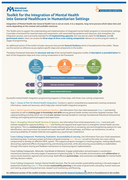
This Toolkit aims to support the understanding and implementation of integrated mental health programs in humanitarian settings. It provides a framework for essential steps and components, with associated key guidance and resources, that strengthen
...
Asylum and Migration Working Paper 1
The Coronavirus Disease 2019 (COVID-19) has had a continuous and robust impact on world health. The resulting COVID-19 pandemic has had a devastating physical, mental and fiscal impact on the millions of people living with noncommunicable diseases (NCDs), as they have a higher risk of severe illness
...

The purpose of the toolkit is to bring together existing learning and guidance as a starting point for stakeholders to begin SRH preparedness work. Within the SRH sector the field of preparedness is relatively new and growing. More collective effort
...
For close to 15 years, the Monitor has tracked the impact of victim assistance on the lives of victims of landmines, cluster munitions,
and other explosive remnants of war (hereafter “mine/ERW victimsâ€
...
Standard Treatment Guideline
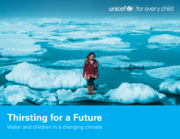
Children without access to safe water are more likely to die in infancy -- and throughout childhood -- from diseases caused by
water-borne bacteria, to which their small bodies are more vulnerable.
This edition of UNICEF’s annual Humanitarian Action for Children highlights UNICEF’s funding appeal, which sets out an ambitious agenda to address the major challenges facing children and young people living through conflict and crisis. It prese
...
A Global Inventory of Alternative Medical Waste Treatment Technologies
Experience from Save the Children and partners globally
demonstrates that improvements in education quality go hand-in-hand
with inclusion and access, Flexible, quality, responsive learning
environments will benefit all children and are fundamental to including
marginalised groups like disabled
...
