Filter
1591
Text search:
mental
health
statistics
Featured
94
443
Language
Document type
1000
304
102
63
58
23
16
14
7
2
1
1
Countries
68
49
46
44
43
42
37
37
35
34
33
33
32
29
29
28
26
24
24
23
23
23
20
19
19
17
14
13
13
12
11
11
11
10
10
8
8
8
8
7
7
7
6
6
6
6
6
6
6
5
5
5
5
5
5
5
5
4
4
4
4
4
4
4
4
4
3
3
3
3
3
3
3
3
2
2
2
2
2
2
2
2
2
2
2
2
2
2
1
1
1
1
1
1
1
1
1
1
1
1
1
1
1
1
1
1
1
1
1
1
1
1
1
1
1
1
1
1
1
Authors & Publishers
Publication Years
Category
730
107
89
68
41
20
4
Toolboxes
263
183
101
55
54
42
42
40
32
31
15
14
13
13
13
11
9
5
4
3
3
3
2
2
1
1
1
Census Report Volume 4-E
As no census has been undertaken in over 30 years, many aspects of the demographic situation in the country were unknown. For instance, before the Census it was thought that the country had a population of about 60 million, but the 2014 Census showed that the population ...
As no census has been undertaken in over 30 years, many aspects of the demographic situation in the country were unknown. For instance, before the Census it was thought that the country had a population of about 60 million, but the 2014 Census showed that the population ...
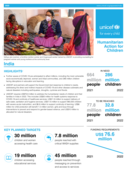
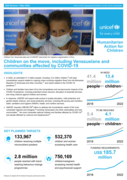
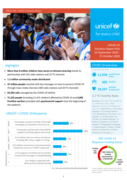
More than 8 million children have access to distance learning thanks to partnerships with 322 radio stations and 23 TV channels
1.2 million community masks distributed
25 million people reached with key messages on how to prevent COVID-19 through mass media channels (300 radio stations and
...

Namibia has, for many years, had a strong legislative and policy framework for the protection of children. These policies and laws have been developed through the combined expertise of those working in the field of child protection who have ensured Namibia has a robust legal framework that is in li
...

What does the future hold for the world’s children?
In many ways, the future is now. Today’s actions and decisions will determine the future children inherit.
Unfortunately, today's children live in a world fraught with crises, poverty and discrimination. Where far too many are deprived of
...

Namibia recorded its first COVID-19 case on 14 March 2020, with cumulative cases reaching 15,773 and 118 deaths by 10 December 2020. Namibia has done relatively well to contain the outbreak.
However, positivity rates have shown a consistent increase above 5 percent in quarter 4 of 2020, necessitati
...

The Sustainable Development Goals (SDGs) call for major societal transformations that will require significant fiscal outlays as well as private investments. The fiscal outlays cover public investments, the public provision of social services, and social protection for vulnerable populations. The ke
...

The document provides practical guidelines for conducting a national disaster risk assessment, developed by the United Nations Office for Disaster Risk Reduction. It emphasizes the importance of understanding disaster risk as a foundation for effective disaster risk management and sustainable develo
...
Accessed: 22.03.2019
PLoS Med 15(7): e1002615. https://doi.org/10.1371/journal. pmed.1002615
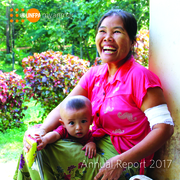
Ensuring reproductive rights for all
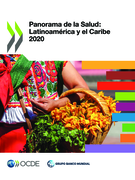
Panorama de la Salud: Latinoamérica y el Caribe 2020 presenta indicadores clave sobre la salud y los sistemas de salud en 33 países de Latinoamérica y el Caribe. Esta primera edición del Panorama de la Salud sobre Latinoamérica y el Caribe fue preparada en conjunto por la OCDE y el Banco Mundia
...
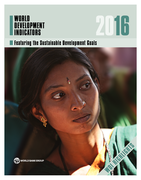
Extraced from the full version of WDI 2016