
Filter
2934
Text search:
humanitarian
development
Featured
294
819
Language
2737
98
76
57
49
40
24
17
14
11
7
5
5
5
5
5
5
5
5
4
4
4
3
3
3
3
3
3
3
2
2
2
2
2
2
2
2
2
1
1
1
1
1
1
1
1
1
1
1
1
1
1
1
1
1
1
1
1
Document type
1457
603
309
195
188
62
60
38
10
4
2
2
1
1
Countries
195
117
113
74
72
66
65
63
63
62
52
48
45
44
43
40
38
38
37
36
35
34
28
25
24
23
23
22
20
20
18
18
18
17
16
16
15
15
14
14
14
13
13
13
12
12
12
11
9
9
9
8
8
8
8
8
8
8
8
8
8
7
7
7
6
6
6
5
5
5
5
5
4
4
4
4
4
4
3
3
3
3
3
3
2
2
2
2
2
2
2
2
2
2
2
2
2
2
2
1
1
1
1
1
1
1
1
1
1
1
1
1
1
1
1
1
1
1
1
1
1
1
1
1
Authors & Publishers
336
87
80
78
64
58
53
47
42
42
39
36
35
29
29
25
24
23
23
22
22
21
19
18
17
15
15
14
14
13
13
13
13
12
12
10
10
10
10
9
9
9
9
9
8
8
8
8
8
8
8
7
7
7
7
7
7
7
7
7
7
7
7
7
7
7
6
6
6
6
6
6
6
6
6
6
6
6
6
6
6
6
6
6
5
5
5
5
5
5
5
5
5
5
5
5
5
5
5
5
5
4
4
4
4
4
4
4
4
4
4
4
4
4
4
4
4
4
4
4
4
4
4
4
4
4
4
4
4
4
3
3
3
3
3
3
3
3
3
3
3
3
3
3
3
3
3
3
3
3
3
3
3
3
3
3
3
3
3
3
3
3
3
3
3
3
3
3
3
3
3
3
3
3
3
3
3
3
3
3
3
3
3
3
3
2
2
2
2
2
2
2
2
2
2
2
2
2
2
2
2
2
2
2
2
2
2
2
2
2
2
2
2
2
2
2
2
2
2
2
2
2
2
2
2
2
2
2
2
2
2
2
2
2
2
2
2
2
2
2
2
2
2
2
2
2
2
2
2
2
2
2
2
2
2
2
2
2
2
2
2
2
2
2
2
2
2
2
2
2
2
2
2
2
2
2
2
2
2
2
2
2
2
2
2
2
2
2
2
2
2
2
2
2
2
2
2
2
2
2
2
2
2
2
2
2
2
2
2
2
2
2
2
2
2
2
2
2
2
2
2
2
2
2
2
2
2
2
2
2
2
2
2
2
2
2
2
2
2
2
2
1
1
1
1
1
1
1
1
1
1
1
1
1
1
1
1
1
1
1
1
1
1
1
1
1
1
1
1
1
1
1
1
1
1
1
1
1
1
1
1
1
1
1
1
1
1
1
1
1
1
1
1
1
1
1
1
1
1
1
1
1
1
1
1
1
1
1
1
1
1
1
1
1
1
1
1
1
1
1
1
1
1
1
1
1
1
1
1
1
1
1
1
1
1
1
1
1
1
1
1
1
1
1
1
1
1
1
1
1
1
1
1
1
1
1
1
1
1
1
1
1
1
1
1
1
1
1
1
1
1
1
1
1
1
1
1
1
1
1
1
1
1
1
1
1
1
1
1
1
1
1
1
1
1
1
1
1
1
1
1
1
1
1
1
1
1
1
1
1
1
1
1
1
1
1
1
1
1
1
1
1
1
1
1
1
1
1
1
1
1
1
1
1
1
1
1
1
1
1
1
1
1
1
1
1
1
1
1
1
1
1
1
1
1
1
1
1
1
1
1
1
1
1
1
1
1
1
1
1
1
1
1
1
1
1
1
1
1
1
1
1
1
1
1
1
1
1
1
1
1
1
1
1
1
1
1
1
1
1
1
1
1
1
1
1
1
1
1
1
1
1
1
1
1
1
1
1
1
1
1
1
1
1
1
1
1
1
1
1
1
1
1
1
1
1
1
1
1
1
1
1
1
1
1
1
1
1
1
1
1
1
1
1
1
1
1
1
1
1
1
1
1
1
1
1
1
1
1
1
1
1
1
1
1
1
1
1
1
1
1
1
1
1
1
1
1
1
1
1
1
1
1
1
1
1
1
1
1
1
1
1
1
1
1
1
1
1
1
1
1
1
1
1
1
1
1
1
1
1
1
1
1
1
1
1
1
1
1
1
1
1
1
1
1
1
1
1
1
1
1
1
1
1
1
1
1
1
1
1
1
1
1
1
1
1
1
1
1
1
1
1
1
1
1
1
1
1
1
1
1
1
1
1
1
1
1
1
1
1
1
1
1
1
1
1
1
1
1
1
1
1
1
1
1
1
1
1
1
1
1
1
1
1
1
1
1
1
1
1
1
1
1
1
1
1
1
1
1
1
1
1
1
1
1
1
1
1
1
1
1
1
1
1
1
1
1
1
1
1
1
1
1
1
1
1
1
1
1
1
1
1
1
1
1
1
1
1
1
1
1
1
1
1
1
1
1
1
1
1
1
1
1
1
1
1
1
1
1
1
1
1
1
1
1
1
1
1
1
1
1
1
1
1
1
1
1
1
1
1
1
1
1
1
1
1
1
1
1
1
1
1
1
1
1
1
1
1
1
1
1
1
1
1
1
1
1
1
1
1
1
1
1
1
1
1
1
1
1
1
1
1
1
1
1
1
1
1
1
1
1
1
1
1
1
1
1
1
1
1
1
1
1
1
1
1
1
1
1
1
1
1
1
1
1
1
1
1
1
1
1
1
1
1
1
1
1
1
1
1
1
1
1
1
1
1
1
1
1
1
1
1
1
1
1
1
1
1
1
1
1
1
1
1
1
1
1
1
1
1
1
1
1
1
1
1
1
1
1
1
1
1
1
1
1
1
1
1
1
1
1
1
1
1
1
1
1
1
1
1
1
1
1
1
1
1
1
1
1
1
1
1
1
1
1
1
1
1
1
1
1
1
1
1
1
1
1
1
1
1
1
1
1
1
1
1
1
1
1
1
1
1
1
1
1
1
1
1
1
1
1
1
1
1
1
1
1
1
1
1
1
1
1
1
1
1
1
1
1
1
1
1
1
1
1
1
1
1
1
1
1
1
1
1
1
1
1
1
1
1
1
1
1
1
1
1
1
1
1
1
1
1
1
1
1
1
1
1
1
1
1
1
1
1
1
1
1
1
1
1
1
1
1
1
1
1
1
1
1
1
1
1
1
1
1
1
1
1
1
1
1
1
1
1
1
1
1
1
1
1
1
1
1
1
1
1
1
1
1
1
1
1
1
1
1
1
1
1
1
1
1
1
1
1
1
1
1
1
1
1
1
1
1
1
1
1
1
1
1
1
1
1
1
1
1
1
1
1
1
1
1
1
1
1
1
1
1
1
1
1
1
1
1
1
1
1
1
1
1
1
1
1
1
1
1
1
1
1
1
1
1
1
1
1
1
1
1
1
1
1
1
1
1
1
1
1
1
1
1
1
1
1
1
1
1
1
1
1
1
1
1
1
1
1
1
1
1
1
1
1
1
1
1
1
1
1
1
1
1
1
1
1
1
1
1
1
1
1
1
1
1
1
1
1
1
1
1
1
1
1
1
1
1
1
1
1
1
1
1
1
1
1
1
1
1
1
1
1
1
1
1
1
1
1
1
1
1
1
1
1
1
1
1
1
1
1
1
1
1
1
1
1
1
1
1
1
1
1
1
1
1
1
1
1
1
1
1
1
1
1
1
1
1
1
1
1
1
1
1
1
1
1
1
1
1
1
1
1
1
1
1
1
1
1
1
1
1
1
1
1
1
1
1
1
1
1
1
1
1
1
1
1
1
1
1
1
1
1
1
1
1
1
1
1
1
1
1
1
1
1
1
1
1
1
1
1
1
1
1
1
1
1
1
1
1
1
1
1
1
1
1
1
1
1
1
1
1
1
1
1
1
1
1
1
1
1
1
1
1
1
1
1
1
1
1
1
1
1
1
1
1
1
1
1
1
1
1
1
1
1
1
1
1
1
1
1
1
1
1
1
1
1
1
1
1
1
1
1
1
1
1
1
1
1
1
1
1
1
1
1
1
1
1
1
1
1
1
1
1
1
1
1
1
1
1
1
1
1
1
1
1
1
1
1
1
1
1
1
1
1
1
1
1
1
1
1
1
1
1
1
1
1
1
1
1
1
1
1
1
1
1
1
1
1
1
1
1
1
1
1
1
1
1
1
1
1
1
1
1
1
1
1
1
1
1
1
1
1
1
1
1
1
1
1
1
1
1
1
1
1
1
1
1
1
1
1
1
1
1
1
1
1
1
1
1
1
1
1
1
1
1
1
1
1
1
1
1
1
1
1
1
1
1
1
1
1
1
1
1
1
1
1
1
1
1
1
1
1
1
1
1
1
1
1
1
1
1
1
1
1
1
1
1
1
1
1
1
1
1
1
1
1
1
1
1
1
1
1
1
1
1
1
1
1
1
1
1
1
1
1
1
1
1
1
1
1
1
1
1
1
1
1
1
1
1
1
1
1
1
1
1
1
1
1
1
1
1
1
1
1
1
1
1
1
1
1
1
1
1
1
1
1
1
1
1
1
1
1
1
1
1
1
1
1
1
1
1
1
1
1
1
1
1
1
1
1
1
1
1
1
1
1
1
1
1
1
1
1
1
1
1
1
1
1
1
1
1
1
1
1
1
1
1
1
1
1
1
1
1
1
1
1
1
1
1
1
1
1
1
1
1
1
1
1
1
1
1
1
1
1
1
1
1
1
1
1
1
1
1
1
1
1
1
1
1
1
1
1
1
1
1
1
1
1
1
1
1
1
1
1
1
1
1
1
1
1
1
1
1
1
1
1
1
1
1
1
1
1
1
1
1
1
1
1
1
1
1
1
1
1
1
1
1
1
1
1
1
1
1
1
1
1
1
1
1
1
1
1
1
1
1
1
1
1
1
1
1
1
1
1
1
1
1
1
1
1
1
1
1
1
1
1
1
1
1
1
1
1
1
1
1
1
1
1
1
1
1
1
1
1
1
1
1
1
1
1
1
1
1
1
1
1
1
1
1
1
1
1
1
1
1
1
1
1
1
1
1
1
1
1
1
1
1
1
1
1
1
1
1
1
1
1
1
1
1
1
1
1
1
1
1
1
1
1
1
1
1
1
1
1
1
1
1
1
1
1
1
1
1
1
1
1
1
1
1
1
1
1
1
1
1
1
1
1
1
1
1
1
1
1
Publication Years
1
1121
1602
196
13
1
Category
909
446
218
136
108
49
10
3
Toolboxes
329
301
230
154
144
141
141
106
99
76
62
54
51
42
33
32
29
29
24
18
15
14
11
7
6
6
2
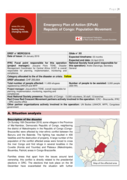
On Sunday 16th December 2018, some villages in the Province of Mai-Nambiar, Democratic Republic of Congo, neighboring the district of Makotimpoko in the Republic of Congo (CongoBrazzaville) were affected by inter-ethnic conflict between the Banunu and the Batende. The fighting has resulted in 400 fa
...
talities and the destruction of property. A large number of the population of the conflict affected areas were forced to cross the river Congo and find refuge in several localities in the Cuvette (Konda and Youmba) and Plateaux (Makotimpoko, Bouemba, Patrick) areas in Congo-Brazzaville.
more
167,607 dengue cases, including 720 deaths, reported from 1 January to 27 July 2019: 97% higher than in 2018, in spite of a delayed rainy season.
Case Fatality Rate (CFR) of 0.43% as of 27 July 2019 is lower than in the same time period in 2018 (0.54%), but still significantly higher than the reg
...
ional average of 0.22% in the Western Pacific.
The Philippines Department of Health (DOH) declared a National Dengue Epidemic on 6 August 2019, urging all regional DOH offices to step up dengue surveillance, case management and outbreak re-sponse, clean-up drives, and vector control in health facilities and communities, conduct Sabayang 4-O’Clock Habit Para sa Deng-Get Out focusing on search and destroy of mosquito breeding sites, and to enable LGUs to use their quick response funds to help address the epidemic.
more
Syria Regional Crisis Emergency Appeal 2020
recommended
In 2020, UNRWA will continue to support Palestine refugees affected by the protracted crisis through providing relief assistance and ensuring access to essential education and health services. Drawing on its existing structures, supply chains and capacities, the Agency will continue to adapt its int
...
erventions to respond to ongoing and evolving needs in an effective and agile manner. In Syria, it is expected that the spontaneous return of Palestine refugees from within and outside the country will continue in areas that experience relative calm and where basic infrastructure is rehabilitated, as observed in Sbeineh and Khan Eshieh camps in recent years. In 2020, UNRWA will increase its efforts to rehabilitate its facilities and restore its services in areas of spontaneous return, including in Dera’a, where small scale returns have been observed in 2019.
more
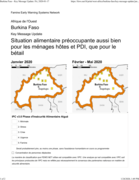
French Situation Report on Burkina Faso about Agriculture, Food and Nutrition, IDPs and more; published on 24 Jan 2020 by FEWS NET
This operation update provides a summary of key results achieved against the IFRC Syria Complex Emergency Plan of Action covering 13-month period, from 1 June 2019 to 30 June 2020.
A technical and environmental comparative overview of common shelter typologies found in settlements across UNHCR operations
The Boston Medical Center Patient Navigation Toolkit
The Boston Medical Center AVON Foundation for Women
The Boston Medical Center AVON Foundation for Women
(2020)
C1
This toolkit is designed to help you plan and implement a Patient Navigation program with the best chance of reducing health disparities and improving health outcomes for your patients. It contains evidence-based and experience-based examples, case studies, practical tools, and resources to help you
...
:
1. Establish an evidence-based patient navigation program tailored to reduce barriers for your patients
2. Incorporate best practices to enhance current patient navigation programs or services
3. Implement a patient navigation model to address any targeted medical condition
where disparities exist
4. Hire, prepare, supervise, support and retain effective Patient Navigators
5. Navigate patients who experience health disparities
6. Evaluate patient navigation programs with the aim of continuous quality
improvement
more
The war in Ukraine has had devasting impact on women and girls
worldwide, widening gender gaps and increasing rates of food insecurity, malnutrition and energy poverty. This brief reviews the available evidence of that impact, recommending urgent attention to its consequences for women and girls. I
...
ts findings underline the global impacts on gender equality and women’s rights that have been compounded by climate change, environmental degradation and the COVID-19 pandemic,
demonstrating further entrenched inequalities and human rights violations.
more
The World Health Organization Regional Office for Africa (WHO AFRO), in accordance with recommendations from various WHO committees, has developed three flagship initiatives to support Member States in the African region to prepare for, detect and respond to public health emergencies. They are the r
...
esult of extensive consultations with more than 30 African government ministers, technical actors, and partners across the continent as well as regional institutions such as the Africa Centres for Disease Control and Prevention (Africa CDC), whose contributions have shaped the priority activities. This report provides the fourth quarterly summary of progress in implementing the flagship initiatives.
more

This document contains guidance for strengthening the disability inclusiveness of MHPSS responses and programmes in emergency settings. It is intended to supplement the IASC Guidelines on Mental Health and Psychosocial Support in Emergency Settings (2007).
Overall Objective
To consider and add
...
ress the mental health and psychosocial support (MHPSS) requirements of persons living in emergency settings with all types of disabilities on an equal basis to the MHPSS requirements of all persons, using a human rights-based approach and implementing social-ecological frameworks.
more
Emergency response framework, 2nd ed.
recommended
The purpose of this Emergency Response Framework (ERF) is to clarify WHO’s roles and responsibilities in this regard and to provide a common approach for its work in emergencies. Ultimately, the ERF requires WHO to act with urgency and predictability to best serve and be accountable to populations
...
affected by emergencies.
more

A major problem facing the world is how to build peace following the ravages of increasingly protracted armed conflict. Armed conflicts leave behind shattered, divided societies that are at risk of repeating cycles of violence, and therefore need concerted peacebuilding efforts. Conflicts also take
...
a heavy toll on people’s mental health and psychosocial well-being. One in five people who live in a war zone will likely develop a mental disorder, and many others suffer from painful everyday stresses associated with multiple losses, family separation, gender-based violence (GBV), disability, climate change and ongoing insecurity, among other issues.
more

The Handbook is primarily addressed to child protection coordination teams, which may include coordinators, co-leads and information managers, the guidance is equally valid for all members of the child protection coordination group, including national and international nongovernmental organizations
...
(NGOs), government representatives and other members, who seek to achieve an effective and coordinated response
more
Sphere for Monitoring and Evaluation
recommended
Sphere Unpacked
As the Burundi refugee crisis enters its fourth year, some 430,000 Burundian refugees are being hosted across the region by the governments and people of Tanzania, Rwanda, the Democratic Republic of the Congo, and Uganda. Although the spectre of mass violence in Burundi has receded, with the politic
...
al situation still unresolved and the persistence of significant human rights concerns, refugee arrivals are expected to continue in 2018, albeit at lower levels than in previous years.
more
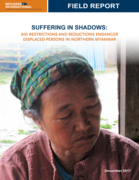
In northern Myanmar, nearly 100,000 people continue to live in displacement camps in Kachin and northern Shan States. Most were first displaced by fighting between the Myanmar military and the Kachin Independence Army in 2011, and many have been displaced multiple times, including in recent months.
...
Approaching seven years of displacement, and despite ongoing and often increasing needs, displaced persons in northern Myanmar face decreasing aid and protection services. Over the past two years, the Government of Myanmar has dramatically increased restrictions on delivery of aid to this displaced population at the same time that the overall amount of aid provided by international donors has decreased.
more
