
Filter
4199
Text search:
female
Featured
324
1418
Language
4039
92
72
52
50
48
19
18
11
10
9
7
6
6
5
5
4
4
4
4
3
3
3
3
3
3
3
3
3
3
2
2
2
2
2
2
2
2
1
1
1
1
1
1
1
1
1
1
1
1
1
Document type
2588
719
367
171
128
74
70
35
16
15
9
3
1
1
1
Countries
258
173
138
131
128
122
112
109
100
98
97
91
82
76
74
73
72
61
58
55
47
43
41
40
39
39
39
38
36
36
36
26
24
23
23
23
23
20
20
19
19
18
18
17
16
15
15
14
14
13
12
12
11
11
10
10
10
10
10
9
9
9
8
8
8
7
7
7
6
6
6
5
5
5
5
5
5
5
4
4
3
3
3
3
3
3
3
3
3
3
3
3
2
2
2
2
2
2
2
2
2
2
2
2
2
2
2
2
2
2
1
1
1
1
1
1
1
1
1
1
1
1
1
1
1
1
1
1
Authors & Publishers
335
126
102
96
93
77
69
63
59
54
38
32
32
29
29
25
24
24
23
23
23
22
21
21
21
21
21
18
18
17
17
16
16
16
15
14
13
13
12
12
12
11
11
11
11
10
10
10
10
10
9
9
9
9
9
9
9
9
9
9
8
8
8
8
8
8
8
7
7
7
7
7
7
7
7
7
7
7
7
6
6
6
6
6
6
6
6
6
6
6
6
6
6
6
6
6
6
6
5
5
5
5
5
5
5
5
5
5
5
5
5
5
5
5
5
5
5
5
5
5
5
5
5
5
5
5
5
5
5
4
4
4
4
4
4
4
4
4
4
4
4
4
4
4
4
4
4
4
4
4
4
4
4
4
4
4
4
4
4
4
4
4
4
4
4
4
4
4
4
4
4
4
4
4
4
4
4
4
4
3
3
3
3
3
3
3
3
3
3
3
3
3
3
3
3
3
3
3
3
3
3
3
3
3
3
3
3
3
3
3
3
3
3
3
3
3
3
3
3
3
3
3
3
3
3
3
3
3
3
3
3
3
3
3
3
3
3
3
3
3
3
3
3
3
3
3
3
3
3
3
3
3
3
3
3
3
3
3
3
3
3
3
3
3
3
3
3
3
3
3
3
3
3
3
3
3
3
3
3
2
2
2
2
2
2
2
2
2
2
2
2
2
2
2
2
2
2
2
2
2
2
2
2
2
2
2
2
2
2
2
2
2
2
2
2
2
2
2
2
2
2
2
2
2
2
2
2
2
2
2
2
2
2
2
2
2
2
2
2
2
2
2
2
2
2
2
2
2
2
2
2
2
2
2
2
2
2
2
2
2
2
2
2
2
2
2
2
2
2
2
2
2
2
2
2
2
2
2
2
2
2
2
2
2
2
2
2
2
2
2
2
2
2
2
2
2
2
2
2
2
2
2
2
2
2
2
2
2
2
2
2
2
2
2
2
2
2
2
2
2
2
2
2
2
2
2
2
2
2
2
2
2
2
2
2
2
2
2
2
2
2
2
2
2
2
2
2
2
2
2
2
2
2
2
2
2
2
2
2
2
2
2
2
2
2
2
2
2
2
2
2
2
2
2
2
2
2
2
2
2
2
2
2
2
2
2
2
2
2
2
2
2
2
2
2
2
2
2
2
2
2
2
2
2
2
2
2
2
2
2
2
2
2
2
2
2
2
2
2
2
2
2
2
2
2
2
2
2
2
2
2
2
2
2
2
2
2
2
2
2
2
2
2
2
2
2
2
2
2
2
2
2
2
2
2
2
2
2
2
2
2
1
1
1
1
1
1
1
1
1
1
1
1
1
1
1
1
1
1
1
1
1
1
1
1
1
1
1
1
1
1
1
1
1
1
1
1
1
1
1
1
1
1
1
1
1
1
1
1
1
1
1
1
1
1
1
1
1
1
1
1
1
1
1
1
1
1
1
1
1
1
1
1
1
1
1
1
1
1
1
1
1
1
1
1
1
1
1
1
1
1
1
1
1
1
1
1
1
1
1
1
1
1
1
1
1
1
1
1
1
1
1
1
1
1
1
1
1
1
1
1
1
1
1
1
1
1
1
1
1
1
1
1
1
1
1
1
1
1
1
1
1
1
1
1
1
1
1
1
1
1
1
1
1
1
1
1
1
1
1
1
1
1
1
1
1
1
1
1
1
1
1
1
1
1
1
1
1
1
1
1
1
1
1
1
1
1
1
1
1
1
1
1
1
1
1
1
1
1
1
1
1
1
1
1
1
1
1
1
1
1
1
1
1
1
1
1
1
1
1
1
1
1
1
1
1
1
1
1
1
1
1
1
1
1
1
1
1
1
1
1
1
1
1
1
1
1
1
1
1
1
1
1
1
1
1
1
1
1
1
1
1
1
1
1
1
1
1
1
1
1
1
1
1
1
1
1
1
1
1
1
1
1
1
1
1
1
1
1
1
1
1
1
1
1
1
1
1
1
1
1
1
1
1
1
1
1
1
1
1
1
1
1
1
1
1
1
1
1
1
1
1
1
1
1
1
1
1
1
1
1
1
1
1
1
1
1
1
1
1
1
1
1
1
1
1
1
1
1
1
1
1
1
1
1
1
1
1
1
1
1
1
1
1
1
1
1
1
1
1
1
1
1
1
1
1
1
1
1
1
1
1
1
1
1
1
1
1
1
1
1
1
1
1
1
1
1
1
1
1
1
1
1
1
1
1
1
1
1
1
1
1
1
1
1
1
1
1
1
1
1
1
1
1
1
1
1
1
1
1
1
1
1
1
1
1
1
1
1
1
1
1
1
1
1
1
1
1
1
1
1
1
1
1
1
1
1
1
1
1
1
1
1
1
1
1
1
1
1
1
1
1
1
1
1
1
1
1
1
1
1
1
1
1
1
1
1
1
1
1
1
1
1
1
1
1
1
1
1
1
1
1
1
1
1
1
1
1
1
1
1
1
1
1
1
1
1
1
1
1
1
1
1
1
1
1
1
1
1
1
1
1
1
1
1
1
1
1
1
1
1
1
1
1
1
1
1
1
1
1
1
1
1
1
1
1
1
1
1
1
1
1
1
1
1
1
1
1
1
1
1
1
1
1
1
1
1
1
1
1
1
1
1
1
1
1
1
1
1
1
1
1
1
1
1
1
1
1
1
1
1
1
1
1
1
1
1
1
1
1
1
1
1
1
1
1
1
1
1
1
1
1
1
1
1
1
1
1
1
1
1
1
1
1
1
1
1
1
1
1
1
1
1
1
1
1
1
1
1
1
1
1
1
1
1
1
1
1
1
1
1
1
1
1
1
1
1
1
1
1
1
1
1
1
1
1
1
1
1
1
1
1
1
1
1
1
1
1
1
1
1
1
1
1
1
1
1
1
1
1
1
1
1
1
1
1
1
1
1
1
1
1
1
1
1
1
1
1
1
1
1
1
1
1
1
1
1
1
1
1
1
1
1
1
1
1
1
1
1
1
1
1
1
1
1
1
1
1
1
1
1
1
1
1
1
1
1
1
1
1
1
1
1
1
1
1
1
1
1
1
1
1
1
1
1
1
1
1
1
1
1
1
1
1
1
1
1
1
1
1
1
1
1
1
1
1
1
1
1
1
1
1
1
1
1
1
1
1
1
1
1
1
1
1
1
1
1
1
1
1
1
1
1
1
1
1
1
1
1
1
1
1
1
1
1
1
1
1
1
1
1
1
1
1
1
1
1
1
1
1
1
1
1
1
1
1
1
1
1
1
1
1
1
1
1
1
1
1
1
1
1
1
1
1
1
1
1
1
1
1
1
1
1
1
1
1
1
1
1
1
1
1
1
1
1
1
1
1
1
1
1
1
1
1
1
1
1
1
1
1
1
1
1
1
1
1
1
1
1
1
1
1
1
1
1
1
1
1
1
1
1
1
1
1
1
1
1
1
1
1
1
1
1
1
1
1
1
1
1
1
1
1
1
1
1
1
1
1
1
1
1
1
1
1
1
1
1
1
1
1
1
1
1
1
1
1
1
1
1
1
1
1
1
1
1
1
1
1
1
1
1
1
1
1
1
1
1
1
1
1
1
1
1
1
1
1
1
1
1
1
1
1
1
1
1
1
1
1
1
1
1
1
1
1
1
1
1
1
1
1
1
1
1
1
1
1
1
1
1
1
1
1
1
1
1
1
1
1
1
1
1
1
1
1
1
1
1
1
1
1
1
1
1
1
1
1
1
1
1
1
1
1
1
1
1
1
1
1
1
1
1
1
1
1
1
1
1
1
1
1
1
1
1
1
1
1
1
1
1
1
1
1
1
1
1
1
1
1
1
1
1
1
1
1
1
1
1
1
1
1
1
1
1
1
1
1
1
1
1
1
1
1
1
1
1
1
1
1
1
1
1
1
1
1
1
1
1
1
1
1
1
1
1
1
1
1
1
1
1
1
1
1
1
1
1
1
1
1
1
1
1
1
1
1
1
1
1
1
1
1
1
1
1
1
1
1
1
1
1
1
1
1
1
1
1
1
1
1
1
1
1
1
1
1
1
1
1
1
1
1
1
1
1
1
1
1
1
1
1
1
1
1
1
1
1
1
1
1
1
1
1
1
1
1
1
1
1
1
1
1
1
1
1
1
1
1
1
1
1
1
1
1
1
1
1
1
1
1
1
1
1
1
1
1
1
1
1
1
1
1
1
1
1
1
1
1
1
1
1
1
1
1
1
1
1
1
1
1
1
1
1
1
1
1
1
1
1
1
1
1
1
1
1
1
1
1
1
1
1
1
1
1
1
1
1
1
1
1
1
1
1
1
1
1
1
1
1
1
1
1
1
1
1
1
1
1
1
1
1
1
1
1
1
1
1
1
1
1
1
1
1
1
1
1
1
1
1
1
1
1
1
1
1
1
1
1
1
1
1
1
1
1
1
1
1
1
1
1
1
1
1
1
1
1
1
1
1
1
1
1
1
1
1
1
1
1
1
1
1
1
1
1
1
1
1
1
1
1
1
1
1
1
1
1
1
1
1
1
1
1
1
1
1
1
1
1
1
1
1
1
1
1
1
1
1
1
1
1
1
1
1
1
1
1
1
1
1
1
1
1
1
1
1
1
1
1
1
1
1
1
1
1
1
1
1
1
1
1
1
1
1
1
1
1
1
1
1
1
1
1
1
1
1
1
1
1
1
1
1
1
1
1
1
1
1
1
1
1
1
1
1
1
1
1
1
1
1
1
1
1
1
1
1
1
1
1
1
1
1
1
1
1
1
1
1
1
1
1
1
1
1
1
1
1
1
1
1
1
1
1
1
1
1
1
1
1
1
1
1
1
1
1
1
1
1
1
1
1
1
1
1
1
1
1
1
1
1
1
1
1
1
1
1
1
1
1
1
1
1
1
1
1
1
1
1
1
1
1
1
1
1
1
1
1
1
1
1
1
1
1
1
1
1
1
1
1
1
1
1
1
1
1
1
1
1
1
1
1
1
1
1
1
1
1
1
1
1
1
1
1
1
1
1
1
1
1
1
1
1
1
1
1
1
1
1
1
1
1
1
1
1
1
1
1
1
1
1
1
1
1
1
1
1
1
1
1
1
1
1
1
1
1
1
1
1
1
1
1
1
1
1
1
1
1
1
1
1
1
1
1
1
1
1
1
1
1
1
1
1
1
1
1
1
1
1
1
1
1
1
1
1
1
1
1
1
1
1
1
1
1
1
1
1
1
1
1
1
1
1
1
1
1
1
1
1
1
1
1
1
1
1
1
1
1
1
1
1
1
1
1
1
1
1
1
1
1
1
1
1
1
1
1
1
1
1
1
1
1
1
1
1
1
1
1
1
1
1
1
1
1
1
1
1
1
1
1
1
1
1
1
1
1
1
1
1
1
1
1
1
1
1
1
1
1
1
1
1
1
1
1
1
1
1
1
1
1
1
1
1
1
1
1
1
1
1
1
1
1
1
1
1
1
1
1
1
1
1
1
1
1
1
1
1
1
1
1
1
1
1
1
1
1
1
1
1
1
1
1
1
1
1
1
1
1
1
1
1
1
1
1
1
1
1
1
1
1
1
1
1
1
1
1
1
1
1
1
1
1
1
1
1
1
1
1
1
1
1
1
1
1
1
1
1
1
1
1
1
1
1
1
1
1
1
1
1
1
1
1
1
1
1
1
1
1
1
1
1
1
1
1
1
1
1
1
1
1
1
1
1
1
1
1
1
1
1
1
1
1
1
1
1
1
1
1
1
1
1
1
1
1
1
1
1
1
1
1
1
1
1
1
1
1
1
1
1
1
1
1
1
1
1
1
1
1
1
1
1
1
1
1
1
1
1
1
1
1
1
1
1
1
1
1
1
1
1
1
1
1
1
1
1
1
1
1
1
1
1
1
1
1
1
1
1
1
1
1
1
1
1
1
1
1
1
1
1
1
1
1
1
1
1
1
1
1
1
1
1
1
1
1
1
1
1
1
1
1
1
1
1
1
1
1
1
1
1
1
1
1
1
1
1
1
1
1
1
1
1
1
1
1
1
1
1
1
1
1
1
1
1
1
1
1
1
1
1
1
1
1
1
1
1
1
1
1
1
1
1
1
1
1
1
1
1
1
1
1
1
1
1
1
1
1
1
1
1
1
1
1
1
1
1
1
1
1
1
1
1
1
1
1
1
1
1
1
1
1
1
1
1
1
1
1
1
1
1
1
1
1
1
1
1
1
1
1
1
1
1
1
1
1
1
1
1
1
1
1
1
1
1
1
1
1
1
1
1
1
1
1
1
1
1
1
1
1
1
1
1
1
1
1
1
1
1
1
1
1
1
1
1
1
1
1
1
1
1
1
1
1
1
1
1
1
1
1
1
1
1
1
1
1
1
1
1
1
1
1
1
1
1
1
1
1
1
1
1
1
1
1
1
1
1
1
1
1
1
1
1
1
1
1
1
1
1
1
1
1
1
1
1
1
1
1
1
1
1
1
1
1
1
1
1
1
1
1
1
1
1
1
1
1
1
1
1
1
1
1
1
1
1
1
1
1
1
1
1
1
1
1
1
1
1
1
1
1
1
1
1
1
1
1
1
1
1
1
1
1
1
1
1
1
1
1
1
1
1
1
1
1
1
1
1
1
1
1
1
1
1
1
1
1
1
1
1
1
1
1
1
1
1
1
1
1
1
1
1
1
1
1
1
1
1
1
1
1
1
1
1
1
1
1
1
1
1
1
1
1
1
1
1
1
1
1
1
1
1
1
1
1
1
1
1
1
1
1
1
1
1
1
1
1
1
1
1
1
1
1
1
1
1
1
1
1
1
1
1
1
1
1
1
1
1
1
1
1
1
1
1
1
1
1
1
1
1
1
1
1
1
1
1
1
1
1
1
1
1
1
1
1
1
1
1
1
1
1
1
1
1
1
1
1
1
1
1
1
1
1
1
1
1
1
1
1
1
1
1
1
1
1
1
1
1
1
1
1
1
1
1
1
1
1
1
1
1
1
1
1
1
1
1
1
1
1
1
1
1
1
1
1
1
1
1
1
1
1
1
1
1
1
1
1
1
1
1
1
1
1
1
1
1
1
1
1
1
1
1
1
1
1
1
1
1
1
1
1
1
1
1
1
1
1
1
1
1
1
1
1
1
1
1
1
1
1
1
1
1
1
1
1
1
1
1
1
1
1
1
1
1
1
1
1
1
1
1
1
1
1
1
1
1
1
1
1
1
1
1
1
1
1
1
1
1
1
1
1
1
1
1
1
1
1
1
1
1
1
1
1
1
1
1
1
1
1
1
1
1
1
1
1
1
1
1
1
1
1
1
1
1
1
1
1
1
1
1
1
1
1
1
1
1
1
1
1
1
1
1
1
1
1
1
1
1
1
1
1
1
1
1
1
1
1
1
1
1
1
1
1
1
1
1
1
1
1
1
1
1
1
1
1
1
1
1
1
1
1
1
1
1
1
1
1
1
1
1
1
1
1
1
1
1
1
1
1
1
1
1
1
1
1
1
1
1
1
1
1
1
1
1
1
1
1
1
1
1
1
1
1
1
1
1
1
1
1
1
1
1
1
1
1
1
1
1
1
1
1
1
1
1
1
1
1
1
1
1
1
1
1
1
1
1
1
1
1
1
1
1
1
1
1
1
1
1
1
1
1
1
1
1
1
1
1
1
1
1
1
1
1
1
1
1
1
1
1
1
1
1
1
1
1
1
1
1
1
1
1
1
1
1
1
1
1
1
1
1
1
1
1
1
1
1
1
1
1
1
1
1
1
1
1
1
1
1
1
1
1
1
1
1
1
1
1
1
1
1
1
1
1
1
1
1
1
1
1
1
1
1
1
1
1
1
1
1
1
1
1
1
1
1
1
1
1
1
1
1
1
1
1
1
1
1
1
1
1
1
1
1
1
1
1
1
1
1
1
1
1
1
1
1
1
1
1
1
1
1
1
1
1
1
1
1
1
1
1
1
1
1
1
1
1
1
1
1
1
1
1
1
1
1
1
1
1
1
1
1
1
1
1
1
1
1
1
1
1
1
1
1
1
1
1
1
1
1
1
1
1
1
1
1
1
1
1
1
1
1
1
1
1
1
1
1
1
1
1
1
1
1
1
1
1
1
1
1
1
1
1
1
1
1
1
1
1
1
1
1
1
1
1
1
1
1
1
1
1
1
1
1
1
1
1
1
1
1
1
1
1
1
1
1
1
1
1
1
1
1
1
1
1
1
1
1
1
1
1
1
1
1
1
1
1
1
1
1
1
1
1
1
1
1
1
1
1
1
1
1
1
1
1
1
1
1
1
Publication Years
1
1037
2767
387
6
1
Category
2140
331
204
187
185
102
16
Toolboxes
314
217
180
167
161
151
143
112
99
94
62
50
49
47
47
29
28
25
21
20
18
17
15
12
9
2
1
Schistosomiasis, also known as bilharzia, is a disease caused by parasitic worms that require two hosts: humans and certain species of snails. There are two forms of the disease, namely, intestinal schistosomiasis, caused by Schistosoma mansoni and S. japonicum, and urogenital schistosomiasis, cause
...
d by S. haematobium. There are less common schistosome species in some parts of the world, e.g. S. mekongi and S. intercalatum. Schistosomiasis ranks second only to malaria as the most common parasitic disease worldwide.
more
Prevalence of Schistosoma Haematobium Measured by a Mobile Health System in an Unexplored Endemic Region in the Subprefecture of Torrock, Chad
Layaye, D.; E de Bruijn, M.; de Jong, T.;
JMIR Publication Advancing Digital Health and Open Science
(2019)
CC
Schistosoma haematobium is a parasitic digenetic trematode responsible for schistosomiasis (also known as bilharzia). The disease is caused by penetration of the skin by the parasite, spread by intermediate host molluscs in stagnant waters, and can be treated by administration of praziquantel. Schis
...
tosomiasis is considered to be an important but neglected tropical disease.
more
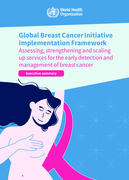
Breast cancer is the most common cancer worldwide and the leading cause of cancer deaths among women, disproportionately affecting low- and middle-income countries. The Global Breast Cancer Initiative strives to reduce breast cancer mortality by 2.5 percent per year, which over a 20-year period can
...
save 2.5 million lives. The purpose of this core technical package is to outline a pathway for incremental, sustainable improvements tailored to country-specific needs based on three key strategies and objectives: health promotion for early detection; timely diagnosis; and comprehensive breast cancer management. This document provides a common framework linking policy makers, stakeholders, the clinical community, program managers and civil society to evidence-based systematic approaches that can facilitate health systems strengthening and reduce inequities in women’s health throughout their life cycles
more
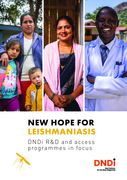
Leishmaniasis is a climate-sensitive disease. Changes in temperature, rainfall, and humidity can have strong impacts on
the sandfly vector, altering their distribution and influencing their survival and population sizes. Increased temperatures shorten vector development time, reduce Leishmania para
...
site incubation time, and increase vector biting rates, allowing transmission
in areas not previously endemic for the disease. Poor and
marginalized communities will be hit disproportionately harder by
the effects of climate change, and droughts, famines, and floods
can also lead to displacement and migration of immunologically
naive people to areas where leishmaniasis is endemic, posing a
threat of leishmaniasis outbreaks.
more
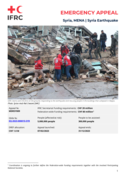
On 6 February at 4:17 am, a 7.8 degrees magnitude earthquake struck southern Turkey near Syria’s
northern border. The US Geological Survey said the earthquake was centered about 33 km (20 miles)
from Gaziantep, a major city and provincial capital. Tremors were felt as far away as Lebanon, Greece
...
,
Palestine, and the island of Cyprus. Another big earthquake was felt on the same day at around 1:24
pm local time, largely in the same affected areas. Aftershocks will continue to shake the area as fault
lines adjust to such a huge initial tremor. There’s even a risk—albeit a small one—of an aftershock
bigger than the original quake.
more
Chromoblastomycosis (CBM), represents one of the primary implantation mycoses caused by melanized fungi widely found in nature. It is characterized as a Neglected Tropical Disease (NTD) and mainly affects populations living in poverty with significant morbidity, including stigma and discrimination.
Chromoblastomycosis (CMB) is a chronic fungal infection of the skin and the subcutaneous tissue caused by a transcutaneous traumatic inoculation of a specific group of dematiaceous fungi occurring mainly in tropical and subtropical zones worldwide. If not diagnosed at early stages, patients with CBM
...
require long term therapy with systemic antifungals, sometimes associated with physical methods. Unlike other neglected endemic mycoses, comparative clinical trials have not been performed for this disease. Nowadays, therapy is based on a few open trials and on expert opinion. Itraconazole either as monotherapy or associated with other drugs, or with physical methods, is widely used. Recently, photodynamic therapy has been successfully employed in combination with antifungals in patients presenting with CBM. In the present revision the most used therapeutic options against CBM are reviewed as well as the several factors that may have impact on the patient's outcome.
more
Frequently Asked Questions on Visceral Leishmaniasis
In 2014, an estimated 40 million women of reproductive age were infected with Schistosoma haematobium, S. japonicum and/or S. mansoni. In both 2003 and 2006, the World Health Organization (WHO) recommended that all schistosome-infected pregnant and breastfeeding women be offered treatment, with praz
...
iquantel, either individually or during treatment campaigns. In 2006, WHO also stated the need for randomized controlled trials to assess the safety and efficacy of such treatment. Some countries have yet to follow the recommendation on treatment and many programme managers and pregnant women in other countries remain reluctant to follow the recommended approach.
more
Antimicrobial agents like antibiotics are essential to treat some human and animal diseases. Microbes, such as bacteria, can develop resistance to antimicrobials meaning that a drug such as an antibiotic is no longer effective in treating the infection. The development of resistance is caused by the
...
incorrect use of these drugs, for example, using antibiotics (which help to treat bacteria) for viral infections like flu, or as a growth promoter in agriculture.
more

During the 17 years since Surgical approaches to the urogenital manifestations of lymphatic filariasis was first published, there has been heightened awareness of the physical, economic and emotional burden of the genitourinary manifestations of filariasis. With the impetus to provide better guidanc
...
e for care of those suffering from LF, this update was both warranted and timely.
At the outset, the Committee noted that barriers continue to exist in care of patients affected by LF-associated morbidity. These barriers include lack of information for patients as well as for many healthcare providers, including general surgeons and others within health systems
This update offers a new consensus of the Committee regarding the staging of hydroceles caused by LF, also known as “filariceles”. It recommends integrating LF surgery with other efforts to strengthen surgical care by assessing health facilities for their surgical readiness using the WHO surgical assessment tool or “SAT”. It also recommends integratinghernia surgery with hydrocele surgery and integrating standards for prevention of surgical site infection (SSI).
The update revises recommendations for standard procedures and processes, offers an algorithm for diagnosis (including the use of ultrasound) and discusses postoperative care. It recommends collecting data using the staging and grading system described by Capuano and Capuano along with other metrics for public health management of LF.
A multifaceted approach has therefore been recommended to coordinate public health outreach with national surgical planning and local health systems to include supporting partners such as nongovernmental organizations. Surgical camps with mobile teams, as well as training of personnel at DCP3 “first level” or WHO Level II hospitals (depending on region and resources), have important roles for reducing LF morbidity.
more

The Lancet Volume 390, Issue 10110p2397-2409November 25, 2017.
Human African trypanosomiasis (HAT), also called sleeping sickness, is a parasitic infection that almost invariably progresses to death, unless treatment is provided. HAT caused devastating epidemics during the 20th century. Thanks to
...
sustained and coordinated efforts during the past 15 years the number of reported cases has fallen to a historic low. Fewer than 3,000 cases were reported in 2015, and the disease is targeted for elimination by the World Health Organization. Despite recent success, HAT still poses a heavy burden on the rural communities where this highly focal disease occurs, most notably in Central Africa. Since patients are also reported from non-endemic countries outside Africa, HAT should be considered in differential diagnosis for all travellers, tourists, migrants and expatriates who have visited or lived in endemic areas. In the absence of a vaccine, disease control relies on case detection and treatment, and vector control. Available drugs are sub-optimal, but ongoing clinical trials give hope for safer and simpler treatments.
more

Cholera is an acute gastrointestinal infection caused by the bacterium Vibrio Cholerae serogroup O1 or O139, and is often linked to unsafe drinking water, lack of proper sanitation and personal hygiene. It adversely affects mostly the poor and vulnerable populations in countries, which are already d
...
eprived of proper health facilities and conducive environmental conditions. The disease spreads through oro-fecal transmission by the ingestion of contaminated food or water or by person-to-person contact. It has a short incubation period of 2 hours to 5 days and the number of affected cases can rapidly increase across large regions. Cholera is a significant threat to global public health leading to an estimated 3-5 million cases per year worldwide, with an annual toll of 100,000 deaths. The disease was first reported in 1817 from the Ganges Delta of India and since then the ongoing 7th pandemic has emerged from Indonesia, reached Africa in 1970 and Somalia happens to be one of the early affected countries. Over the past few decades,
Somalia has witnessed the occurrence of repeated AWD/Cholera disease outbreaks that have caused high morbidity and mortality across the country.
more
Disease epidemiology has a deeper relationship with the dynamic nature of culture. Health behaviors in general are largely shaped by the cultural norms and customs in a society. A mere identification of a behavior could be only a layer on the outer sphere of a particular disease epidemiology and the
...
interventional efforts to counteract such behaviors through for example public health measures could be futile and volatile, unless the deeper cultural factors are addressed.
more
This guide can be used to train ANM staff in the field to succeed in their role in the hypertension program. It teaches how to screen patients correctly, register and follow-up with patients, retrieve defaulters, record patient visits, and to report data
Since the Alma Ata Declaration in 1978, community health volunteers (CHVs) have been at the forefront, providing health services, especially to underserved communities, in low-income countries. However, consolidation of CHVs position within formal health systems has proved to be complex and continue
...
s to challenge countries, as they devise strategies to strengthen primary healthcare. Malawi’s community health strategy, launched in 2017, is a novel attempt to harmonise the multiple health
service structures at the community level and strengthen service delivery through a team-based approach. The core community health team (CHT) consists of health surveillance assistants (HSAs), clinicians, environmental health officers and CHVs. This paper reviews Malawi’s strategy, with particular focus on the interface between HSAs, volunteers in community-based programmes and
the community health team. Our analysis identified key challenges that may impede the strategy’s implementation:
(1) inadequate training, imbalance of skill sets within CHTs and unclear job descriptions for CHVs; (2) proposed community-level interventions require expansion of pre-existing roles for most CHT members; and (3) district authorities may face challenges meeting financial obligations and filling community-level positions. For effective implementation, attention and further deliberation is needed on the appropriate forms of CHV support, CHT composition with possibilities of co-opting trained CHVs
from existing volunteer programmes into CHTs, review of CHT competencies and workload, strengthening coordination and communication across all community actors, and financing mechanisms. Policy support through the development of an addendum to the strategy, outlining opportunities for task-shifting between CHT members, CHVs’ expected duties and interactions with paid CHT personnel is recommended.
more
Cystic Fibrosis - What Is Cystic Fibrosis
National Heart, Lung, and Blood Institute (NHLBI)
U.S. Department of Health and Human Services
(2024)
CC2
The "Cystic Fibrosis Fact Sheet" by the National Heart, Lung, and Blood Institute provides an overview of cystic fibrosis (CF), a chronic and often fatal genetic disorder affecting the respiratory and digestive systems. The document outlines the causes, genetic inheritance patterns, and symptoms of
...
CF, which include thick mucus buildup, respiratory issues, and digestive problems. It also discusses diagnostic methods, such as the sweat test and genetic testing, and highlights current treatment approaches focused on symptom management, including chest therapy, medications, and potential gene therapy. The fact sheet emphasizes patient and family education to improve quality of life and support coping strategies.
more
The article "Asthma in South African adolescents: a time trend and risk factor analysis over two decades" investigates the prevalence and risk factors for asthma in Cape Town adolescents from 2002 to 2017. The study finds that while the overall prevalence of asthma remained similar, the severity of
...
the condition increased significantly. Risk factors for asthma and severe cases include smoking, pet exposure, outdoor pollution, and living in informal housing. Despite these trends, underdiagnosis remains a concern, as only one-third of adolescents with current or severe asthma had been formally diagnosed. The article emphasizes the need for better public health strategies to address environmental exposures and improve asthma diagnosis and treatment.
more

As Uganda builds back from the COVID-19 shock, the Ugandan government is strengthening its commitment to a more gender-inclusive and sustainable economy. This report supports these efforts by describing the gendered impacts of COVID-19 and provides recommendations for Ugandan policy makers and World
...
Bank Group operations to ensure women’s participation in an inclusive and sustainable recovery. It presents gender-disaggregated data from three main sources: high-frequency phone surveys that track the impacts of the COVID-19 shock: one of Ugandan nationals conducted in June and one of refugees conducted in November 2020; interviews with 28 representatives of government institutions, development partners, and women’s organizations in Kampala and in rural areas; and a review of relevant policy and gray literature on climate change, the green economy, and women’s economic empowerment.
more

To identify and to assess factors enhancing or hindering the delivery of breast and cervical cancer screening services in Malawi with regard to accessibility, uptake, acceptability and effectiveness.
Systematic review of published scientific evidence. A search of six bibliographic databases and gre
...
y literature was executed to identify relevant studies conducted in Malawi in the English language, with no time or study design restrictions. Data extraction was conducted in Excel and evidence synthesis followed a thematic analysis approach to identify and compare emerging themes.
more
