
Filter
3108
Text search:
National
Medicines
Policy
Featured
319
902
Language
3022
65
53
49
28
18
17
15
5
3
3
3
3
3
2
2
2
2
2
2
2
2
2
2
1
1
1
1
1
1
1
1
1
1
1
1
1
1
1
1
1
1
1
1
1
1
1
Document type
1528
618
448
199
183
47
45
22
6
6
4
1
Countries
162
127
112
91
84
79
67
67
65
65
60
60
57
56
55
51
48
44
44
40
34
31
29
26
26
23
21
20
19
17
16
16
16
15
15
14
13
13
13
13
12
12
12
11
10
10
9
9
9
9
8
8
7
7
7
7
6
6
6
6
5
5
5
5
5
5
4
4
4
4
4
3
3
3
3
3
3
3
3
3
3
3
3
3
3
3
3
3
3
2
2
2
2
2
2
2
2
2
2
2
2
2
2
2
2
2
2
2
1
1
1
1
1
1
1
1
1
1
1
1
1
1
1
1
1
1
1
1
1
1
1
1
1
1
1
1
1
1
Authors & Publishers
520
146
115
101
73
50
49
48
38
29
25
21
20
19
17
16
16
16
16
15
15
15
13
12
12
11
11
10
10
9
9
9
9
9
9
9
8
8
8
8
8
8
8
8
8
8
8
7
7
7
7
7
7
7
6
6
6
6
6
6
6
6
6
6
6
6
6
6
6
6
6
6
5
5
5
5
5
5
5
5
5
5
5
5
5
5
5
5
5
5
5
4
4
4
4
4
4
4
4
4
4
4
4
4
4
4
4
4
4
4
4
4
4
4
4
4
4
4
3
3
3
3
3
3
3
3
3
3
3
3
3
3
3
3
3
3
3
3
3
3
3
3
3
3
3
3
3
3
3
3
3
3
3
3
3
3
3
3
3
3
3
3
3
3
3
3
3
3
3
3
3
3
3
3
3
3
3
3
3
3
3
3
3
3
3
2
2
2
2
2
2
2
2
2
2
2
2
2
2
2
2
2
2
2
2
2
2
2
2
2
2
2
2
2
2
2
2
2
2
2
2
2
2
2
2
2
2
2
2
2
2
2
2
2
2
2
2
2
2
2
2
2
2
2
2
2
2
2
2
2
2
2
2
2
2
2
2
2
2
2
2
2
2
2
2
2
2
2
2
2
2
2
2
2
2
2
2
2
2
2
2
2
2
2
2
2
2
2
2
2
2
2
2
2
2
2
2
2
2
2
2
2
2
2
2
2
2
2
2
2
2
2
2
2
2
2
2
2
2
2
2
2
2
2
2
2
2
2
2
2
2
2
2
2
2
2
2
2
2
2
2
2
2
2
2
2
1
1
1
1
1
1
1
1
1
1
1
1
1
1
1
1
1
1
1
1
1
1
1
1
1
1
1
1
1
1
1
1
1
1
1
1
1
1
1
1
1
1
1
1
1
1
1
1
1
1
1
1
1
1
1
1
1
1
1
1
1
1
1
1
1
1
1
1
1
1
1
1
1
1
1
1
1
1
1
1
1
1
1
1
1
1
1
1
1
1
1
1
1
1
1
1
1
1
1
1
1
1
1
1
1
1
1
1
1
1
1
1
1
1
1
1
1
1
1
1
1
1
1
1
1
1
1
1
1
1
1
1
1
1
1
1
1
1
1
1
1
1
1
1
1
1
1
1
1
1
1
1
1
1
1
1
1
1
1
1
1
1
1
1
1
1
1
1
1
1
1
1
1
1
1
1
1
1
1
1
1
1
1
1
1
1
1
1
1
1
1
1
1
1
1
1
1
1
1
1
1
1
1
1
1
1
1
1
1
1
1
1
1
1
1
1
1
1
1
1
1
1
1
1
1
1
1
1
1
1
1
1
1
1
1
1
1
1
1
1
1
1
1
1
1
1
1
1
1
1
1
1
1
1
1
1
1
1
1
1
1
1
1
1
1
1
1
1
1
1
1
1
1
1
1
1
1
1
1
1
1
1
1
1
1
1
1
1
1
1
1
1
1
1
1
1
1
1
1
1
1
1
1
1
1
1
1
1
1
1
1
1
1
1
1
1
1
1
1
1
1
1
1
1
1
1
1
1
1
1
1
1
1
1
1
1
1
1
1
1
1
1
1
1
1
1
1
1
1
1
1
1
1
1
1
1
1
1
1
1
1
1
1
1
1
1
1
1
1
1
1
1
1
1
1
1
1
1
1
1
1
1
1
1
1
1
1
1
1
1
1
1
1
1
1
1
1
1
1
1
1
1
1
1
1
1
1
1
1
1
1
1
1
1
1
1
1
1
1
1
1
1
1
1
1
1
1
1
1
1
1
1
1
1
1
1
1
1
1
1
1
1
1
1
1
1
1
1
1
1
1
1
1
1
1
1
1
1
1
1
1
1
1
1
1
1
1
1
1
1
1
1
1
1
1
1
1
1
1
1
1
1
1
1
1
1
1
1
1
1
1
1
1
1
1
1
1
1
1
1
1
1
1
1
1
1
1
1
1
1
1
1
1
1
1
1
1
1
1
1
1
1
1
1
1
1
1
1
1
1
1
1
1
1
1
1
1
1
1
1
1
1
1
1
1
1
1
1
1
1
1
1
1
1
1
1
1
1
1
1
1
1
1
1
1
1
1
1
1
1
1
1
1
1
1
1
1
1
1
1
1
1
1
1
1
1
1
1
1
1
1
1
1
1
1
1
1
1
1
1
1
1
1
1
1
1
1
1
1
1
1
1
1
1
1
1
1
1
1
1
1
1
1
1
1
1
1
1
1
1
1
1
1
1
1
1
1
1
1
1
1
1
1
1
1
1
1
1
1
1
1
1
1
1
1
1
1
1
1
1
1
1
1
1
1
1
1
1
1
1
1
1
1
1
1
1
1
1
1
1
1
1
1
1
1
1
1
1
1
1
1
1
1
1
1
1
1
1
1
1
1
1
1
1
1
1
1
1
1
1
1
1
1
1
1
1
1
1
1
1
1
1
1
1
1
1
1
1
1
1
1
1
1
1
1
1
1
1
1
1
1
1
1
1
1
1
1
1
1
1
1
1
1
1
1
1
1
1
1
1
1
1
1
1
1
1
1
1
1
1
1
1
1
1
1
1
1
1
1
1
1
1
1
1
1
1
1
1
1
1
1
1
1
1
1
1
1
1
1
1
1
1
1
1
1
1
1
1
1
1
1
1
1
1
1
1
1
1
1
1
1
1
1
1
1
1
1
1
1
1
1
1
1
1
1
1
1
1
1
1
1
1
1
1
1
1
1
1
1
1
1
1
1
1
1
1
1
1
1
1
1
1
1
1
1
1
1
1
1
1
1
1
1
1
1
1
1
1
1
1
1
1
1
1
1
1
1
1
1
1
1
1
1
1
1
1
1
1
1
1
1
1
1
1
1
1
1
1
1
1
1
1
1
1
1
1
1
1
1
1
1
1
1
1
1
1
1
1
1
1
1
1
1
1
1
1
1
1
1
1
1
1
1
1
1
1
1
1
1
1
1
1
1
1
1
1
1
1
1
1
1
1
1
1
1
1
1
1
1
1
1
1
1
1
1
1
1
1
1
1
1
1
1
1
1
1
1
1
1
1
1
1
1
1
1
1
1
1
1
1
1
1
1
1
1
1
1
1
1
1
1
1
1
1
1
1
1
1
1
1
1
1
1
1
1
1
1
1
1
1
1
1
1
1
1
1
1
1
1
1
1
1
1
1
1
1
1
1
1
1
1
1
1
1
1
1
1
1
1
1
1
1
1
1
1
1
1
1
1
1
1
1
1
1
1
1
1
1
1
1
1
1
1
1
1
1
1
1
1
1
1
1
1
1
1
1
1
1
1
1
1
1
1
1
1
1
1
1
1
1
1
1
1
1
1
1
1
1
1
1
1
1
1
1
1
1
1
1
1
1
1
1
1
1
1
1
1
1
1
1
1
1
1
1
1
1
1
1
1
1
1
1
1
1
1
1
1
1
1
1
1
1
1
1
1
1
1
1
1
1
1
1
1
1
1
1
1
1
1
1
1
1
1
1
1
1
1
1
1
1
1
1
1
1
1
1
1
1
1
1
1
1
1
1
1
1
1
1
1
1
1
1
1
1
1
1
1
1
1
1
1
1
1
1
1
1
1
1
1
1
1
1
1
1
1
1
1
1
1
1
1
1
1
1
1
1
1
1
1
1
1
1
1
1
1
1
1
1
1
1
1
1
1
1
1
1
1
1
1
1
1
1
1
1
1
1
1
1
1
1
1
1
1
1
1
1
1
1
1
1
1
1
1
1
1
1
1
1
1
1
1
1
1
1
1
1
1
1
1
1
1
1
1
1
1
1
1
1
1
1
1
1
1
1
1
1
1
1
1
1
1
1
1
1
1
1
1
1
1
1
1
1
1
1
1
1
1
1
1
1
1
1
1
1
1
1
1
1
1
1
1
1
1
1
1
1
1
1
1
1
1
1
1
1
1
1
1
1
1
1
1
1
1
1
1
1
1
1
1
1
1
1
1
1
1
1
1
1
1
1
1
1
1
1
1
1
1
1
1
1
1
1
1
1
1
1
1
1
1
1
1
1
1
1
1
1
1
1
1
1
1
1
1
1
1
1
1
1
1
1
1
1
1
1
1
1
1
1
1
1
1
1
1
1
1
1
1
1
1
1
1
1
1
1
1
1
1
1
1
1
1
1
1
1
1
1
1
1
1
1
1
1
1
1
1
1
1
1
1
1
1
1
1
1
1
1
1
1
1
1
1
1
1
1
1
1
1
1
1
1
1
1
1
1
1
1
1
1
1
1
1
1
1
1
1
1
1
1
1
1
1
1
1
1
1
1
1
1
1
1
1
1
1
1
1
1
1
1
1
1
1
1
1
1
1
1
1
1
1
1
1
1
1
1
1
1
1
1
1
1
1
1
1
1
1
1
1
1
1
1
1
1
1
1
1
1
1
1
1
1
1
1
1
1
1
1
1
1
1
1
1
1
1
1
1
1
1
1
1
1
1
1
1
1
1
1
1
1
1
1
1
1
1
1
1
1
1
1
1
1
1
1
1
1
1
1
1
1
1
1
1
1
1
1
1
1
1
1
1
1
1
1
1
1
1
1
1
1
1
1
1
1
1
1
1
1
1
1
1
1
1
1
1
1
1
1
1
1
1
1
1
1
1
1
1
1
1
1
1
1
1
1
1
1
1
1
1
1
1
1
1
1
1
1
1
1
1
1
1
1
1
1
1
1
1
1
1
1
1
1
1
1
1
1
1
1
1
1
1
1
1
1
1
1
1
1
1
1
1
1
1
1
1
1
1
1
1
1
1
1
1
1
1
1
1
1
1
1
1
1
1
1
1
1
1
1
1
1
1
1
1
1
1
1
1
1
1
1
1
1
1
1
1
1
1
1
1
1
1
1
1
1
1
1
1
1
1
1
1
1
1
1
1
1
1
1
1
1
1
1
1
1
1
1
1
1
1
1
1
1
1
1
1
1
1
1
1
1
1
1
1
1
1
1
1
1
1
1
1
1
1
1
1
1
1
1
1
1
1
1
1
1
1
1
1
1
1
1
1
1
1
1
1
1
1
1
1
1
1
1
1
1
1
1
1
1
1
1
1
1
1
1
1
1
1
1
1
1
1
1
1
1
1
1
1
1
1
1
1
1
1
1
1
1
1
1
1
1
1
1
1
1
1
1
1
1
1
1
1
1
1
1
1
1
1
1
1
1
1
1
1
1
1
1
1
1
1
1
1
1
1
1
1
1
1
1
1
1
1
1
1
1
1
1
1
1
1
1
1
1
1
1
1
1
1
1
Publication Years
988
1856
246
17
1
Category
1336
271
205
149
126
37
35
1
Toolboxes
228
204
188
181
139
115
88
86
74
72
71
70
65
58
52
51
40
35
24
20
10
9
9
5
4

Disability Data Collection in Community-based Rehabilitation
Sunil Deepak, Franesca Ortali, Geraldine Mason Halls, Tulgamaa Damdinsuren, Enhbuyant Lhagvajav, Steven Msowoya, Malek Qutteina, Jayanth Kumar
Disability, CBR & Inclusive Development Journal (DCIDJ)
(2016)
CC
Today there are Community-based Rehabilitation (CBR) programmes in a large number of countries. In many countries, the CBR approach is a part of the national rehabilitation services. However, there is a lack of reliable data about persons with disab
...
ilities who benefit from CBR and the kind of benefits they receive. This article reviews the disability data collection systems and presents some case studies to understand the influence of operational factors on data collection in the CBR programmes. The review shows that most CBR programmes use a variable number of broad functional categories to collect information about persons with disabilities, combined occasionally with more specific diagnostic categories. This categorisation is influenced by local contexts and operational factors, including the limitations of human and material resources available for its implementation, making it difficult to have comparable CBR data. Therefore, any strategies to strengthen the data collection in CBR programmes must take these operational factors into account.
more
The update of the ESTC was conducted as a joint endeavour with ERS, consulting experts from international societies and organisations, national TB programmes, civil society and affected communities. The second edition of the ESTC includes 21 standar
...
ds in the areas of diagnosis, treatment, HIV and co-morbidities and public health and prevention. The ESTC is a user-friendly guide for clinicians and public health workers to help them achieve optimal diagnosis, treatment and prevention of TB
Available in 25 languages: https://ecdc.europa.eu/en/all-topics-ztuberculosisprevention-and-control/european-union-standards-tuberculosis-care
more
The objective of this guideline is to present the complete set of all WHO recommendations and best practice statements relating to abortion. While legal, regulatory, policy and service-delivery contexts may vary from country to country, the recommen
...
dations and best practices described in this document aim to enable evidence-based decision-making with respect to quality abortion care.
This guideline updates and replaces the recommendations in all previous WHO guidelines on abortion care
more
1. Provide treatment for mental disorders in primary care
2. Ensure wider accessibility to essential psychotropic drugs
3. Provide care in the community
4. Educate the public
5. Involve communities, families and consumers
6. Establish national
...
policies, programmes and legislation on mental health
7. Develop human resources
8. Link with other sectors
9. Monitor community mental health
10. Support relevant research.
more
The Member States of the Pan American Health Organization/World Health Organization (PAHO/WHO)
that appear in the tables below have used the assessment instrument for mental health systems (WHOAIMS)
(1), as have Anguilla, the British Virgin Islands, Montserrat, and Turks and Caicos, all British
O
...
verseas Territories. For the purpose of this report, the countries and territories were grouped into three subregions, as follows:
Central America, Mexico, and the Latin Caribbean, the non-Latin Caribbean, and South America. The tables
also indicate the year each national WHO-AIMS report was published.
more
Globally each year, millions of people suffer illness or lose their lives because the vaccines, medicines and diagnostic tests that they need are either unavailable or unaffordable – and this lack of access to medicine is acute in low- and middle-
...
in-
come countries (LMICs). While the COVID-19 pandemic laid this inequity bare, it also saw the pharmaceutical industry develop and bring new vaccines and treat- ments to market at unprecedented speed. As the world emerges from the worst
of this crisis, pharmaceutical companies are now at an important juncture, where lessons learned from the pandemic can prove pivotal in finding solutions to bridge long-standing gaps in access to medicine in LMICs.
more

This updated Comprehensive Mental Health Action Plan 2013-2030 builds upon its predecessor and sets out clear actions for Member States, the WHO Secretariat and international, regional and national partners to promote mental health and well-being fo
...
r all, to prevent mental health conditions for those at-risk and to achieve universal coverage for mental health services. While the updated action plan includes new and updated indicators and implementation options, the original four major objectives remain unchanged: more effective leadership and governance for mental health; the provision of comprehensive, integrated mental health and social care services in community-based settings; implementation of strategies for promotion and prevention; and strengthened information systems, evidence and research.
In English, French, Spanish, Arabic and Russian available
more

World Psychiatry. 2010 Jun;9(2):67-77.
The main recommendations are presented in relation to: the need for coordinated policies, plans and programmes, the requirement to scale up services for whole populations, the importance of promoting community awareness about mental illness to increase levels
...
of help-seeking, the need to establish effective financial and budgetary provisions to directly support services provided in the community. The paper concludes by setting out a series of lessons learned from the accumulated practice of community mental health care to date worldwide, with a particular focus on the social and governmental measures that are required at the national level, the key steps to take in the organization of the local mental health system, lessons learned by professionals and practitioners, and how to most effectively harness the experience of users, families, and other advocates
more

Governments have dedicated a pivotal role to the private sector in the implementation and financing of the 2030 Agenda and the SDGs. This has pushed a turn towards the private sector, the promotion of multi-stakeholder partnerships between public and private actors. However, far too often there is a
...
considerable gap between the social and environmental commitments companies make publicly in political fora like the UN and the actual effects of their production patterns and investment strategies on people and the environment. A new working paper, published by Brot für die Welt, Global Policy Forum and MISEREOR provides an overview of the ways and means by which the UN involves business actors in the debates around the implementation of the 2030 Agenda. It describes new initiatives and alliances of business actors around SDG implementation at the international level, and their main messages and policy proposals. With a few selected examples it contrasts the sustainability rhetoric of corporations with their business reality. And finally, the working paper draws conclusions and formulates recommendations for policymakers on how to increase the benefits of UN-business interactions in implementing the 2030 Agenda - and how to reduce associated risks and negative side effects.
more
The aims of these guidelines are to provide guidance to health-care providers (i.e. the end-users of these guidelines: physicians, nurses, pharmacists and caregivers) on the adequate relief of pain associated with cancer. They also assist policy-mak
...
ers, programme managers and public health personnel to create and facilitate appropriately balanced policies on opioids and prescribing regulations for effective and safe cancer pain management. Proper and effective stewardship of opioid analgesics in the cancer treatment setting is essential to ensure the safety of patients and to reduce the risk of diversion of medicine into society.
The goal of cancer pain management is to relieve pain to a level that allows for an acceptable quality of life.
more
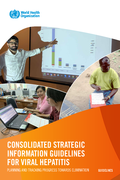
The document describes the use of strategic information at various stages of the response in the context of strengthening broader health information systems. Strategic information can be defined as data collected at all service delivery and administrative levels to inform
...
policy and programme decisions.
more
This Community Health Systems (CHS) Catalog country profile is the 2016 update of a landscape
assessment that was originally conducted by the Advancing Partners & Communities (APC) project
in 2014. The CHS Catalog focuses on 25 countries deemed priority by the United States Agency for
Internation
...
al Development’s (USAID) Office of Population and Reproductive Health, and includes
specific attention to family planning (FP), a core focus of the APC project.
The update comes as many countries are investing in efforts to support the Sustainable Development
Goals and to achieve universal health coverage while modifying policies and strategies to better align
and scale up their community health systems.
The purpose of the CHS Catalog is to provide the most up-to-date information available on community
health systems based on existing policies and related documentation in the 25 countries. Hence, it does
not necessarily capture the realities of policy implementation or service delivery on the ground. APC
has made efforts to standardize the information across country profiles, however, content between
countries may vary due to the availability and quality of the data obtained from policy documents.
more
A conceptual framework for the environmental surveillance of antibiotics and antibiotic resistance
Patricia M.C. Huijbers, Carl-Fredrik Flach, D.G. Joakim Larsson
Centre for Antibiotic Resistance Research (CARe), University of Gothenburg
(2019)
C2
The systematic surveillance of antibiotic use and antibiotic re-sistance prevalence in humans and animals is imperative for managingbacterial infectious disease (JPIAMR, 2019;WHO, 2015). Many low-income countries currently face substantial challenges in building
...
national surveillance systems due to a lack of infrastructure and resources,resulting in a shortage of systematic data (FAO/OIE/WHO, 2018)
more

This document provides guidance to African Union Member States on key mental health and psychosocial support (MHPSS) considerations in relation to the coronavirus disease 2019 (COVID-19) pandemic. It contains useful guidance on MHPSS for the community, healthcare workers, caregivers of vulnerable po
...
pulations and people in quarantine, isolation or treatment centers(1)
(2). This guidance aims to provide practical steps to reduce stress, anxiety, stigma and psychological disorders associated with COVID-19 and improve overall mental health and well being. This guidance can be used for planning purposes by policy makers and Ministries of
health and institutions coordinating emergency response to COVID-19 response by Member States. It can also be disseminated to stakeholders.
more
WHO operational handbook on tuberculosis: module 4: treatment: tuberculosis care and support
recommended
The consolidated guidelines are complemented by an operational handbook which is designed to assist with implementation of the WHO recommendations by Member States, technical partners and others who are involved in the management of patients with DR-TB. The WHO Operational Handbook on Tuberculosis,
...
Module 4: Treatment - Drug-Resistant Tuberculosis Treatment provides practical guidance on how to put in place the recommendations at the scale needed to achieve national and global impact.
The document provides information on different aspects of care and support for TB patients. In particular, the handbook provides practical guidance on the implementation of the interventions that enable treatment adherence such as social support, treatment administration options, digital adherence technologies. The practical guidance also includes models of care for all TB patients, models of care for children and adolescents, integrated care for TB, HIV and comorbidities, engagement of private sector, managing of TB in health emergencies. This new practical handbook also includes two important chapters on health education and counselling, and palliative care for patients with TB.
more
A new publication - Waste Management during the COVID-19 Pandemic: from response to recovery - reviews current practices for managing waste from healthcare facilities, households and quarantine locations accommodating people with confirmed or suspected cases of COVID-19. Jointly produced by UNEP, th
...
e Institute for Global Environmental Strategies and the International Environmental Technology Centre, the report considers various approaches, identifies best practices and technologies, and provides recommendations for policy-makers and practitioners to improve waste management, over the long term.
more
Accessed on 20.10.2020
In its fight against maternal mortality, the government of Burkina Faso is supported
by the donor community which contributes to the health budget and also supports
specific projects aimed at improving access to health care. This report acknowledges
the efforts to address
...
maternal mortality undertaken by the government with the help
of the donor community, as well as projects led by international and national NGOs.
more
Interim Guidance, 12 July 2021; This tool was developed to assess present and surge capacities for the treatment of COVID-19 in health facilities. It allows health facilities to assess the availability and status of stockout of critical COVID-19 medicines
...
, equipment and supplies on site and to identify areas that need further attention to enable the facility to respond effectively to the pandemic. The tool encompasses key components that are essential to managing COVID-19 in a hospital setting, including:
health workforce (numbers, absences, COVID-19 infections, staff vaccinated for COVID-19 health workforce management, training and support);
medicines and medical supplies for management of COVID-19;
IPC capacities (protocols, safety measures, guidelines) and the availability of personal protective equipment (PPE) for staff;
diagnostic testing, imaging and patient monitoring devices and supplies
medical equipment for management of COVID-19, including O2 administration;
COVID-19 vaccine readiness ;
beds and space capacity.
more
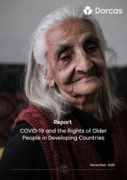
The COVID-19 pandemic and in fact all crises – acute or prolonged – remind us that human rights need to be central in all recovery and development efforts. The Sustainable Development Goals will only be achieved if we are able to create equal opportunities for all, address failures exposed and e
...
xploited by COVID-19, and apply human rights standards to tackle entrenched, systematic, and intergenerational inequalities, exclusion and discrimination.
We also share examples from Dorcas’ practice and formulate recommendations based on good practices of other organisations as well as our own. With this report, we aim to inform and inspire policy makers and humanitarian and development practitioners on inclusion of the rights of Older People in the current COVID-19 crisis, as well as others yet to come.
more

Working Document Nov. 2020
The COVAX Supply and Logistics workstream lead by UNICEF, Gavi and WHO have released a working copy of the COVID-19 Vaccination, Country Readiness & Delivery: Supply and Logistics Guidance. Countries might find this Guide useful when developing and strengthening their sup
...
ply chain strategies to receive, store, distribute and manage the COVID-19 vaccines and their ancillary products, in line with their national deployment and vaccination plan (NDVP). The document also provides links to the different tools and resources to aid countries in performing assessment, planning and capacity-building activities.
more
