
Filter
2369
Text search:
humanitarian
aid
Featured
273
700
Language
2161
110
69
61
32
17
16
13
8
6
5
5
4
4
4
3
3
2
2
2
2
2
2
2
1
1
1
1
1
1
1
1
1
1
1
1
1
1
1
Document type
1201
412
217
177
124
82
57
37
36
11
5
3
3
2
1
Countries
137
136
94
80
68
67
61
59
52
46
45
43
42
38
31
31
30
28
28
28
27
25
20
19
19
18
18
17
16
15
15
15
13
13
13
13
12
12
11
11
11
11
10
9
9
9
8
8
7
7
7
7
7
6
6
5
5
5
5
5
5
5
5
4
4
4
4
4
4
4
4
3
3
3
3
3
3
3
3
3
2
2
2
2
2
2
2
2
2
2
2
2
2
2
2
2
2
1
1
1
1
1
1
1
1
1
1
1
1
1
1
1
1
1
1
1
1
1
1
Authors & Publishers
187
60
58
53
48
46
42
36
32
30
29
28
27
26
23
20
20
19
18
17
16
16
15
15
15
14
14
13
13
12
12
12
12
12
11
11
10
10
10
10
10
8
8
8
8
8
7
7
7
7
7
7
7
7
7
6
6
6
6
6
6
6
6
6
6
6
6
6
6
6
5
5
5
5
5
5
5
5
5
5
5
5
5
5
5
5
5
5
4
4
4
4
4
4
4
4
4
4
4
4
4
4
4
4
4
4
4
4
4
4
4
4
4
4
4
4
4
4
4
4
4
4
4
4
4
3
3
3
3
3
3
3
3
3
3
3
3
3
3
3
3
3
3
3
3
3
3
3
3
3
3
3
3
3
3
3
3
3
3
3
3
3
3
3
3
3
3
3
3
3
3
3
3
3
3
3
3
3
3
3
2
2
2
2
2
2
2
2
2
2
2
2
2
2
2
2
2
2
2
2
2
2
2
2
2
2
2
2
2
2
2
2
2
2
2
2
2
2
2
2
2
2
2
2
2
2
2
2
2
2
2
2
2
2
2
2
2
2
2
2
2
2
2
2
2
2
2
2
2
2
2
2
2
2
2
2
2
2
2
2
2
2
2
2
2
2
2
2
2
2
2
2
2
2
2
2
2
2
2
2
2
2
2
2
2
2
2
2
2
2
2
2
2
2
2
2
2
2
2
2
2
2
2
2
2
2
2
2
2
2
2
2
2
2
2
2
1
1
1
1
1
1
1
1
1
1
1
1
1
1
1
1
1
1
1
1
1
1
1
1
1
1
1
1
1
1
1
1
1
1
1
1
1
1
1
1
1
1
1
1
1
1
1
1
1
1
1
1
1
1
1
1
1
1
1
1
1
1
1
1
1
1
1
1
1
1
1
1
1
1
1
1
1
1
1
1
1
1
1
1
1
1
1
1
1
1
1
1
1
1
1
1
1
1
1
1
1
1
1
1
1
1
1
1
1
1
1
1
1
1
1
1
1
1
1
1
1
1
1
1
1
1
1
1
1
1
1
1
1
1
1
1
1
1
1
1
1
1
1
1
1
1
1
1
1
1
1
1
1
1
1
1
1
1
1
1
1
1
1
1
1
1
1
1
1
1
1
1
1
1
1
1
1
1
1
1
1
1
1
1
1
1
1
1
1
1
1
1
1
1
1
1
1
1
1
1
1
1
1
1
1
1
1
1
1
1
1
1
1
1
1
1
1
1
1
1
1
1
1
1
1
1
1
1
1
1
1
1
1
1
1
1
1
1
1
1
1
1
1
1
1
1
1
1
1
1
1
1
1
1
1
1
1
1
1
1
1
1
1
1
1
1
1
1
1
1
1
1
1
1
1
1
1
1
1
1
1
1
1
1
1
1
1
1
1
1
1
1
1
1
1
1
1
1
1
1
1
1
1
1
1
1
1
1
1
1
1
1
1
1
1
1
1
1
1
1
1
1
1
1
1
1
1
1
1
1
1
1
1
1
1
1
1
1
1
1
1
1
1
1
1
1
1
1
1
1
1
1
1
1
1
1
1
1
1
1
1
1
1
1
1
1
1
1
1
1
1
1
1
1
1
1
1
1
1
1
1
1
1
1
1
1
1
1
1
1
1
1
1
1
1
1
1
1
1
1
1
1
1
1
1
1
1
1
1
1
1
1
1
1
1
1
1
1
1
1
1
1
1
1
1
1
1
1
1
1
1
1
1
1
1
1
1
1
1
1
1
1
1
1
1
1
1
1
1
1
1
1
1
1
1
1
1
1
1
1
1
1
1
1
1
1
1
1
1
1
1
1
1
1
1
1
1
1
1
1
1
1
1
1
1
1
1
1
1
1
1
1
1
1
1
1
1
1
1
1
1
1
1
1
1
1
1
1
1
1
1
1
1
1
1
1
1
1
1
1
1
1
1
1
1
1
1
1
1
1
1
1
1
1
1
1
1
1
1
1
1
1
1
1
1
1
1
1
1
1
1
1
1
1
1
1
1
1
1
1
1
1
1
1
1
1
1
1
1
1
1
1
1
1
1
1
1
1
1
1
1
1
1
1
1
1
1
1
1
1
1
1
1
1
1
1
1
1
1
1
1
1
1
1
1
1
1
1
1
1
1
1
1
1
1
1
1
1
1
1
1
1
1
1
1
1
1
1
1
1
1
1
1
1
1
1
1
1
1
1
1
1
1
1
1
1
1
1
1
1
1
1
1
1
1
1
1
1
1
1
1
1
1
1
1
1
1
1
1
1
1
1
1
1
1
1
1
1
1
1
1
1
1
1
1
1
1
1
1
1
1
1
1
1
1
1
1
1
1
1
1
1
1
1
1
1
1
1
1
1
1
1
1
1
1
1
1
1
1
1
1
1
1
1
1
1
1
1
1
1
1
1
1
1
1
1
1
1
1
1
1
1
1
1
1
1
1
1
1
1
1
1
1
1
1
1
1
1
1
1
1
1
1
1
1
1
1
1
1
1
1
1
1
1
1
1
1
1
1
1
1
1
1
1
1
1
1
1
1
1
1
1
1
1
1
1
1
1
1
1
1
1
1
1
1
1
1
1
1
1
1
1
1
1
1
1
1
1
1
1
1
1
1
1
1
1
1
1
1
1
1
1
1
1
1
1
1
1
1
1
1
1
1
1
1
1
1
1
1
1
1
1
1
1
1
1
1
1
1
1
1
1
1
1
1
1
1
1
1
1
1
1
1
1
1
1
1
1
1
1
1
1
1
1
1
1
1
1
1
1
1
1
1
1
1
1
1
1
1
1
1
1
1
1
1
1
1
1
1
1
1
1
1
1
1
1
1
1
1
1
1
1
1
1
1
1
1
1
1
1
1
1
1
1
1
1
1
1
1
1
1
1
1
1
1
1
1
1
1
1
1
1
1
1
1
1
1
1
1
1
1
1
1
1
1
1
1
1
1
1
1
1
1
1
1
1
1
1
1
1
1
1
1
1
1
1
1
1
1
1
1
1
1
1
1
1
1
1
1
1
1
1
1
1
1
1
1
1
1
1
1
1
1
1
1
1
1
1
1
1
1
1
1
1
1
1
1
1
1
1
1
1
1
1
1
1
1
1
1
1
1
1
1
1
1
1
1
1
1
1
1
1
1
1
1
1
1
1
1
1
1
1
1
1
1
1
1
1
1
1
1
1
1
1
1
1
1
1
1
1
1
1
1
1
1
1
1
1
1
1
1
1
1
1
1
1
1
1
1
1
1
1
1
1
1
1
1
1
1
1
1
1
1
1
1
1
1
1
1
1
1
1
1
1
1
1
1
1
1
1
1
1
1
1
1
1
1
1
1
1
1
1
1
1
1
1
1
1
1
1
1
1
1
1
1
1
1
1
1
1
1
1
1
1
1
1
1
1
1
1
1
1
1
1
1
1
1
1
1
1
1
1
1
1
1
1
1
1
1
1
1
1
1
1
1
1
1
1
1
1
1
1
1
1
1
1
1
1
1
1
1
1
1
1
1
1
1
1
1
1
1
1
1
1
1
1
1
1
1
1
1
1
1
1
1
1
1
1
1
1
1
1
1
1
1
1
1
1
1
1
1
1
1
1
1
1
1
1
1
1
1
1
1
1
1
1
1
1
1
1
1
1
1
1
1
1
1
1
1
1
1
1
1
1
1
1
1
1
1
1
1
1
1
1
1
1
1
1
1
1
1
1
1
1
1
1
1
1
1
1
1
1
1
1
1
1
1
1
1
1
1
1
1
1
1
1
1
1
1
1
1
1
1
1
1
1
1
1
1
1
1
1
1
1
1
1
1
1
1
1
1
1
1
1
1
1
1
1
1
1
1
1
1
1
1
1
1
1
1
1
1
1
1
1
1
1
1
1
1
1
1
1
1
1
1
1
1
1
1
1
1
1
1
1
1
1
1
1
1
1
1
1
1
1
1
1
1
1
1
1
1
1
1
1
1
1
1
1
1
1
1
1
1
1
1
1
1
1
1
1
1
1
1
1
1
1
1
1
1
1
1
1
1
1
1
Publication Years
851
1331
175
12
Category
733
477
134
81
60
57
6
3
Toolboxes
359
251
183
146
131
127
118
89
59
55
39
36
30
25
23
19
15
14
13
10
9
8
7
6
5
3
2
Highlights (1 week ago)
- Civilians have been killed and injured in ongoing fighting while attacks on infrastructure have left people without heat or water.
- Declaration of “Martial law” in Donetska, Khersonska, Luhanska and Zaporizka oblasts creates concern over access and movements for ci
...
vilians living in these areas.
- The humanitarian community continues to scale up winterization assistance as the cold season approaches.
- Humanitarian partners have delivered additional aid in retaken areas of Donetska, Kharkivska and Khersonska oblasts and in Dnipropetrovska oblast.
- 13.47 million people reached with humanitarian assistance and protection since February 2022.
more
Highlights
An estimated 25,000 people have been displaced from Kodok, Tonga and surrounding villages.
Displaced people are in urgent need of clean water and other life-saving assistance.
Protection of civilians is a paramount concern.
32
...
aid workers had to relocate from Kodok and Aburoc due to insecurity
more
The Logistics Cluster (logcluster.org) is a network of humanitarian actors coordinated by the UN (led by the WFP). In the event of disasters, it ensures efficient logistics through coordination, information management and the provision of shared log
...
istics services (e.g. transport, storage) in order to speed up the delivery of humanitarian aid and fill gaps in the supply chain
more
This paper aims to provide aid agencies with initial analysis and guidance to inform the design, implementation and adaptation of conflict-sensitive humanitarian and development responses to the COV
...
ID-19 pandemic. It presents a series of overarching considerations to take into account when determining how to build a conflict-sensitive approach into COVID-19 response activities, before outlining some initial, sector-specific considerations. Recommendations are presented throughout.
more

Guidelines for Medicine Donations
recommended
This 3rd edition of Guidelines for medicine donations has been developed by the World Health Organization (WHO) in cooperation with major international agencies active in humanitarian relief and development assistance. The guidelines are intended to
...
improve the quality of medicine donations in international development assistance and emergency aid. Good medicine donation practice is of interest to both donors and recipients...
more
The Basic Needs and Response Analysis Framework and Toolkit (known as the Framework & Toolkit) is part of the ECHO ERC funded project to increase the uptake of multi-purpose cash grants (MPGs) in emergency responses for more efficient and effective humanit
...
arian action. MPGs are a powerful aid modality because of their efficiency and effectiveness. They can be combined with other assistance modalities to maximize the benefit for affected communities.
more
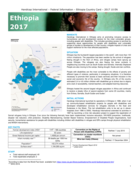
MANDATEHandicap International in Ethiopia aims at promotinginclusive access to humanitarian aid and development sectors for the most vulnerable groups, including people with disabilitie
...
s. This includes providing access to services by supporting equal opportunities for people with disabilities and vulnerable groups to access todevelopment of their country; mitigate impacts of crisis and support resilience for the most affected populations
more
Who is where, when, doing what (4Ws) in mental health and psychosocial support : manual with activity codes
recommended
Humanitarian actors in emergencies often encounter challenges in knowing Who is Where, When, doing What (4Ws) with regard to mental health and psychosocial support (MHPSS). Such knowledge is essential to inform coordination. 4Ws tools are used in ma
...
ny areas of aid to map activities conducted across large geographical areas". This manual outlines the 4Ws with regard to mental health and psychosocial support for humanitarian actors with MHPSS coordinating responsibilities. The tool exists in two parts: a 4Ws data collection spreadsheets application (in excel online) and this manual which describes how to collect the data
more

MEDBOX – The Aid Library is an open-access online library aiming to increase the quality of health care worldwide. Quality assurance and accountability are important values in humanitarian action
...
as well as healthcare settings, which receive growing attention by affected populations, health care workers, humanitarian actors, donors and the public.
Videoclip Series "MEDBOX - The Aid Library" no.1
You can view different language versions: German, English, French, Portuguese, Russian and Spanish
more

The humanitarian crisis in Northeast Nigeria, driven by conflict, climate-related shocks, and food insecurity, has created immense challenges for the health sector in Borno, Adamawa, and Yobe (BAY) States. About 1.8 million people remain displaced(1
...
), with inadequate access to healthcare services and persistent disease outbreaks, malnutrition, and mental health challenges. This strategy outlines a comprehensive localization approach to strengthen the health sector's capacity by empowering local and national actors (L/NAs) include state and local government structures to lead humanitarian responses at respective levels with minimal oversight functions.
The localization strategy aligns with the global commitments of the Grand Bargain 2.0, prioritizing equitable partnerships, capacity sharing, and resource mobilization to enhance sustainable, community-owned health systems(2). Key components include increasing the visibility and meaningful participation of L/NAs in health sector coordination, promoting direct funding to local actors, and addressing systemic barriers such as governance, leadership, capacity, and resource gaps.
The global humanitarian community made a commitment, as reflected in the Grand Bargain 2.0, to localization (3) to improve the efficiency and effectiveness of humanitarian aid. A key priority of this commitment is to empower local actors to take a leading role in delivering assistance, ultimately leading to better outcomes for affected communities. A localized health response, strengthened by partnerships, can achieve several key outcomes, including rapid response and access, community acceptance, cost-effectiveness, links to long-term development, and increased accountability to the community. Localization in health matters because it ensures sustainable and community-owned health responses.
more
Most foreign aid comes in one of two forms: either we pay a person or an institution today in exchange for delivering some beneficial activity in the future, or we observe something bad happen to them and then give them support to recover from it. T
...
his kind of aid is simple to design and deliver,
but in the former case has limits in how sharply it incentivizes success and effort from a range of actors and in the latter case leads to the inefficient and undignified “begging bowl” approach to humanitarian financing. In what follows, I identify a broad family of alternative approaches, which
can loosely be grouped together as “contractually contingent financing,” and explain why they are still relatively underused.
more
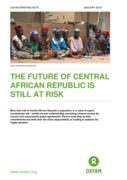
More than half of Central African Republic’s population is in need of urgent humanitarian aid – amidst chronic underfunding, persisting violence across the country and unsuccessful peace agreeme
...
nts. Donors must step up their commitments and meet their fair share responsibility of funding to stabilize the fragile situation.
more
Aviation plays an important role in humanitarian operations around the world, especially in countries where overland transport is difficult or impossible due to insecurity, damaged or inadequate infrastructure, and challenging climatic conditions. A
...
viation allows the transport of humanitarian aid workers and humanitarian cargo to communities in some of the world’s most inaccessible places.
more
With 71 million people forcibly displaced around the world and aid budgets woefully underfunded, how do humanitarian agencies decide whom to help and for how long?
This article analyzes the impact of the COVID-19 pandemic on foreign aid. Using examples from Canadian foreign aid, it argues that, despite the terrible toll it is exacting, the crisis has accelerat
...
ed some significant positive pre-existing trends, both by destabilizing the perception of aid as flowing essentially from the Global North to Global South and by reinforcing awareness of the importance of joint efforts for global public goods and humanitarian assistance, as well as debt relief. However, it has also reinforced potentially harmful self-interested justifications for aid, which could align assistance more with donors’ priorities than the needs of the poor
more
Five years into a conflict that has left 80% of Yemen’s population in need of humanitarian aid, the UN has issued a broad and scathing report detailing violations of international human rights and
...
humanitarian law by all sides in the conflict.
A year of investigations by the Group of International and Regional Eminent Experts on Yemen found a disturbing pattern of violations ranging from arbitrary detention to sexual violence to child recruitment—and “a pervasive lack of accountability” for these violations.
more
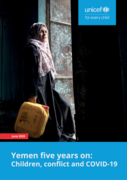
Millions of children in Yemen could be pushed to ‘the brink of starvation’ due to huge shortfalls in humanitarian aid funding amid the COVID-19 pandemic – according to a new UNICEF report mark
...
ing more than five years since conflict escalated in the country.
more
This codebook outlines the set of TUFF procedures that have been developed, tested, refined, and implemented by AidData staff and affiliated faculty at the College of William & Mary. We initially employed these methods to achieve a specific objective: documenting the known universe of officially fin
...
anced Chinese projects in Africa (Strange et al. 2013, 2017). We have since then employed these methods to track Chinese official finance to five major world regions: Africa, the Middle East, Asia and the Pacific, Latin America and the Caribbean, and Central and Eastern Europe (Dreher et al. 2017). Additionally, other social scientists have adapted and applied the TUFF methodology to identify grants and loans from Gulf Cooperation Council (GCC) members (Minor et al. 2014), under-reported humanitarian assistance flows from traditional and non-traditional sources (Ghose 2017), foreign direct investment from Western and non-Western sources (Bunte et al. 2017), and pre-2000 foreign aid flows from China (Morgan and Zheng 2017). However, this codebook focuses specifically on TUFF data collection and quality assurance procedures to track Chinese official finance between 2000 and 2014.
more
Every day, the Ministry of Health receives dozens of appeals from volunteer organisations: how exactly can they help Ukrainian medical institutions, what drugs are most needed, what equipment do they lack?
That’s why we have created a priority list of medicines, medical goods and consumables th
...
at healthcare institutions primarily need. Please, take that into account when you are forming humanitarian aid.
more
The majority of Countdown countries did not reach the fourth Millennium Development Goal (MDG 4) on reducing child mortality, despite the fact that donor funding to the health sector has drastically increased. When tracking aid invested in child sur
...
vival, previous studies have exclusively focused on aid targeting reproductive, maternal, newborn, and child health (RMNCH). We take a multi-sectoral approach and extend the estimation to the four sectors that determine child survival: health (RMNCH and non-RMNCH), education, water and sanitation, and food and humanitarian assistance (Food/HA). Methods and findings: Using donor reported data, obtained mainly from the OECD Creditor Reporting System and Development Assistance Committee, we tracked the level and trends of aid (in grants or loans) disbursed to each of the four sectors at the global, regional, and country levels. We performed detailed analyses on missing data and conducted imputation with various methods. To identify aid projects for RMNCH, we developed an identification strategy that combined keyword searches and manual coding. To quantify aid for RMNCH in projects with multiple purposes, we adopted an integrated approach and produced the lower and upper bounds of estimates for RMNCH, so as to avoid making assumptions or using weak evidence for allocation. We checked the sensitivity of trends to the estimation methods and compared our estimates to that produced by other studies. Our study yielded time-series and recipient-specific annual estimates of aid disbursed to each sector, as well as their lower- and upper-bounds in 134 countries between 2000 and 2014, with a specific focus on Countdown countries. We found that the upper-bound estimates of total aid disbursed to the four sectors in 134 countries rose from US$ 22.62 billion in 2000 to US$ 59.29 billion in
more
