
Filter
1502
Text search:
disabled
people
Featured
117
371
Language
Document type
1099
156
86
81
30
27
14
4
2
2
1
Countries
55
42
41
38
34
34
33
32
31
26
25
24
24
22
22
21
18
18
17
17
16
16
16
15
15
14
13
11
11
10
10
9
9
8
8
7
7
7
6
6
6
5
5
5
5
4
4
4
4
4
3
3
3
3
3
3
3
3
3
2
2
2
2
2
2
2
2
2
2
2
2
2
2
2
2
2
1
1
1
1
1
1
1
1
1
1
1
1
1
1
1
1
1
1
1
1
Authors & Publishers
Publication Years
Category
537
115
74
64
35
27
3
1
Toolboxes
529
143
73
61
39
38
36
30
21
16
16
13
11
9
9
8
6
4
4
3
3
3
2
2
1
1
1
The WHO Toolkit for the care and support of people affected by complications associated with Zika virus has been developed to serve as a model guide, with the goal of enhancing country preparedness for Zika virus outbreaks. The toolkit is intended
...
.This assessment was conducted using focus group discussion(FGD)with peopleliving with disabilities who were members of the Ethiopian National Association of the Deaf(Person with hearing impairment), Ethiopian National Association of the Deaf -Blind ( Person with hearing and visual impairment), Ethi
...
Guidance module.
The QualityRights training and orientation modules have been developed to enhance the knowledge, skills and understanding of key stakeholders on how to promote the rights of people with psychosocial, intellectual or cognitive disa
...
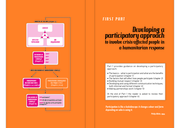
The Participation Handbook for humanitarian field workers contains detailed practical advice on the participation of affected people in humanitarian action. It has three sections:
Developing a participatory approach (main issues, key factors,
...
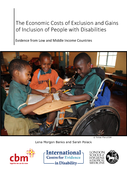
Evidence from Low and Middle Income Countries
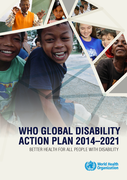
he WHO global disability action plan 2014-2021 is a significant step towards achieving health and well-being and human rights for people with disabilities. The action plan was endorsed by WHO Member States in 2014 and calls for them to remove barrie
...
This webpage gives details about Autism and Autism Spectrum Disorders, as well as offering practical advice about how to get help.
Accessed: 29.03.2019
Les modules de formation et d’orientation QualityRights ont été élaborés pour renforcer les connaissances, les compétences et la compréhension des principales parties prenantes sur la manière de promouvoir les droits des personnes en situation de handicap psychosocial, intellectuel ou cogni
...
BioMed Central DOI 10.1186/s12963-016-0096-y

To support countries in adapting their response to different COVID-19 scenarios, the World Health Organization (WHO) Department of Maternal, Newborn, Child and Adolescent Health and Ageing commissioned this scoping review of published and grey literature. The objective was to identify interventions
...
Conference Report Sao Paulo, Brazil 22-24 October 2015
Accessed Sept. 2, 2015
