
Filter
1458
Text search:
Cholera
Featured
187
508
Language
Document type
680
208
182
89
80
53
51
48
34
14
11
7
1
Countries
98
68
64
51
45
45
42
35
29
29
28
27
27
25
25
23
21
19
19
18
18
17
16
16
15
14
13
12
12
12
9
8
8
8
8
8
6
5
5
5
4
3
3
3
3
3
2
2
2
2
2
2
2
2
2
2
2
2
2
2
1
1
1
1
1
1
1
1
1
1
1
1
1
1
1
1
1
1
1
1
1
Authors & Publishers
Publication Years
Category
549
192
84
72
58
25
13
3
Toolboxes
320
90
80
72
72
70
65
50
33
33
32
31
20
14
12
10
8
8
6
6
5
4
3
2
1
1
The document provides essential guidelines for preventing and managing acute diarrhoeal diseases, particularly in complex emergency situations such as conflicts, natural disasters, or health crises. It highlights the importance of access to safe drinking water, sanitation, personal hygiene, and the
...

The document provides essential guidelines for managing cholera outbreaks. It includes instructions for preparing oral rehydration solutions (ORS) using simple ingredients like sugar and salt to treat dehydration caused by
...
The Lancet Global Health, published online 18 August 2017;
http://dx.doi.org/10.1016/S2214-109X(17)30332-7
The article "The Political Determinants of the Cholera Outbreak in Yemen" examines how the ongoing civil war has contributed to Yemen’s
...
Weekly Epidemiological Record (WER), 17 September 2021, Vol. 96, No. 37 (pp. 445-460)
The WHO Cholera Vaccine Position Paper (August 2017) highlights the importance of oral cholera vaccines (OCVs) as a key tool in outbreak response and prevention, alongside water, sanitation, and hyg
...
Cholera is an intestinal infection caused by bacteria known as Vibrio cholerae. The main symptoms of this disease are diarrhea and vomiting. Transmission of cholera primarily occurs by consumption o
...
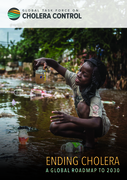
Ending Cholera. A global roadmap to 2030
recommended
Ending Cholera—A Global Roadmap to 2030 operationalises the new global strategy for cholera control at the country level and provides a concrete path toward a world in which
...

The WHO Guide on Oral Cholera Vaccines in Mass Immunization Campaigns provides guidance on the planning and implementation of oral cholera vaccine (OCV) campaigns. It covers key aspects such as when
...

The technical note from the Global Task Force on Cholera Control (GTFCC) examines the risks and benefits of vaccinating pregnant women with WHO-prequalified oral cholera vaccines (OCVs) during mass
...

The technical note by the Global Task Force on Cholera Control (GTFCC) discusses the use of Oral Cholera Vaccines (OCVs) for international workers and travelers in
...
The Interim Guidance on Cholera Rapid Diagnostic Tests (RDTs) by the Global Task Force on Cholera Control (GTFCC) provides recommendations for using RDTs to detect
...
The objective of this guidance document is to support the public health professionals
in implementing effective surveillance of cholera in at-risk, endemic and epidemic
areas. This document has been developed by the Surveillance Working Group of t
...
The GTFCC Laboratory Support for Public Health Surveillance document provides guidelines on using DNA-based molecular techniques for identifying and monitoring Vibrio cholerae strains in cholera outbreaks. It highlights the importance of genetic seq
...
The WHO Cholera Rapid Diagnostic Test (RDT) Target Product Profile outlines the key requirements for developing improved cholera RDTs. It highlights the need for fast, accurate, and easy-to-use test
...

Cholera epidemics continue to be a major public health problem in many countries around the
world. When epidemics strike, they can spread rapidly. The disease can also evolve quickly;
patients with severe disease can die of dehydration hours after
...
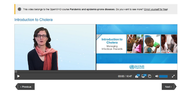
Cholera is an acute diarrhoeal infection caused by ingestion of contaminated water or food.
This introductory-level course has 4 sections and is intended for personnel responding to cholera outbrea
...
Prevention and Control of Cholera Uganda
recommended
Operational Guidelines for the national and district health workers & planners.
These new approaches include use of selective chemotherapy, Rapid Diagnostic Tests (RDTs), Zinc for treatment of cholera in children and complementary use of OCV
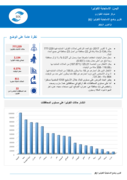
This document is a situation report (#6) from October 2, 2017, describing the cholera outbreak in Yemen. By October 1, 2017, there were 777,229 suspected cholera cases and 2,134 deaths across 22 of
...
CORE Group has developed a module to improve preparedness for and response of communities in countries at risk of a cholera epidemic. The module consists of four lesson plans with accompanying flipcharts, intended to be delivered through community h
...
