
Filter
4577
Text search:
sustainable
management
Featured
392
1318
Language
4422
120
94
69
64
38
31
19
7
7
6
5
4
3
3
3
2
2
2
2
2
2
2
2
2
2
2
1
1
1
1
1
1
1
1
1
1
1
1
1
1
1
1
1
1
1
1
1
1
1
1
1
Document type
2219
1048
540
317
274
63
59
31
11
6
4
3
1
Countries
294
136
125
114
107
105
98
97
95
82
82
80
80
77
75
67
66
64
60
56
55
41
40
38
38
38
36
35
34
31
31
28
28
28
27
26
26
22
21
20
19
16
16
16
16
15
15
14
13
13
13
12
12
12
12
12
11
11
11
10
10
10
10
9
9
8
7
6
6
6
5
5
5
5
5
5
5
5
4
4
4
4
4
3
3
3
3
3
3
3
3
3
3
3
3
3
2
2
2
2
2
2
2
2
2
2
2
2
2
2
2
2
2
2
2
2
2
1
1
1
1
1
1
1
1
1
1
1
1
1
1
1
1
1
1
1
1
1
1
1
1
1
1
Authors & Publishers
654
150
150
138
137
109
69
50
50
47
39
30
26
24
23
20
20
19
18
18
17
17
17
16
16
15
15
15
15
14
13
13
13
13
13
13
13
12
12
12
12
12
12
12
12
11
11
11
11
11
11
11
11
10
10
10
10
9
9
9
9
9
9
8
8
8
8
8
8
8
8
8
8
8
8
7
7
7
7
7
7
7
7
7
7
7
7
7
6
6
6
6
6
6
6
6
6
6
6
6
6
6
6
6
6
6
6
6
6
6
6
6
6
6
6
5
5
5
5
5
5
5
5
5
5
5
5
5
5
5
5
5
5
5
5
5
5
5
5
5
5
5
5
5
5
5
5
5
5
5
5
5
4
4
4
4
4
4
4
4
4
4
4
4
4
4
4
4
4
4
4
4
4
4
4
4
4
4
4
4
4
4
4
4
4
4
4
4
4
4
4
4
4
4
4
4
4
4
4
4
3
3
3
3
3
3
3
3
3
3
3
3
3
3
3
3
3
3
3
3
3
3
3
3
3
3
3
3
3
3
3
3
3
3
3
3
3
3
3
3
3
3
3
3
3
3
3
3
3
3
3
3
3
3
3
3
3
3
3
3
3
3
3
3
3
3
3
3
3
3
3
3
3
3
3
3
3
3
3
3
3
3
3
3
3
3
2
2
2
2
2
2
2
2
2
2
2
2
2
2
2
2
2
2
2
2
2
2
2
2
2
2
2
2
2
2
2
2
2
2
2
2
2
2
2
2
2
2
2
2
2
2
2
2
2
2
2
2
2
2
2
2
2
2
2
2
2
2
2
2
2
2
2
2
2
2
2
2
2
2
2
2
2
2
2
2
2
2
2
2
2
2
2
2
2
2
2
2
2
2
2
2
2
2
2
2
2
2
2
2
2
2
2
2
2
2
2
2
2
2
2
2
2
2
2
2
2
2
2
2
2
2
2
2
2
2
2
2
2
2
2
2
2
2
2
2
2
2
2
2
2
2
2
2
2
2
2
2
2
2
2
2
2
2
2
2
2
2
2
2
2
2
2
2
2
2
2
2
2
2
2
2
2
2
2
2
2
2
2
2
2
2
2
2
2
2
2
2
2
2
2
2
2
2
2
2
2
2
2
2
2
2
2
2
2
2
2
2
2
2
2
2
2
2
2
2
2
2
2
2
2
2
2
2
2
2
2
2
2
2
2
2
2
2
2
2
2
2
2
2
2
2
2
2
2
2
2
2
2
2
2
2
1
1
1
1
1
1
1
1
1
1
1
1
1
1
1
1
1
1
1
1
1
1
1
1
1
1
1
1
1
1
1
1
1
1
1
1
1
1
1
1
1
1
1
1
1
1
1
1
1
1
1
1
1
1
1
1
1
1
1
1
1
1
1
1
1
1
1
1
1
1
1
1
1
1
1
1
1
1
1
1
1
1
1
1
1
1
1
1
1
1
1
1
1
1
1
1
1
1
1
1
1
1
1
1
1
1
1
1
1
1
1
1
1
1
1
1
1
1
1
1
1
1
1
1
1
1
1
1
1
1
1
1
1
1
1
1
1
1
1
1
1
1
1
1
1
1
1
1
1
1
1
1
1
1
1
1
1
1
1
1
1
1
1
1
1
1
1
1
1
1
1
1
1
1
1
1
1
1
1
1
1
1
1
1
1
1
1
1
1
1
1
1
1
1
1
1
1
1
1
1
1
1
1
1
1
1
1
1
1
1
1
1
1
1
1
1
1
1
1
1
1
1
1
1
1
1
1
1
1
1
1
1
1
1
1
1
1
1
1
1
1
1
1
1
1
1
1
1
1
1
1
1
1
1
1
1
1
1
1
1
1
1
1
1
1
1
1
1
1
1
1
1
1
1
1
1
1
1
1
1
1
1
1
1
1
1
1
1
1
1
1
1
1
1
1
1
1
1
1
1
1
1
1
1
1
1
1
1
1
1
1
1
1
1
1
1
1
1
1
1
1
1
1
1
1
1
1
1
1
1
1
1
1
1
1
1
1
1
1
1
1
1
1
1
1
1
1
1
1
1
1
1
1
1
1
1
1
1
1
1
1
1
1
1
1
1
1
1
1
1
1
1
1
1
1
1
1
1
1
1
1
1
1
1
1
1
1
1
1
1
1
1
1
1
1
1
1
1
1
1
1
1
1
1
1
1
1
1
1
1
1
1
1
1
1
1
1
1
1
1
1
1
1
1
1
1
1
1
1
1
1
1
1
1
1
1
1
1
1
1
1
1
1
1
1
1
1
1
1
1
1
1
1
1
1
1
1
1
1
1
1
1
1
1
1
1
1
1
1
1
1
1
1
1
1
1
1
1
1
1
1
1
1
1
1
1
1
1
1
1
1
1
1
1
1
1
1
1
1
1
1
1
1
1
1
1
1
1
1
1
1
1
1
1
1
1
1
1
1
1
1
1
1
1
1
1
1
1
1
1
1
1
1
1
1
1
1
1
1
1
1
1
1
1
1
1
1
1
1
1
1
1
1
1
1
1
1
1
1
1
1
1
1
1
1
1
1
1
1
1
1
1
1
1
1
1
1
1
1
1
1
1
1
1
1
1
1
1
1
1
1
1
1
1
1
1
1
1
1
1
1
1
1
1
1
1
1
1
1
1
1
1
1
1
1
1
1
1
1
1
1
1
1
1
1
1
1
1
1
1
1
1
1
1
1
1
1
1
1
1
1
1
1
1
1
1
1
1
1
1
1
1
1
1
1
1
1
1
1
1
1
1
1
1
1
1
1
1
1
1
1
1
1
1
1
1
1
1
1
1
1
1
1
1
1
1
1
1
1
1
1
1
1
1
1
1
1
1
1
1
1
1
1
1
1
1
1
1
1
1
1
1
1
1
1
1
1
1
1
1
1
1
1
1
1
1
1
1
1
1
1
1
1
1
1
1
1
1
1
1
1
1
1
1
1
1
1
1
1
1
1
1
1
1
1
1
1
1
1
1
1
1
1
1
1
1
1
1
1
1
1
1
1
1
1
1
1
1
1
1
1
1
1
1
1
1
1
1
1
1
1
1
1
1
1
1
1
1
1
1
1
1
1
1
1
1
1
1
1
1
1
1
1
1
1
1
1
1
1
1
1
1
1
1
1
1
1
1
1
1
1
1
1
1
1
1
1
1
1
1
1
1
1
1
1
1
1
1
1
1
1
1
1
1
1
1
1
1
1
1
1
1
1
1
1
1
1
1
1
1
1
1
1
1
1
1
1
1
1
1
1
1
1
1
1
1
1
1
1
1
1
1
1
1
1
1
1
1
1
1
1
1
1
1
1
1
1
1
1
1
1
1
1
1
1
1
1
1
1
1
1
1
1
1
1
1
1
1
1
1
1
1
1
1
1
1
1
1
1
1
1
1
1
1
1
1
1
1
1
1
1
1
1
1
1
1
1
1
1
1
1
1
1
1
1
1
1
1
1
1
1
1
1
1
1
1
1
1
1
1
1
1
1
1
1
1
1
1
1
1
1
1
1
1
1
1
1
1
1
1
1
1
1
1
1
1
1
1
1
1
1
1
1
1
1
1
1
1
1
1
1
1
1
1
1
1
1
1
1
1
1
1
1
1
1
1
1
1
1
1
1
1
1
1
1
1
1
1
1
1
1
1
1
1
1
1
1
1
1
1
1
1
1
1
1
1
1
1
1
1
1
1
1
1
1
1
1
1
1
1
1
1
1
1
1
1
1
1
1
1
1
1
1
1
1
1
1
1
1
1
1
1
1
1
1
1
1
1
1
1
1
1
1
1
1
1
1
1
1
1
1
1
1
1
1
1
1
1
1
1
1
1
1
1
1
1
1
1
1
1
1
1
1
1
1
1
1
1
1
1
1
1
1
1
1
1
1
1
1
1
1
1
1
1
1
1
1
1
1
1
1
1
1
1
1
1
1
1
1
1
1
1
1
1
1
1
1
1
1
1
1
1
1
1
1
1
1
1
1
1
1
1
1
1
1
1
1
1
1
1
1
1
1
1
1
1
1
1
1
1
1
1
1
1
1
1
1
1
1
1
1
1
1
1
1
1
1
1
1
1
1
1
1
1
1
1
1
1
1
1
1
1
1
1
1
1
1
1
1
1
1
1
1
1
1
1
1
1
1
1
1
1
1
1
1
1
1
1
1
1
1
1
1
1
1
1
1
1
1
1
1
1
1
1
1
1
1
1
1
1
1
1
1
1
1
1
1
1
1
1
1
1
1
1
1
1
1
1
1
1
1
1
1
1
1
1
1
1
1
1
1
1
1
1
1
1
1
1
1
1
1
1
1
1
1
1
1
1
1
1
1
1
1
1
1
1
1
1
1
1
1
1
1
1
1
1
1
1
1
1
1
1
1
1
1
1
1
1
1
1
1
1
1
1
1
1
1
1
1
1
1
1
1
1
1
1
1
1
1
1
1
1
1
1
1
1
1
1
1
1
1
1
1
1
1
1
1
1
1
1
1
1
1
1
1
1
1
1
1
1
1
1
1
1
1
1
1
1
1
1
1
1
1
1
1
1
1
1
1
1
1
1
1
1
1
1
1
1
1
1
1
1
1
1
1
1
1
1
1
1
1
1
1
1
1
1
1
1
1
1
1
1
1
1
1
1
1
1
1
1
1
1
1
1
1
1
1
1
1
1
1
1
1
1
1
1
1
1
1
1
1
1
1
1
1
1
1
1
1
1
1
1
1
1
1
1
1
1
1
1
1
1
1
1
1
1
1
1
1
1
1
1
1
1
1
1
1
1
1
1
1
1
1
1
1
1
1
1
1
1
1
1
1
1
1
1
1
1
1
1
1
1
1
1
1
1
1
1
1
1
1
1
1
1
1
1
1
1
1
1
1
1
1
1
1
1
1
1
1
1
1
1
1
1
1
1
1
1
1
1
1
1
1
1
1
1
1
1
1
1
1
1
1
1
1
1
1
1
1
1
1
1
1
1
1
1
1
1
1
1
1
1
1
1
1
1
1
1
1
1
1
1
1
1
1
1
1
1
1
1
1
1
1
1
1
1
1
1
1
1
1
1
1
1
1
1
1
1
1
1
1
1
1
1
1
1
1
1
1
1
1
1
1
1
1
1
1
1
1
1
1
1
1
1
1
1
1
1
1
1
1
1
1
1
1
1
1
1
1
1
1
1
1
1
1
1
1
1
1
1
1
1
1
1
1
1
1
1
1
1
1
1
1
1
1
1
1
1
1
1
1
1
1
1
1
1
1
1
1
1
1
1
1
1
1
1
1
1
1
1
1
1
1
1
1
1
1
1
1
1
1
1
1
1
1
1
1
1
1
1
1
1
1
1
1
1
1
1
1
1
1
1
1
1
1
1
1
1
1
1
1
1
1
1
1
1
1
1
1
1
1
1
1
1
1
1
1
1
1
1
1
1
1
1
1
1
1
1
1
1
1
1
1
1
1
1
1
1
1
1
1
1
1
1
1
1
1
1
1
1
1
1
1
1
1
1
1
1
1
1
1
1
1
1
1
1
1
1
1
1
1
1
1
1
1
1
1
1
1
1
1
1
1
1
1
1
1
1
1
1
1
1
1
1
1
1
1
1
1
1
1
1
1
1
1
1
1
1
1
1
1
1
1
1
1
1
1
1
1
1
1
1
1
1
1
1
1
1
1
1
1
1
1
1
1
1
1
1
1
1
1
1
1
1
1
1
1
1
1
1
1
1
1
1
1
1
1
1
1
1
1
1
1
1
1
1
1
1
1
1
1
1
1
1
1
1
1
1
1
1
1
1
1
1
1
1
1
1
1
1
1
1
1
1
1
1
1
1
1
1
1
1
1
1
1
1
1
1
1
1
1
1
1
1
1
1
1
1
1
1
1
1
1
1
1
1
1
1
1
1
1
1
1
1
1
1
1
1
1
1
1
1
1
1
1
1
1
1
1
1
1
1
1
1
1
1
1
1
1
1
1
1
1
1
1
1
1
1
1
1
1
1
1
1
1
1
1
1
1
1
1
1
1
1
1
1
1
1
1
1
1
1
1
1
1
1
1
1
1
1
1
1
1
1
1
1
1
1
1
1
1
1
1
1
1
1
1
1
1
1
1
1
1
1
1
1
1
1
1
1
1
1
1
1
1
1
1
1
1
1
1
1
1
1
1
1
1
1
1
1
1
1
1
1
1
1
1
1
1
1
1
1
1
1
1
1
1
1
1
1
1
1
1
1
1
1
1
1
1
1
1
1
1
1
1
1
1
1
1
1
1
1
1
1
1
1
1
1
1
1
1
1
1
1
1
1
1
1
1
1
1
1
1
1
1
1
1
1
1
1
1
1
1
1
1
1
1
1
1
1
1
1
1
1
1
1
1
1
1
1
1
1
1
1
1
1
1
1
1
1
1
1
1
1
1
1
1
1
1
1
1
1
1
1
1
1
1
1
1
1
1
1
1
1
1
1
1
1
1
1
1
1
1
1
1
1
1
1
1
1
1
1
1
1
1
1
1
1
1
1
1
1
1
1
1
1
1
1
1
1
1
1
1
1
1
1
1
1
1
1
1
1
1
1
1
1
1
1
1
1
1
1
1
1
1
1
1
1
1
1
1
1
1
1
1
1
1
1
1
1
1
1
1
1
1
1
1
1
1
1
1
1
1
1
1
1
1
1
1
1
1
1
1
1
1
1
1
1
1
1
1
1
1
1
1
1
1
1
1
1
1
1
1
1
1
1
1
1
1
1
1
1
1
1
1
1
1
1
1
1
1
1
1
1
1
1
1
1
1
1
1
1
1
1
1
1
1
1
1
1
1
1
1
1
1
1
1
1
1
1
1
1
1
1
1
1
1
1
1
1
1
1
1
1
1
1
1
1
1
1
1
1
1
1
1
1
1
1
1
1
1
1
1
1
1
1
1
1
1
1
1
1
1
1
1
1
1
1
1
1
1
1
1
1
1
1
1
1
1
1
1
1
1
1
1
1
1
1
1
1
1
1
1
1
1
1
1
1
1
1
1
1
1
1
1
1
1
1
1
1
1
1
1
1
1
1
1
1
1
1
1
1
1
1
1
1
1
1
1
1
1
1
1
1
1
1
1
1
1
1
1
1
1
1
1
1
1
1
1
1
1
1
1
1
1
1
1
1
1
1
1
1
1
1
1
1
1
1
1
1
1
1
1
1
1
1
1
1
1
1
1
1
1
1
1
1
1
1
1
1
1
1
1
1
1
1
1
1
1
1
1
1
1
1
1
1
1
1
1
1
1
1
1
1
1
1
1
1
1
1
1
1
1
1
1
1
1
1
1
1
1
1
1
1
1
1
1
1
1
1
1
1
1
1
1
1
1
1
1
1
1
1
1
1
1
1
1
1
1
1
1
1
1
1
1
1
1
1
1
1
1
1
1
1
1
1
1
1
1
1
1
1
1
1
1
1
1
1
1
1
1
1
1
1
1
1
1
1
1
1
1
1
1
1
1
1
1
1
1
1
1
1
1
1
1
1
1
1
1
1
1
1
1
1
1
1
1
1
1
1
1
1
1
1
1
1
1
1
1
1
1
1
1
1
1
1
1
1
1
1
1
1
1
1
1
1
1
1
1
1
1
1
1
1
1
1
1
1
1
1
1
1
1
1
1
1
1
1
1
1
1
1
1
1
1
1
1
1
1
1
1
1
1
1
1
1
1
1
1
1
1
1
1
1
1
1
1
1
1
1
1
1
1
1
1
1
1
1
1
1
1
1
1
1
1
1
1
1
1
1
1
1
1
1
1
1
1
1
1
1
1
1
1
1
1
1
1
1
1
1
1
1
1
1
1
1
1
1
1
1
1
1
1
1
1
1
1
1
1
1
1
1
1
1
1
1
1
1
1
1
1
1
1
1
1
1
1
1
1
1
1
1
1
1
1
1
1
1
1
1
1
1
1
1
1
Publication Years
1581
2660
322
13
1
Category
1750
415
317
254
242
78
33
2
Toolboxes
365
265
249
205
177
170
154
148
144
139
123
101
95
91
91
85
80
71
63
54
29
19
15
15
14
3
1
India contributes to 16% of the global maternal deaths and around 27% of global newborn deaths. Reducing the burden of maternal and newborn mortality and morbidity in urban poor settings today requires an expansion of effective Maternal and Newborn Health (MNH) care services and lowering the barrier
...
s to the use of such services, especially availability and accessibility.
For designing sensitive, responsive and relevant urban health policy and action, it is important for planners and programme managers to understand the context with regard to current systems and mechanisms, potential organisations and best practices.
In order to adres this need, Save the Children’s Saving Newborn Lives programme commissioned a study that reviewed the literature and looked at available secondary data on MNH in urban poor settings.
more
This year marked the beginning of the WHO biennium 2016-2017 action plan; this annual report highlights WHO’s key achievements in 2016
It also documents the extraordinary efforts by a broad coalition of government ministries, municipalities, international agencies, community groups, women’s or
...
ganizations, religious and traditional leaders, media, private sector and donors towards restoration and improving health indicators.
more

Delivering quality health services: A global imperative for universal health coverage
Kieny, Marie-Paule; Evans, Timothy Grant; Scarpetta, Stefano; Kelley, Edward T.; Klazinga, Niek; Forde, Ian; Veillard, Jeremy Henri Maurice; Leatherman, Sheila; Syed, Shamsuzzoha; Kim, Sun Mean; Nejad, Sepideh Bagheri; Donaldson, Liam
World Health Organization (WHO), Organisation for Economic Co-operation and Development (OECD), and The World Bank
(2018)
C_WHO
Poor quality health services are holding back progress on improving health in countries at all income levels.
Today, inaccurate diagnosis, medication errors, inappropriate or unnecessary treatment, inadequate or unsafe clinical facilities or practices, or providers who lack adequate training an ... d expertise prevail in all countries.
The situation is worst in low and middle-income countries where 10 percent of hospitalized patients can expect to acquire an infection during their stay, as compared to seven percent in high income countries. This is despite hospital acquired infections being easily avoided through better hygiene, improved infection control practices and appropriate use of antimicrobials.. At the same time, one in ten patients is harmed during medical treatment in high income countries. more
Today, inaccurate diagnosis, medication errors, inappropriate or unnecessary treatment, inadequate or unsafe clinical facilities or practices, or providers who lack adequate training an ... d expertise prevail in all countries.
The situation is worst in low and middle-income countries where 10 percent of hospitalized patients can expect to acquire an infection during their stay, as compared to seven percent in high income countries. This is despite hospital acquired infections being easily avoided through better hygiene, improved infection control practices and appropriate use of antimicrobials.. At the same time, one in ten patients is harmed during medical treatment in high income countries. more
This Technical Brief focuses on appraising and prioritising options for climate resilience with a view to informing water, sanitation and hygiene (WASH) programme and project design.
This Technical Brief:
- provides a simple scorecard/checklist approach to use as a starting point for appr ... aising and prioritising options, and as an awareness-raising activity - covers all aspects of WASH
- has a predominantly rural focus, to align with the rest of the Strategic Framework and Technical Briefs
- focuses on current and near future options over the next 15–20 years, which fits in with WASH programming timescales and development
- includes WASH examples to show how the approach can be applied. more
This Technical Brief:
- provides a simple scorecard/checklist approach to use as a starting point for appr ... aising and prioritising options, and as an awareness-raising activity - covers all aspects of WASH
- has a predominantly rural focus, to align with the rest of the Strategic Framework and Technical Briefs
- focuses on current and near future options over the next 15–20 years, which fits in with WASH programming timescales and development
- includes WASH examples to show how the approach can be applied. more
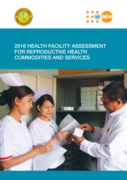
A nationwide survey of a representative sample of health facilities across public health services in all states and regions of Myanmar has been undertaken since 2014 to track Reproductive Health Commodity Security (RHCS) indicators, such as the availability of reproductive health (RH) commodities; t
...
he supply chain (including cold chain systems); staff training and supervision; availability of guidelines and protocols; information and communication technologies; methods of waste disposal; and user fees. The surveys have also obtained the views of clients about the quality and cost of services through exit interviews. This is the third report for Myanmar, which is an assessment of the situation in 2016.
more
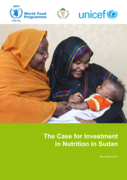
Over the period 2015 to 2019, scaling up a package of selected nutrition-specific and nutrition sensitive interventions to cover 90 per cent of Sudan would:
- Reduce the under-five mortality rate to 49/1,000 live births
- Reduce the prevalence of stunting to 25 per cent
- Reduce the ... prevalence of wasting (global acute malnutrition – GAM) to 6 per cent
- Increase exclusive breastfeeding to 63 per cent
- Reduce iron deficiency anaemia among pregnant women to 26 per cent. more
- Reduce the under-five mortality rate to 49/1,000 live births
- Reduce the prevalence of stunting to 25 per cent
- Reduce the ... prevalence of wasting (global acute malnutrition – GAM) to 6 per cent
- Increase exclusive breastfeeding to 63 per cent
- Reduce iron deficiency anaemia among pregnant women to 26 per cent. more
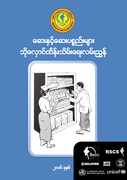
Translation of the 1st ed., 2003
These guidelines were written for anyone trying to meet and solve the challenges of operating a warehouse today. They are an important reference tool for managers and staff, whether they are constructing a new warehouse, implementing a new warehouse syste ... m, or redesigning their current system.
Guidelines for Warehousing Health Commodities is for use by supply chain managers, logistics advisors, and warehouse managers who want to improve and increase efficiency in their current health commodity warehouse. more
These guidelines were written for anyone trying to meet and solve the challenges of operating a warehouse today. They are an important reference tool for managers and staff, whether they are constructing a new warehouse, implementing a new warehouse syste ... m, or redesigning their current system.
Guidelines for Warehousing Health Commodities is for use by supply chain managers, logistics advisors, and warehouse managers who want to improve and increase efficiency in their current health commodity warehouse. more

State of Health in the WHO African Region
recommended
This report is not a country scorecard. Rather, its purpose is to act as a compass to guide progress towards health in the SDGs.
There has been a significant improvement in the state of health in the region with healthy life expectancy - time spent in full health - in the region increasing from 50
...
.9 years to 53.8 between 2012 and 2015 - the most marked increase of any region in the world.
What is making Africans sick is changing. The top killers are still lower respiratory infections, HIV and diarrhoeal disease and countries have routinely focused on preventing and treating this trio, often through specialized programmes. The payoff has been significant declines in deaths due to these diseases. There has been a 50% reduction in the burden of disease caused by what have been the top 10 killers since 2000 and death rates have dropped from 87.7 to 51.1 deaths per 100,000 persons between 2000 and 2015...
Chronic diseases like heart disease and cancer are now claiming more lives with a person aged 30 to 70 in the region having a one in five chance of dying from a noncommunicable disease (NCDs).
Countries are specifically failing to provide essential services to two critical age groups – adolescents and the elderly...
more
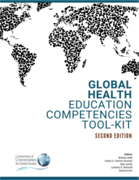
Global Health Education Competencies Tool-Kit
Astle. B.; C.A.Faerron-Guzman; A. Landry, et al.
Consortium for Universities for Global Health
(2018)
CC
2nd edition.
The tool kit provides learning objects and curricular content to support the competencies for those proficiency/trainee levels
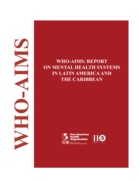
The Member States of the Pan American Health Organization/World Health Organization (PAHO/WHO)
that appear in the tables below have used the assessment instrument for mental health systems (WHOAIMS)
(1), as have Anguilla, the British Virgin Islands, Montserrat, and Turks and Caicos, all British
O
...
verseas Territories. For the purpose of this report, the countries and territories were grouped into three subregions, as follows:
Central America, Mexico, and the Latin Caribbean, the non-Latin Caribbean, and South America. The tables
also indicate the year each national WHO-AIMS report was published.
more
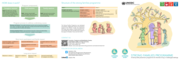
The Strong Families Programme was developed and piloted in Afghanistan thanks to the generous support of the US-INL. To date, this programme has further been piloted in Central America, Central and West Asia, East and West Africa thanks to the support of Sweden, France and the US
UN, international agencies and experts released a groundbreaking report demanding immediate, coordinated and ambitious action to avert a potentially disastrous drug-resistance crisis.
If no action is taken - warns the UN Ad hoc Interagency Coordinating Group on Antimicrobial Resistance who release
...
d the report – drug-resistant diseases could cause 10 million deaths each year by 2050 and damage to the economy as catastrophic as the 2008-2009 global financial crisis. By 2030, antimicrobial resistance could force up to 24 million people into extreme poverty.
more
Governments have dedicated a pivotal role to the private sector in the implementation and financing of the 2030 Agenda and the SDGs. This has pushed a turn towards the private sector, the promotion of multi-stakeholder partnerships between public and private actors. However, far too often there is a
...
considerable gap between the social and environmental commitments companies make publicly in political fora like the UN and the actual effects of their production patterns and investment strategies on people and the environment. A new working paper, published by Brot für die Welt, Global Policy Forum and MISEREOR provides an overview of the ways and means by which the UN involves business actors in the debates around the implementation of the 2030 Agenda. It describes new initiatives and alliances of business actors around SDG implementation at the international level, and their main messages and policy proposals. With a few selected examples it contrasts the sustainability rhetoric of corporations with their business reality. And finally, the working paper draws conclusions and formulates recommendations for policymakers on how to increase the benefits of UN-business interactions in implementing the 2030 Agenda - and how to reduce associated risks and negative side effects.
more
Studies show that peer support can improve AYPLHIV linkage, adherence, viral suppression, retention and psychosocial wellbeing. Peer support models can also provide young peer supporters with opportunities for leadership development, capacity building and youth-led advocacy, helping to combat the ne
...
gative effects of self-stigma and peer pressure.
more
The compendium compiles practical case studies on the use of Geospatial Artificial Intelligence (GeoAI) to enhance disaster risk reduction and emergency response across diverse geographic and institutional contexts.
The compendium features selected case studies submitted by twenty-seven Regional Su
...
pport Offices (RSOs) working across Asia, Africa, Latin America, and Europe. These examples highlight how GeoAI, is being used to forecast floods, map wildfire risk, assess landslide susceptibility, monitor droughts, and support emergency response. Each project demonstrates how cloud-based platforms and machine learning tools help governments act faster and more precisely when disaster strike.
more
