
Filter
1309
Text search:
physical
impairment
Featured
153
268
Language
Document type
897
174
113
70
26
15
4
3
2
2
2
1
Countries
62
47
40
38
30
28
27
25
20
20
18
18
16
16
15
13
13
12
12
12
11
10
10
8
8
8
8
7
7
6
6
6
6
5
5
4
4
4
4
3
3
3
3
3
3
3
2
2
2
2
2
2
2
2
2
1
1
1
1
1
1
1
1
1
1
1
1
1
1
1
1
1
1
Authors & Publishers
Publication Years
Category
437
102
95
45
42
21
1
1
Toolboxes
329
268
51
44
40
30
24
24
22
20
17
13
11
9
8
7
7
6
6
5
4
1
1
1
1
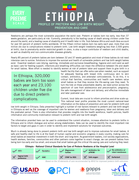
The information provided here can be used to understand the current situation, increase attention to preterm births in Rwanda and to inform dialogue and action among stakeholders. Data can be used to identify the most important risk factors to target and gaps in care in order to identify and impleme
...
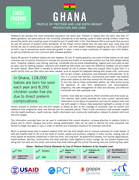
The information provided here can be used to understand the current situation, increase attention to preterm births in Rwanda and to inform dialogue and action among stakeholders. Data can be used to identify the most important risk factors to target and gaps in care in order to identify and impleme
...
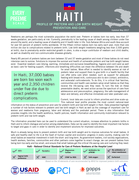
The information provided here can be used to understand the current situation, increase attention to preterm births in Rwanda and to inform dialogue and action among stakeholders. Data can be used to identify the most important risk factors to target and gaps in care in order to identify and impleme
...
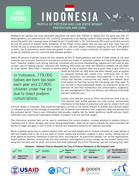
The information provided here can be used to understand the current situation, increase attention to preterm births in Rwanda and to inform dialogue and action among stakeholders. Data can be used to identify the most important risk factors to target and gaps in care in order to identify and impleme
...
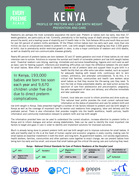
The information provided here can be used to understand the current situation, increase attention to preterm births in Rwanda and to inform dialogue and action among stakeholders. Data can be used to identify the most important risk factors to target and gaps in care in order to identify and impleme
...
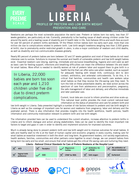
The information provided here can be used to understand the current situation, increase attention to preterm births in Rwanda and to inform dialogue and action among stakeholders. Data can be used to identify the most important risk factors to target and gaps in care in order to identify and impleme
...
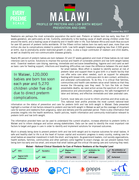
The information provided here can be used to understand the current situation, increase attention to preterm births in Rwanda and to inform dialogue and action among stakeholders. Data can be used to identify the most important risk factors to target and gaps in care in order to identify and impleme
...
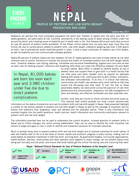
The information provided here can be used to understand the current situation, increase attention to preterm births in Rwanda and to inform dialogue and action among stakeholders. Data can be used to identify the most important risk factors to target and gaps in care in order to identify and impleme
...
The information provided here can be used to understand the current situation, increase attention to preterm births in Rwanda and to inform dialogue and action among stakeholders. Data can be used to identify the most important risk factors to target and gaps in care in order to identify and impleme
...
The information provided here can be used to understand the current situation, increase attention to preterm births in Rwanda and to inform dialogue and action among stakeholders. Data can be used to identify the most important risk factors to target and gaps in care in order to identify and impleme
...
The information provided here can be used to understand the current situation, increase attention to preterm births in Rwanda and to inform dialogue and action among stakeholders. Data can be used to identify the most important risk factors to target and gaps in care in order to identify and impleme
...
The information provided here can be used to understand the current situation, increase attention to preterm births in Rwanda and to inform dialogue and action among stakeholders. Data can be used to identify the most important risk factors to target and gaps in care in order to identify and impleme
...
The information provided here can be used to understand the current situation, increase attention to preterm births in Rwanda and to inform dialogue and action among stakeholders. Data can be used to identify the most important risk factors to target and gaps in care in order to identify and impleme
...
The report aims to help policy-makers and programme managers identify the areas that need attention and to work towards effective implementation and enforcement of policies and legislations. The need for alcohol policy-specific infrastructures to support the alcohol policy process, including designa
...
This guidance document sets out a methodology to identify and track financing to the WASH sector in a coherent and consistent manner across several countries. It is designed to help countries track financing to the WASH sector on a regular and comparable basis and analyse this information to support
...

Semi-Annual report of the National Union of Disabilities of Rwanda.

The purpose of the situation assessment was to execute a situation analysis for Autism and Neurodevelopment Disorder (NDD) in Bangladesh. The situation assessment covers the following areas: a review of the scale and prevalence of NDD with trends of the disorder in the recent past in Bangladesh (see
...
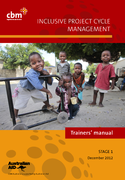
Inclusive Project Cycle Management - This Inclusive Project Cycle Management (IPCM) training package has been developed for CBM staff and Partner Organisations worldwide. The Trainers’ Manual will guide CBM trainers. It contains the curriculum for the course and training resources for trainers to
...

This paper explores the effect of inherent social inequalities on disability rights movements and their political activities in India and Nepal. The situation for persons with disabilities is similar in both countries. Many social and cultural phenomena coincide, and laws and policies are currently
...
