
Filter
2925
Text search:
economic
crisis
Featured
212
706
Language
2811
101
75
57
45
25
19
19
7
5
5
4
4
3
3
3
2
2
2
2
2
2
2
2
2
2
2
2
2
2
2
2
1
1
1
1
1
1
1
1
1
1
1
1
1
1
1
1
1
1
1
1
1
1
1
1
1
Document type
1288
839
263
174
172
92
50
33
5
4
4
1
Countries
219
98
91
79
71
67
61
60
53
53
50
46
46
41
41
40
40
39
38
35
33
32
31
28
23
22
22
22
21
21
21
20
20
17
17
16
16
16
16
15
15
15
15
15
15
14
14
13
13
12
12
11
11
10
9
9
9
8
8
8
8
7
7
6
6
6
6
5
5
5
5
5
4
4
4
4
4
4
4
4
4
4
4
3
3
3
3
3
3
3
3
2
2
2
2
2
2
2
2
2
2
2
2
2
2
2
2
2
2
2
1
1
1
1
1
1
1
1
1
1
1
1
1
1
1
1
1
1
1
1
1
1
1
1
1
Authors & Publishers
262
87
75
64
63
61
60
39
38
24
24
24
23
22
22
22
22
20
20
19
19
19
18
16
15
15
15
14
13
13
13
13
13
12
12
12
11
11
11
11
10
10
10
10
9
9
9
9
9
9
9
9
9
8
8
8
8
8
7
7
7
7
7
7
7
7
7
6
6
6
6
6
6
6
6
6
6
6
6
6
6
6
5
5
5
5
5
5
5
5
5
5
5
5
5
5
5
5
5
5
5
4
4
4
4
4
4
4
4
4
4
4
4
4
4
4
4
4
4
4
4
4
4
4
4
3
3
3
3
3
3
3
3
3
3
3
3
3
3
3
3
3
3
3
3
3
3
3
3
3
3
3
3
3
3
3
3
3
3
3
3
3
3
3
3
3
3
3
3
3
3
3
3
3
2
2
2
2
2
2
2
2
2
2
2
2
2
2
2
2
2
2
2
2
2
2
2
2
2
2
2
2
2
2
2
2
2
2
2
2
2
2
2
2
2
2
2
2
2
2
2
2
2
2
2
2
2
2
2
2
2
2
2
2
2
2
2
2
2
2
2
2
2
2
2
2
2
2
2
2
2
2
2
2
2
2
2
2
2
2
2
2
2
2
2
2
2
2
2
2
2
2
2
2
2
2
2
2
2
2
2
2
2
2
2
2
2
2
2
2
2
2
2
2
2
2
2
2
2
2
2
2
2
2
2
2
2
2
2
2
2
2
2
2
2
2
2
2
2
2
2
2
2
2
2
2
2
2
1
1
1
1
1
1
1
1
1
1
1
1
1
1
1
1
1
1
1
1
1
1
1
1
1
1
1
1
1
1
1
1
1
1
1
1
1
1
1
1
1
1
1
1
1
1
1
1
1
1
1
1
1
1
1
1
1
1
1
1
1
1
1
1
1
1
1
1
1
1
1
1
1
1
1
1
1
1
1
1
1
1
1
1
1
1
1
1
1
1
1
1
1
1
1
1
1
1
1
1
1
1
1
1
1
1
1
1
1
1
1
1
1
1
1
1
1
1
1
1
1
1
1
1
1
1
1
1
1
1
1
1
1
1
1
1
1
1
1
1
1
1
1
1
1
1
1
1
1
1
1
1
1
1
1
1
1
1
1
1
1
1
1
1
1
1
1
1
1
1
1
1
1
1
1
1
1
1
1
1
1
1
1
1
1
1
1
1
1
1
1
1
1
1
1
1
1
1
1
1
1
1
1
1
1
1
1
1
1
1
1
1
1
1
1
1
1
1
1
1
1
1
1
1
1
1
1
1
1
1
1
1
1
1
1
1
1
1
1
1
1
1
1
1
1
1
1
1
1
1
1
1
1
1
1
1
1
1
1
1
1
1
1
1
1
1
1
1
1
1
1
1
1
1
1
1
1
1
1
1
1
1
1
1
1
1
1
1
1
1
1
1
1
1
1
1
1
1
1
1
1
1
1
1
1
1
1
1
1
1
1
1
1
1
1
1
1
1
1
1
1
1
1
1
1
1
1
1
1
1
1
1
1
1
1
1
1
1
1
1
1
1
1
1
1
1
1
1
1
1
1
1
1
1
1
1
1
1
1
1
1
1
1
1
1
1
1
1
1
1
1
1
1
1
1
1
1
1
1
1
1
1
1
1
1
1
1
1
1
1
1
1
1
1
1
1
1
1
1
1
1
1
1
1
1
1
1
1
1
1
1
1
1
1
1
1
1
1
1
1
1
1
1
1
1
1
1
1
1
1
1
1
1
1
1
1
1
1
1
1
1
1
1
1
1
1
1
1
1
1
1
1
1
1
1
1
1
1
1
1
1
1
1
1
1
1
1
1
1
1
1
1
1
1
1
1
1
1
1
1
1
1
1
1
1
1
1
1
1
1
1
1
1
1
1
1
1
1
1
1
1
1
1
1
1
1
1
1
1
1
1
1
1
1
1
1
1
1
1
1
1
1
1
1
1
1
1
1
1
1
1
1
1
1
1
1
1
1
1
1
1
1
1
1
1
1
1
1
1
1
1
1
1
1
1
1
1
1
1
1
1
1
1
1
1
1
1
1
1
1
1
1
1
1
1
1
1
1
1
1
1
1
1
1
1
1
1
1
1
1
1
1
1
1
1
1
1
1
1
1
1
1
1
1
1
1
1
1
1
1
1
1
1
1
1
1
1
1
1
1
1
1
1
1
1
1
1
1
1
1
1
1
1
1
1
1
1
1
1
1
1
1
1
1
1
1
1
1
1
1
1
1
1
1
1
1
1
1
1
1
1
1
1
1
1
1
1
1
1
1
1
1
1
1
1
1
1
1
1
1
1
1
1
1
1
1
1
1
1
1
1
1
1
1
1
1
1
1
1
1
1
1
1
1
1
1
1
1
1
1
1
1
1
1
1
1
1
1
1
1
1
1
1
1
1
1
1
1
1
1
1
1
1
1
1
1
1
1
1
1
1
1
1
1
1
1
1
1
1
1
1
1
1
1
1
1
1
1
1
1
1
1
1
1
1
1
1
1
1
1
1
1
1
1
1
1
1
1
1
1
1
1
1
1
1
1
1
1
1
1
1
1
1
1
1
1
1
1
1
1
1
1
1
1
1
1
1
1
1
1
1
1
1
1
1
1
1
1
1
1
1
1
1
1
1
1
1
1
1
1
1
1
1
1
1
1
1
1
1
1
1
1
1
1
1
1
1
1
1
1
1
1
1
1
1
1
1
1
1
1
1
1
1
1
1
1
1
1
1
1
1
1
1
1
1
1
1
1
1
1
1
1
1
1
1
1
1
1
1
1
1
1
1
1
1
1
1
1
1
1
1
1
1
1
1
1
1
1
1
1
1
1
1
1
1
1
1
1
1
1
1
1
1
1
1
1
1
1
1
1
1
1
1
1
1
1
1
1
1
1
1
1
1
1
1
1
1
1
1
1
1
1
1
1
1
1
1
1
1
1
1
1
1
1
1
1
1
1
1
1
1
1
1
1
1
1
1
1
1
1
1
1
1
1
1
1
1
1
1
1
1
1
1
1
1
1
1
1
1
1
1
1
1
1
1
1
1
1
1
1
1
1
1
1
1
1
1
1
1
1
1
1
1
1
1
1
1
1
1
1
1
1
1
1
1
1
1
1
1
1
1
1
1
1
1
1
1
1
1
1
1
1
1
1
1
1
1
1
1
1
1
1
1
1
1
1
1
1
1
1
1
1
1
1
1
1
1
1
1
1
1
1
1
1
1
1
1
1
1
1
1
1
1
1
1
1
1
1
1
1
1
1
1
1
1
1
1
1
1
1
1
1
1
1
1
1
1
1
1
1
1
1
1
1
1
1
1
1
1
1
1
1
1
1
1
1
1
1
1
1
1
1
1
1
1
1
1
1
1
1
1
1
1
1
1
1
1
1
1
1
1
1
1
1
1
1
1
1
1
1
1
1
1
1
1
1
1
1
1
1
1
1
1
1
1
1
1
1
1
1
1
1
1
1
1
1
1
1
1
1
1
1
1
1
1
1
1
1
1
1
1
1
1
1
1
1
1
1
1
1
1
1
1
1
1
1
1
1
1
1
1
1
1
1
1
1
1
1
1
1
1
1
1
1
1
1
1
1
1
1
1
1
1
1
1
1
1
1
1
1
1
1
1
1
1
1
1
1
1
1
1
1
1
1
1
1
1
1
1
1
1
1
1
1
1
1
1
1
1
1
1
1
1
1
1
1
1
1
1
1
1
1
1
1
1
1
1
1
1
1
1
1
1
1
1
1
1
1
1
1
1
1
1
1
1
1
1
1
1
1
1
1
1
1
1
1
1
1
1
1
1
1
1
1
1
1
1
1
1
1
1
1
1
1
1
1
1
1
1
1
1
1
1
1
1
1
1
1
1
1
1
1
1
1
1
1
1
1
1
1
1
1
1
1
1
1
1
1
1
1
1
1
1
1
1
1
1
1
1
1
1
1
1
1
1
1
1
1
1
1
1
1
1
1
1
1
1
1
1
1
1
1
1
1
1
1
1
1
1
1
1
1
1
1
1
1
1
1
1
1
1
1
1
1
1
1
1
1
1
1
1
1
1
1
1
1
1
1
1
1
1
1
1
1
1
1
1
1
1
1
1
1
1
1
1
1
1
1
1
1
1
1
1
1
1
1
1
1
1
1
1
1
1
1
1
1
1
1
1
1
1
1
1
1
1
1
1
1
1
1
1
1
1
1
1
1
1
1
1
1
1
1
1
1
1
1
1
1
1
1
1
1
1
1
1
1
1
1
1
1
1
1
1
1
1
1
1
1
1
1
1
1
1
1
1
1
1
1
1
1
1
1
1
1
1
1
1
1
1
1
1
1
1
1
1
1
1
1
1
1
1
1
1
1
1
1
1
1
1
1
1
1
1
1
1
1
1
1
1
1
1
1
1
1
1
1
1
1
1
1
1
1
1
1
1
1
1
1
1
1
1
1
1
1
1
1
1
1
1
1
1
1
1
1
1
1
1
1
1
1
1
1
1
1
1
1
1
1
1
1
1
1
1
1
1
1
1
1
1
1
1
1
1
1
1
1
1
1
1
1
1
1
1
1
1
1
1
1
1
1
1
1
1
1
1
1
1
1
1
1
1
1
1
1
1
1
1
1
1
1
1
1
1
1
1
1
1
1
1
1
1
1
1
1
1
1
1
1
1
1
1
1
1
1
1
1
1
1
1
1
1
1
1
1
1
1
1
1
1
1
1
1
1
1
1
1
1
1
1
1
1
1
1
1
1
1
1
1
1
1
1
1
1
1
1
1
1
1
1
1
1
1
1
1
1
1
1
1
1
1
1
1
1
1
1
1
1
1
1
1
1
1
1
1
1
1
1
1
1
1
1
1
1
1
1
1
1
1
1
1
1
1
1
1
1
1
1
1
1
1
1
1
1
1
1
1
1
1
1
1
1
1
1
1
1
1
1
1
1
1
1
1
1
1
1
1
1
1
1
1
1
1
1
1
1
1
1
1
1
1
1
1
1
1
1
1
1
1
1
1
1
1
1
1
1
1
1
1
1
1
1
1
1
1
1
1
1
1
1
1
1
1
1
1
1
1
1
1
1
1
1
1
1
1
1
1
1
1
1
1
1
1
1
1
1
1
1
1
1
1
1
1
1
1
1
1
1
1
1
1
1
1
1
1
1
1
1
1
1
1
1
1
1
1
1
1
1
1
1
1
1
1
1
1
1
1
1
1
1
1
1
1
1
1
1
1
1
1
1
1
1
1
1
1
1
1
1
1
1
1
1
1
1
1
1
1
1
1
1
1
1
1
1
1
1
1
1
1
1
1
1
1
1
1
1
1
1
1
1
1
1
1
1
1
1
1
1
1
1
1
1
1
1
1
1
1
1
1
1
1
1
1
1
1
1
1
1
1
1
1
1
1
1
1
1
1
1
1
1
1
1
1
1
1
1
1
1
1
1
1
1
1
1
1
1
1
1
1
1
1
1
1
1
1
1
1
1
1
1
1
1
1
1
1
1
1
1
1
1
1
1
1
1
1
1
1
1
1
1
1
1
1
1
1
1
1
1
1
1
1
1
1
1
1
1
1
1
1
1
1
1
1
1
1
1
1
1
1
1
1
1
1
1
1
1
1
1
1
1
1
1
Publication Years
1
1243
1498
172
8
2
1
Category
987
295
139
131
70
37
5
2
Toolboxes
410
266
234
198
134
118
107
94
90
82
82
76
60
55
46
36
35
34
31
21
18
15
12
11
8
3
2
This is the first NAP on the Prevention and Containment of AMR in Kenya. It has been developed based on the National Policy on Prevention and Containment of AMR and the recommendations of the situation analysis on AMR conducted in 2011 and updated in 2016. This strategy provides a regulatory and imp
...
lementation framework to establish and strengthen systems to contain the emergence and spread of AMR. Implementation of this strategy will require substantial funding and high-level political commitment. Because AMR is a multidisciplinary and intersectoral issue, successful implementation of this strategy will require effective coordination and collaboration among different sectors.
more
Accessed: 24.03.2020

The primary focus of the plan continues to be prevention, preparedness and treatment of the the Novel Coronavirus (COVID-19) outbreak. Central to the plan are the following overall objectives:
To prevent further transmission of COVID-19 in the oPt;
To provide adequate care for patients aff
...
ected by COVID-19 and to support their families and close contacts; and
To mitigate the worst effects of the pandemic.
more

Pakistan Global Antibiotic Resistance Partnership (GARP) was formed in the wake of international and national efforts for AMR curtailment. A group of experts from microbiology, infectious diseases and veterinary medicine formed a core group at the organizational meet
...
ing of GARP in Kathmandu, Nepal in July 2016. In the meeting, this core group was expanded to include other members from different sectors with the selection of the Chair and co-chairs. These were asked to serve on a voluntary basis, in their own individual capacities, with no personal gains, or gains to the institutions to which they are affiliated. The first phase of GARP took place from 2009 to 2011 and involved four countries: India, Kenya, South Africa and Vietnam. Phase one culminated in the 1st Global Forum on Bacterial Infections, held in October 2011 in New Delhi, India. In 2012, phase two of GARP was initiated with the addition of working groups in Mozambique, Tanzania, Nepal and Uganda. Phase three has added Bangladesh, Lao PDR, Nigeria, Pakistan and Zimbabwe to the network to date.
more
Accessed: 02.04.2020
COVID-19: Inclusive programming – Ensuring assistance and protection addresses the needs of marginalized and at-risk people
International Committee of the Red Cross (ICRC)
International Committee of the Red Cross (ICRC)
(2020)
C2
March 2020
Human rights must be at the centre of all prevention, preparedness, containment and treatment efforts from the start, in order to best protect public health and support the groups and people who are most at risk. States have an obligation to protect and guarantee everyone the right to the highest at
...
tainable standard of health.
All European states have committed to fulfilling the right to health and have signed international and regional human rights treaties to that purpose. In the context of the current pandemic, authorities should engage all available resources to counter the pandemic while fulfilling the right to health.
more
A comprehensive briefing by Half of Syria
April 2020
A comprehensive briefing on the critical challenges of the COVID-19 pandemic to Syrians, as reported by Syrian civil society organisations. These challenges have been collated following extensive interviews with the teams of member and partner
...
organisations working in the field in various sectors: health, child care, education, women’s empowerment, media and culture, research, human rights and accountability, relief and social services, and local governance.
This comprehensive briefing also include concrete recommendations formulated by the Syrian civil society.
more
This note provides information and practical guidance to support gender-based violence (GBV) practitioners to integrate attention to disability into GBV prevention, risk mitigation and response efforts during the COVID-19 pandemic. This document complements other resources relating to GBV and COVID-
...
19 and assumes that the user is already familiar with common GBV prevention, risk mitigation and response approaches.
more
The COVID-19 pandemic is causing untold fear and suffering for older people across the world. As of 26 April, the virus itself has already taken the lives of some 193,710 people, and fatality rates for those over 80 years of age is five times the global average. As the virus spreads rapidly to devel
...
oping countries, likely overwhelming health and social protection systems, the mortality rate for older persons could climb even higher.
Less visible but no less worrisome are the broader effects: health care denied for conditions unrelated to COVID-19; neglect and abuse in institutions and care facilities; an increase in poverty and unemployment; the dramatic impact on well-being and mental health; and the trauma of stigma and discrimination.
more
The interim Emergency Response Preparedness (ERP) guidance is designed to be a short technical step-by-step guide aimed at non-Humanitarian Response Plan (HRP) countries to support the development, or strengthening, of preparedness measures to ensure that country teams are operationally ready to imp
...
lement activities to address the potential non-health impacts of the COVID-19 pandemic and its compound effect on existing risks. The interim guidance is based on the IASC 2015 ERP Guidance.
more
This report provides an overview of the key information gaps and limitations in interpreting existing COVID-19 data
UN human rights experts today called on States to protect the rights of migrants and their families, regardless of their migration status, during and after the COVID-19 pandemic.
Prescriptions and Actionables for a Healthy and Green Recovery.
The practical steps outlined in this report aim at creating a healthier, fairer and greener world while investing to maintain and resuscitate the economy hit by the effects of COVID-19.
Policy makers, national and local decision-make
...
rs and a wide array of other actors wishing to contribute to a healthy recovery can now take decisive steps by shaping the way we live, work and consume. Effects on environmental degradation and pollution and climate change will be wide ranging. WHO and partner organizations have since long been developing substantive guidance and provide support for building healthier environments for healthier populations.
more
Psychological first aid (PFA) is a method of helping people in distress so they feel calm and supported to cope better with their challenges. It is a way of assisting someone to manage their situation and make informed decisions. The basis of psychological first aid is caring about the person in dis
...
tress and showing empathy. It involves paying attention to reactions, active listening and, if needed, practical assistance, such as problem solving, help to access basic needs or referring to further options for assistance. PFA helps normalize worry and other emotions, PFA also promotes healthy coping and provides feelings of safety, calming, and hope.
more

The 'asks' have been prepared for private businesses to take concrete actions in the COVID19 pandemic.
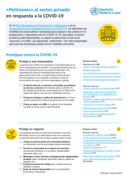
Los "peticiones" se han preparado para que las empresas privadas tomen medidas concretas en la pandemia de COVID19.

Budgetary mechanisms in highly affected countries
The Lancet DOI: 10.1016/S0140-6736(20)31053-9

Integritas 4.3 (Fall 2014), pp. 1-30.
doi: 10.6017/integritas.v4i3p1
