
Filter
2107
Text search:
Emotional
and
physical
health
Featured
212
480
Language
2043
48
43
37
32
12
11
8
7
7
5
5
5
5
4
4
4
4
3
3
3
3
2
2
2
2
2
2
2
2
2
2
2
2
2
2
1
1
1
1
1
1
1
1
1
1
1
1
Document type
1260
277
248
161
69
35
27
16
7
3
3
1
Countries
117
75
57
51
41
40
40
38
38
32
31
30
29
26
26
25
24
22
22
20
19
16
14
14
13
13
13
11
10
10
10
9
9
7
7
7
6
6
6
6
6
6
6
5
5
5
4
4
4
4
3
3
3
3
3
3
3
3
3
3
3
3
3
2
2
2
2
2
2
2
2
2
2
2
2
2
2
2
2
1
1
1
1
1
1
1
1
1
1
1
1
1
1
1
1
1
1
1
1
1
1
1
1
1
1
1
1
Authors & Publishers
220
81
72
71
63
54
39
36
36
34
33
30
27
24
21
17
16
15
15
13
12
10
10
9
9
8
8
8
8
7
7
7
7
7
7
7
7
6
6
6
6
6
6
6
6
6
5
5
5
5
5
5
5
5
5
5
5
5
5
5
4
4
4
4
4
4
4
4
4
4
4
4
4
4
4
4
4
4
4
4
4
4
4
4
4
4
4
4
4
3
3
3
3
3
3
3
3
3
3
3
3
3
3
3
3
3
3
3
3
3
3
3
3
3
3
3
3
3
3
3
3
3
3
3
3
3
3
3
3
3
3
3
3
3
3
3
3
2
2
2
2
2
2
2
2
2
2
2
2
2
2
2
2
2
2
2
2
2
2
2
2
2
2
2
2
2
2
2
2
2
2
2
2
2
2
2
2
2
2
2
2
2
2
2
2
2
2
2
2
2
2
2
2
2
2
2
2
2
2
2
2
2
2
2
2
2
2
2
2
2
2
2
2
2
2
2
2
2
2
2
2
2
2
2
2
2
2
2
2
2
2
2
2
2
2
2
2
2
2
2
2
2
2
2
2
2
2
2
2
2
2
2
2
2
2
2
2
2
2
2
2
2
2
2
2
2
2
2
2
2
2
2
2
2
2
2
2
2
2
2
2
2
2
2
2
1
1
1
1
1
1
1
1
1
1
1
1
1
1
1
1
1
1
1
1
1
1
1
1
1
1
1
1
1
1
1
1
1
1
1
1
1
1
1
1
1
1
1
1
1
1
1
1
1
1
1
1
1
1
1
1
1
1
1
1
1
1
1
1
1
1
1
1
1
1
1
1
1
1
1
1
1
1
1
1
1
1
1
1
1
1
1
1
1
1
1
1
1
1
1
1
1
1
1
1
1
1
1
1
1
1
1
1
1
1
1
1
1
1
1
1
1
1
1
1
1
1
1
1
1
1
1
1
1
1
1
1
1
1
1
1
1
1
1
1
1
1
1
1
1
1
1
1
1
1
1
1
1
1
1
1
1
1
1
1
1
1
1
1
1
1
1
1
1
1
1
1
1
1
1
1
1
1
1
1
1
1
1
1
1
1
1
1
1
1
1
1
1
1
1
1
1
1
1
1
1
1
1
1
1
1
1
1
1
1
1
1
1
1
1
1
1
1
1
1
1
1
1
1
1
1
1
1
1
1
1
1
1
1
1
1
1
1
1
1
1
1
1
1
1
1
1
1
1
1
1
1
1
1
1
1
1
1
1
1
1
1
1
1
1
1
1
1
1
1
1
1
1
1
1
1
1
1
1
1
1
1
1
1
1
1
1
1
1
1
1
1
1
1
1
1
1
1
1
1
1
1
1
1
1
1
1
1
1
1
1
1
1
1
1
1
1
1
1
1
1
1
1
1
1
1
1
1
1
1
1
1
1
1
1
1
1
1
1
1
1
1
1
1
1
1
1
1
1
1
1
1
1
1
1
1
1
1
1
1
1
1
1
1
1
1
1
1
1
1
1
1
1
1
1
1
1
1
1
1
1
1
1
1
1
1
1
1
1
1
1
1
1
1
1
1
1
1
1
1
1
1
1
1
1
1
1
1
1
1
1
1
1
1
1
1
1
1
1
1
1
1
1
1
1
1
1
1
1
1
1
1
1
1
1
1
1
1
1
1
1
1
1
1
1
1
1
1
1
1
1
1
1
1
1
1
1
1
1
1
1
1
1
1
1
1
1
1
1
1
1
1
1
1
1
1
1
1
1
1
1
1
1
1
1
1
1
1
1
1
1
1
1
1
1
1
1
1
1
1
1
1
1
1
1
1
1
1
1
1
1
1
1
1
1
1
1
1
1
1
1
1
1
1
1
1
1
1
1
1
1
1
1
1
1
1
1
1
1
1
1
1
1
1
1
1
1
1
1
1
1
1
1
1
1
1
1
1
1
1
1
1
1
1
1
1
1
1
1
1
1
1
1
1
1
1
1
1
1
1
1
1
1
1
1
1
1
1
1
1
1
1
1
1
1
1
1
1
1
1
1
1
1
1
1
1
1
1
1
1
1
1
1
1
1
1
1
1
1
1
1
1
1
1
1
1
1
1
1
1
1
1
1
1
1
1
1
1
1
1
1
1
1
1
1
1
1
1
1
1
1
1
1
1
1
1
1
1
1
1
1
1
1
1
1
1
1
1
1
1
1
1
1
1
1
1
1
1
1
1
1
1
1
1
1
1
1
1
1
1
1
1
1
1
1
1
1
1
1
1
1
1
1
1
1
1
1
1
1
1
1
1
1
1
1
1
1
1
1
1
1
1
1
1
1
1
1
1
1
1
1
1
1
1
1
1
1
1
1
1
1
1
1
1
1
1
1
1
1
1
1
1
1
1
1
1
1
1
1
1
1
1
1
1
1
1
1
1
1
1
1
1
1
1
1
1
1
1
1
1
1
1
1
1
1
1
1
1
1
1
1
1
1
1
1
1
1
1
1
1
1
1
1
1
1
1
1
1
1
1
1
1
1
1
1
1
1
1
1
1
1
1
1
1
1
1
1
1
1
1
1
1
1
1
1
1
1
1
1
1
1
1
1
1
1
1
1
1
1
1
1
1
1
1
1
1
1
1
1
1
1
1
1
1
1
1
1
1
1
1
1
1
1
1
1
1
1
1
1
1
1
1
1
1
1
1
1
1
1
1
1
1
1
1
1
1
1
1
1
1
1
1
1
1
1
1
1
1
1
1
1
1
1
1
1
1
1
1
1
1
1
1
1
1
1
1
1
1
1
1
1
1
1
1
1
1
1
1
1
1
1
1
1
1
1
1
1
1
1
1
1
1
1
1
1
1
1
1
1
1
1
1
1
1
1
1
1
1
1
1
1
1
1
1
1
1
1
1
1
1
1
1
1
1
1
1
1
1
1
1
1
1
1
1
1
1
1
1
1
1
1
1
1
1
1
1
1
1
1
1
1
1
1
1
1
1
1
1
1
1
1
1
1
1
1
1
1
1
1
1
1
1
1
1
1
1
1
1
1
1
1
1
1
1
1
1
1
1
1
1
1
1
1
1
1
1
1
1
1
1
1
1
1
1
1
1
1
1
1
1
1
1
1
1
1
1
1
1
1
1
1
1
1
1
1
1
1
1
1
1
1
1
1
1
1
1
1
1
1
1
1
1
1
1
1
1
1
1
1
1
1
1
1
1
1
1
1
1
1
1
1
1
1
1
1
1
1
1
1
1
1
1
1
1
1
1
1
1
1
1
1
1
1
1
1
1
1
1
1
1
1
1
1
1
1
1
1
1
1
1
1
1
1
1
1
1
1
1
1
1
1
1
1
1
1
1
1
1
1
1
1
1
1
1
1
1
1
1
1
1
1
1
1
1
1
1
1
1
1
1
1
1
1
1
1
1
1
1
1
1
1
1
1
1
1
1
1
1
1
1
1
1
1
1
1
1
1
1
1
1
1
1
1
1
1
1
1
1
1
1
1
1
1
1
1
1
1
1
1
1
1
1
1
1
1
1
1
1
1
1
1
1
1
1
1
1
1
1
1
1
1
1
1
1
1
1
1
1
1
1
1
1
1
1
1
1
1
1
1
1
1
1
1
1
1
1
1
1
1
1
1
1
1
1
1
1
1
1
1
1
1
1
1
1
1
1
1
1
1
1
1
1
1
1
1
1
1
1
1
1
1
1
1
1
1
1
1
1
1
1
1
1
1
1
1
1
1
1
1
1
1
1
1
1
1
1
1
1
1
1
1
1
1
1
1
1
1
1
1
1
1
1
1
1
1
1
1
1
1
1
1
1
1
1
1
1
1
1
1
1
1
1
1
1
1
1
1
1
1
1
1
1
1
1
1
1
1
1
1
1
1
1
1
1
1
1
1
1
1
1
1
1
1
1
1
1
1
1
1
1
1
1
1
1
1
1
1
1
1
1
1
1
1
1
1
1
1
1
1
1
1
1
1
1
1
1
1
1
1
1
1
1
1
1
1
1
1
1
1
1
1
1
1
1
1
1
1
1
1
1
1
1
1
1
1
1
1
1
1
1
1
1
1
1
1
1
1
1
1
1
1
1
1
1
1
1
1
1
1
1
1
1
1
1
1
1
1
1
1
1
1
1
1
1
1
1
1
1
1
1
1
1
1
1
1
1
1
1
1
1
1
1
1
1
1
1
1
1
1
1
1
1
1
1
1
1
1
1
1
1
1
1
1
1
1
1
1
1
1
1
1
1
1
1
1
1
1
1
1
1
1
1
1
1
1
1
1
1
1
1
1
1
1
1
1
1
1
1
1
1
1
1
1
1
1
1
1
1
1
1
1
1
1
1
1
1
1
1
1
1
1
1
1
1
1
1
1
1
1
1
1
1
1
1
1
1
1
1
1
1
1
1
1
1
1
1
1
1
1
1
1
1
1
1
1
1
1
1
1
1
1
1
1
1
1
Publication Years
534
1330
232
10
1
Category
684
206
120
103
94
90
Toolboxes
538
172
142
100
85
81
62
35
32
29
28
28
23
20
19
10
9
8
6
6
5
4
3
2
2
1
1

the Pocket Guide includes
information on HIV clinical care; growth and development; mental health; child protection;
counselling and communicatio
...
n; disclosure; loss, grief, and bereavement; adherence; sexual
and reproductive health; transition of care; support systems; and monitoring and evaluation
of psychosocial services. The information provided in this Pocket Guide aims to serve as a
convenient clinical resource to equip health care providers (HCPs) with knowledge and skills
that will help them to maximise resiliency, minimise risk factors, and promote positive personal
growth among the children and adolescents they care for who are living with and affected
by HIV.
more
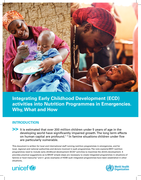
This document is written for local and international staff running nutrition programmes in emergencies, and for local, regional and national autho
...
rities and donors involved in such programmes.
The note explains why nutrition programmes need to include early childhood development (ECD) activities to maximize the child’s development.
It provides practical suggestions as to what simple steps are necessary to create integrated programmes in situations of famine or food insecurity and it gives examples of how such integrated programmes have been established in other situations.
This document is also available in Arabic: http://www.who.int/mental_health/emergencies/ecd_why_what_how_arabic.pdf?ua=1
;and in French: http://www.who.int/mental_health/emergencies/ecd_why_what_how_french.pdf?ua=1
more

Musculoskeletal disorders represent a significant problem of modern society which are more pronounced in young people and school children. Etiology of these disorders is found in inadequate ergonomic conditions, too heavy school bag, school furnitur
...
e inadequate to age, poor posture, sedentary lifestyle, reduction of physical activity and lack of exercise.
more

The "WHO Package of Essential Noncommunicable (PEN) Disease Interventions for Primary Health Care" provides a set of cost-effective, evidence-based interventions to address noncommunicable diseases (NCDs) such as cardiovascular diseases, diabetes, c
...
hronic respiratory diseases, and cancers. Designed for implementation in primary healthcare settings, especially in low-resource environments, the package includes protocols for screening, diagnosis, treatment, and management of these diseases. The document emphasizes an integrated approach, supporting universal health coverage by empowering healthcare workers with practical tools to improve NCD care. It aims to reduce premature mortality from NCDs and enhance global health equity.
more
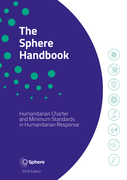
The Sphere Handbook. Humanitarian Charter and Minimum Standards in Humanitarian Response. New Edition
recommended
Humanitarian Charter and Minimum Standards in Humanitarian Response.
The 2018 Sphere Handbook builds on the latest developments and learning in the humanitarian sector. Among the improvements of th
...
e new edition, readers will find a stronger focus on the role of local authorities and communities as actors of their own recovery. Guidance on context analysis to apply the standards has also been strengthened. New standards have also been developed, informed by recent practice and learning, such as WASH and healthcare settings in disease outbreaks, security of tenure in shelter and settlement, and palliative care in health. Different ways to deliver or enable assistance, including cash-based assistance, are also integrated into the Handbook.
more
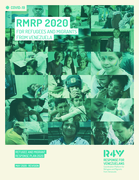
RMRP 2020 - Regional Refugee and Migrant Response Plan for Refugees and Migrants from Venezuela 2020
The Venezuelan refugee and migrant crisis is one of the biggest external displacement crises in the world today. The COVID-19 pandemic has compounded an already desperate situation for many refugees and
...
migrants, as well as their hosts, sorely testing health and social welfare systems and the ability of countries to assist the vulnerable population.
more
mhGAP Humanitarian Intervention Guide (mhGAP-HIG) training of health-care providers. Training manual
recommended
The mhGAP Humanitarian Intervention Guide (mhGAP-HIG) Training of Health-Care Providers manual is designed to guide facilitators in training non-specialist health care providers to manage mental, ne
...
urological and substance use conditions in humanitarian emergency settings.
The manual covers suggested training schedules, learning objectives, and tips for planning and facilitating the training. It also includes step-by-step training modules for different conditions covered in the mhGAP Humanitarian Intervention Guide (mhGAP-HIG).
more

In Tanzania, institutional efforts to combat HIV/AIDS started in 1985 by establishing a National Taskforce within the Ministry of Health. This was so because the HIV/AIDS epidemic was first perceived as a
...
health problem, and the initial control efforts were formulated and based within the health sector. In 1988, the task force was transformed into a fully-fledged National AIDS Control Programme (NACP).
more
The manual contains basic principles of prescribing followed by chapters on medicines used in psychotic disorders; depressive disorders; bipolar disorders; generalised anxiety and sleep disorders; obsessive-compulsive disorders
...
and panic attacks; and alcohol and opioid dependence
more
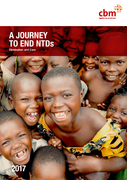
LEAVING NO-ONE BEHIND | “A Journey to End NTDs – Elimination and Care” records what we have achieved over the last year and where we are now. It presents our plan of action for the coming year
...
s, bringing our ‘traditional’ NTD work together with ‘Disease Management Disability and Inclusion’ (DMDI), Community Based Inclusive Development (CBID) and Livelihoods. We care for those affected and we’re working to enhance community and government ownership through national
health system strengthening, community engagement and cross-sectoral action. Ultimately, we are working to free future generations from these menacing diseases, improving prevention and treatment, without forgetting those for whom prevention and treatment are too late because they already have a disability.
more
What are the local beliefs and practices around illnesses and death, the transmission of disease and spirituality, which affect decision-making (ar
...
ound health-seeking behaviour, caring for relatives and nature of burials) and can inform effective behaviour change interventions for preventing Ebola in Sierra Leone?
more
Crisis Emergency Risk Communication. Manual
recommended
The CERC manual provides an evidence-based framework and recommended practices for anyone who communicates on behalf of an organization responding to major emergencies such as natural disasters.
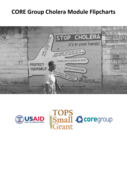
CORE Group has developed a module to improve preparedness for and response of communities in countries at risk of a cholera epidemic. The module consists of four lesson plans with accompanying flipcharts, intended to be delivered through community
...
health workers. The lessons target mothers and caregivers of children under age five, a group that is at particular risk of death if infected. The module shares information about symptoms and risks; what families can do to prevent infection; how, when, and where to seek care; and what actions to take in the aftermath of an outbreak.
more
1. Provide treatment for mental disorders in primary care
2. Ensure wider accessibility to essential psychotropic drugs
3. Provide care in the community
4. Educate the public
5. Involve communities, families and consumers
6. Establish national
...
policies, programmes and legislation on mental health
7. Develop human resources
8. Link with other sectors
9. Monitor community mental health
10. Support relevant research.
more

The world is facing an unprecedented range of emergencies. In reaction to these complex adversities, many people experience considerable distress and impairment, and a minority may even go on to dev
...
elop mental health conditions. Meanwhile, those with pre-existing mental health conditions may experience a worsening of their condition and are at risk of neglect, abandonment, abuse and lack of access to support. Unfortunately, evidence-based mental health care is often extremely limited in humanitarian settings. In response, the World Health Organization (WHO) and the United Nations High Commissioner for Refugees (UNHCR) published the Mental Health Gap Action Programme (mhGAP) Humanitarian Intervention Guide (mhGAP-HIG) in 2015. This practical tool supports health-care providers in assessing and offering first-line management of mental, neurological and substance use (MNS) conditions in humanitarian emergency settings.
2 December 2021. The current report, Stories of change from four countries: Building capacity for integrating mental health care within health services across humanitarian settings, describes efforts in four countries to build evidence-based mental health systems in humanitarian emergency settings using the mhGAP-HIG. This report includes three sections, the first describing the importance of scaling up mental health care in emergency contexts, the second outlining case studies (“stories of change”) to scale up the Mental Health Gap Action Programme (mhGAP) programme in four settings and the third describing lessons learned by stakeholders.
more

In 2015, 5.9 million children under age five died (1). The major causes of child deaths globally are pneumonia, prematurity, intrapartum-related complications, neonatal sepsis, congenital anomalies, diarrhoea, injuries and malaria (2). Most of these
...
diseases and conditions are at least partially caused by the environment. It was estimated in 2012 that 26% of childhood deaths and 25% of the total disease burden in children under five could be prevented through the reduction of environmental risks such as air pollution, unsafe water, sanitation and inadequate hygiene or chemicals.
more

This trainer toolkit is a guide for Neglected Tropical Diseases (NTD) program implementers in Nigeria to train primary health care health workers to diagnose
...
and provide care for women and girls with symptoms of female genital schistosomiasis (FGS). It has been developed based on a pilot study in Ogun State where 22 health facilities were trained on using the FGS tools. The trainer guide should be used alongside the ‘Health Worker Training Guide for managing FGS within primary health care’. Trainers should familiarise themselves with this manual before the training to ensure that all aspects of the training are conducted effectively.
more

This trainer toolkit is a guide for Neglected Tropical Diseases (NTD) program implementers in Nigeria to train primary health care health workers to diagnose
...
and provide care for women and girls with symptoms of female genital schistosomiasis (FGS). It has been developed based on a pilot study in Ogun State where 22 health facilities were trained on using the FGS tools. The trainer guide should be used alongside the ‘Health Worker Training Guide for managing FGS within primary health care’. Trainers should familiarise themselves with this manual before the training to ensure that all aspects of the training are conducted effectively.
more
