
Filter
3371
Text search:
crisis
management
Featured
303
888
Language
3108
145
96
70
64
57
25
23
16
8
4
4
3
3
3
3
3
3
2
2
2
2
2
2
2
2
2
2
2
2
2
2
2
2
1
1
1
1
1
1
1
1
1
1
1
1
1
1
1
1
Document type
1602
751
379
224
198
77
75
41
11
6
4
3
Countries
198
117
113
105
93
78
73
72
71
67
66
62
59
58
55
53
52
49
47
43
41
39
35
34
31
29
23
23
23
22
22
21
21
20
20
20
19
18
18
18
17
16
16
16
15
15
15
14
13
12
12
12
12
12
10
10
10
10
10
8
8
8
8
8
8
7
7
7
7
6
6
6
6
5
5
5
5
5
4
4
4
4
4
4
4
3
3
3
3
3
3
3
3
3
3
2
2
2
2
2
2
2
2
2
2
2
2
2
2
2
2
2
2
2
1
1
1
1
1
1
1
1
1
1
1
1
1
1
1
1
1
1
1
1
1
1
1
1
1
1
Authors & Publishers
366
100
93
75
70
68
58
41
40
39
35
33
32
31
30
24
23
22
22
21
20
20
19
18
17
17
16
15
15
15
14
13
13
13
13
13
13
12
12
12
11
11
11
11
11
10
10
10
9
9
9
9
9
9
9
8
8
8
8
8
8
8
8
8
7
7
7
7
7
7
7
7
6
6
6
6
6
6
6
6
6
6
6
6
6
6
6
6
5
5
5
5
5
5
5
5
5
5
5
5
5
5
5
5
5
5
5
5
5
5
5
5
4
4
4
4
4
4
4
4
4
4
4
4
4
4
4
4
4
4
4
4
4
4
4
4
4
4
4
4
4
4
4
4
4
4
4
4
4
4
3
3
3
3
3
3
3
3
3
3
3
3
3
3
3
3
3
3
3
3
3
3
3
3
3
3
3
3
3
3
3
3
3
3
3
3
3
3
3
3
3
3
3
3
3
3
3
3
3
3
3
3
3
3
3
3
3
3
3
3
3
3
3
3
2
2
2
2
2
2
2
2
2
2
2
2
2
2
2
2
2
2
2
2
2
2
2
2
2
2
2
2
2
2
2
2
2
2
2
2
2
2
2
2
2
2
2
2
2
2
2
2
2
2
2
2
2
2
2
2
2
2
2
2
2
2
2
2
2
2
2
2
2
2
2
2
2
2
2
2
2
2
2
2
2
2
2
2
2
2
2
2
2
2
2
2
2
2
2
2
2
2
2
2
2
2
2
2
2
2
2
2
2
2
2
2
2
2
2
2
2
2
2
2
2
2
2
2
2
2
2
2
2
2
2
2
2
2
2
2
2
2
2
2
2
2
2
2
2
2
2
2
2
2
2
2
2
2
2
2
2
2
2
2
2
2
2
2
2
2
2
2
2
2
2
2
2
2
2
2
2
2
2
2
2
2
2
2
2
2
2
2
2
2
2
1
1
1
1
1
1
1
1
1
1
1
1
1
1
1
1
1
1
1
1
1
1
1
1
1
1
1
1
1
1
1
1
1
1
1
1
1
1
1
1
1
1
1
1
1
1
1
1
1
1
1
1
1
1
1
1
1
1
1
1
1
1
1
1
1
1
1
1
1
1
1
1
1
1
1
1
1
1
1
1
1
1
1
1
1
1
1
1
1
1
1
1
1
1
1
1
1
1
1
1
1
1
1
1
1
1
1
1
1
1
1
1
1
1
1
1
1
1
1
1
1
1
1
1
1
1
1
1
1
1
1
1
1
1
1
1
1
1
1
1
1
1
1
1
1
1
1
1
1
1
1
1
1
1
1
1
1
1
1
1
1
1
1
1
1
1
1
1
1
1
1
1
1
1
1
1
1
1
1
1
1
1
1
1
1
1
1
1
1
1
1
1
1
1
1
1
1
1
1
1
1
1
1
1
1
1
1
1
1
1
1
1
1
1
1
1
1
1
1
1
1
1
1
1
1
1
1
1
1
1
1
1
1
1
1
1
1
1
1
1
1
1
1
1
1
1
1
1
1
1
1
1
1
1
1
1
1
1
1
1
1
1
1
1
1
1
1
1
1
1
1
1
1
1
1
1
1
1
1
1
1
1
1
1
1
1
1
1
1
1
1
1
1
1
1
1
1
1
1
1
1
1
1
1
1
1
1
1
1
1
1
1
1
1
1
1
1
1
1
1
1
1
1
1
1
1
1
1
1
1
1
1
1
1
1
1
1
1
1
1
1
1
1
1
1
1
1
1
1
1
1
1
1
1
1
1
1
1
1
1
1
1
1
1
1
1
1
1
1
1
1
1
1
1
1
1
1
1
1
1
1
1
1
1
1
1
1
1
1
1
1
1
1
1
1
1
1
1
1
1
1
1
1
1
1
1
1
1
1
1
1
1
1
1
1
1
1
1
1
1
1
1
1
1
1
1
1
1
1
1
1
1
1
1
1
1
1
1
1
1
1
1
1
1
1
1
1
1
1
1
1
1
1
1
1
1
1
1
1
1
1
1
1
1
1
1
1
1
1
1
1
1
1
1
1
1
1
1
1
1
1
1
1
1
1
1
1
1
1
1
1
1
1
1
1
1
1
1
1
1
1
1
1
1
1
1
1
1
1
1
1
1
1
1
1
1
1
1
1
1
1
1
1
1
1
1
1
1
1
1
1
1
1
1
1
1
1
1
1
1
1
1
1
1
1
1
1
1
1
1
1
1
1
1
1
1
1
1
1
1
1
1
1
1
1
1
1
1
1
1
1
1
1
1
1
1
1
1
1
1
1
1
1
1
1
1
1
1
1
1
1
1
1
1
1
1
1
1
1
1
1
1
1
1
1
1
1
1
1
1
1
1
1
1
1
1
1
1
1
1
1
1
1
1
1
1
1
1
1
1
1
1
1
1
1
1
1
1
1
1
1
1
1
1
1
1
1
1
1
1
1
1
1
1
1
1
1
1
1
1
1
1
1
1
1
1
1
1
1
1
1
1
1
1
1
1
1
1
1
1
1
1
1
1
1
1
1
1
1
1
1
1
1
1
1
1
1
1
1
1
1
1
1
1
1
1
1
1
1
1
1
1
1
1
1
1
1
1
1
1
1
1
1
1
1
1
1
1
1
1
1
1
1
1
1
1
1
1
1
1
1
1
1
1
1
1
1
1
1
1
1
1
1
1
1
1
1
1
1
1
1
1
1
1
1
1
1
1
1
1
1
1
1
1
1
1
1
1
1
1
1
1
1
1
1
1
1
1
1
1
1
1
1
1
1
1
1
1
1
1
1
1
1
1
1
1
1
1
1
1
1
1
1
1
1
1
1
1
1
1
1
1
1
1
1
1
1
1
1
1
1
1
1
1
1
1
1
1
1
1
1
1
1
1
1
1
1
1
1
1
1
1
1
1
1
1
1
1
1
1
1
1
1
1
1
1
1
1
1
1
1
1
1
1
1
1
1
1
1
1
1
1
1
1
1
1
1
1
1
1
1
1
1
1
1
1
1
1
1
1
1
1
1
1
1
1
1
1
1
1
1
1
1
1
1
1
1
1
1
1
1
1
1
1
1
1
1
1
1
1
1
1
1
1
1
1
1
1
1
1
1
1
1
1
1
1
1
1
1
1
1
1
1
1
1
1
1
1
1
1
1
1
1
1
1
1
1
1
1
1
1
1
1
1
1
1
1
1
1
1
1
1
1
1
1
1
1
1
1
1
1
1
1
1
1
1
1
1
1
1
1
1
1
1
1
1
1
1
1
1
1
1
1
1
1
1
1
1
1
1
1
1
1
1
1
1
1
1
1
1
1
1
1
1
1
1
1
1
1
1
1
1
1
1
1
1
1
1
1
1
1
1
1
1
1
1
1
1
1
1
1
1
1
1
1
1
1
1
1
1
1
1
1
1
1
1
1
1
1
1
1
1
1
1
1
1
1
1
1
1
1
1
1
1
1
1
1
1
1
1
1
1
1
1
1
1
1
1
1
1
1
1
1
1
1
1
1
1
1
1
1
1
1
1
1
1
1
1
1
1
1
1
1
1
1
1
1
1
1
1
1
1
1
1
1
1
1
1
1
1
1
1
1
1
1
1
1
1
1
1
1
1
1
1
1
1
1
1
1
1
1
1
1
1
1
1
1
1
1
1
1
1
1
1
1
1
1
1
1
1
1
1
1
1
1
1
1
1
1
1
1
1
1
1
1
1
1
1
1
1
1
1
1
1
1
1
1
1
1
1
1
1
1
1
1
1
1
1
1
1
1
1
1
1
1
1
1
1
1
1
1
1
1
1
1
1
1
1
1
1
1
1
1
1
1
1
1
1
1
1
1
1
1
1
1
1
1
1
1
1
1
1
1
1
1
1
1
1
1
1
1
1
1
1
1
1
1
1
1
1
1
1
1
1
1
1
1
1
1
1
1
1
1
1
1
1
1
1
1
1
1
1
1
1
1
1
1
1
1
1
1
1
1
1
1
1
1
1
1
1
1
1
1
1
1
1
1
1
1
1
1
1
1
1
1
1
1
1
1
1
1
1
1
1
1
1
1
1
1
1
1
1
1
1
1
1
1
1
1
1
1
1
1
1
1
1
1
1
1
1
1
1
1
1
1
1
1
1
1
1
1
1
1
1
1
1
1
1
1
1
1
1
1
1
1
1
1
1
1
1
1
1
1
1
1
1
1
1
1
1
1
1
1
1
1
1
1
1
1
1
1
1
1
1
1
1
1
1
1
1
1
1
1
1
1
1
1
1
1
1
1
1
1
1
1
1
1
1
1
1
1
1
1
1
1
1
1
1
1
1
1
1
1
1
1
1
1
1
1
1
1
1
1
1
1
1
1
1
1
1
1
1
1
1
1
1
1
1
1
1
1
1
1
1
1
1
1
1
1
1
1
1
1
1
1
1
1
1
1
1
1
1
1
1
1
1
1
1
1
1
1
1
1
1
1
1
1
1
1
1
1
1
1
1
1
1
1
1
1
1
1
1
1
1
1
1
1
1
1
1
1
1
1
1
1
1
1
1
1
1
1
1
1
1
1
1
1
1
1
1
1
1
1
1
1
1
1
1
1
1
1
1
1
1
1
1
1
1
1
1
1
1
1
1
1
1
1
1
1
1
1
1
1
1
1
1
1
1
1
1
1
1
1
1
1
1
1
1
1
1
1
1
1
1
1
1
1
1
1
1
1
1
1
1
1
1
1
1
1
1
1
1
1
1
1
1
1
1
1
1
1
1
1
1
1
1
1
1
1
1
1
1
1
1
1
1
1
1
1
1
1
1
1
1
1
1
1
1
1
1
1
1
1
1
1
1
1
1
1
1
1
1
1
1
1
1
1
1
1
1
1
1
1
1
1
1
1
1
1
1
1
1
1
1
1
1
1
1
1
1
1
1
1
1
1
1
1
1
1
1
1
1
1
1
1
1
1
1
1
1
1
1
1
1
1
1
1
1
1
1
1
1
1
1
1
1
1
1
1
1
1
1
1
1
1
1
1
1
1
1
1
1
1
1
1
1
1
1
1
1
1
1
1
1
1
1
1
1
1
1
1
1
1
1
1
1
1
1
1
1
1
1
1
1
1
1
1
1
1
1
1
1
1
1
1
1
1
1
1
1
1
1
1
1
1
1
1
1
1
1
1
1
1
1
1
1
1
1
1
1
1
1
1
1
1
1
1
1
1
1
1
1
1
1
1
1
1
1
1
1
1
1
1
1
1
1
1
1
1
1
1
1
1
1
1
1
1
1
1
1
1
1
1
1
1
1
1
1
1
1
1
1
1
1
1
1
1
1
1
1
1
1
1
1
1
1
1
1
1
1
1
1
1
1
1
1
1
1
1
1
1
1
1
1
1
1
1
1
1
1
1
1
1
1
1
1
1
1
1
1
1
1
1
1
1
1
1
1
1
1
1
1
1
1
1
1
1
1
1
1
1
1
1
1
1
1
1
1
1
1
1
1
1
1
1
1
1
1
1
1
1
1
1
1
1
1
1
1
1
1
1
1
1
1
1
1
1
1
1
1
1
1
1
1
1
1
1
1
1
1
1
1
1
1
1
1
1
1
1
1
1
1
1
1
1
1
1
1
1
1
1
1
1
1
1
1
1
1
1
1
1
1
1
1
1
1
1
1
1
1
1
1
1
1
1
1
1
1
1
1
1
1
1
1
1
1
1
1
1
1
1
1
1
1
1
1
1
1
1
1
1
1
1
1
1
1
1
1
1
1
1
1
1
1
1
1
1
1
1
1
1
1
1
1
1
1
1
1
1
1
1
1
1
1
1
1
1
1
1
1
1
1
1
1
1
1
1
1
1
1
1
1
1
1
1
1
1
1
1
1
1
1
1
1
1
1
1
1
1
1
1
1
1
1
1
1
1
1
1
1
1
1
1
1
1
1
1
1
1
1
1
1
1
1
1
1
1
1
1
1
1
1
1
1
1
1
1
1
1
1
1
1
1
1
1
1
1
1
1
1
1
1
1
1
1
1
1
1
1
1
1
1
1
1
1
1
1
1
1
1
1
1
1
1
1
1
1
1
Publication Years
1278
1869
215
9
Category
1201
366
161
145
140
42
7
3
Toolboxes
403
310
266
174
171
127
124
109
95
92
84
84
73
73
49
45
44
41
31
29
26
18
18
18
10
5
2
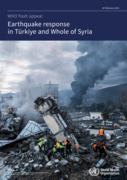
A 7.7 magnitude earthquake struck at 04:17 local time on 6 February 2023, with its epicentre located in Pazarcık district
in Kahramanmaraş province, Türkiye. Over 1200 aftershocks have since been reported. These are Türkiye’ s most powerful
earthquakes since 1939
In the early morning of 6 February 2023, a magnitude 7.8 earthquake struck southern Türkiye near the northern
border of Syria. The earthquake was followed 11 minutes later by a magnitude 6.7 aftershock. Many aftershocks
continue to be felt across the region. Whilst the impact is still being ass
...
essed, initial reports evidence significant
damage in the areas of southern Türkiye and northern Syria.
more
In the early morning of 6 February 2023, a magnitude 7.8 earthquake occurred in southern Türkiye near the
northern border of Syria. The earthquake was followed 11 minutes later by a magnitude 6.7 aftershock. Many
aftershocks are still being felt across the region. Whilst the impact is still bei
...
ng assessed, initial reports evidence
significant damage in the areas of southern Türkiye and northern Syria.
In response, the Syria Ministry of Health (MoH) activated its emergency operations centre (EOC) on 6 Feb 2023
under the chairmanship of the Deputy Minister. In all affected governorates, public and private health facilities
and medical convoys have been repurposed to support the response and are being managed by the National
Ministry of Health (MoH) and Directorate of Health (DoH) at governorate level. Support has been directed to
affected areas, with medical convoys including 28 ambulances and 7 mobile clinics, deployed from the health
directorates of Damascus, Rural Damascus, Quneitra, Homs, Tartous, Aleppo and Latakia
more
TUATION UPDATE
In the early morning of 6 February 2023, a magnitude 7.8 earthquake occurred in southern Türkiye near the
northern border of Syria. The earthquake was followed 11 minutes later by a magnitude 6.7 aftershock. Many
aftershocks are still being felt across the region. Whilst the imp
...
act is still being assessed, initial reports evidence
significant damage in the areas of southern Türkiye and northern Syria.
In response, the Syria Ministry of Health (MoH) activated its emergency operations centre (EOC) on 6 Feb 2023
under the chairmanship of the Deputy Minister. In all affected governorates, public and private health facilities
and medical convoys have been repurposed to support the response and are being managed by the National
Ministry of Health (MoH) and Directorate of Health (DoH) at governorate level. Support has been directed to
affected areas, with medical convoys including 28 ambulances and 7 mobile clinics, deployed from the health
directorates of Damascus, Rural Damascus, Quneitra, Homs, Tartous, Aleppo and Latakia. At the same time, 4
more
Response strategy for South Sudan to Covid-19 pandemic
Aviation plays an important role in humanitarian operations around the world, especially in countries where overland transport is difficult or impossible due to insecurity, damaged or inadequate infrastructure, and challenging climatic conditions. Aviation allows the transport of humanitarian aid wo
...
rkers and humanitarian cargo to communities in some of the world’s most inaccessible places.
more

(Last Update: July 2022)
Looking forward, the 2019-2020 Regional Refugee Response Plan (RRRP) for the DRC situation aims at addressing the needs of new arrivals of Congolese refugees in the region, and those in protracted situations. By supporting livelihoods opportunities and through a resilience-based approach, refugees w
...
ill be able to contribute to the development of their host countries, and of their country of origin upon their return. Given the limited capacity of host communities to support the impact of massive numbers of refugees, the response strategy will also address the needs of local populations, strengthening peaceful co-existence and building social cohesion.
more
Risk Communication and Community Engagement (RCCE) is an essential part of any disease outbreak response. Risk communication in the context of an Ebola outbreak refers to real time exchange of information, opinion and advice between frontline responders and people who are faced with the threat of Eb
...
ola to their survival, health, economic or social wellbeing. Community engagement refers to mutual partnership between Ebola response teams and individuals or communities in affected areas, whereby community stakeholders have ownership in controlling the spread of the outbreak.
It is intended to be used to guide RCCE work which is central to stopping the outbreak and preventing its further amplification. Unlike other areas of response, RCCE draws heavily on volunteers, frontline personnel and on people without prior training in this area. As such, the document provides basic background information, scopes the socio-economic and cultural aspects (that are known at the time of publication), and provides the latest evidence-based advice and approaches
more
Since the beginning of December a significant increase in the incidence of new cases has been observed particularly along the corridor towards the large urban center of Butembo (health zones of Butembo and Katwa) and beyond in the zone of Kayna health center located about 150 km from Goma. In additi
...
on, active outbreaks have emerged to the north, particularly in the health zones of Komanda and Oicha.
The third strategic response plan (SRP-3), which covers February through end July 2019, considers the salient points and recommendations made during the operational review of the implementation of the SRP-2 and other guidance based on lessons learned and risk analysis.
more
IOM Somalia Preparedness and Response Plan - COVID-19
OCHA; Reliefweb; IOM UN Migration IOM Somalia
OCHA; Reliefweb; IOM UN Migration IOM Somalia
(2020)
C2
April 2020

Forcibly Displaced Myanmar National / Rohingya Refugee Response.
This document gives guidance for medical providers to understand the care of both healthy and COVID suspect or confirmed patients who present for antenatal (ANC), intrapartum (IP), postnatal (PNC), or emergency obstetric and neonatal
...
care (EmONC) in the context of caring for the forcibly displaced Myanmar national (FDMN) / Rohingya refugee population.
more
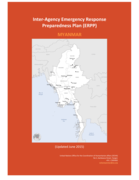
Myanmar is prone to various natural hazards that include earthquakes, floods, cyclones, droughts, fires, tsunamis, some of whichhave the potential to impact large numbers of people. In the event that large numbers of people are affected(such as was the case in 2008 following cyclone Nargis), the gov
...
ernment may decide to request international assistance to respond to the disaster.
The overall goal of the ERPP is to mitigate the impact of disasters and save as many lives as possible from preventable causes. It aims to ensure that effective and timely assistance is provided to people in need through effective coordination and communication on emergency preparedness and humanitarian response between members of the HCTin Myanmar. The approach has been developed in collaboration with the Government, to facilitate a coordinated and effective support to people affected by humanitarian crises.
more
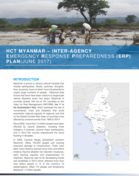
The ERP approach seeks to improve effectiveness by reducing both time and effort, enhancing predictability through establishing predefined roles, responsibilities and coordination mechanisms. The Emergency Response Preparedness Plan (ERPP) has four main components: i) Risk Assessment, ii) Minimum Pr
...
eparedness Actions, iii) Standard Operating Procedures (SOP), and iv) Contingency Plans for the initial emergency response. Besides these four elements, the preparedness package also includes the updated Multi-Sector Initial Rapid Assessment (MIRA) methodology, the Scenario Plan for a cyclone in Ayeyawaddy as well as the key documents for cash transfer programming in new emergencies.
more
Project Programs:
A. Medical Care Program
B. Community Health Promotion and Prevention Program
C. Maternal and Child Health Program
Target Population: 228,000 people living within the Mon, Kayah, Kayan, Karen,Shan, Kachin, Pa O, Chin and Arakan areas
Projec ... t Duration:January to December 2016 more
A. Medical Care Program
B. Community Health Promotion and Prevention Program
C. Maternal and Child Health Program
Target Population: 228,000 people living within the Mon, Kayah, Kayan, Karen,Shan, Kachin, Pa O, Chin and Arakan areas
Projec ... t Duration:January to December 2016 more
