
Filter
899
Text search:
seguridad
social
Featured
67
198
Language
Document type
394
197
138
66
58
17
10
6
6
3
2
1
Countries
90
73
71
62
40
31
27
25
24
23
19
12
8
8
6
5
4
4
4
3
3
3
3
2
2
2
2
2
2
2
2
2
1
1
1
1
1
1
1
1
1
1
1
1
1
1
1
1
1
1
1
1
1
1
1
1
Authors & Publishers
Publication Years
Category
392
163
58
31
25
5
Toolboxes
172
104
67
31
29
25
25
18
14
13
11
8
7
7
6
6
5
5
4
3
3
2
2
2
1
1
Guía práctica para mejorar la calidad de la atención mediante los servicios de agua, saneamiento e higiene en los establecimientos de salud
El 30 de enero de 2020, el Director General de la OMS declaró el brote de la enfermedad coronavirus 2019 (COVID-19) como emergencia de salud pública de interés internacional (PHEIC por sus siglas en inglés) bajo al Reglamento Sanitario Internacional (RSI 2005), siguiendo el asesoramiento del Com
...
Se sabe que las mujeres embarazadas experimentan cambios inmunológicos y fisiológicos que pueden hacerlas más susceptibles a las infecciones respiratorias virales, incluido COVID-19. Varios estudios revelaron que las mujeres embarazadas con diferentes enfermedades resp
...
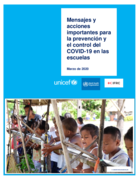
ÍNDICE
I. DATOS ACERCA DEL COVID-19 • COVID-19 • Intervenciones no farmacéuticas
II. INTRODUCCIÓN
III. ADMINISTRADORES, MAESTROS Y PERSONAL DE LAS ESCUELAS • Mensajes y acciones clave • Lista de verificación
IV. PROGENITORES, CUIDADORES Y MIEMBROS DE LA COMUNIDAD • Mensajes
...

El uso de los antimicrobianos en seres humanos es imprescindible para combatir a los microorganismos causantes de distintas enfermedades, no obstante, el uso y abuso de estos productos farmacéuticos ha propiciado un aumento en la resistencia, desarrollo y propagación de microorganismos multirresis
...
6a edición clínica. Nuevo: 4. Vacunas (26 de abril); Nuevo: 5. Pruebas y procedimientos de diagnóstico (7 de abril); Nuevo: 7. COVID-19 persistente (7 de abril)
El virus se transmite por el contacto directo con las gotas de la respiración que una persona infectada puede expulsar cuando tose o estornuda, o al tocar superficies contaminadas por el virus. El COVID-19 puede sobrevivir en una superficie varias horas, pero puede eliminarse con desinfectantes sen
...
Nos enfrentamos a la mayor desaceleración económica de la que se tenga memoria. El sistema humanitario se está preparando para un drástico aumento de los conflictos, la inseguridad alimentaria y la pobreza a medida que las economías se contraen y desaparecen los ingresos por exportaciones, las
...
Una Colaboración en Investigación entre el Refugee Law Initiative y Save the Children
La participación de las poblaciones afectadas y las
metodologías participativas han surgido como una
tendencia dominante en el discurso de la rendición
de cuentas humanitaria de una amplia gama de
organiz
...
La COVID-19 se ha propagado a los 54 países y territorios de las Américas. Para el 26 de mayo del 2020, los casos y las muertes en América Latina habían sobrepasado los de Europa y Estados Unidos en lo que se refiere al número diario de infecciones por coronavirus notificadas. Para junio, dos d
...
La enfermedad de Chagas, también llamada tripanosomiasis americana, sigue siendo endémica en 21 países de América Latina. Sin embargo, como consecuencia de las migraciones, la urbanización, la intensificación del turismo, la modificación de las estrategias agrícolas y el cambio climático, l
...
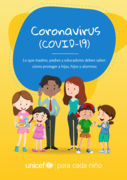
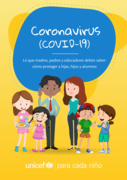
Lo que madres, padres y educadores deben saber: cómo proteger a hijas, hijos y alumnos
Es muy importante que en situaciones como la que atraviesa el mundo con la pandemia por el COVID-19, busques información veraz y evites compartir datos que no están confirmados.
En esta guía, además encont
...

EXHORTACIÓN APOSTÓLICA EVANGELII GAUDIUM DEL SANTO PADRE FRANCISCO A LOS OBISPOSA LOS PRESBÍTEROS Y DIÁCONOSA LAS PERSONAS CONSAGRADAS Y A LOS FIELES LAICOS SOBRE EL ANUNCIO DEL EVANGELIO EN EL MUNDO ACTUAL
En este documento se ofrece, en un formato de fácil consulta, el panorama general de las cuestiones relativas a la salud y los derechos sexuales y reproductivos que pueden afectar a los derechos humanos, la salud y el bienestar de los adolescentes (de edades comprendidas entre los 10 y los 19 años
...
La región amazónica esta siendo actualmente impactada significativamente por la COVID-19, no solo amenazando la vida y los medios de subsistencia de su población, sino además presentandose como una amenaza latente a las comunidades indígenas que allí habitan.
COVID-19 has triggered the deepest global recession since the 1930s. Extreme poverty has risen for the first time in 22 years, and unemployment has increased dramatically. Women and young people aged 15 – 29 working in the informal sector are being hit the hardest. School closures have affected 91
...
