
Filter
1798
Text search:
sexual
behaviour
Featured
174
550
Language
1733
43
40
32
29
13
11
11
9
7
7
6
6
6
5
5
4
4
4
4
3
3
3
3
3
3
3
2
2
2
2
2
2
2
2
2
1
1
1
1
1
1
1
1
1
1
1
1
1
1
Document type
1140
207
203
91
69
38
25
12
9
1
1
Countries
120
54
50
50
49
47
47
44
43
40
38
36
29
28
28
27
26
22
20
19
16
15
14
13
13
11
10
10
10
10
9
8
8
7
7
6
6
6
5
5
5
5
4
4
4
4
4
4
4
3
3
3
3
3
3
3
2
2
2
2
2
2
2
2
2
2
2
2
2
2
1
1
1
1
1
1
1
1
1
1
1
1
1
1
1
1
1
1
1
1
1
1
1
Authors & Publishers
196
72
61
51
45
40
38
33
33
24
22
19
19
18
18
17
16
12
12
11
10
9
9
9
8
8
7
7
7
7
7
7
6
6
6
6
6
5
5
5
5
5
5
5
5
5
5
5
5
5
5
5
5
5
5
5
4
4
4
4
4
4
4
4
4
4
4
4
4
4
4
4
4
4
4
4
4
4
3
3
3
3
3
3
3
3
3
3
3
3
3
3
3
3
3
3
3
3
3
3
3
3
3
3
3
3
3
3
3
3
3
3
3
3
3
3
3
3
2
2
2
2
2
2
2
2
2
2
2
2
2
2
2
2
2
2
2
2
2
2
2
2
2
2
2
2
2
2
2
2
2
2
2
2
2
2
2
2
2
2
2
2
2
2
2
2
2
2
2
2
2
2
2
2
2
2
2
2
2
2
2
2
2
2
2
2
2
2
2
2
2
2
2
2
2
2
2
2
2
2
2
2
2
2
2
2
2
2
2
2
2
2
2
2
2
2
2
2
2
2
2
2
2
2
2
2
2
2
2
2
2
2
2
2
2
2
2
2
2
2
2
2
2
2
2
2
2
2
2
2
2
1
1
1
1
1
1
1
1
1
1
1
1
1
1
1
1
1
1
1
1
1
1
1
1
1
1
1
1
1
1
1
1
1
1
1
1
1
1
1
1
1
1
1
1
1
1
1
1
1
1
1
1
1
1
1
1
1
1
1
1
1
1
1
1
1
1
1
1
1
1
1
1
1
1
1
1
1
1
1
1
1
1
1
1
1
1
1
1
1
1
1
1
1
1
1
1
1
1
1
1
1
1
1
1
1
1
1
1
1
1
1
1
1
1
1
1
1
1
1
1
1
1
1
1
1
1
1
1
1
1
1
1
1
1
1
1
1
1
1
1
1
1
1
1
1
1
1
1
1
1
1
1
1
1
1
1
1
1
1
1
1
1
1
1
1
1
1
1
1
1
1
1
1
1
1
1
1
1
1
1
1
1
1
1
1
1
1
1
1
1
1
1
1
1
1
1
1
1
1
1
1
1
1
1
1
1
1
1
1
1
1
1
1
1
1
1
1
1
1
1
1
1
1
1
1
1
1
1
1
1
1
1
1
1
1
1
1
1
1
1
1
1
1
1
1
1
1
1
1
1
1
1
1
1
1
1
1
1
1
1
1
1
1
1
1
1
1
1
1
1
1
1
1
1
1
1
1
1
1
1
1
1
1
1
1
1
1
1
1
1
1
1
1
1
1
1
1
1
1
1
1
1
1
1
1
1
1
1
1
1
1
1
1
1
1
1
1
1
1
1
1
1
1
1
1
1
1
1
1
1
1
1
1
1
1
1
1
1
1
1
1
1
1
1
1
1
1
1
1
1
1
1
1
1
1
1
1
1
1
1
1
1
1
1
1
1
1
1
1
1
1
1
1
1
1
1
1
1
1
1
1
1
1
1
1
1
1
1
1
1
1
1
1
1
1
1
1
1
1
1
1
1
1
1
1
1
1
1
1
1
1
1
1
1
1
1
1
1
1
1
1
1
1
1
1
1
1
1
1
1
1
1
1
1
1
1
1
1
1
1
1
1
1
1
1
1
1
1
1
1
1
1
1
1
1
1
1
1
1
1
1
1
1
1
1
1
1
1
1
1
1
1
1
1
1
1
1
1
1
1
1
1
1
1
1
1
1
1
1
1
1
1
1
1
1
1
1
1
1
1
1
1
1
1
1
1
1
1
1
1
1
1
1
1
1
1
1
1
1
1
1
1
1
1
1
1
1
1
1
1
1
1
1
1
1
1
1
1
1
1
1
1
1
1
1
1
1
1
1
1
1
1
1
1
1
1
1
1
1
1
1
1
1
1
1
1
1
1
1
1
1
1
1
1
1
1
1
1
1
1
1
1
1
1
1
1
1
1
1
1
1
1
1
1
1
1
1
1
1
1
1
1
1
1
1
1
1
1
1
1
1
1
1
1
1
1
1
1
1
1
1
1
1
1
1
1
1
1
1
1
1
1
1
1
1
1
1
1
1
1
1
1
1
1
1
1
1
1
1
1
1
1
1
1
1
1
1
1
1
1
1
1
1
1
1
1
1
1
1
1
1
1
1
1
1
1
1
1
1
1
1
1
1
1
1
1
1
1
1
1
1
1
1
1
1
1
1
1
1
1
1
1
1
1
1
1
1
1
1
1
1
1
1
1
1
1
1
1
1
1
1
1
1
1
1
1
1
1
1
1
1
1
1
1
1
1
1
1
1
1
1
1
1
1
1
1
1
1
1
1
1
1
1
1
1
1
1
1
1
1
1
1
1
1
1
1
1
1
1
1
1
1
1
1
1
1
1
1
1
1
1
1
1
1
1
1
1
1
1
1
1
1
1
1
1
1
1
1
1
1
1
1
1
1
1
1
1
1
1
1
1
1
1
1
1
1
1
1
1
1
1
1
1
1
1
1
1
1
1
1
1
1
1
1
1
1
1
1
1
1
1
1
1
1
1
1
1
1
1
1
1
1
1
1
1
1
1
1
1
1
1
1
1
1
1
1
1
1
1
1
1
1
1
1
1
1
1
1
1
1
1
1
1
1
1
1
1
1
1
1
1
1
1
1
1
1
1
1
1
1
1
1
1
1
1
1
1
1
1
1
1
1
1
1
1
1
1
1
1
1
1
1
1
1
1
1
1
1
1
1
1
1
1
1
1
1
1
1
1
1
1
1
1
1
1
1
1
1
1
1
1
1
1
1
1
1
1
1
1
1
1
1
1
1
1
1
1
1
1
1
1
1
1
1
1
1
1
1
1
1
1
1
1
1
1
1
1
1
1
1
1
1
1
1
1
1
1
1
1
1
1
1
1
1
1
1
1
1
1
1
1
1
1
1
1
1
1
1
1
1
1
1
1
1
1
1
1
1
1
1
1
1
1
1
1
1
1
1
1
1
1
1
1
1
1
1
1
1
1
1
1
1
1
1
1
1
1
1
1
1
1
1
1
1
1
1
1
1
1
1
1
1
1
1
1
1
1
1
1
1
1
1
1
1
1
1
1
1
1
1
1
1
1
1
1
1
1
1
1
1
1
1
1
1
1
1
1
1
1
1
1
1
1
1
1
1
1
1
1
1
1
1
1
1
1
1
1
1
1
1
1
1
1
1
1
1
1
1
1
1
1
1
1
1
1
1
1
1
1
1
1
1
1
1
1
1
1
1
1
1
1
1
1
1
1
1
1
1
1
1
1
1
1
1
1
1
1
1
1
1
1
1
1
1
1
1
1
1
1
1
1
1
1
1
1
1
1
1
1
1
1
1
1
1
1
1
1
1
1
1
1
1
1
1
1
1
1
1
1
1
1
1
1
1
1
1
1
1
1
1
1
1
1
1
1
1
1
1
1
1
1
1
1
1
1
1
1
1
1
1
1
1
1
1
1
1
1
1
1
1
1
1
1
1
1
1
1
1
1
1
1
1
1
1
1
1
1
1
1
1
1
1
1
1
1
1
1
1
1
1
1
1
1
1
1
1
1
1
1
1
1
1
Publication Years
1
444
1187
164
2
Category
753
163
97
85
84
46
1
1
Toolboxes
280
126
75
64
60
49
47
42
37
36
19
15
15
14
13
12
11
11
10
8
7
6
1
1
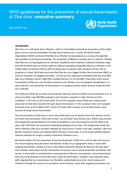
WHO published interim guidelines on the prevention of sexual transmission of Zika virus in September 2016 (1), based on a limited amount of evidence under an emergency process during a public health emergency of international concern. The body of e
...
vidence has grown considerably since then and WHO experts concluded, at a meeting in March 2017, that the guidelines should be developed under the formal WHO guideline process (2).
These guidelines contain updated recommendations on the prevention of sexual transmission of Zika virus, based on the best available evidence as of June 2018.
more
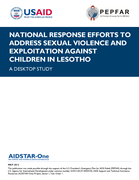
National Response Efforts to Address Sexual Violence and Exploitation Against Children in Lesotho: A Desktop Study
Weber, Stephanie
Arlington, VA: USAID’s AIDS Support and Technical Assistance Resources, AIDSTAR-One, Task Order 1
(2013)
C2
Scant data exists on the prevalence of violence against children worldwide. However, available information, including the United Nations Secretary-General’s Study on Violence against Children, shows that violence against children is a global problem. This desktop study aims to glean from published
...
and grey literature the extent of sexual violence and exploitation against children in Lesotho. The goal of this study is to better understand the government of Lesotho's national response efforts to reduce violence against children.
more
Refugee 1 men and boys can be subjected to sexual and gender‑based violence (SGBV). Survivors have specific health, psychosocial, legal, and safety needs, but often find it hard to discuss their experience and access the support they need. It is i
...
mportant that UNHCR and its partners take steps to address these difficulties. The objectives of this note are to emphasise that programmes on sexual and gender‑based violence need to include men and boys, and to provide guidance on how to access survivors, facilitate reporting, provide protection and deliver essential medical, legal and social services. 2
more
An Advocate’s Guide: Strategic Indicators for Universal Access to Sexual and Reproductive Health and Rights
recommended
This guide was prepared to enable advocates to use data
when advocating for universal access to SRHR at the national,
regional and global levels. It is a direct outcome of the Strategic
SRHR Indicators workshop held in Kuala Lumpur, Malaysia on
21-22 August for the project “Strengthening the N
...
etworking,
Knowledge Management and Advocacy Capacities of an AsiaPacific
Network for SRHR” supported by the EU.
One of the major objectives of the project is to develop
a comprehensive monitoring framework of indicators for
measuring government performance to fulfil their international
commitments, particularly to the ICPD and the MDGs, both in
the Asia-Pacific region and globally.
more

Integrating the prevention and control of noncommunicable diseases in HIV/AIDS, tuberculosis, and sexual and reproductive health programmes: implementation guidance

The WHO document "Integrating the prevention and control of noncommunicable diseases in HIV/AIDS, tuberculosis, and sexual and reproductive health programmes: implementation guidance" provides a framework for integrating noncommunicable diseases (NC
...
Ds) into existing health programs for HIV/AIDS, tuberculosis (TB), and sexual and reproductive health (SRH). It emphasizes the importance of a people-centered approach to enhance healthcare accessibility and efficiency, especially in low-resource settings. The document outlines strategies for strengthening policy, financing, capacity building, and health system infrastructure. It offers actionable steps, tools, and case studies to support countries in reducing the burden of NCDs through integrated, holistic care within primary health services.
more
Men are less likely than women to seek help for mental health issues and are much more likely to commit suicide. This scoping review examined recent evidence published in English and Russian on the role of socially constructed masculinity norms in men’s help-seeking
...
behaviour for mental health issues. The key sociocultural barriers to men’s help-seeking pertaining to masculinity norms were identified as self-reliance, difficulty in expressing emotions and self-control.
more
Sexual and Reproductive Health of Adolescents and Youth In Nepal: Trends and Determinants
Khatiwada N., Silwal P.R., Bhadra R., and Tamang T.M.
Nepal Ministry of Health and Population, New ERA, and ICF International
(2013)
C2
Further analysis of the 2011 Nepal Demographic and Health Survey
Global and regional estimates of violence against women
he report presents the first global systematic review of scientific data on the prevalence of two forms of violence against women: violence by an intimate partner (intimate partner violence) and sexu
...
al violence by someone other than a partner (non-partner sexual violence). It shows, for the first time, global and regional estimates of the prevalence of these two forms of violence, using data from around the world. Previous reporting on violence against women has not differentiated between partner and non-partner violence. You can download the report in different languages
more
The Department of Health (DOH) has developed a National Integrated Sexual and Reproductive Health and Rights (SRHR) Policy.1 This policy addresses the many cross-cutting issues relating to SRH service provision, drawing together the principles, righ
...
ts, and guidance for planning and implementation that underpin the provision of quality, comprehensive, and integrated SRHR services in South Africa. The National Integrated SRHR Policy is supported by several clinical and service delivery guidelines covering related programmatic
areas, including the National Contraception Clinical Guidelines.
more

Current HIV/AIDS Reports (2022) 19:358–374. https://doi.org/10.1007/s11904-022-00615-z.
MINDSPACE is an acronym developed by the UK's behavioural insights team to summarise nine key influences on human behaviour: Messenger, Incentives, Norms, De
...
fault, Salience, Priming, Affect, Commitment, and Ego. These effects have been used in various settings to design interventions that encourage positive behaviours. Currently, over 200 institutionalised behavioural insight teams exist internationally, which may draw upon the MINDSPACE framework to inform policy and improve public services.
more
The Global status report on violence prevention 2014, which reflects data from 133 countries, is the first report of its kind to assess national efforts to address interpersonal violence, namely child maltreatment, youth violence, intimate partner and sexu
...
al violence, and elder abuse. Jointly published by WHO, the United Nations Development Programme, and the United Nations Office on Drugs and Crime, the report reviews the current status of violence prevention efforts in countries, and calls for a scaling up of violence prevention programmes; stronger legislation and enforcement of laws relevant for violence prevention; and enhanced services for victims of violence.
You can download summaries in different languages, single chapters and graphics
more
Gender-based violence, including rape is a problem throughout the world, occurring in every society, country and region. Refugees and internally displaced people are particularly at risk of this violation during every phase of an emergency situation. The systematic use of
...
sexual violence as a method of warfare is well documented and constitutes a grave breach of international humanitarian law.
The Arabic Version can be downloaded here: http://reliefweb.int/report/syrian-arab-republic/guidelines-health-staff-caring-gender-based-violence-survivors-including
more
