
Filter
5164
Text search:
rural
areas
Featured
372
1669
Language
5034
113
100
51
46
36
25
15
6
5
4
3
3
3
2
2
2
2
2
2
1
1
1
1
1
1
1
1
1
1
1
1
1
1
1
1
1
1
1
1
1
1
1
1
1
1
Document type
3024
1037
421
254
222
64
57
52
13
8
7
2
2
Countries
295
195
176
170
162
155
139
138
130
123
117
114
112
110
100
90
85
83
71
68
55
55
53
52
52
50
49
46
46
45
40
40
38
33
29
29
28
26
26
25
25
24
22
21
21
20
20
19
19
16
15
14
13
13
12
12
12
12
11
11
10
10
9
9
9
9
9
8
8
8
7
7
7
7
7
6
6
6
6
5
5
5
5
5
4
4
3
3
3
3
3
3
3
3
3
3
3
3
3
3
2
2
2
2
2
2
2
2
2
2
2
2
2
2
2
2
2
1
1
1
1
1
1
1
1
1
1
1
1
1
1
1
1
1
1
1
1
1
1
1
1
1
1
1
Authors & Publishers
444
159
156
131
114
111
99
62
55
49
46
38
24
24
22
21
20
20
20
19
19
19
19
18
18
17
17
17
16
16
16
16
16
16
15
15
14
14
14
14
14
14
13
13
13
13
13
13
13
12
12
12
12
12
12
12
12
12
11
11
11
11
11
11
11
11
11
11
11
10
10
10
10
10
9
9
9
9
9
9
9
9
9
8
8
8
8
8
8
8
8
7
7
7
7
7
7
7
7
7
7
7
7
7
7
7
7
7
6
6
6
6
6
6
6
6
6
6
6
6
6
6
6
6
6
6
6
6
6
6
6
6
6
6
6
6
6
6
5
5
5
5
5
5
5
5
5
5
5
5
5
5
5
5
5
5
5
5
5
5
5
5
5
5
5
5
5
5
5
5
5
5
5
5
5
5
5
4
4
4
4
4
4
4
4
4
4
4
4
4
4
4
4
4
4
4
4
4
4
4
4
4
4
4
4
4
4
4
4
4
4
4
4
4
4
4
4
4
4
4
4
4
4
4
4
4
4
4
4
4
3
3
3
3
3
3
3
3
3
3
3
3
3
3
3
3
3
3
3
3
3
3
3
3
3
3
3
3
3
3
3
3
3
3
3
3
3
3
3
3
3
3
3
3
3
3
3
3
3
3
3
3
3
3
3
3
3
3
3
3
3
3
3
3
3
3
3
3
3
3
3
3
3
3
3
3
3
3
3
3
3
3
3
3
3
3
3
3
3
3
3
3
3
3
3
3
3
3
3
3
3
3
2
2
2
2
2
2
2
2
2
2
2
2
2
2
2
2
2
2
2
2
2
2
2
2
2
2
2
2
2
2
2
2
2
2
2
2
2
2
2
2
2
2
2
2
2
2
2
2
2
2
2
2
2
2
2
2
2
2
2
2
2
2
2
2
2
2
2
2
2
2
2
2
2
2
2
2
2
2
2
2
2
2
2
2
2
2
2
2
2
2
2
2
2
2
2
2
2
2
2
2
2
2
2
2
2
2
2
2
2
2
2
2
2
2
2
2
2
2
2
2
2
2
2
2
2
2
2
2
2
2
2
2
2
2
2
2
2
2
2
2
2
2
2
2
2
2
2
2
2
2
2
2
2
2
2
2
2
2
2
2
2
2
2
2
2
2
2
2
2
2
2
2
2
2
2
2
2
2
2
2
2
2
2
2
2
2
2
2
2
2
2
2
2
2
2
2
2
2
2
2
2
2
2
2
2
2
2
2
2
2
2
2
2
2
2
2
2
2
2
2
2
2
2
2
2
2
2
2
2
2
2
2
2
2
2
2
2
2
2
2
2
2
2
2
2
2
2
2
2
2
2
2
2
2
2
2
2
2
2
2
2
2
2
2
2
2
2
2
2
2
2
2
2
2
2
2
2
2
2
2
2
2
2
2
2
2
2
2
2
2
2
2
2
2
2
2
2
2
2
2
2
2
2
2
2
2
2
2
2
2
2
2
2
2
2
2
2
2
2
2
2
2
2
2
2
2
2
2
2
2
2
2
2
2
1
1
1
1
1
1
1
1
1
1
1
1
1
1
1
1
1
1
1
1
1
1
1
1
1
1
1
1
1
1
1
1
1
1
1
1
1
1
1
1
1
1
1
1
1
1
1
1
1
1
1
1
1
1
1
1
1
1
1
1
1
1
1
1
1
1
1
1
1
1
1
1
1
1
1
1
1
1
1
1
1
1
1
1
1
1
1
1
1
1
1
1
1
1
1
1
1
1
1
1
1
1
1
1
1
1
1
1
1
1
1
1
1
1
1
1
1
1
1
1
1
1
1
1
1
1
1
1
1
1
1
1
1
1
1
1
1
1
1
1
1
1
1
1
1
1
1
1
1
1
1
1
1
1
1
1
1
1
1
1
1
1
1
1
1
1
1
1
1
1
1
1
1
1
1
1
1
1
1
1
1
1
1
1
1
1
1
1
1
1
1
1
1
1
1
1
1
1
1
1
1
1
1
1
1
1
1
1
1
1
1
1
1
1
1
1
1
1
1
1
1
1
1
1
1
1
1
1
1
1
1
1
1
1
1
1
1
1
1
1
1
1
1
1
1
1
1
1
1
1
1
1
1
1
1
1
1
1
1
1
1
1
1
1
1
1
1
1
1
1
1
1
1
1
1
1
1
1
1
1
1
1
1
1
1
1
1
1
1
1
1
1
1
1
1
1
1
1
1
1
1
1
1
1
1
1
1
1
1
1
1
1
1
1
1
1
1
1
1
1
1
1
1
1
1
1
1
1
1
1
1
1
1
1
1
1
1
1
1
1
1
1
1
1
1
1
1
1
1
1
1
1
1
1
1
1
1
1
1
1
1
1
1
1
1
1
1
1
1
1
1
1
1
1
1
1
1
1
1
1
1
1
1
1
1
1
1
1
1
1
1
1
1
1
1
1
1
1
1
1
1
1
1
1
1
1
1
1
1
1
1
1
1
1
1
1
1
1
1
1
1
1
1
1
1
1
1
1
1
1
1
1
1
1
1
1
1
1
1
1
1
1
1
1
1
1
1
1
1
1
1
1
1
1
1
1
1
1
1
1
1
1
1
1
1
1
1
1
1
1
1
1
1
1
1
1
1
1
1
1
1
1
1
1
1
1
1
1
1
1
1
1
1
1
1
1
1
1
1
1
1
1
1
1
1
1
1
1
1
1
1
1
1
1
1
1
1
1
1
1
1
1
1
1
1
1
1
1
1
1
1
1
1
1
1
1
1
1
1
1
1
1
1
1
1
1
1
1
1
1
1
1
1
1
1
1
1
1
1
1
1
1
1
1
1
1
1
1
1
1
1
1
1
1
1
1
1
1
1
1
1
1
1
1
1
1
1
1
1
1
1
1
1
1
1
1
1
1
1
1
1
1
1
1
1
1
1
1
1
1
1
1
1
1
1
1
1
1
1
1
1
1
1
1
1
1
1
1
1
1
1
1
1
1
1
1
1
1
1
1
1
1
1
1
1
1
1
1
1
1
1
1
1
1
1
1
1
1
1
1
1
1
1
1
1
1
1
1
1
1
1
1
1
1
1
1
1
1
1
1
1
1
1
1
1
1
1
1
1
1
1
1
1
1
1
1
1
1
1
1
1
1
1
1
1
1
1
1
1
1
1
1
1
1
1
1
1
1
1
1
1
1
1
1
1
1
1
1
1
1
1
1
1
1
1
1
1
1
1
1
1
1
1
1
1
1
1
1
1
1
1
1
1
1
1
1
1
1
1
1
1
1
1
1
1
1
1
1
1
1
1
1
1
1
1
1
1
1
1
1
1
1
1
1
1
1
1
1
1
1
1
1
1
1
1
1
1
1
1
1
1
1
1
1
1
1
1
1
1
1
1
1
1
1
1
1
1
1
1
1
1
1
1
1
1
1
1
1
1
1
1
1
1
1
1
1
1
1
1
1
1
1
1
1
1
1
1
1
1
1
1
1
1
1
1
1
1
1
1
1
1
1
1
1
1
1
1
1
1
1
1
1
1
1
1
1
1
1
1
1
1
1
1
1
1
1
1
1
1
1
1
1
1
1
1
1
1
1
1
1
1
1
1
1
1
1
1
1
1
1
1
1
1
1
1
1
1
1
1
1
1
1
1
1
1
1
1
1
1
1
1
1
1
1
1
1
1
1
1
1
1
1
1
1
1
1
1
1
1
1
1
1
1
1
1
1
1
1
1
1
1
1
1
1
1
1
1
1
1
1
1
1
1
1
1
1
1
1
1
1
1
1
1
1
1
1
1
1
1
1
1
1
1
1
1
1
1
1
1
1
1
1
1
1
1
1
1
1
1
1
1
1
1
1
1
1
1
1
1
1
1
1
1
1
1
1
1
1
1
1
1
1
1
1
1
1
1
1
1
1
1
1
1
1
1
1
1
1
1
1
1
1
1
1
1
1
1
1
1
1
1
1
1
1
1
1
1
1
1
1
1
1
1
1
1
1
1
1
1
1
1
1
1
1
1
1
1
1
1
1
1
1
1
1
1
1
1
1
1
1
1
1
1
1
1
1
1
1
1
1
1
1
1
1
1
1
1
1
1
1
1
1
1
1
1
1
1
1
1
1
1
1
1
1
1
1
1
1
1
1
1
1
1
1
1
1
1
1
1
1
1
1
1
1
1
1
1
1
1
1
1
1
1
1
1
1
1
1
1
1
1
1
1
1
1
1
1
1
1
1
1
1
1
1
1
1
1
1
1
1
1
1
1
1
1
1
1
1
1
1
1
1
1
1
1
1
1
1
1
1
1
1
1
1
1
1
1
1
1
1
1
1
1
1
1
1
1
1
1
1
1
1
1
1
1
1
1
1
1
1
1
1
1
1
1
1
1
1
1
1
1
1
1
1
1
1
1
1
1
1
1
1
1
1
1
1
1
1
1
1
1
1
1
1
1
1
1
1
1
1
1
1
1
1
1
1
1
1
1
1
1
1
1
1
1
1
1
1
1
1
1
1
1
1
1
1
1
1
1
1
1
1
1
1
1
1
1
1
1
1
1
1
1
1
1
1
1
1
1
1
1
1
1
1
1
1
1
1
1
1
1
1
1
1
1
1
1
1
1
1
1
1
1
1
1
1
1
1
1
1
1
1
1
1
1
1
1
1
1
1
1
1
1
1
1
1
1
1
1
1
1
1
1
1
1
1
1
1
1
1
1
1
1
1
1
1
1
1
1
1
1
1
1
1
1
1
1
1
1
1
1
1
1
1
1
1
1
1
1
1
1
1
1
1
1
1
1
1
1
1
1
1
1
1
1
1
1
1
1
1
1
1
1
1
1
1
1
1
1
1
1
1
1
1
1
1
1
1
1
1
1
1
1
1
1
1
1
1
1
1
1
1
1
1
1
1
1
1
1
1
1
1
1
1
1
1
1
1
1
1
1
1
1
1
1
1
1
1
1
1
1
1
1
1
1
1
1
1
1
1
1
1
1
1
1
1
1
1
1
1
1
1
1
1
1
1
1
1
1
1
1
1
1
1
1
1
1
1
1
1
1
1
1
1
1
1
1
1
1
1
1
1
1
1
1
1
1
1
1
1
1
1
1
1
1
1
1
1
1
1
1
1
1
1
1
1
1
1
1
1
1
1
1
1
1
1
1
1
1
1
1
1
1
1
1
1
1
1
1
1
1
1
1
1
1
1
1
1
1
1
1
1
1
1
1
1
1
1
1
1
1
1
1
1
1
1
1
1
1
1
1
1
1
1
1
1
1
1
1
1
1
1
1
1
1
1
1
1
1
1
1
1
1
1
1
1
1
1
1
1
1
1
1
1
1
1
1
1
1
1
1
1
1
1
1
1
1
1
1
1
1
1
1
1
1
1
1
1
1
1
1
1
1
1
1
1
1
1
1
1
1
1
1
1
1
1
1
1
1
1
1
1
1
1
1
1
1
1
1
1
1
1
1
1
1
1
1
1
1
1
1
1
1
1
1
1
1
1
1
1
1
1
1
1
1
1
1
1
1
1
1
1
1
1
1
1
1
1
1
1
1
1
1
1
1
1
1
1
1
1
1
1
1
1
1
1
1
1
1
1
1
1
1
1
1
1
1
1
1
1
1
1
1
1
1
1
1
1
1
1
1
1
1
1
1
1
1
1
1
1
1
1
1
1
1
1
1
1
1
1
1
1
1
1
1
1
1
1
1
1
1
1
1
1
1
1
1
1
1
1
1
1
1
1
1
1
1
1
1
1
1
1
1
1
1
1
1
1
1
1
1
1
1
1
1
1
1
1
1
1
1
1
1
1
1
1
1
1
1
1
1
1
1
1
1
1
1
1
1
1
1
1
1
1
1
1
1
1
1
1
1
1
1
1
1
1
1
1
1
1
1
1
1
1
1
1
1
1
1
1
1
1
1
1
1
1
1
1
1
1
1
1
1
1
1
1
1
1
1
1
1
1
1
1
1
1
1
1
1
1
1
1
1
1
1
1
1
1
1
1
1
1
1
1
1
1
1
1
1
1
1
1
1
1
1
1
1
1
1
1
1
1
1
1
1
1
1
1
1
1
1
1
1
1
1
1
1
1
1
1
1
1
1
1
1
1
1
1
1
1
1
1
1
1
1
1
1
1
1
1
1
1
1
1
1
1
1
1
1
1
1
1
1
1
1
1
1
1
1
1
1
1
1
1
1
1
1
1
1
1
1
1
1
1
1
1
1
1
1
1
1
1
1
1
1
1
1
1
1
1
1
1
1
1
1
1
1
1
1
1
1
1
1
1
1
1
1
1
1
1
1
1
1
1
1
1
1
1
1
1
1
1
1
1
1
1
1
1
1
1
1
1
1
1
1
1
1
1
1
1
1
1
1
1
1
1
1
1
1
1
1
1
1
1
1
1
1
1
1
1
1
1
1
1
1
1
1
1
1
1
1
1
1
1
1
1
1
1
1
1
1
1
1
1
1
1
1
1
1
1
1
1
1
1
1
1
1
1
1
1
1
1
1
1
1
1
1
1
1
1
1
1
1
1
1
1
1
1
1
1
1
1
1
1
1
1
1
1
1
1
1
1
1
1
1
1
1
1
1
1
1
1
1
1
1
1
1
1
1
1
1
1
1
1
1
1
1
1
1
1
1
1
1
1
1
1
1
1
1
1
1
1
1
1
1
1
1
1
1
1
1
1
1
1
1
1
1
1
1
1
1
1
1
1
1
1
1
1
1
1
1
1
1
1
1
1
1
1
1
1
1
1
1
1
1
1
1
1
1
1
1
1
1
1
1
1
1
1
1
1
1
1
1
1
1
1
1
1
1
1
1
1
1
1
1
1
1
1
1
1
1
1
1
1
1
1
1
1
1
1
1
1
1
1
1
1
1
1
1
1
1
1
1
1
1
1
1
1
1
1
1
1
1
1
1
1
1
1
1
1
1
1
1
1
1
1
1
1
1
1
1
1
1
1
1
1
1
1
1
1
1
1
1
1
1
1
1
1
1
1
1
1
1
1
1
1
1
1
1
1
1
1
1
1
1
1
1
1
1
1
1
1
1
1
1
1
1
1
1
1
1
1
1
1
1
1
1
1
1
1
1
1
1
1
1
1
1
1
1
1
1
1
1
1
1
1
1
1
1
1
1
1
1
1
1
1
1
1
1
1
1
1
1
1
1
1
1
1
1
1
1
1
1
1
1
1
1
1
1
1
1
1
1
1
1
1
1
1
1
1
1
1
1
1
1
1
1
1
1
1
1
1
1
1
1
1
1
1
1
1
1
1
1
1
1
1
1
1
1
1
1
1
1
1
1
1
1
1
1
1
1
1
1
1
1
1
1
1
1
1
1
1
1
1
1
1
1
1
1
1
1
1
1
1
1
1
1
1
1
1
1
1
1
1
1
1
1
1
1
1
1
1
1
1
1
1
1
1
1
1
1
1
1
1
1
1
1
1
1
1
1
1
1
1
1
1
1
1
1
1
1
1
1
1
1
1
1
1
1
1
1
1
1
1
1
1
1
1
1
1
1
1
1
1
1
1
1
1
1
1
1
1
1
1
1
1
1
1
1
1
1
1
1
1
1
1
1
1
1
1
1
1
1
1
1
1
1
1
1
1
1
1
1
1
1
1
1
1
1
1
1
1
1
1
1
1
1
1
1
1
1
1
1
1
1
1
1
1
1
1
1
1
1
1
1
1
1
1
1
1
1
1
1
1
1
1
1
1
1
1
1
1
1
1
1
1
1
1
1
1
1
1
1
1
1
1
1
1
1
1
1
1
1
1
1
1
1
1
1
1
1
1
1
1
1
1
1
1
1
1
1
1
1
1
1
1
1
1
1
1
1
1
1
1
1
1
1
1
1
1
1
1
1
1
1
1
1
1
1
1
1
1
1
1
1
1
1
1
1
1
1
1
1
1
1
1
1
1
1
1
1
1
1
1
1
1
1
1
1
1
1
1
1
1
1
1
1
1
1
1
1
1
1
1
1
1
1
1
1
1
1
1
1
1
1
1
1
1
1
1
1
1
1
1
1
1
1
1
1
1
1
1
1
1
1
1
1
1
1
1
1
1
1
1
1
1
1
1
1
1
1
1
1
1
1
1
1
1
1
1
1
1
1
1
1
1
1
1
1
1
1
1
1
1
1
1
1
1
1
1
1
1
1
1
1
1
1
1
1
1
1
1
1
1
1
1
1
1
1
1
1
1
1
1
1
1
1
1
1
1
1
1
1
1
1
1
1
1
1
1
1
1
1
1
1
1
1
1
1
1
1
1
1
1
1
1
1
1
1
1
1
1
1
1
1
1
1
1
1
1
1
1
1
1
1
1
1
1
1
1
1
1
1
1
1
1
1
1
1
1
1
1
1
1
1
1
1
1
1
1
1
1
1
1
1
1
1
1
1
1
1
1
1
1
1
1
1
1
1
1
1
1
1
1
1
1
1
1
1
1
1
1
1
1
1
1
1
1
1
1
1
1
1
1
1
1
1
1
1
1
1
1
1
1
1
1
1
1
1
1
1
1
1
1
1
1
1
1
1
1
1
1
1
1
1
1
1
1
1
1
1
1
1
1
1
1
1
1
1
1
1
1
1
1
1
1
1
1
1
1
1
1
1
1
1
1
1
1
1
1
1
1
1
1
1
1
1
1
1
1
1
1
1
1
1
1
1
1
1
1
1
1
1
1
1
1
1
1
1
1
1
1
1
1
1
1
1
1
1
1
1
1
1
1
1
1
1
1
1
1
1
1
1
1
1
1
1
1
1
1
1
1
1
1
1
1
1
1
1
1
1
1
1
1
1
1
1
1
1
1
1
1
1
1
1
1
1
1
1
1
1
1
1
1
1
1
1
1
1
1
1
1
1
1
1
1
1
1
1
1
1
1
1
1
1
1
1
1
1
1
1
1
1
1
1
1
1
1
1
1
1
1
1
1
1
1
1
1
1
1
1
1
1
1
1
1
1
1
1
1
1
1
1
1
1
1
1
1
1
1
1
1
1
1
1
1
1
1
1
1
1
1
1
1
1
1
1
1
1
1
1
1
1
1
1
1
1
1
1
1
1
1
1
1
1
1
1
1
1
1
1
1
1
1
1
1
1
1
1
1
1
1
1
1
1
1
1
1
1
1
1
1
1
1
1
1
1
1
1
1
1
1
1
1
1
1
1
1
1
1
1
1
1
1
1
1
1
1
1
1
1
1
1
1
1
1
1
1
1
1
1
1
1
1
1
1
1
1
1
1
1
1
1
1
1
1
1
1
1
1
1
1
1
1
1
1
1
1
1
1
1
1
1
1
1
1
1
1
1
1
1
1
1
1
1
1
1
1
1
1
1
1
1
1
1
1
1
1
1
1
1
1
1
1
1
1
1
1
1
1
1
1
1
1
1
1
1
1
1
1
1
1
1
1
1
1
1
1
1
1
1
1
1
1
1
1
1
1
1
1
1
1
1
1
1
1
1
1
1
1
1
1
1
1
1
1
1
1
1
1
1
1
1
1
1
1
1
1
1
1
1
1
1
1
1
1
1
1
1
1
1
1
1
1
1
1
1
1
1
1
1
1
1
1
1
1
1
1
1
1
1
1
1
1
1
1
1
1
1
1
1
1
1
1
1
1
1
1
1
1
1
1
1
1
1
1
1
1
1
1
1
1
1
1
1
1
1
1
1
1
1
1
1
1
1
1
1
1
1
1
1
1
1
1
1
1
1
1
1
1
1
1
1
1
1
1
1
1
1
1
1
1
1
1
1
1
1
1
1
1
1
1
1
1
1
1
1
1
1
1
1
1
1
1
1
1
1
1
1
1
1
1
1
1
1
1
1
1
1
1
1
1
1
1
1
1
1
1
1
1
1
1
1
1
1
1
1
1
1
1
1
1
1
1
1
1
1
1
1
1
1
1
1
1
1
1
1
1
1
1
1
1
1
1
1
1
1
1
1
1
1
1
1
1
1
1
1
1
1
1
1
1
1
1
1
1
1
1
1
1
1
1
1
1
1
1
1
1
1
1
1
1
1
1
1
1
1
1
1
1
1
1
1
1
1
1
1
1
1
1
1
1
1
1
1
1
1
1
1
1
1
1
1
1
1
1
1
1
1
1
1
Publication Years
1337
3316
486
23
2
Category
2591
319
277
258
248
64
30
1
Toolboxes
284
281
276
272
231
166
158
155
124
113
105
84
81
75
74
71
61
57
42
41
40
26
18
12
9
5
1
General fact sheet in booklet form about the 2014-2015 Demographic and Health Survey conducted in Rwanda. The 2014-15 Rwanda Demographic and Health Survey (RDHS) provides data for monitoring the health situation of the population in Rwanda. The 2014-15 RDHS is the 5th Demographic and Health Survey c
...
onducted in the country. The survey is based on a nationally representative sample. It provides estimates at the national and provincial levels, as well as for urban and rural areas, and for some, at the district level.
more
Provision of integrated RH/FP/STI/HIV services
In Togo, the limited access of populations, especially women, young girls and children to Reproductive Health (RH), Family Planning, treatment of sexually transmissible infections (STI) and struggle against HIV quality services is responsible for t ... he continuously low indicators in these areas. To remedy the problem, UNFPA Togo, in partnership with the Department of Family Health, the Health districts and the NGOs 3ASC and ATBEF, support the initiative of the Mobile Clinic to bring RH/FP/STI/HIV quality services closer to the women, the young girls and children living in rural areas in its intervention areas, with the aim of reaching MDG 4 and 5. more
In Togo, the limited access of populations, especially women, young girls and children to Reproductive Health (RH), Family Planning, treatment of sexually transmissible infections (STI) and struggle against HIV quality services is responsible for t ... he continuously low indicators in these areas. To remedy the problem, UNFPA Togo, in partnership with the Department of Family Health, the Health districts and the NGOs 3ASC and ATBEF, support the initiative of the Mobile Clinic to bring RH/FP/STI/HIV quality services closer to the women, the young girls and children living in rural areas in its intervention areas, with the aim of reaching MDG 4 and 5. more

Democratic dispensation in 1994 created a political and social platform that reshaped life in South Africa. There was a surge in common belief that the inequity and wrong of Apartheid should and could be rectified. Equity of access to water and sanitation were obvious targets for improvement. In 199
...
4, an estimated 14–15 million South Africans were without access to an improved water supply, while close to 21 million - more than half of the population at that time - did not have access to improved sanitation facilities. These problems were most severe in poorer rural areas. The water and sanitation sector became unified by the vision of universal access for all South Africans. This case study documents the progression of the sector between 1994 and 2016, and analyzes the impact of local systems created in South Africa to respond to the water and sanitation challenge.
more
Census Report Volume 4-L
Myanmar’s 2014 Census enumerated 4.5 million people aged 60 and over and by 2050 Myanmar is projected to have 13 million people in this age group.
Myanmar’s population has aged between 1973 and 2014; while the total population increased at an annual rate of 1. ... 4 per cent, the population aged 60 and over increased annually by 2.4 per cent. Within the older population, the oldest age group, those over 80 years old, has been growing much faster than those aged 60-79. In 2014, the urban population was slightly older than the rural population. This is the result of a more rapid decline in urban fertility, offset by net migration to urban areas by youth and young adults. more
Myanmar’s 2014 Census enumerated 4.5 million people aged 60 and over and by 2050 Myanmar is projected to have 13 million people in this age group.
Myanmar’s population has aged between 1973 and 2014; while the total population increased at an annual rate of 1. ... 4 per cent, the population aged 60 and over increased annually by 2.4 per cent. Within the older population, the oldest age group, those over 80 years old, has been growing much faster than those aged 60-79. In 2014, the urban population was slightly older than the rural population. This is the result of a more rapid decline in urban fertility, offset by net migration to urban areas by youth and young adults. more
The 2015-16 MDHS is a national sample survey that provides up-to-date information on fertility levels; marriage; fertility preferences; awareness and use of family planning methods; child feeding practices; nutrition; adult and childhood mortality; awareness and attitudes regarding HIV/AIDS; womenâ€
...
™s empowerment; and domestic violence. The target groups were women and men age 15-49 residing in randomly selected households across the country. In addition to national estimates, the report provides estimates of key indicators for both urban and rural areas in Myanmar and also for the 15 states and regions.
more

Zambia Refugees Economies: Livelihoods and Challenges
M. Nyamazana, G. Koyi, P. Funjika and E. Chibwili
UNHCR; Institute of Economic and Social Research (INESOR), University of Zambia; Refugee Studies Centre, UK
(2017)
C1
The study on refugee economies shows that refugees and former refugees are contributing positively to Zambia’s economy in various ways and have the potential to contribute even further if legal and other obstacles are removed.
The study targeted mainly Congolese, Burundian, Somali, and Rwandan re
...
fugees as well as former refugees from Rwanda and Angola in urban areas and the two rural refugee settlements, Mayukwayukwa (Kaoma District/Western Province) and Meheba (Kaulumbila District/North-Western Province).
more
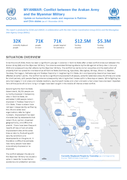
Since the end of 2018, there has been a significant upsurge in violence in Rakhine State after armed conflict broke out between the Arakan Army (AA) and the Myanmar Military. The violence escalated following attacks by the AA against military sites in January 2019 and subsequent counter-attacks by t
...
he Myanmar Military. The conflict has led to civilian casualties and the destruction of property that has spread to nine townships of Rakhine State (Buthidaung, Kyauktaw, Maungdaw, Minbya, Mrauk-U, Myebon, Pauktaw, Ponnagyun, Rathedaung) and Paletwa Township in neighboring Chin State. Ann and Kyaukphyu townships have been affected at certain points. The conflict has led to a significant displacement of people, some for extended amounts of time and some for short periods, with people fleeing violence subsequently returning to their homes within a few days or weeks. While fighting has occurred largely in rural areas and remote locations, key transport routes and urban and semi-urban areas have also been impacted. Tens of thousands of civilians living in villages have been caught in the middle of intense armed conflict.
more
With an FGM prevalence of 75.8% among women aged 15-491, Burkina Faso is classified by UNICEF2 as a ‘moderately high prevalence’ country.
FGM is practised across all regions, ethnic groups and religions in Burkina Faso. There are distinct regional variations; FGM prevalence ranges from 54.8%
...
in the Centre-West to 89.5% in the Centre-East. Two-thirds of the population of Burkina Faso live in rural areas, and nearly 10% more women aged 15-49 have had FGM in rural areas (78.4%) than in urban areas (68.7%). Prevalence in the capital, Ouagadougou, is 64.8%.3
more
The internationally recognized criteria for diagnosis of neurocysticercosis include a requirement for neuroimaging techniques, such as computerized tomography (CT) and/or magnetic resonance imaging (MRI), ideally supported by serology. These facilities are not available in all settings, especially i
...
n rural areas of low-income countries, making it difficult to identify and treat patients. Additionally, there is controversy about the role, type and duration of anthelmintic, antiinflammatory and antiepileptic drug (AED) treatments for different forms of neurocysticercosis.
These guidelines were developed to assist health-care providers in appropriate, evidence-based management of parenchymal neurocysticercosis. The guidelines do not address other forms of neurocysticercosis and do not include management of extraparenchymal disease (including cysticerci in the cerebral ventricles or subarachnoid space). The aim of the guidance is to improve decision-making to ensure appropriate patient care and to avoid misdiagnoses and inappropriate treatment of patients with neurocysticercosis.
more
Monkeypox virus is an orthopoxvirus that causes human monkeypox, a viral disease with symptoms similar to smallpox, including fever and rash. Following the worldwide eradication of smallpox in 1980, monkeypox emerged as the most significant orthopoxvirus infection in humans. Cases are most often rep
...
orted from rural areas of Central and West African countries, particularly in regions close to tropical rainforest where people may have contact with infected animals. Someone can become infected through direct contact with respiratory droplets of another person who has monkeypox in the home or in a health facility, or with contaminated materials such as bedding. Although these are the main modes of person-to-person transmission, monkeypox outbreaks tend to occur in small clusters of a few cases without leading to widespread community transmission. For this reason, outbreaks can be easily controlled when responded to rapidly. On several occasions, monkeypox has been reported in other regions due to importation by travelers or infected animals. This course provides a general introduction to the disease through a video and accompanying downloadable presentation that can be reviewed at your own pace. It is intended for health personnel responsible for prevention and control of monkeypox, and for the general public.
The content and scope of this course on monkeypox have been tailored for outbreaks in African countries where the disease is endemic. The course material was last updated in 2020 and may not reflect most recent WHO guidance issued for the multi-country outbreak in 2022.
more
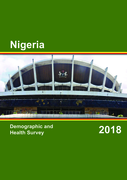
The 2018 NDHS is a national sample survey that provides up-to-date information on demographic and health indicators. The sample was selected using a stratified, two-stage cluster design, with enumeration areas (EAs) as the sampling units for the fir
...
st stage. The second stage was a complete listing of households carried out in each of the 1,400 selected EAs. The target groups were women age 15-49 and men age 15-59
in randomly selected households across Nigeria. A representative sample of approximately 42,000 households was selected for the survey. One-third of the households (14,000) were selected for malaria, anaemia, and genotype testing of children age 6-59 months. Also, in the subsample of households selected
for the men’s survey, one eligible woman in each household was randomly selected for additional questions regarding domestic violence. Specifically, information was collected on fertility levels, marriage, fertility preferences, awareness and use of family planning methods, child feeding practices, nutritional status of women and children, adult and childhood mortality, awareness and attitudes regarding
HIV/AIDS, and female genital mutilation. The survey also assessed the nutritional status (according to weight and height measurements) of women and children in these households. In addition to presenting national estimates, the report provides estimates of key indicators for both rural and urban areas, the country’s six geopolitical zones and 36 states, and the Federal Capital Territory (FCT).
more
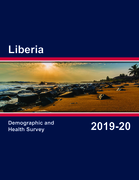
Liberia: Demographic and Health Survey 2019-2020
Liberia Institute of Statistics and Geo-Information Services (LISGIS) Monrovia, Liberia
The DHS Program ICF
(2021)
C2
The LDHS provides an opportunity to inform policy and provide data for planning, implementation, and monitoring and evaluation of national health programs. It is designed to provide up-to-date information on health indicators including fertility levels, sexual activity, fertility preferences, awaren
...
ess and use of family
planning methods, breastfeeding practices, nutritional status of children, early childhood and maternal mortality, maternal and child health, and awareness and behaviors regarding HIV/AIDS and other sexually transmitted infections. The study also incorporated measurements of HIV, hepatitis B, and hepatitis Cprevalence along with seroprevalence of Ebola virus disease antibodies, the results of which will be included in future addendums. In addition to presenting national estimates, the report provides estimates of key indicators for both rural and urban areas, the country’s 15 counties, and the capital, Monrovia.
more
Technical Note: Cholera treatment facilities provide inpatient care for cholera patients during outbreaks. Proper case management and isolation of cholera patients is essential to prevent deaths and help control the spread of
the disease. Traditionally, these structures have been referred to as ch
...
olera treatment centres (CTCs) and
cholera treatment units (CTUs). CTCs are usually large structures set up at central level (e.g. urban areas),
while CTUs are smaller structures set up in the periphery (e.g. peri-urban or rural areas). CTCs/CTUs can
be set up as independent structures in tents or within existing buildings or wards of health structures.
Whatever the structure, the principles described in this document should be respected
more
Research and Reports in Tropical Medicine 2022:13 25–40
Chagas disease (CD) or American trypanosomiasis is a neglected parasitic disease associated with significant mortality and morbidity that includes long-term disability, social stigma and a mental health toll. Perceived as a disease of the ve
...
ry poor, this infection, once limited to rural areas of Latin America (LA), has now spread via migration to non-endemic areas and countries, where transmission is maintained via non-vectorial routes.
more
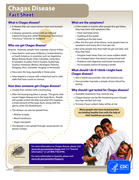
Chagas disease, or American trypanosomiasis, is an illness that can cause serious heart and stomach problems. It is caused by a parasite. Chagas disease is common in Latin America, especially in poor, rural
...
areas. It can also be found in the United States, most often in people who were infected before they moved to the U.S.
more
Chagas disease is named after the Brazilian physician Carlos Chagas, who discovered the disease in 1909. It is caused by the parasite Trypanosoma cruzi, which is transmitted to animals and people by insect vectors and is found only in the Americas (mainly, in
...
rural areas of Latin America where poverty is widespread). Chagas disease (T. cruzi infection) is also referred to as American trypanosomiasis
more
Epidemiology
Chagas disease (American trypanosomiasis) is caused by the protozoan parasite Trypanosoma cruzi, and transmitted to humans by infected triatomine bugs, and less commonly by transfusion, organ transplant, from mother to infant, and in rare instances, by ingestion of contaminated food or
...
drink.1-4 The hematophagous triatomine vectors defecate during or immediately after feeding on a person. The parasite is present in large numbers in the feces of infected bugs, and enters the human body through the bite wound, or through the intact conjunctiva or other mucous membrane.
Vector-borne transmission occurs only in the Americas, where an estimated 8 to 10 million people have Chagas disease.5 Historically, transmission occurred largely in rural areas in Latin America, where houses built of mud brick are vulnerable to colonization by the triatomine vectors.4 In such areas, Chagas disease usually is acquired in childhood. In the last several decades, successful vector control programs have substantially decreased transmission rates in much of Latin America, and large-scale migration has brought infected individuals to cities both within and outside of Latin America.
more

Schistosomiasis is widely recognized as a disease that is socially determined. An understanding of the social and behavioural factors linked to disease transmission and control should play a vital role in designing policies and strategies for schistosomiasis prevention and control. To this must be a
...
dded the awareness that schistosomiasis is also a disease of poverty. It still survives in poverty-stricken, remote areas where there is little or no safe water or sanitation, and health care is scarce or non-existent. For a variety of complex reasons, many of which are addressed in this book, the disease is particularly prevalent in sub-Saharan Africa, and persists in certain areas of rural China. This concern for human behaviour in an environment of poverty echoes the concerns of the new research priority for “diseases of poverty” identified by the Special Programme for Research & Training in Tropical Diseases.
more

The social context of schistosomiasis and its control: an introduction and annotated bibliography
Bruun, B.; Aagaard-Hansen, J.; Watts, S.
World Health Organization WHO; Institutional Repository for Information Sharing iris
(2008)
C_WHO
Schistosomiasis is widely recognized as a disease that is socially determined. An
understanding of the social and behavioural factors linked to disease transmission and
control should play a vital role in designing policies and strategies for schistosomiasis
prevention and control. To this must b
...
e added the awareness that schistosomiasis is
also a disease of poverty. It still survives in poverty-stricken, remote areas where there
is little or no safe water or sanitation, and health care is scarce or non-existent. For
a variety of complex reasons, many of which are addressed in this book, the disease
is particularly prevalent in sub-Saharan Africa, and persists in certain areas of rural
China. This concern for human behaviour in an environment of poverty echoes the
concerns of the new research priority for “diseases of poverty” identified by the
Special Programme for Research & Training in Tropical Diseases.
more
Rabies is entirely preventable, and vaccines, medicines, tools and technologies have long been available to prevent people from dying of dog-mediated rabies. Nevertheless, rabies still kills about 60 000 people a year, of whom over 40% are children under 15, mainly in
...
rural areas of economically disadvantaged countries in Africa and Asia. Of all human cases, up to 99% are acquired from the bite of an infected dog.
more
