
Filter
3214
Text search:
personal
assistance
Featured
304
883
Language
3120
80
60
37
33
24
19
17
8
7
6
6
6
5
5
5
5
5
4
4
4
4
4
4
3
3
3
3
3
3
3
3
2
2
2
2
2
2
2
2
2
2
2
2
2
2
1
1
1
1
1
1
1
1
1
1
1
1
Document type
1872
513
359
202
105
63
44
41
5
4
2
1
1
Countries
136
124
85
82
81
73
71
70
69
69
68
63
61
57
46
43
43
39
35
35
35
34
32
32
28
27
27
26
24
24
22
22
20
20
18
18
17
17
17
15
15
14
14
13
13
12
12
11
10
10
9
9
9
8
8
8
8
8
8
8
7
6
6
6
6
6
6
5
5
5
5
5
5
4
4
4
4
3
3
3
3
3
3
3
3
3
3
2
2
2
2
2
2
2
2
2
2
2
2
2
2
1
1
1
1
1
1
1
1
1
1
1
1
1
1
1
1
1
1
1
1
1
1
Authors & Publishers
320
115
87
75
72
63
60
40
39
38
35
24
23
23
18
18
17
15
15
14
14
14
14
14
14
13
13
12
12
12
12
12
12
12
12
12
11
11
10
10
10
10
10
10
10
9
9
9
9
9
8
8
8
8
8
8
8
8
8
7
7
7
7
7
7
7
7
7
7
7
7
7
7
6
6
6
6
6
6
6
6
6
6
6
6
5
5
5
5
5
5
5
5
5
5
5
5
5
5
5
5
4
4
4
4
4
4
4
4
4
4
4
4
4
4
4
4
4
4
4
4
4
4
4
4
4
4
4
4
4
4
4
4
4
4
4
4
4
4
4
4
4
3
3
3
3
3
3
3
3
3
3
3
3
3
3
3
3
3
3
3
3
3
3
3
3
3
3
3
3
3
3
3
3
3
3
3
3
3
3
3
3
3
3
3
3
3
3
3
3
3
3
3
3
3
3
3
3
3
3
3
3
3
3
3
3
3
3
3
3
3
2
2
2
2
2
2
2
2
2
2
2
2
2
2
2
2
2
2
2
2
2
2
2
2
2
2
2
2
2
2
2
2
2
2
2
2
2
2
2
2
2
2
2
2
2
2
2
2
2
2
2
2
2
2
2
2
2
2
2
2
2
2
2
2
2
2
2
2
2
2
2
2
2
2
2
2
2
2
2
2
2
2
2
2
2
2
2
2
2
2
2
2
2
2
2
2
2
2
2
2
2
2
2
2
2
2
2
2
2
2
2
2
2
2
2
2
2
2
2
2
2
2
2
2
2
2
2
2
2
2
2
2
2
2
2
2
2
2
2
2
2
2
2
2
2
2
2
2
2
2
2
2
2
2
2
2
2
2
2
2
2
2
2
2
2
2
2
2
2
2
2
2
2
2
2
2
2
2
2
2
2
2
2
2
2
2
2
2
2
2
2
2
2
2
2
2
2
2
2
2
2
1
1
1
1
1
1
1
1
1
1
1
1
1
1
1
1
1
1
1
1
1
1
1
1
1
1
1
1
1
1
1
1
1
1
1
1
1
1
1
1
1
1
1
1
1
1
1
1
1
1
1
1
1
1
1
1
1
1
1
1
1
1
1
1
1
1
1
1
1
1
1
1
1
1
1
1
1
1
1
1
1
1
1
1
1
1
1
1
1
1
1
1
1
1
1
1
1
1
1
1
1
1
1
1
1
1
1
1
1
1
1
1
1
1
1
1
1
1
1
1
1
1
1
1
1
1
1
1
1
1
1
1
1
1
1
1
1
1
1
1
1
1
1
1
1
1
1
1
1
1
1
1
1
1
1
1
1
1
1
1
1
1
1
1
1
1
1
1
1
1
1
1
1
1
1
1
1
1
1
1
1
1
1
1
1
1
1
1
1
1
1
1
1
1
1
1
1
1
1
1
1
1
1
1
1
1
1
1
1
1
1
1
1
1
1
1
1
1
1
1
1
1
1
1
1
1
1
1
1
1
1
1
1
1
1
1
1
1
1
1
1
1
1
1
1
1
1
1
1
1
1
1
1
1
1
1
1
1
1
1
1
1
1
1
1
1
1
1
1
1
1
1
1
1
1
1
1
1
1
1
1
1
1
1
1
1
1
1
1
1
1
1
1
1
1
1
1
1
1
1
1
1
1
1
1
1
1
1
1
1
1
1
1
1
1
1
1
1
1
1
1
1
1
1
1
1
1
1
1
1
1
1
1
1
1
1
1
1
1
1
1
1
1
1
1
1
1
1
1
1
1
1
1
1
1
1
1
1
1
1
1
1
1
1
1
1
1
1
1
1
1
1
1
1
1
1
1
1
1
1
1
1
1
1
1
1
1
1
1
1
1
1
1
1
1
1
1
1
1
1
1
1
1
1
1
1
1
1
1
1
1
1
1
1
1
1
1
1
1
1
1
1
1
1
1
1
1
1
1
1
1
1
1
1
1
1
1
1
1
1
1
1
1
1
1
1
1
1
1
1
1
1
1
1
1
1
1
1
1
1
1
1
1
1
1
1
1
1
1
1
1
1
1
1
1
1
1
1
1
1
1
1
1
1
1
1
1
1
1
1
1
1
1
1
1
1
1
1
1
1
1
1
1
1
1
1
1
1
1
1
1
1
1
1
1
1
1
1
1
1
1
1
1
1
1
1
1
1
1
1
1
1
1
1
1
1
1
1
1
1
1
1
1
1
1
1
1
1
1
1
1
1
1
1
1
1
1
1
1
1
1
1
1
1
1
1
1
1
1
1
1
1
1
1
1
1
1
1
1
1
1
1
1
1
1
1
1
1
1
1
1
1
1
1
1
1
1
1
1
1
1
1
1
1
1
1
1
1
1
1
1
1
1
1
1
1
1
1
1
1
1
1
1
1
1
1
1
1
1
1
1
1
1
1
1
1
1
1
1
1
1
1
1
1
1
1
1
1
1
1
1
1
1
1
1
1
1
1
1
1
1
1
1
1
1
1
1
1
1
1
1
1
1
1
1
1
1
1
1
1
1
1
1
1
1
1
1
1
1
1
1
1
1
1
1
1
1
1
1
1
1
1
1
1
1
1
1
1
1
1
1
1
1
1
1
1
1
1
1
1
1
1
1
1
1
1
1
1
1
1
1
1
1
1
1
1
1
1
1
1
1
1
1
1
1
1
1
1
1
1
1
1
1
1
1
1
1
1
1
1
1
1
1
1
1
1
1
1
1
1
1
1
1
1
1
1
1
1
1
1
1
1
1
1
1
1
1
1
1
1
1
1
1
1
1
1
1
1
1
1
1
1
1
1
1
1
1
1
1
1
1
1
1
1
1
1
1
1
1
1
1
1
1
1
1
1
1
1
1
1
1
1
1
1
1
1
1
1
1
1
1
1
1
1
1
1
1
1
1
1
1
1
1
1
1
1
1
1
1
1
1
1
1
1
1
1
1
1
1
1
1
1
1
1
1
1
1
1
1
1
1
1
1
1
1
1
1
1
1
1
1
1
1
1
1
1
1
1
1
1
1
1
1
1
1
1
1
1
1
1
1
1
1
1
1
1
1
1
1
1
1
1
1
1
1
1
1
1
1
1
1
1
1
1
1
1
1
1
1
1
1
1
1
1
1
1
1
1
1
1
1
1
1
1
1
1
1
1
1
1
1
1
1
1
1
1
1
1
1
1
1
1
1
1
1
1
1
1
1
1
1
1
1
1
1
1
1
1
1
1
1
1
1
1
1
1
1
1
1
1
1
1
1
1
1
1
1
1
1
1
1
1
1
1
1
1
1
1
1
1
1
1
1
1
1
1
1
1
1
1
1
1
1
1
1
1
1
1
1
1
1
1
1
1
1
1
1
1
1
1
1
1
1
1
1
1
1
1
1
1
1
1
1
1
1
1
1
1
1
1
1
1
1
1
1
1
1
1
1
1
1
1
1
1
1
1
1
1
1
1
1
1
1
1
1
1
1
1
1
1
1
1
1
1
1
1
1
1
1
1
1
1
1
1
1
1
1
1
1
1
1
1
1
1
1
1
1
1
1
1
1
1
1
1
1
1
1
1
1
1
1
1
1
1
1
1
1
1
1
1
1
1
1
1
1
1
1
1
1
1
1
1
1
1
1
1
1
1
1
1
1
1
1
1
1
1
1
1
1
1
1
1
1
1
1
1
1
1
1
1
1
1
1
1
1
1
1
1
1
1
1
1
1
1
1
1
1
1
1
1
1
1
1
1
1
1
1
1
1
1
1
1
1
1
1
1
1
1
1
1
1
1
1
1
1
1
1
1
1
1
1
1
1
1
1
1
1
1
1
1
1
1
1
1
1
1
1
1
1
1
1
1
1
1
1
1
1
1
1
1
1
1
1
1
1
1
1
1
1
1
1
1
1
1
1
1
1
1
1
1
1
1
1
1
1
1
1
1
1
1
1
1
1
1
1
1
1
1
1
1
1
1
1
1
1
1
1
1
1
1
1
1
1
1
1
1
1
1
1
1
1
1
1
1
1
1
1
1
1
1
1
1
1
1
1
1
1
1
1
1
1
1
1
1
1
1
1
1
1
1
1
1
1
1
1
1
1
1
1
1
1
1
1
1
1
1
1
1
1
1
1
1
1
1
1
1
1
1
1
1
1
1
1
1
1
1
1
1
1
1
1
1
1
1
1
1
1
1
1
1
1
1
1
1
1
1
1
1
1
1
1
1
1
1
1
1
1
1
1
1
1
1
1
1
1
1
1
1
1
1
1
1
1
1
1
1
1
1
1
1
1
1
1
1
1
1
1
1
1
1
1
1
1
1
1
1
1
1
1
1
1
1
1
1
1
1
1
1
1
1
1
1
1
1
1
1
1
1
1
1
1
1
1
1
1
1
1
1
1
1
1
1
1
1
1
1
1
1
1
1
1
1
1
1
1
1
1
1
1
1
1
1
1
1
1
1
1
1
1
1
1
1
1
1
1
1
1
1
1
1
1
1
1
1
1
1
1
1
1
1
1
1
1
1
1
1
1
1
1
1
1
1
1
1
1
1
1
1
1
1
1
1
1
1
1
1
1
1
1
1
1
1
1
1
1
1
1
1
1
1
1
1
1
1
1
1
1
1
1
1
1
1
1
1
1
1
1
1
1
1
1
1
1
1
1
1
1
1
1
1
1
1
1
1
1
1
1
1
1
1
1
1
1
1
1
1
1
1
1
1
1
1
1
1
1
1
1
1
1
1
1
1
1
1
1
1
1
1
1
1
1
1
1
1
1
1
1
1
1
1
1
1
1
1
1
1
1
1
1
1
1
1
1
1
1
1
1
1
1
1
1
1
1
1
1
1
1
1
1
1
1
1
1
1
1
1
1
1
1
1
1
1
1
1
1
1
1
1
1
1
1
1
1
1
1
1
1
1
1
1
1
1
1
1
1
1
1
1
1
1
1
1
1
1
1
1
1
1
1
1
1
1
1
1
1
1
1
1
1
1
1
1
1
1
1
1
1
1
1
1
1
1
1
1
1
1
1
1
1
1
1
1
1
1
1
1
1
1
1
1
1
1
1
1
1
1
1
1
1
1
1
1
1
1
1
1
1
1
1
1
1
1
1
1
1
1
1
1
1
1
1
1
1
1
1
1
1
1
1
1
1
1
1
1
1
1
1
1
1
1
1
1
1
1
1
1
1
1
1
1
1
1
1
1
1
1
1
1
1
1
1
1
1
1
1
1
1
1
1
1
1
1
1
1
1
1
1
1
1
1
1
1
1
1
1
1
1
1
1
1
1
1
1
1
1
1
1
1
1
1
1
1
1
1
1
1
1
1
1
1
1
1
1
1
1
1
1
1
1
1
1
1
1
1
1
1
1
1
1
1
1
1
1
1
1
1
1
1
1
1
1
1
1
1
1
1
1
1
1
1
1
1
1
1
1
1
1
1
1
1
1
1
1
1
1
1
1
1
1
1
1
1
1
1
1
1
1
1
1
1
1
1
1
1
1
1
1
1
1
1
1
1
1
1
1
1
1
1
1
1
1
1
1
1
1
1
1
1
1
1
1
1
1
1
1
1
1
1
1
1
1
1
1
1
1
1
1
1
1
1
1
1
1
1
1
1
1
1
1
1
1
1
1
1
1
1
1
1
1
1
1
1
1
1
1
1
1
1
1
1
1
1
1
1
1
1
1
1
1
1
1
1
1
1
1
1
1
1
1
1
1
1
1
1
1
1
1
1
1
1
1
1
1
1
1
1
1
1
1
1
1
1
1
1
1
1
1
1
1
1
1
1
1
1
1
1
1
1
1
1
1
1
1
1
1
1
1
1
1
1
1
1
1
1
1
1
1
1
1
1
1
1
1
1
1
1
1
1
1
1
1
1
1
1
1
1
1
1
1
1
1
1
1
1
1
1
1
1
1
1
1
1
1
1
1
1
1
1
1
1
1
1
1
1
1
1
1
1
1
1
1
1
1
1
1
1
1
1
1
1
1
1
1
1
1
1
1
1
1
1
1
1
1
1
1
1
1
1
1
1
1
1
1
1
1
1
1
1
1
1
1
1
1
1
1
1
1
1
1
1
1
1
1
1
1
1
1
1
1
1
1
1
1
1
1
1
1
1
1
1
1
1
1
1
1
1
1
1
1
1
1
1
1
1
1
1
1
1
1
1
1
1
1
1
1
1
1
1
1
1
1
1
1
1
1
1
1
1
1
1
1
1
1
1
1
1
1
1
1
1
1
1
1
1
1
1
1
1
1
1
1
1
1
1
1
1
1
1
1
1
1
1
1
1
1
1
1
1
1
1
1
1
1
1
1
1
1
1
1
1
Publication Years
846
1995
350
19
2
1
1
Category
1198
273
177
142
122
94
14
Toolboxes
319
294
271
163
138
134
93
83
76
70
68
63
49
48
40
36
34
34
34
27
24
20
19
17
13
4
2
DEVELOPMENT BULLETIN | No.74, June 2011 | Editor: Pamela Thomas | Features and case studies | Progress with implementing conventions and strategies | Progress with capacity building | Progress with disability-inclusive education | Disability-inclusive research | Innovative inclusion | Review of urba
...
nisation in the Pacific | Development assistance and disability
more
The Japan Committee for UNICEF (JCU) has for years endeavored to disseminate important information about children in developing countries and UNICEF’s various assistance programmes there, as well as to fundraise to support those programmes. Unprec
...
edented damage caused by the East Japan Earthquake, however, forced us to ask ourselves what we could do to help, and we wasted no time in contacting UNICEF Headquarters in New York.
more
As part of the new strategy preparation, USAID/Senegal requested assistance with a gender assessment. This study was conducted from March 20 to April 11, 2010. It was supported jointly by the Women in Development Indefinite Quantity Contract (WID IQ
...
C) Task Order 1 ShortTerm Technical Assistance and Training (STTA&T) and the USAID/Senegal mission. In addition to conducting a literature review, the team made site visits in the cities and towns of Dakar, Thiès, Kaolack, and Tambacounda and villages near each of them. These offered examples of key gender issues in Senegal, including gender disparities in access to education, unequal allocation of land and other productive resources, and gender-based violence (such as domestic violence, female genital cutting [FGC], and rape), as well as examples of USAID/Senegal‟s programming to address these problems.
more
The International Organization for Migration (IOM) and partners from 27 humanitarian and development organisations and governments are appealing for USD 84 million to provide life-saving assistance to hundreds of thousands of African migrants and ho
...
st community members affected by COVID-19 in the Horn of Africa and Yemen. The many partners include the UN Children’s Fund (UNICEF), Save the Children, among others.
more
Psychological first aid is a simple, yet powerful way of helping someone in distress. It involves paying attention to the person’s reactions, active listening and if relevant, practical assistance to help address immediate problems and basic needs
...
. Learning psychological first aid skills and understanding reactions to crises empowers helpers to help others and apply the same skills to their own lives.
A Short Introduction to Psychological First Aid contains chapters about What is PFA, Who needs PFA and How to provide PFA. It also contains a short introduction to PFA for children and PFA in Groups.
more
UNICEF Syria’s series of think pieces. Every day counts. An outlook on child protection for the most vulnerable children in Syria.To navigate the complex and continuously changing context and attain sustainable results for children, UNICEF – along with other UN agencies - seeks to make a shift i
...
n its programming towards early recovery while maintaining the delivery of humanitarian assistance based on needs on the ground. This will help strengthen the linkages between the needs-based emergency response and essential service restoration, socioeconomic resilience, and social cohesion.
more
The Councils share a common mandate of ensuring persons practising health related professions in Namibia are suitably qualified. Registration with the Councils is, thus, a pre-requisite for professional practice – and it is also a legal requirement too update
...
personal details of all registered healthcare practitioners. The target of the Councils as per the five-year strategic plan (2020/2025) is to register and enrol twenty-four thousand six hundred and fourteen (24 614) healthcare practitioners by the 2021/2022 financial year. The Councils have significantly delivered on this mandate by registering and enrolling a total of twenty-six thousand six hundred and eighty-one (26 681) healthcare practitioners.
more

the Pocket Guide includes
information on HIV clinical care; growth and development; mental health; child protection;
counselling and communication; disclosure; loss, grief, and bereavement; adherence; sexual
and reproductive health; transition of care; support systems; and monitoring and evaluati
...
on
of psychosocial services. The information provided in this Pocket Guide aims to serve as a
convenient clinical resource to equip health care providers (HCPs) with knowledge and skills
that will help them to maximise resiliency, minimise risk factors, and promote positive personal
growth among the children and adolescents they care for who are living with and affected
by HIV.
more

2nd edition. The interagency field handbook on malaria control was developed to set out effective malaria control responses in humanitarian emergencies, particularly during the acute phase when reliance on international humanitarian assistance is gr
...
eatest. This second edition represents a thorough updating and revision of the first edition. The structure remains similar, but includes an additional chapter on humanitarian coordination. All chapters have been revised to reflect changes in best practices, improvements in technologies, availability of new tools, and changes in WHO recommendations.
more
The standard operating procedures (SOP) for referral care cover all the refugee populations living in Lebanon. These SOPs outline the policies and procedures for referral care in Lebanon, including the limits in health assistance that can be provide
...
d.
more
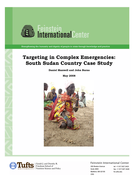
This research is one case in a study commissioned by the World Food Programme to investigate the participation of recipient community in the targeting and management of humanitarian food assistance in complex emergencies. The study involved a substa
...
ntial desk review of existing documentation, and three weeks of field work in February and March 2008. The purpose of the study was to understand the ways in which participatory or community-based approaches to targeting have been attempted, within the definition of community-based targeting suggested by WFP. The study was not an evaluation of targeting methods, although some critical examination of targeting was necessary in order to understand the constraints on community participation.
Related resources
more
Disability Inclusive Development Toolkit
recommended
This toolkit is designed as a resource for CBM that can be used in a variety of ways: to support staff induction, team meetings, refresher days and training workshops. It can also be used as a tool for personal reflection and self-study. Tips for th
...
ose intending to use it as a training resource are shaded differently.
more
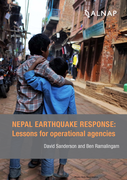
In the aftermath of the April 2015 earthquake in Nepal, this paper looks at lessons drawn from previous comparable disasters and seeks to provide invaluable information and assistance to the operational agencies responding to the crisis.
Gender and security is a complex issue, and this research found that there are different levels of comprehension of what it means in humanitarian and development assistance practice. The aims of the paper are twofold: to raise general awareness abou
...
t gender and how it relates to security risk management, and to provide practical tools for effective integration of gender-specific considerations to the existing security management practices. Document also available in French and Spanish.
more
2018 South Sudan Humanitarian Needs Overview
recommended
This document provides the Humanitarian Country Team’s shared understanding of the crisis, including the most pressing
humanitarian needs and the estimated number of people who need assistance. It represents a consolidated evidence base and
he
...
lps inform joint strategic response planning.
As the conflict in South Sudan enters its fifth year in 2018, the humanitarian crisis has continued to intensify and expand, on a costly trajectory for the country’s people and their outlook on the future. The compounding effects of widespread violence and sustained economic decline have further diminished the capacity of people to face threats to their health, safety and livelihoods. People in need of assistance and protection number 7 million, even as more than 2 million have fled to neighbouring countries.
more

More than 51.000 people are stranded around Greece (according to data published by the Greek Government ). The majority have applied for asylum while others wait for relocation or family reunification applications to be decided so that they can move on to other member states.
Applicants for all p
...
rocesses require legal assistance: to ensure the appropriate asylum procedure is pursued, vulnerabilities are detected, deadlines met, the process is fair and that basic human needs are fulfilled, and rights are respected.
more
The aim of this publication is to provide practical guidance for public information officers on the preparation for and response to a nuclear or radiological emergency, and to fulfil in part functions assigned to the IAEA in the Convention on
...
Assistance in the Case of a Nuclear
Accident or Radiological Emergency (Assistance Convention), as well as meeting requirements stated in IAEA Safety Standards Series No. SF-1, Fundamental Safety Principles, and in IAEA Safety Standards No. GS-R-2, Preparedness and Response for a Nuclear or Radiological Emergency.
Also available in Arabic, Chinese, French, Russian and Spanish: https://www-pub.iaea.org/books/IAEABooks/8889/Communication-with-the-Public-in-a-Nuclear-or-Radiological-Emergency
more
The National Tuberculosis Programme (NTP) of Rwanda (known as TB & ORD Division/IHDPC/RBC) is preparing to write their next National Strategic Plan and for this reason Rwanda was selected as a country to received technical assistance (TA) to conduct
...
an assessment of their surveillance system using the surveillance checklist as input for the new strategy. This TA was provided under the USAID TBCARE I Core project on Monitoring and Evaluation, Operational Research and Surveillance (C7.08) developed a surveillance checklist with the objectives to assess a national surveillance system’s ability to accurately measure TB cases and deaths and to identify gaps in national surveillance systems that need to be addressed in order to improve TB surveillance.
more

In April and May 2015, Nepal was hit by two major earthquakes killing around 9,000 people and leaving many thousands more injured and homeless.
To optimize the speed and volume of critical humanitarian assistance, the HCT has developed this Pla ... n to:
1. Reach a common understanding of earthquake risk to ensure early action is taken when required.
2. Establish a minimum level of earthquake preparedness across clusters.
3. Build the basis for a joint HCT response strategy to meet the needs of affected people in the first 6 weeks to 3 months of a response.
4. Define considerations for detailed contingency planning on the basis of the worst-case scenario, especially around access and logistics. more
To optimize the speed and volume of critical humanitarian assistance, the HCT has developed this Pla ... n to:
1. Reach a common understanding of earthquake risk to ensure early action is taken when required.
2. Establish a minimum level of earthquake preparedness across clusters.
3. Build the basis for a joint HCT response strategy to meet the needs of affected people in the first 6 weeks to 3 months of a response.
4. Define considerations for detailed contingency planning on the basis of the worst-case scenario, especially around access and logistics. more
In view of the ongoing political, peace and reconciliation, administrative and economic reforms as well as plans to establish the United Nations Development Assistance Framework (UNDAF) in 2018, WFP extended the current Protracted Relief and Reco
...
very Operation (PRRO 200299), launched in January 2013, by two years to include 2016 and 2017, with approved budget USD 343 million. To echo this extension and provide a more appropriate response to the country's rapid and multi-pronged transition, WFP adopted a transition strategy with gradually reduced emphasis on humanitarian assistance and greater focus on early recovery and development interventions. WFP's strategic engagement in-country was driven by the overarching goal to assist Myanmar to achieve the national Zero Hunger Challenge by 2025, and was guided by three priorities: emergency preparedness and response; nutrition; and provision of social safety nets.
more
