
Filter
4090
Text search:
medical
professionals
Featured
404
957
Language
3966
100
86
65
60
33
33
26
14
13
11
10
9
8
8
8
7
5
5
5
5
4
4
4
4
4
4
4
3
3
3
3
3
3
3
3
3
2
2
2
2
2
2
2
2
2
1
1
1
1
1
1
1
1
1
1
1
1
1
1
1
Document type
2097
656
645
313
141
92
67
32
16
16
6
4
3
Countries
160
150
127
111
108
106
88
77
69
64
62
59
59
54
54
51
47
44
43
42
39
36
35
32
30
30
26
24
22
22
21
20
20
19
19
19
18
17
17
16
16
16
16
15
15
14
14
14
14
12
12
12
11
10
9
9
9
9
9
8
7
7
7
7
7
6
6
5
5
5
5
5
5
5
4
4
4
4
4
4
4
4
3
3
3
3
3
3
3
3
3
3
3
3
3
2
2
2
2
2
2
2
2
2
2
2
2
2
2
2
2
2
1
1
1
1
1
1
1
1
1
1
1
1
1
1
1
1
1
1
1
1
1
1
1
1
1
1
1
1
1
Authors & Publishers
604
167
135
121
96
75
66
52
51
32
29
26
25
22
20
20
16
16
15
15
14
14
13
13
13
13
12
11
11
11
11
11
10
10
10
10
10
10
10
10
10
10
9
9
9
9
9
9
9
9
8
8
8
8
8
8
8
8
8
7
7
7
7
7
7
7
7
7
7
7
7
7
7
7
7
6
6
6
6
6
6
6
6
6
6
6
6
6
6
6
6
6
6
6
6
6
6
6
5
5
5
5
5
5
5
5
5
5
5
5
5
5
5
5
5
5
5
5
4
4
4
4
4
4
4
4
4
4
4
4
4
4
4
4
4
4
4
4
4
4
4
4
4
4
4
4
4
4
4
4
4
4
4
4
4
4
4
4
4
4
4
4
4
4
4
4
3
3
3
3
3
3
3
3
3
3
3
3
3
3
3
3
3
3
3
3
3
3
3
3
3
3
3
3
3
3
3
3
3
3
3
3
3
3
3
3
3
3
3
3
3
3
3
3
3
3
3
3
3
3
3
3
3
3
3
3
3
3
3
3
3
3
3
3
3
3
3
3
3
3
3
3
3
3
2
2
2
2
2
2
2
2
2
2
2
2
2
2
2
2
2
2
2
2
2
2
2
2
2
2
2
2
2
2
2
2
2
2
2
2
2
2
2
2
2
2
2
2
2
2
2
2
2
2
2
2
2
2
2
2
2
2
2
2
2
2
2
2
2
2
2
2
2
2
2
2
2
2
2
2
2
2
2
2
2
2
2
2
2
2
2
2
2
2
2
2
2
2
2
2
2
2
2
2
2
2
2
2
2
2
2
2
2
2
2
2
2
2
2
2
2
2
2
2
2
2
2
2
2
2
2
2
2
2
2
2
2
2
2
2
2
2
2
2
2
2
2
2
2
2
2
2
2
2
2
2
2
2
2
2
2
2
2
2
2
2
2
2
2
2
2
2
2
2
2
2
2
2
2
2
2
2
2
2
2
2
2
2
2
2
2
2
2
2
2
2
2
2
2
2
2
2
2
2
2
2
2
2
2
2
2
2
2
2
2
2
1
1
1
1
1
1
1
1
1
1
1
1
1
1
1
1
1
1
1
1
1
1
1
1
1
1
1
1
1
1
1
1
1
1
1
1
1
1
1
1
1
1
1
1
1
1
1
1
1
1
1
1
1
1
1
1
1
1
1
1
1
1
1
1
1
1
1
1
1
1
1
1
1
1
1
1
1
1
1
1
1
1
1
1
1
1
1
1
1
1
1
1
1
1
1
1
1
1
1
1
1
1
1
1
1
1
1
1
1
1
1
1
1
1
1
1
1
1
1
1
1
1
1
1
1
1
1
1
1
1
1
1
1
1
1
1
1
1
1
1
1
1
1
1
1
1
1
1
1
1
1
1
1
1
1
1
1
1
1
1
1
1
1
1
1
1
1
1
1
1
1
1
1
1
1
1
1
1
1
1
1
1
1
1
1
1
1
1
1
1
1
1
1
1
1
1
1
1
1
1
1
1
1
1
1
1
1
1
1
1
1
1
1
1
1
1
1
1
1
1
1
1
1
1
1
1
1
1
1
1
1
1
1
1
1
1
1
1
1
1
1
1
1
1
1
1
1
1
1
1
1
1
1
1
1
1
1
1
1
1
1
1
1
1
1
1
1
1
1
1
1
1
1
1
1
1
1
1
1
1
1
1
1
1
1
1
1
1
1
1
1
1
1
1
1
1
1
1
1
1
1
1
1
1
1
1
1
1
1
1
1
1
1
1
1
1
1
1
1
1
1
1
1
1
1
1
1
1
1
1
1
1
1
1
1
1
1
1
1
1
1
1
1
1
1
1
1
1
1
1
1
1
1
1
1
1
1
1
1
1
1
1
1
1
1
1
1
1
1
1
1
1
1
1
1
1
1
1
1
1
1
1
1
1
1
1
1
1
1
1
1
1
1
1
1
1
1
1
1
1
1
1
1
1
1
1
1
1
1
1
1
1
1
1
1
1
1
1
1
1
1
1
1
1
1
1
1
1
1
1
1
1
1
1
1
1
1
1
1
1
1
1
1
1
1
1
1
1
1
1
1
1
1
1
1
1
1
1
1
1
1
1
1
1
1
1
1
1
1
1
1
1
1
1
1
1
1
1
1
1
1
1
1
1
1
1
1
1
1
1
1
1
1
1
1
1
1
1
1
1
1
1
1
1
1
1
1
1
1
1
1
1
1
1
1
1
1
1
1
1
1
1
1
1
1
1
1
1
1
1
1
1
1
1
1
1
1
1
1
1
1
1
1
1
1
1
1
1
1
1
1
1
1
1
1
1
1
1
1
1
1
1
1
1
1
1
1
1
1
1
1
1
1
1
1
1
1
1
1
1
1
1
1
1
1
1
1
1
1
1
1
1
1
1
1
1
1
1
1
1
1
1
1
1
1
1
1
1
1
1
1
1
1
1
1
1
1
1
1
1
1
1
1
1
1
1
1
1
1
1
1
1
1
1
1
1
1
1
1
1
1
1
1
1
1
1
1
1
1
1
1
1
1
1
1
1
1
1
1
1
1
1
1
1
1
1
1
1
1
1
1
1
1
1
1
1
1
1
1
1
1
1
1
1
1
1
1
1
1
1
1
1
1
1
1
1
1
1
1
1
1
1
1
1
1
1
1
1
1
1
1
1
1
1
1
1
1
1
1
1
1
1
1
1
1
1
1
1
1
1
1
1
1
1
1
1
1
1
1
1
1
1
1
1
1
1
1
1
1
1
1
1
1
1
1
1
1
1
1
1
1
1
1
1
1
1
1
1
1
1
1
1
1
1
1
1
1
1
1
1
1
1
1
1
1
1
1
1
1
1
1
1
1
1
1
1
1
1
1
1
1
1
1
1
1
1
1
1
1
1
1
1
1
1
1
1
1
1
1
1
1
1
1
1
1
1
1
1
1
1
1
1
1
1
1
1
1
1
1
1
1
1
1
1
1
1
1
1
1
1
1
1
1
1
1
1
1
1
1
1
1
1
1
1
1
1
1
1
1
1
1
1
1
1
1
1
1
1
1
1
1
1
1
1
1
1
1
1
1
1
1
1
1
1
1
1
1
1
1
1
1
1
1
1
1
1
1
1
1
1
1
1
1
1
1
1
1
1
1
1
1
1
1
1
1
1
1
1
1
1
1
1
1
1
1
1
1
1
1
1
1
1
1
1
1
1
1
1
1
1
1
1
1
1
1
1
1
1
1
1
1
1
1
1
1
1
1
1
1
1
1
1
1
1
1
1
1
1
1
1
1
1
1
1
1
1
1
1
1
1
1
1
1
1
1
1
1
1
1
1
1
1
1
1
1
1
1
1
1
1
1
1
1
1
1
1
1
1
1
1
1
1
1
1
1
1
1
1
1
1
1
1
1
1
1
1
1
1
1
1
1
1
1
1
1
1
1
1
1
1
1
1
1
1
1
1
1
1
1
1
1
1
1
1
1
1
1
1
1
1
1
1
1
1
1
1
1
1
1
1
1
1
1
1
1
1
1
1
1
1
1
1
1
1
1
1
1
1
1
1
1
1
1
1
1
1
1
1
1
1
1
1
1
1
1
1
1
1
1
1
1
1
1
1
1
1
1
1
1
1
1
1
1
1
1
1
1
1
1
1
1
1
1
1
1
1
1
1
1
1
1
1
1
1
1
1
1
1
1
1
1
1
1
1
1
1
1
1
1
1
1
1
1
1
1
1
1
1
1
1
1
1
1
1
1
1
1
1
1
1
1
1
1
1
1
1
1
1
1
1
1
1
1
1
1
1
1
1
1
1
1
1
1
1
1
1
1
1
1
1
1
1
1
1
1
1
1
1
1
1
1
1
1
1
1
1
1
1
1
1
1
1
1
1
1
1
1
1
1
1
1
1
1
1
1
1
1
1
1
1
1
1
1
1
1
1
1
1
1
1
1
1
1
1
1
1
1
1
1
1
1
1
1
1
1
1
1
1
1
1
1
1
1
1
1
1
1
1
1
1
1
1
1
1
1
1
1
1
1
1
1
1
1
1
1
1
1
1
1
1
1
1
1
1
1
1
1
1
1
1
1
1
1
1
1
1
1
1
1
1
1
1
1
1
1
1
1
1
1
1
1
1
1
1
1
1
1
1
1
1
1
1
1
1
1
1
1
1
1
1
1
1
1
1
1
1
1
1
1
1
1
1
1
1
1
1
1
1
1
1
1
1
1
1
1
1
1
1
1
1
1
1
1
1
1
1
1
1
1
1
1
1
1
1
1
1
1
1
1
1
1
1
1
1
1
1
1
1
1
1
1
1
1
1
1
1
1
1
1
1
1
1
1
1
1
1
1
1
1
1
1
1
1
1
1
1
1
1
1
1
1
1
1
1
1
1
1
1
1
1
1
1
1
1
1
1
1
1
1
1
1
1
1
1
1
1
1
1
1
1
1
1
1
1
1
1
1
1
1
1
1
1
1
1
1
1
1
1
1
1
1
1
1
1
1
1
1
1
1
1
1
1
1
1
1
1
1
1
1
1
1
1
1
1
1
1
1
1
1
1
1
1
1
1
1
1
1
1
1
1
1
1
1
1
1
1
1
1
1
1
1
1
1
1
1
1
1
1
1
1
1
1
1
1
1
1
1
1
1
1
1
1
1
1
1
1
1
1
1
1
1
1
1
1
1
1
1
1
1
1
1
1
1
1
1
1
1
1
1
1
1
1
1
1
1
1
1
1
1
1
1
1
1
1
1
1
1
1
1
1
1
1
1
1
1
1
1
1
1
1
1
1
1
1
1
1
1
1
1
1
1
1
1
1
1
1
1
1
1
1
1
1
1
1
1
1
1
1
1
1
1
1
1
1
1
1
1
1
1
1
1
1
1
1
1
1
1
1
1
1
1
1
1
1
1
1
1
1
1
1
1
1
1
1
1
1
1
1
1
1
1
1
1
1
1
1
1
1
1
1
1
1
1
1
1
1
1
1
1
1
1
1
1
1
1
1
1
1
1
1
1
1
1
1
1
1
1
1
1
1
1
1
1
1
1
1
1
1
1
1
1
1
1
1
1
1
1
1
1
1
1
1
1
1
1
1
1
1
1
1
1
1
1
1
1
1
1
1
1
1
1
1
1
1
1
1
1
1
1
1
1
1
1
1
1
1
1
1
1
1
1
1
1
1
1
1
1
1
1
1
1
1
1
1
1
1
1
1
1
1
1
1
1
1
1
1
1
1
1
1
1
1
1
1
1
1
1
1
1
1
1
1
1
1
1
1
1
1
1
1
1
1
1
1
1
1
1
1
1
1
1
1
1
1
1
1
1
1
1
1
1
1
1
1
1
1
1
1
1
1
1
1
1
1
1
1
1
1
1
1
1
1
1
1
1
1
1
1
1
1
1
1
1
1
1
1
1
1
1
1
1
1
1
1
1
1
1
1
1
1
1
1
1
1
1
1
1
1
1
1
1
1
1
1
1
1
1
1
1
1
1
1
1
1
1
1
1
1
1
1
1
1
1
1
1
1
1
1
1
1
1
1
1
1
1
1
1
1
1
1
1
1
1
1
1
1
1
1
1
1
1
1
1
1
1
1
1
1
1
1
1
1
1
1
1
1
1
1
1
1
1
1
1
1
1
1
1
1
1
1
1
1
1
1
1
1
1
1
1
1
1
1
1
1
1
1
1
1
1
1
1
1
1
1
1
1
1
1
1
1
1
1
1
1
1
1
1
1
1
1
1
1
1
1
1
1
1
1
1
1
1
1
1
1
1
1
1
1
1
1
1
1
1
1
1
1
1
1
1
1
1
1
1
1
1
1
1
1
1
1
1
1
1
1
1
1
1
1
1
1
1
1
1
1
1
1
1
1
1
1
1
1
1
1
1
1
1
1
1
1
1
1
1
1
1
1
1
1
1
1
1
1
1
1
1
1
1
1
1
1
1
1
1
1
1
1
1
1
1
1
1
1
1
1
1
1
1
1
1
1
1
1
1
1
1
1
1
1
1
1
1
1
1
1
1
1
1
1
1
1
1
1
1
1
1
1
1
1
1
1
1
1
1
1
1
1
1
1
1
1
1
1
1
1
1
1
1
1
1
1
1
1
1
1
1
1
1
1
1
1
1
1
1
1
1
1
1
1
1
1
1
1
1
1
1
1
1
1
1
1
1
1
1
1
1
1
1
1
1
1
1
1
1
1
1
1
1
1
1
1
1
1
1
1
1
1
1
1
1
1
1
1
1
1
1
1
1
1
1
1
1
1
1
1
1
1
1
1
1
1
1
1
1
1
1
1
1
1
1
1
1
1
1
1
1
1
1
1
1
1
1
1
1
1
1
1
1
1
1
1
1
1
1
1
1
1
1
1
1
1
1
1
1
1
1
1
1
1
1
1
1
1
1
1
1
1
1
1
1
1
1
1
1
1
1
1
1
1
1
1
1
1
1
1
1
1
1
1
1
1
1
1
1
1
1
1
1
1
1
1
1
1
1
1
1
1
1
1
1
1
1
1
1
1
1
1
1
1
1
1
1
1
1
1
1
1
1
1
1
1
1
1
1
1
1
1
1
1
1
1
1
1
1
1
1
1
1
1
1
1
1
1
1
1
1
1
1
1
1
1
1
1
1
1
1
1
1
1
1
1
1
1
1
1
1
1
1
1
1
1
1
1
1
1
1
1
1
1
1
1
1
1
1
1
1
1
1
1
1
1
1
1
1
1
1
1
1
1
1
1
1
1
1
1
1
1
1
1
1
1
1
1
1
1
1
1
1
1
1
1
1
1
1
1
1
1
1
1
1
1
1
1
1
1
1
1
1
1
1
1
1
1
1
1
1
1
1
1
1
1
1
1
1
1
1
1
1
1
1
1
1
1
1
1
1
1
1
1
1
1
1
1
1
1
1
1
1
1
1
1
1
1
1
1
1
1
1
1
1
1
1
1
1
1
1
1
1
1
1
1
1
1
1
1
1
1
1
1
1
1
1
1
1
1
1
1
1
1
1
1
1
1
1
1
1
1
1
1
1
1
1
1
1
1
1
1
1
1
1
1
1
1
1
1
1
1
1
1
1
1
1
1
1
1
1
1
1
1
1
1
1
1
1
1
1
1
1
1
1
1
1
1
1
1
1
1
1
1
1
1
1
1
1
1
1
1
1
1
1
1
1
1
1
1
1
1
1
1
1
1
1
1
1
1
1
1
1
1
1
1
1
1
1
1
1
1
1
1
1
1
1
1
1
1
1
1
1
1
1
1
1
1
1
1
1
1
1
1
1
1
1
1
1
1
1
1
1
1
1
1
1
1
1
1
1
1
1
1
1
1
1
1
1
1
1
1
1
1
1
1
1
1
1
1
1
1
1
1
1
1
1
1
1
1
1
1
1
1
1
1
1
1
1
1
1
1
1
1
1
1
1
1
1
1
1
1
1
1
1
1
1
1
1
1
1
1
1
1
1
1
1
1
1
1
1
1
1
1
1
1
1
1
1
1
1
1
1
1
1
1
1
1
1
1
1
1
1
1
1
1
1
1
1
1
1
1
1
1
1
1
1
1
1
1
1
1
1
1
1
1
1
1
1
1
1
1
1
1
1
1
1
1
1
1
1
1
1
1
1
1
1
1
1
1
1
1
1
1
1
1
1
1
1
1
1
1
1
1
1
1
1
1
1
1
1
1
1
1
1
1
1
1
1
1
1
1
1
1
1
1
1
1
1
1
1
1
1
1
1
1
1
1
1
1
1
1
1
1
1
1
1
1
1
1
1
1
1
1
1
1
1
1
1
1
1
1
1
1
1
1
1
1
Publication Years
1182
2471
412
22
2
1
Category
1416
350
259
251
246
80
40
2
Toolboxes
508
295
231
209
160
132
127
116
112
111
107
98
97
94
80
78
66
45
39
31
28
28
18
13
11
2
1
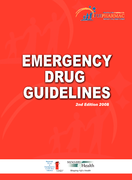
The publication of the Second Edition of the Emergency Drug Guidelines represents the culmination of the efforts of the National Drugs and Therapeutics Committee (NDTC) to publish clinical drug guidelines for common diseases seen in Fiji. These guidelines are targeted for health care
...
professionals working at hospitals and at the primary health care settings. It sets the gold standard for the use of drugs in the treatment of emergency medical conditions in Fiji. The guidelines have taken into account the drugs available in the Fiji Essential Medicines Formulary (EMF), 2006 Edition, in recommending treatment approaches. All recommended therapies are either evidencebased or universally accepted standards
more
The Radiation Injury Treatment Network® (RITN) provides comprehensive evaluation and treatment for victims of radiation exposure or other marrow toxic injuries.
The goals of RITN are:
1. to develop treatment guidelines for managing hematologic toxicity among victims of radiation exposure,
2. to
...
educate health care professionals about pertinent aspects of radiation exposure management,
3. to help coordinate the medical response to radiation events, and
4. to provide comprehensive evaluation and treatment for victims at participating centers.
more
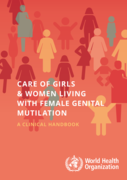
This handbook is for health care providers involved in the care of girls and women who have been subjected to any form of female genital mutilation (FGM). This includes obstetricians and gynaecologists, surgeons, general medical practitioners, midwi
...
ves, nurses and other country-specific health professionals. Health-care professionals providing mental health care, and educational and psychosocial support – such as psychiatrists, psychologists, social workers and health educators – will also find this handbook helpful.
more
Learn the ETAT+ guidelines on how to resuscitate a newborn baby who is born not breathing in this exciting 3D simulation training app. Navigate around a virtual reality hospital, find the equipment you need and quiz yourself with interactive quizzes, multiple-choice questions (MCQs) and perform simu
...
lated procedures.
In this simulated scenario, you are faced with a baby who is born not breathing and have to use your clinical skills to follow the ETAT + guidelines and save the baby's life. You are working against the clock and must select the correct medical equipment and carry out the key life-saving steps needed.
ETAT + guidelines for the management of paediatric emergencies are currently used for training healthcare professionals in Kenya, Uganda, Rwanda, Zimbabwe, Zambia, Malawi, Tanzania, Sierra Leone and Myanmar and are supported by the UK's Royal College of Paediatrics and Child Health.
LIFE (Life-saving Instruction for Emergencies) is a new smartphone and virtual reality (VR) medical simulation training platform for teaching healthcare workers in Africa and low-resource settings how to save lives using a fun and challenging 3D game. LIFE allows nurses, doctors, medical students, trainees and healthcare workers who want to learn key resus skills on their own smartphones, to enter a realistic 3D hospital environment using the latest game-engine technology to try out their skills on simulated patients.
more
COVID-19 infection prevention and control : preparedness checklist for long-term care facilities
recommended
COVID-19 outbreaks in long-term care (LTC) facilities can have devastating effects on the health and well-being of residents, as they are vulnerable to serious infection due to their age and possible underlying medical conditions. Strengthenin
...
g infection prevention and control (IPC) practice is crucial to prevent spread of COVID-19. This preparedness checklist consists of several elements that are crucial for preparing LTCF for COVID-19. It can be used by facility administrators, IPC focal points or staff, internal or external professionals.
more

The waves of yellow fever transmission in the Region of the Americas in 2016–2018 involved the largest number of human and epizootic cases to be reported in several decades. Yellow fever is a serious viral hemorrhagic disease that poses a challenge for health
...
professionals. It requires early recognition of signs and symptoms, which are often nonspecific, and it can mimic other acute febrile syndromes. Early detection of suspected or confirmed cases, monitoring of vital signs, life support measures, and treatment of acute kidney failure continue to be the recommended strategies for case management. This report is the result of discussions among experienced specialists in the Americas on the clinical management of yellow fever patients, especially during outbreaks and epidemics, in the context of current medical and scientific evidence and taking into account the technical guidelines already available in the countries of the Region. It includes flowcharts for initially addressing patients with clinical suspicion of yellow fever and proposes a minimum package of laboratory tests that may be useful in contexts where resources are limited. In addition, it considers aspects of health system organization for dealing with yellow fever outbreaks and epidemics.
more
The Centrum für Reisemedizin (CRM) is a comprehensive source of information, guidelines and resources on travel medicine for healthcare professionals and travellers. Its website offers up-to-date recommendations on disease prevention, vaccinations,
...
malaria prophylaxis and health risks in different regions around the world. As part of the Thieme Group, the CRM promotes evidence-based medical counselling, training and educational materials for patients, with the aim of improving travel health outcomes and ensuring safe international mobility.
Accessed on 26/08/2025.
more
Published by the World Health Organization, International Travel and Health 2012 provides comprehensive guidance on the health risks associated with international travel, as well as practical measures to prevent or reduce adverse health outcomes. Although the book is primarily intended for
...
medical and public health professionals who advise travellers, it is also useful for travel agents, transport providers and informed travellers. It covers a variety of topics, such as preventing infectious diseases, environmental hazards, accident risks, vaccination requirements, malaria prophylaxis and travel medical kits. Particular attention is given to travellers visiting friends and relatives, those travelling at short notice, and those journeying to remote or high-risk destinations. Recommendations are based on individual health status, destination, travel duration and behaviour. The publication emphasises the shared responsibility of travellers, healthcare providers and the travel industry in promoting safe travel and minimising preventable illnesses. Online updates provide real-time information on outbreaks, vaccine guidance and disease distribution.
more
This document provides recommendations on essential measures to protect the health and safety of operators and other persons involved in emergency vector control of Aedes spp. mosquitoes, including space spraying of insecticides, larvicide application and, in some cases, indoor residual spraying. It
...
is intended to be used by vector control managers and operators, public health workers, medical professionals, district health officers and ministries of health.
more
Buruli ulcer is a disease caused by the environmental pathogen Mycobacterium ulcerans that affects skin and soft tissue. It was first described in Australia in 1948 and has been reported in several sub-Saharan African countries since the late 19th century. The disease mainly affects children in rura
...
l areas and causes lesions and ulcers that can lead to disability if not treated. Recent research has identified a toxin produced by M. ulcerans that may be responsible for the disease's pathogenesis. Efforts are ongoing to understand transmission and develop effective control strategies, including through training of medical professionals and increased detection and treatment of cases.
more
The article "Malaria – MSD Manual Professional Edition" provides a comprehensive overview of malaria, an infection caused by Plasmodium species. It describes symptoms such as fever, chills, and anemia, explains diagnostic methods like parasite detection in blood smears, and discusses treatment opt
...
ions including artemisinin-based combination therapies. In addition, it outlines prevention strategies such as medical prophylaxis and mosquito control measures. The article is intended for medical professionals and offers detailed information on the pathophysiology, clinical presentation, and management of malaria.
more
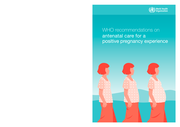
This document is intended for a wide audience including national and local policymakers, implementers and managers of national and local maternal and child health programmes, non-governmental and other organizations and professional societies involved in the planning and management of maternal and c
...
hild health services, health professionals including obstetricians, midwives, nurses, general medical practitioners, academic staff involved in training health professionals, managers of maternal and child health programmes and public health policymakers in all settings.
more
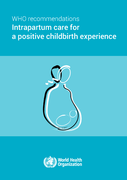
The recommendations in this guideline are intended to inform the development of relevant national- and local-level health policies and clinical protocols. Therefore, the target audience includes national and local public health policy-makers, implementers and managers of maternal and child health pr
...
ogrammes, health care facility managers, nongovernmental organizations (NGOs), professional societies involved in the planning and management of maternal and child health services, health care professionals (including nurses, midwives, general medical practitioners and obstetricians) and academic staff involved in training health care professionals.
more
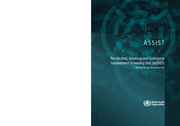
Manual for use in primary care.
There is substantial evidence for the benefits of screening and brief intervention in primary health care for alcohol problems. However, there is a need for screening and brief interventions with cross-cultural relevance for substances other than alcohol or tobacco,
...
such as cannabis, amphetamines, cocaine and opiates.
The Alcohol, Smoking and Substance Involvement Screening Test (ASSIST) was developed for the World Health Organization (WHO) by an international group of substance abuse researchers to detect and manage substance use and related problems in primary and general medical care settings. Primary health care professionals are well-positioned to provide interventions targeted to all substances irrespective of their legal status.
The ASSIST screening test version 3.0 is available in English and in 10 other languages (Arabic, Chinese, Farsi, French, German, Hindi, Portugüse, Russian, Spanish and Ukrainian).
more
interim Guidance 1 December 2020. Updated version
This document provides updated guidance on mask use in health care and community settings, and during home care for COVID-19 cases. It is intended for policy makers, public health and infection prevention and control
...
professionals, health care managers and health workers.
The Annex provides advice on how to manufacture non-medical masks. It is intended for those making non-medical masks at home and for mask manufacturers
more
Following the 2014 Euromaidan Revolution, Ukraine embarked on a national reform program to reduce widespread corruption within government. In the health sector, the government introduced several complementary reforms that aimed to improve the health outcomes of Ukrainian citizens, but designed in su
...
ch a way that they would also reduce corruption. The reforms included reconfiguring primary care financing and essential medicines reimbursement under the newly formed National Health Service of Ukraine; raising the remuneration of health professionals; introducing a transparent, merit-based, process for medical university admissions; and initiating development of an eHealth digital records system.
more
Snakebite envenoming is a serious public health problem in Central America, where approximately 5,500 cases occur every year. Panama has the highest incidence and El Salvador the lowest. The majority, and most severe, cases are inflicted by the pit viper Bothrops asper (family Viperidae), locally kn
...
own as ‘terciopelo’, ‘barba amarilla’ or ‘equis’. About 1% of the bites are caused by coral snakes of the genus Micrurus (family Elapidae). Despite significant and successful efforts in Central America regarding snakebite envenomings in the areas of research, antivenom manufacture and quality control, training of health professionals in the diagnosis and clinical management of bites, and prevention of snakebites, much remains to be done in order to further reduce the impact of this medical condition. This essay presents seven challenges for improving the confrontation of snakebite envenoming in Central America. Overcoming these challenges demands a coordinated partnership of highly diverse stakeholders though inter-sectorial and inter-programmatic interventions.
more

The document provides detailed clinical guidelines for the therapy of Type 1 Diabetes as developed by the German Diabetes Association (DDG). It focuses on individualized insulin therapy, structured patient training, and monitoring of blood glucose levels. The guidelines emphasize preventing complica
...
tions like ketoacidosis and hypoglycemia while improving patients' quality of life through education and tailored medical care. Recommendations include the use of both basal and bolus insulin, continuous glucose monitoring, and integrating psychosocial support into treatment plans. The document serves as a comprehensive resource for healthcare professionals managing Type 1 Diabetes.
more

Capacity-building for a strong public health nutrition workforce in low- resource countries
Delisle, H.; Shrimpton, R.; Blaney, S. et al.
Bulletin of the World Health Organization
(2017)
C_WHO
The document addresses the pressing issues of global malnutrition and the urgent need to build workforce capacity in public health nutrition, particularly in low- and middle-income countries. It highlights the dual burden of malnutrition, characterized by the coexistence of undernutrition and overnu
...
trition. While maternal and child undernutrition remain critical concerns, there is a growing prevalence of chronic diseases linked to overnutrition, even in resource-limited settings.
A significant gap exists in the availability of trained nutrition professionals. Many countries lack sufficient numbers of nutritionists, particularly at the undergraduate level, and existing training programs often focus on curative rather than preventive approaches. This leaves health workers inadequately prepared to address complex public health nutrition challenges.
To address these issues, the document recommends increasing the number of trained nutritionists, incorporating updated nutrition training into medical and nursing curricula, and developing competency frameworks and hybrid training programs. Accreditation systems for nutrition professionals are also proposed to ensure standardized and effective training.
Sustainability remains a challenge, with the need for long-term financing and better integration of nutrition programs into health systems. The document calls for systemic approaches to strengthen workforce capacity, enabling countries to effectively tackle the underlying causes of malnutrition.
more
Congenital transmission of Chagas disease has not been extensively studied in Colombia, and there are no standardized processes in the health system regarding
the specific diagnosis, treatment and follow-up of this disease. To generate recommendations on congenital Chagas disease and Chagas in wom
...
en of childbearing
age in Colombia, a consensus of experts was developed. An extensive literature search through the Medline database was carried out using the MeSH terms:
«Chagas disease/congenital», «prevention and control», «diagnosis», «therapeutics» and «pregnancy». Appropriate abstracts were selected and the full texts were
analyzed. The relevant information was synthesized, classified, and organized into tables and figures and was presented to a panel of experts, which was composed
of 30 professionals from various fields. Based on the Delphi methodology, three rounds of consultation were conducted. The first and second rounds were based
on electronic questionnaires that measured the level of consensus of each question among the participants. The third round was based on a face-to-face discussion focusing on those questions without consensus in the previous consultations. The evidence was adapted to national circumstances on a case-by-case basis,
and the content the final document was approved. These recommendations are proposed for use in routine medical practice by health professionals in Colombia.
more
