
Filter
4141
Text search:
global
health
security
Featured
353
1109
Language
3967
137
111
69
62
45
31
26
6
5
5
4
3
3
3
3
3
3
3
2
2
2
2
2
2
2
1
1
1
1
1
1
1
1
1
1
1
1
1
1
1
1
1
1
1
1
1
1
1
1
1
1
1
1
1
Document type
1898
971
506
266
257
96
70
52
11
5
3
3
1
1
Countries
274
122
113
102
101
100
86
81
80
77
72
63
62
60
59
56
54
53
50
48
45
44
42
39
36
33
33
32
31
30
30
29
28
26
25
25
24
23
23
22
22
21
19
19
18
18
18
17
17
16
15
15
15
15
14
14
13
13
12
11
11
10
10
10
9
9
7
7
7
7
6
6
6
5
5
5
5
5
5
5
5
4
4
4
4
4
3
3
3
3
3
3
3
3
3
3
3
2
2
2
2
2
2
2
2
2
2
2
2
2
2
2
2
2
2
2
2
2
1
1
1
1
1
1
1
1
1
1
1
1
1
1
1
1
1
1
1
1
1
1
1
1
1
1
1
Authors & Publishers
555
133
118
104
93
89
52
49
49
45
29
23
23
23
22
22
21
21
21
21
21
20
20
20
19
18
18
17
17
17
15
15
15
14
14
13
13
13
13
13
12
12
12
12
11
11
11
11
11
11
10
10
10
10
10
10
10
10
9
9
9
9
9
9
9
9
9
8
8
8
8
8
8
8
7
7
7
7
7
7
7
6
6
6
6
6
6
6
6
6
6
6
6
6
6
6
6
6
6
6
6
5
5
5
5
5
5
5
5
5
5
5
5
5
5
5
5
5
5
5
5
5
5
5
5
5
5
5
4
4
4
4
4
4
4
4
4
4
4
4
4
4
4
4
4
4
4
4
4
4
4
4
4
4
4
4
4
4
4
4
4
4
4
4
4
4
4
4
4
4
4
4
3
3
3
3
3
3
3
3
3
3
3
3
3
3
3
3
3
3
3
3
3
3
3
3
3
3
3
3
3
3
3
3
3
3
3
3
3
3
3
3
3
3
3
3
3
3
3
3
3
3
3
3
3
3
3
3
3
3
3
3
3
3
3
3
3
3
3
3
3
3
3
3
3
3
3
3
3
3
3
3
3
3
3
3
3
3
3
3
3
3
3
3
3
3
3
3
3
3
3
3
3
3
2
2
2
2
2
2
2
2
2
2
2
2
2
2
2
2
2
2
2
2
2
2
2
2
2
2
2
2
2
2
2
2
2
2
2
2
2
2
2
2
2
2
2
2
2
2
2
2
2
2
2
2
2
2
2
2
2
2
2
2
2
2
2
2
2
2
2
2
2
2
2
2
2
2
2
2
2
2
2
2
2
2
2
2
2
2
2
2
2
2
2
2
2
2
2
2
2
2
2
2
2
2
2
2
2
2
2
2
2
2
2
2
2
2
2
2
2
2
2
2
2
2
2
2
2
2
2
2
2
2
2
2
2
2
2
2
2
2
2
2
2
2
2
2
2
2
2
2
2
2
2
2
2
2
2
2
2
2
2
2
2
2
2
2
2
2
2
2
2
2
2
2
2
2
2
2
2
2
2
2
2
2
2
2
2
2
2
2
2
2
2
2
2
2
2
2
2
2
2
2
2
2
2
2
2
2
2
2
2
2
2
2
1
1
1
1
1
1
1
1
1
1
1
1
1
1
1
1
1
1
1
1
1
1
1
1
1
1
1
1
1
1
1
1
1
1
1
1
1
1
1
1
1
1
1
1
1
1
1
1
1
1
1
1
1
1
1
1
1
1
1
1
1
1
1
1
1
1
1
1
1
1
1
1
1
1
1
1
1
1
1
1
1
1
1
1
1
1
1
1
1
1
1
1
1
1
1
1
1
1
1
1
1
1
1
1
1
1
1
1
1
1
1
1
1
1
1
1
1
1
1
1
1
1
1
1
1
1
1
1
1
1
1
1
1
1
1
1
1
1
1
1
1
1
1
1
1
1
1
1
1
1
1
1
1
1
1
1
1
1
1
1
1
1
1
1
1
1
1
1
1
1
1
1
1
1
1
1
1
1
1
1
1
1
1
1
1
1
1
1
1
1
1
1
1
1
1
1
1
1
1
1
1
1
1
1
1
1
1
1
1
1
1
1
1
1
1
1
1
1
1
1
1
1
1
1
1
1
1
1
1
1
1
1
1
1
1
1
1
1
1
1
1
1
1
1
1
1
1
1
1
1
1
1
1
1
1
1
1
1
1
1
1
1
1
1
1
1
1
1
1
1
1
1
1
1
1
1
1
1
1
1
1
1
1
1
1
1
1
1
1
1
1
1
1
1
1
1
1
1
1
1
1
1
1
1
1
1
1
1
1
1
1
1
1
1
1
1
1
1
1
1
1
1
1
1
1
1
1
1
1
1
1
1
1
1
1
1
1
1
1
1
1
1
1
1
1
1
1
1
1
1
1
1
1
1
1
1
1
1
1
1
1
1
1
1
1
1
1
1
1
1
1
1
1
1
1
1
1
1
1
1
1
1
1
1
1
1
1
1
1
1
1
1
1
1
1
1
1
1
1
1
1
1
1
1
1
1
1
1
1
1
1
1
1
1
1
1
1
1
1
1
1
1
1
1
1
1
1
1
1
1
1
1
1
1
1
1
1
1
1
1
1
1
1
1
1
1
1
1
1
1
1
1
1
1
1
1
1
1
1
1
1
1
1
1
1
1
1
1
1
1
1
1
1
1
1
1
1
1
1
1
1
1
1
1
1
1
1
1
1
1
1
1
1
1
1
1
1
1
1
1
1
1
1
1
1
1
1
1
1
1
1
1
1
1
1
1
1
1
1
1
1
1
1
1
1
1
1
1
1
1
1
1
1
1
1
1
1
1
1
1
1
1
1
1
1
1
1
1
1
1
1
1
1
1
1
1
1
1
1
1
1
1
1
1
1
1
1
1
1
1
1
1
1
1
1
1
1
1
1
1
1
1
1
1
1
1
1
1
1
1
1
1
1
1
1
1
1
1
1
1
1
1
1
1
1
1
1
1
1
1
1
1
1
1
1
1
1
1
1
1
1
1
1
1
1
1
1
1
1
1
1
1
1
1
1
1
1
1
1
1
1
1
1
1
1
1
1
1
1
1
1
1
1
1
1
1
1
1
1
1
1
1
1
1
1
1
1
1
1
1
1
1
1
1
1
1
1
1
1
1
1
1
1
1
1
1
1
1
1
1
1
1
1
1
1
1
1
1
1
1
1
1
1
1
1
1
1
1
1
1
1
1
1
1
1
1
1
1
1
1
1
1
1
1
1
1
1
1
1
1
1
1
1
1
1
1
1
1
1
1
1
1
1
1
1
1
1
1
1
1
1
1
1
1
1
1
1
1
1
1
1
1
1
1
1
1
1
1
1
1
1
1
1
1
1
1
1
1
1
1
1
1
1
1
1
1
1
1
1
1
1
1
1
1
1
1
1
1
1
1
1
1
1
1
1
1
1
1
1
1
1
1
1
1
1
1
1
1
1
1
1
1
1
1
1
1
1
1
1
1
1
1
1
1
1
1
1
1
1
1
1
1
1
1
1
1
1
1
1
1
1
1
1
1
1
1
1
1
1
1
1
1
1
1
1
1
1
1
1
1
1
1
1
1
1
1
1
1
1
1
1
1
1
1
1
1
1
1
1
1
1
1
1
1
1
1
1
1
1
1
1
1
1
1
1
1
1
1
1
1
1
1
1
1
1
1
1
1
1
1
1
1
1
1
1
1
1
1
1
1
1
1
1
1
1
1
1
1
1
1
1
1
1
1
1
1
1
1
1
1
1
1
1
1
1
1
1
1
1
1
1
1
1
1
1
1
1
1
1
1
1
1
1
1
1
1
1
1
1
1
1
1
1
1
1
1
1
1
1
1
1
1
1
1
1
1
1
1
1
1
1
1
1
1
1
1
1
1
1
1
1
1
1
1
1
1
1
1
1
1
1
1
1
1
1
1
1
1
1
1
1
1
1
1
1
1
1
1
1
1
1
1
1
1
1
1
1
1
1
1
1
1
1
1
1
1
1
1
1
1
1
1
1
1
1
1
1
1
1
1
1
1
1
1
1
1
1
1
1
1
1
1
1
1
1
1
1
1
1
1
1
1
1
1
1
1
1
1
1
1
1
1
1
1
1
1
1
1
1
1
1
1
1
1
1
1
1
1
1
1
1
1
1
1
1
1
1
1
1
1
1
1
1
1
1
1
1
1
1
1
1
1
1
1
1
1
1
1
1
1
1
1
1
1
1
1
1
1
1
1
1
1
1
1
1
1
1
1
1
1
1
1
1
1
1
1
1
1
1
1
1
1
1
1
1
1
1
1
1
1
1
1
1
1
1
1
1
1
1
1
1
1
1
1
1
1
1
1
1
1
1
1
1
1
1
1
1
1
1
1
1
1
1
1
1
1
1
1
1
1
1
1
1
1
1
1
1
1
1
1
1
1
1
1
1
1
1
1
1
1
1
1
1
1
1
1
1
1
1
1
1
1
1
1
1
1
1
1
1
1
1
1
1
1
1
1
1
1
1
1
1
1
1
1
1
1
1
1
1
1
1
1
1
1
1
1
1
1
1
1
1
1
1
1
1
1
1
1
1
1
1
1
1
1
1
1
1
1
1
1
1
1
1
1
1
1
1
1
1
1
1
1
1
1
1
1
1
1
1
1
1
1
1
1
1
1
1
1
1
1
1
1
1
1
1
1
1
1
1
1
1
1
1
1
1
1
1
1
1
1
1
1
1
1
1
1
1
1
1
1
1
1
1
1
1
1
1
1
1
1
1
1
1
1
1
1
1
1
1
1
1
1
1
1
1
1
1
1
1
1
1
1
1
1
1
1
1
1
1
1
1
1
1
1
1
1
1
1
1
1
1
1
1
1
1
1
1
1
1
1
1
1
1
1
1
1
1
1
1
1
1
1
1
1
1
1
1
1
1
1
1
1
1
1
1
1
1
1
1
1
1
1
1
1
1
1
1
1
1
1
1
1
1
1
1
1
1
1
1
1
1
1
1
1
1
1
1
1
1
1
1
1
1
1
1
1
1
1
1
1
1
1
1
1
1
1
1
1
1
1
1
1
1
1
1
1
1
1
1
1
1
1
1
1
1
1
1
1
1
1
1
1
1
1
1
1
1
1
1
1
1
1
1
1
1
1
1
1
1
1
1
1
1
1
1
1
1
1
1
1
1
1
1
1
1
1
1
1
1
1
1
1
1
1
1
1
1
1
1
1
1
1
1
1
1
1
1
1
1
1
1
1
1
1
1
1
1
1
1
1
1
1
1
1
1
1
1
1
1
1
1
1
1
1
1
1
1
1
1
1
1
1
1
1
1
1
1
1
1
1
1
1
1
1
1
1
1
1
1
1
1
1
1
1
1
1
1
1
1
1
1
1
1
1
1
1
1
1
1
1
1
1
1
1
1
1
1
1
1
1
1
1
1
1
1
1
1
1
1
1
1
1
1
1
1
1
1
1
1
1
1
1
1
1
1
1
1
1
1
1
1
1
1
1
1
1
1
1
1
1
1
1
1
1
1
1
1
1
1
1
1
1
1
1
1
1
1
1
1
1
1
1
1
1
1
1
1
1
1
1
1
1
1
1
1
1
1
1
1
1
1
1
1
1
1
1
1
1
1
1
1
1
1
1
1
1
1
1
1
1
1
1
1
1
1
1
1
1
1
1
1
1
1
1
1
1
1
1
1
1
1
1
1
1
1
1
1
1
1
1
1
1
1
1
1
1
1
1
1
1
1
1
1
1
1
1
1
1
1
1
1
1
1
1
1
1
1
1
1
1
1
1
1
1
1
1
1
1
1
1
1
1
1
1
1
1
1
1
1
1
1
1
1
1
1
1
1
1
1
1
1
1
1
1
1
1
1
1
1
1
1
1
1
1
1
1
1
1
1
1
1
1
1
1
1
1
1
1
1
1
1
1
1
1
1
1
1
1
1
1
1
1
1
1
1
1
1
1
1
1
1
1
1
1
1
1
1
1
1
1
1
1
1
1
1
1
1
1
1
1
1
1
1
1
1
1
1
1
1
1
1
1
1
1
1
1
1
1
1
1
1
1
1
1
1
1
1
1
1
1
1
1
1
1
1
1
1
1
1
1
1
1
1
1
1
1
1
1
1
1
1
1
1
1
1
1
1
1
1
1
1
1
1
1
1
1
1
1
1
1
1
1
1
1
1
1
1
1
1
1
1
1
1
1
1
1
1
1
1
1
1
1
1
1
1
1
1
1
1
1
1
1
1
1
1
1
1
1
1
1
1
1
1
1
1
1
1
1
1
1
1
1
1
1
1
1
1
1
1
1
1
1
1
1
1
1
1
1
1
1
1
1
1
1
1
1
1
1
1
1
1
1
1
1
1
1
1
1
1
1
1
1
1
1
1
1
1
1
1
1
1
1
1
1
1
1
1
1
1
1
1
1
1
1
1
1
1
1
1
1
1
1
1
1
1
1
1
1
1
1
1
1
1
1
1
1
1
1
1
1
1
1
1
1
1
1
1
1
1
1
1
1
1
1
1
1
1
1
1
1
1
1
1
1
1
1
1
1
1
1
1
1
1
1
1
1
1
1
1
1
1
1
1
1
1
1
1
1
1
1
1
1
1
1
1
1
1
1
1
1
1
1
1
1
1
1
1
1
1
1
1
1
1
1
1
1
1
1
1
1
1
1
1
1
1
1
1
1
1
1
1
1
1
1
1
1
1
1
1
1
1
1
1
1
1
1
1
1
1
1
1
1
1
1
1
1
1
1
1
1
1
1
1
1
1
1
1
1
1
1
1
1
1
1
1
1
1
1
1
1
1
1
1
1
1
1
1
1
1
1
1
1
1
1
1
1
1
1
1
1
1
1
1
1
1
1
1
1
1
1
1
1
1
1
1
1
1
1
1
1
1
1
1
1
1
1
1
1
1
1
1
1
1
1
1
1
1
1
1
1
1
1
1
1
1
1
1
1
1
1
1
1
1
1
1
1
1
1
1
1
1
1
1
1
1
1
1
1
1
1
1
1
1
1
1
1
1
1
1
1
1
1
1
1
1
1
1
1
1
1
1
1
1
1
1
1
1
1
1
1
1
1
1
1
1
1
1
1
1
1
1
1
1
1
1
1
1
1
1
1
1
1
1
1
1
1
1
1
1
1
1
1
1
1
1
1
1
1
1
1
1
1
1
1
1
1
1
1
1
1
1
1
1
1
1
1
1
1
1
1
1
1
1
1
1
1
1
1
1
1
1
1
1
1
1
1
1
1
1
1
1
1
1
1
1
1
1
1
1
1
1
1
1
1
1
1
1
1
1
1
1
1
1
1
1
1
1
1
1
1
1
1
1
1
1
1
1
1
1
1
1
1
1
1
1
1
1
1
1
1
1
1
1
1
1
1
1
1
1
1
1
1
1
1
1
1
1
1
1
1
1
1
1
1
1
1
1
1
1
1
1
1
1
1
1
1
1
1
1
1
1
1
1
1
1
1
1
1
1
1
1
1
1
1
1
1
1
1
1
1
1
1
1
1
1
1
1
1
1
1
1
1
1
1
1
1
1
1
1
1
1
1
1
1
1
1
1
1
1
1
1
1
1
1
1
1
1
1
1
1
1
1
1
1
1
1
1
1
1
1
1
1
1
1
1
1
1
1
1
1
Publication Years
1
1574
2306
251
8
1
Category
1470
428
210
196
139
65
20
Toolboxes
427
323
248
237
158
143
143
142
142
139
120
115
104
93
85
76
62
43
41
36
32
31
20
20
18
3
1
Drivers, Dynamics and Epidemiology of Antimicrobial Resistance in Animal Production
B.A. Wall, A. Mateus, L. Marshall et al.
Food and Agriculture Organization of the United Nations FAO
(2016)
C2
Antimicrobial resistance (AMR) both in human and veterinary medicine has reached alarming levels in
most parts of the world and has now been recognized as a significant emerging threat to global public
h
...
ealth and food security. In June 2015, the Food and Agriculture Organization of the United Nations
(FAO) passed a resolution on AMR at its governing
Conference. This followed the adoption of counterpart
resolutions on AMR by The World Organisation
for Animal Health (OIE) and the World Health Organization
(WHO) in May 20152, and marked the
beginning of a joint effort by the three organizations
to combat AMR globally.
more
COVID-19 pandemic has taken the entire world by surprise, creating the greatest global catastrophe since WWII, impacting all spheres of our societies, including health, economy, social protection, a
...
s well as security, and human rights. The virus affects people and communities indiscriminately in all parts of the world, with particularly strong impact on poorer communities, especially those already suffering from the humanitarian consequences caused by conflicts, social-economic problems or disasters.
more
Has the world worked together to tackle the coronavirus? July 2021. This research paper assesses how the global community has responded to calls for greater solidarity in tackling the COVID-19 pandemic, and presents the insights of key stakeholders
...
and experts in global health governance, health security, and pandemic preparedness and response. The authors examine the state of solidarity at global, regional and national levels, and present case studies on COVAX and on the EU’s turbulent journey through solidarity.
more
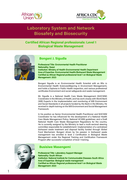
The Africa Centres for Disease Control and Prevention (Africa CDC) Biosafety and Biosecurity Initiative was launched by the Africa CDC in April 2019 with the aim of strengthening the African Union (AU) Member States’ biosafety and biosecurity systems and enabling them to comply with national and i
...
nternational requirements for biosafety and biosecurity including the International Health Regulations (IHR) (2005), the Biological Weapons Convention (BWC), and United Nations Security Council Resolution (UNSCR) 1540 and the multi-country Global Health Security Agenda (GHSA). The World Health Organization (WHO) Joint External Evaluation (JEE) and the Global Health Security Index report confirmed the known capacity gaps in biosafety and biosecurity among Africa Union Member (AU).
The regional consultations by Africa CDC conducted between 2019-2021 highlighted the deficiency or limited availability of standardized and regionally recognized training programs in the continent, limiting biosafety and biosecurity capacity building efforts in the region. In response, Africa CDC working with AU Member States developed a home grown, implementable and accessible professional training and certification program that is both recognized and endorsed by AU Member States. The Regional Training and Certification Program for Biosafety and Biosecurity Professionals, for African Biosafety and Biosecurity Professionals (RTCP-BBP) has four (4) areas of specialization, namely
Selection, Installation, Maintenance and Certification of Biological Safety Cabinets
Biorisk Management
Design and Maintenance of Facilities Handling High Risk Pathogens (Biocontainment Engineering)
Biological Waste management
more
The Africa Centres for Disease Control and Prevention (Africa CDC) Biosafety and Biosecurity Initiative was launched by the Africa CDC in April 2019 with the aim of strengthening the African Union (AU) Member States’ biosafety and biosecurity systems and enabling them to comply with national and i
...
nternational requirements for biosafety and biosecurity including the International Health Regulations (IHR) (2005), the Biological Weapons Convention (BWC), and United Nations Security Council Resolution (UNSCR) 1540 and the multi-country Global Health Security Agenda (GHSA). The World Health Organization (WHO) Joint External Evaluation (JEE) and the Global Health Security Index report confirmed the known capacity gaps in biosafety and biosecurity among Africa Union Member (AU).
The regional consultations by Africa CDC conducted between 2019-2021 highlighted the deficiency or limited availability of standardized and regionally recognized training programs in the continent, limiting biosafety and biosecurity capacity building efforts in the region. In response, Africa CDC working with AU Member States developed a home grown, implementable and accessible professional training and certification program that is both recognized and endorsed by AU Member States. The Regional Training and Certification Program for Biosafety and Biosecurity Professionals, for African Biosafety and Biosecurity Professionals (RTCP-BBP) has four (4) areas of specialization, namely
- Selection, Installation, Maintenance and Certification of Biological Safety Cabinets
- Biorisk Management
- Design and Maintenance of Facilities Handling High Risk Pathogens (Biocontainment Engineering)
- Biological Waste management
more
Ocean plastic pollution has reached crisis level: every minute, more than an entire garbage truck of plastic makes its way into the world’s oceans—roughly 11 million metric tons annually. While plastic waste presents an immediate threat to marine wildlife and ecosystems, this
...
global challenge also has implications for major industries such as fishing and tourism, impacting the livelihoods of millions of people. The drivers and impacts of ocean plastic pollution also contribute to global challenges in food security, human health, and climate change.
more
The brief on key findings from the 2025 edition of the WHO anaemia estimates provides a snapshot of the current status of anaemia among women aged 15–49 years at the country, regional, and global levels, along with progress toward achieving the
...
global anaemia target by 2030, in alignment with the Sustainable Development Goals.
more
This fourth annual report monitors global progress towards the 2023 target for global elimination of industrially produced trans-fatty acids (TFA), highlighting achievements during the past year (Oc
...
tober 2021 – September 2022). Countries are responding to the World Health Organization (WHO) call to action by putting into place best-practice TFA policies. Mandatory TFA policies are currently in effect for 3.4 billion people in 60 countries (43% of the world population); of these, 43 countries have best-practice policies in effect, covering 2.8 billion people (36% of the world population).
Over the past year, several additional countries took action to eliminate industrially produced TFA: best-practice policies came into effect in India in January 2022, Uruguay in May 2022 and Oman in July 2022. Best-practice policies were passed in Bangladesh in November 2021 (to come into effect in December 2022) and in Ukraine in September 2020 (to come into effect in October 2023), best-practice TFA policies are projected to pass soon in Mexico, Nigeria and Sri Lanka.
more
Multiple pandemics, numerous outbreaks, thousands of lives lost and billions of dollars of national income wiped out—all since the turn of this century, in barely 17 years—and yet the world’s investments in pandemic preparedness and response remain woefully inadequate. We know by now that the
...
world will see another pandemic in the not-too-distant future; that random mutations occur often enough in microbes that help them survive and adapt; that new pathogens will inevitably find a way to break through our defenses; and that there is the increased potential for intentional or accidental release of a synthesized agent. Every expert commentary and every analysis in recent years tells us that the costs of inaction are immense. And yet, as
the havoc caused by the last outbreak turns into a fading memory, we become complacent and relegate the case for investing in preparedness on a back burner, only to bring it to the forefront when the next outbreak occurs. The result is that the world remains scarily vulnerable.
more

In Control: A Practical Handbook for Professionals Working in Health Emergencies Internationally RKI
The greatest risk to persons engaging in international medical emergency response is poor preparation.
The In Control handbook hopes to provide a remedy.
At the time of writing, we are living through the Coronavirus (COVID-19) pandemic, a health
...
emergency that disregards physical borders, brings into focus social inequalities and affects people on every continent. This shared challenge requires unprecedented measures and the collaboration of the brightest minds to support global health protection through this crisis and beyond. Healthcare infrastructures have to be strengthened, public health capacities and processes upgraded, medical countermeasures and vaccinations found and psychosocial side-effects treated.
Solidarity is the normative order of the day and the human species has to collaborate to face this invisible threat. Hiding and living in fear is not an option in this interconnected world. We have both a responsibility and an opportunity to make substantial contributions to a safer, healthier and more sustainable future for us all.
The existence of this handbook is an impressive example of solidarity. Over 50 authors from more than 15 institutes and organisations have come together voluntarily within a very short time to make their expertise available and enable cross-sectoral thinking. Knowledge is bundled, resources are combined, information gaps are filled. The In Control handbook is not a theoretical treatise of possible dangers, but a collection of subject-matter expertise, written by experts and practitioners who have shaped health topics over the past 20 years in the most diverse corners of the world.
The Centre for International Health Protection at the Robert Koch Institute (RKI) is collaborating with its partners and investing heavily in the build-up of operational know-how and capacity to support health crisis response abroad. This is done by preparing and enabling professionals to deploy safely across the world to assist those in need. In Control addresses the multi-faceted challenges of an international deployment. Readers will find not only technical medical information, but also insights into, for example, the fragility of our environment, the cultural differences that influence risk communication or the dilemmas arising from social distancing. Legal principles are highlighted, along with ethical guidance to ensure that our actions and decisions correspond to the highest moral standards.
more
Each humanitarian setting provides distinct opportunities and challenges for actors to coordinate and collaborate at strategic and operational levels. The Health and Protection Joint Operational Framework has been developed to ensure that the
...
health and protection response during humanitarian emergencies can adapt to each environment and is adequately coordinated to ensure high-quality services to meet the needs of affected individuals and at-risk groups based on their situation or vulnerabilities.
The Health and Protection JOF was conceived in 2019 as a collaboration between the Global Health Cluster (GHC), the Global Protection Cluster (GPC) and its Areas of Responsibility (AoRs), the Inter-Agency Standing Committee Reference Group on Mental Health and Psychosocial Support in Emergency Settings (IASC MHPSS RG), and the Inter-Agency Working Group for Reproductive Health in Crisis (IAWG), in addition to key technical experts.
A Steering Group (SG) comprised of representatives from each of these entities guided the framework through a joint global analysis of good practices, gaps, and barriers to integrated and inter-sectoral response coordination. This included a mixed methods review of policy and practice, a survey of humanitarian experts, multiple case studies, structured stakeholder interviews, and field visits. This exercise produced a zero-draft which was then reviewed by field practitioners in three operational contexts to clarify and fully coordinate its operationally focused lens. Finally, the JOF was reviewed by the SG including via a series of consultations in early 2023 to consolidate the current framework.
more

Benchmarking is a strategic process often used by businesses and institutes to standardize performance in relation to the best practices of their sector. The World Health Organization (WHO) and partners have developed a tool with a list of benchmark
...
s and corresponding suggested actions that can be applied to implement the International Health Regulations 2005 (IHR) and strengthen health emergency prevention, preparedness, response and resilience capacities.
The first edition of the benchmarks was published in 2019 to support countries in developing, implementing and documenting progress of national IHR or health security plans (e.g. national action plan for health security (NAPHS), national action plan for emerging infectious diseases, public health emergencies and health security and other country level plans for health emergencies). The tool has been updated to incorporate lessons from COVID-19 and other health emergencies, to align with the updated IHR monitoring & evaluation framework (IHR MEF) tools and the health systems for health security framework, and to support strengthening health emergency prevention, preparedness, response and resilience (HEPR) capacities and the Preparedness and Resilience for Emerging Threats (PRET) initiative.
more
Tracking aid for the WHA nutrition targets: Global spending in 2015 and a roadmap to better data
Alimonte, Mary D'; Thacher, Emily; LeMier, Ryan; Clift, Jack
Results for Development (R4D)
(2018)
C1
In 2017, the World Bank and partners created the Global Investment Framework for Nutrition as a roadmap towards achieving the World Health Assembly (WHA) nutrition targets by 2025. The framework est
...
imates that the world needs to mobilize an annual additional investment of $7 billion per year to scale-up nutrition-specific interventions at the level needed to achieve the global targets. However, the world is off-track to meet the global targets. And it is unclear whether additional resources will be mobilized for life-saving and cost-effective nutrition-specific interventions, or whether donor support will be enough to meet the annual resource need established by the framework.
more
The World Health Organization Regional Office for Africa (WHO AFRO), in accordance with recommendations from various WHO committees, has developed three flagship programmes to support Member States in the African region to prepare for, detect and re
...
spond to public health emergencies. They are the result of extensive consultations with more than 30 African government ministers, technical actors, partners across the continent as well as regional institutions such as the Africa Centres for Disease Control and Prevention (Africa CDC), whose contributions have shaped the priority activities. This report provides the second quarterly summary of progress in implementing the flagship programmes.
more
In October 2022, President Biden signed the Global Malnutrition Prevention and Treatment Act (GMPTA) into law, which directs USAID to prevent and treat malnutrition globally. The GMPTA further codifies USAID’s leadership on nutrition, with a focus
...
on evidence-based interventions across health systems and food systems, in both development and humanitarian settings.
Realizing the potential of good nutrition to save lives and ensure a brighter future for generations to come is central to U.S. Government priorities. For over 60 years, USAID has been a leader in the fight to end global malnutrition. Nutrition affects every aspect of human development: from the ability to fight disease, to children’s performance in school, to a nation’s health and economic advancement. There is overwhelming evidence of the power of good nutrition but, due to challenges in accessing safe, nutritious foods and health and sanitation services, many people in low- and middle-income countries remain undernourished.
more
The EU in Global Health
European Commission
(2014)
C2
EU and Global Governance for Health - How EU global policies impact health
Global Health Governance beschreibt die Handlungen staatlicher und nicht-staatlicher Akteure im globalen Mehrebenensystem. Inhaltlich konzentriert sich GHG auf die Bekämpfung armutsbedingter (Infe
...
ktions-)Krankheiten. Die internationale Gesundheitspolitik wird stark von der Weltbank und der Weltgesundheitsorganisation beeinflusst.
more
The power relations around global decisions which shape population health can be changed through new alliances and information flows. The Democratising Gl
...
obal Health Governance Initiative, of which WHO Watch is a project, is designed to contribute to improved population health (and health equity) through new alliances and information flows.
more
