
Filter
2046
Text search:
antibiotics
Featured
256
522
Language
Document type
883
388
331
125
95
67
60
22
21
18
13
12
10
1
Countries
145
60
54
54
50
48
46
35
34
34
29
26
25
23
21
21
21
20
20
20
18
17
14
13
12
10
8
8
7
7
7
7
7
7
6
6
6
6
6
6
5
5
5
5
5
5
5
4
4
4
4
4
4
4
4
4
3
3
3
3
3
3
2
2
2
2
2
2
2
2
2
2
2
1
1
1
1
1
1
1
1
1
1
1
1
1
1
1
1
1
1
1
1
1
1
1
1
1
1
1
1
1
1
1
1
1
1
1
1
1
1
1
1
1
1
Authors & Publishers
Publication Years
Category
732
261
170
85
81
47
25
1
Toolboxes
424
104
97
90
86
82
51
50
44
37
37
32
28
28
25
25
18
15
15
13
12
12
4
2
1
Antibiotics are among the most frequently prescribed classes of drugs and it is estimated that approximately 50% of antibiotic use, in both the outpatient and inpatient settings, is inappropriate. At the same time, in contrast to any other class of
...
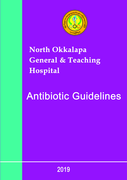
This is the first edition of Empiric Antibiotic Guidelines, as a guidance to all medical practitioners at North Okklapa General & Teaching Hospital.
Antibiotics are critical in the management of infection and can have a significant impact in redu
...
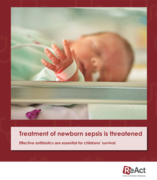
Effective antibiotics are essential for childrens’ survival
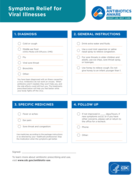
Be Antibiotics Aware - Smart Use, Best Care

Overuse and misuse of antibiotics in animals and humans is contributing to the rising threat of antibiotic resistance. Some types of bacteria that cause serious infections in humans have already developed resistance to most or al
...
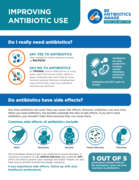
Do I really need antibiotics? - Fact Sheet for Patients

The era of effective antibiotics is coming to a close. In just a few generations, many “miracle medicines”have been beaten into ineffectiveness by the bacteria they were intended to eradicate. Bacteria quickly adapt to t
...
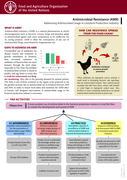
Uncontrolled use of antibiotics for disease control and treatment or growth stimulation in livestock, have increased resistance to antibiotics of bacteria that can reach humans through the food chai
...
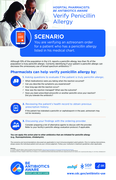
Although 10% of the population in the U.S. reports a penicillin allergy, less than 1% of the population is truly penicillin allergic. Correctly identifying if your patient is penicillin allergic can decrease the unnecessary use of broad spectrum antibiotic
...
Such as antibiotics, antivirals, antiparasitics, and antifungals are important for infectious disease control in humans, animals and plants,
but they can only continue to be effective if we use them responsibly and according to professional advice.
...
Use of antibiotics in patients with a diagnosis of SARS-COV2 (Update May 2021)
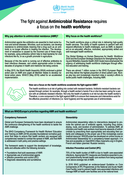
Antimicrobial agents like antibiotics are essential to treat some human and animal diseases. Microbes, such as bacteria, can develop resistance to antimicrobials meaning that a drug such as an antibiotic is no longer effective in treating the infect
...
A review of prospects for existing antibiotics ad new therapeutics

Veterinarians are leaders and stewards in preserving the effectiveness of antibiotics for animals and people. Working with animal owners and producers, veterinarians can slow antibiotic resistance by implementing disease prevention strategies and im
...
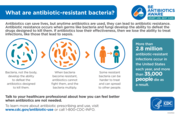
Antibiotic resistance occurs when bacteria no longer respond to the drugs designed to kill them. Anytime antibiotics are used, they can cause antibiotic resistance.
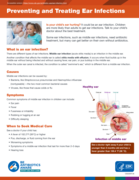
Is your child’s ear hurting? It could be an ear infection. Children are more likely than adults to get ear infections. Talk to your child’s doctor about the best treatment. Some ear infections, such as middle ear infections, need antibiotic treatment, but many can get better on their own without
...
The toolkit offers advice on how national public health authorities could engage with primary care prescribers so as to promote appropriate and responsible use of antibiotics. The toolkit contains template materials and some suggest
...
While infections that develop during hospitalization may appear to be an uncommon but recognized risk of hospital care today, the incidence of these infections has been increasing dramatically during the last 2 to 3 decades, and the risk of acquiring an organism that is resistant to 1 or more
...
A short movie about the history and the current status of antibiotics from the four week online course: Antibiotic Resistance: the silent tsunami, produced by ReAct and Uppsala University, Sweden.

Antimicrobials are medicines, including antibiotics, antivirals, antifungals, and antiparasitics, that are used to prevent and treat infections in humans, animals, and plants. Antimicrobial Resistance (AMR) arises when bacteria, viruses, fungi, and
...
