Filter
1575
Text search:
Fact
Sheet
Featured
123
463
Language
Document type
859
190
166
147
87
46
30
15
14
10
6
1
1
Countries
77
67
46
40
37
34
34
26
25
24
24
21
21
20
19
19
18
18
18
15
15
15
15
12
11
11
10
9
9
9
8
8
7
7
7
7
7
7
6
6
6
6
5
5
5
4
4
4
4
4
3
3
3
3
3
3
3
2
2
2
2
2
2
2
2
2
2
2
2
2
2
2
2
1
1
1
1
1
1
1
1
1
1
1
1
1
1
1
1
1
1
1
1
1
1
1
1
1
Authors & Publishers
Publication Years
Category
549
108
106
100
78
50
9
Toolboxes
108
80
71
67
66
63
61
56
43
42
42
41
41
37
31
27
26
24
22
19
18
15
14
9
5
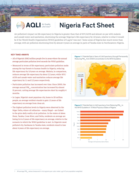
Air pollution’s impact on life expectancy in Nigeria is greater than that of HIV/AIDS and almost on par with malaria and unsafe water and sanitation, shortening the average Nigerian’s life expectancy by 1.8 years, relative to what it would be if the World Health Organization (WHO) guideline of 5
...
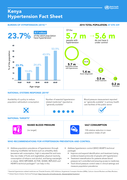
In 2015, 23.7% of Kenyan adults aged 18–69 — around 5.7 million people — had hypertension. However, only 0.2 million of these individuals had their condition under control. Awareness and treatment rates remain low.
Updated: 20 July 2019
Fact sheet also available in Arabic, French, Spanish, Portuguese, Chinese and Russian. For other language versions go to: http://www.who.int/mediacentre/factsheets/zika/en/
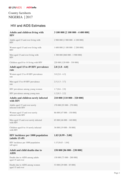
Accessed online August 2018
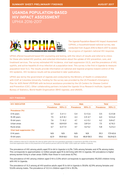
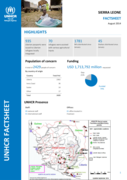

Accessed August, 2018
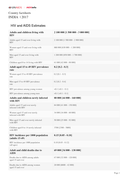
Accessed August 2018
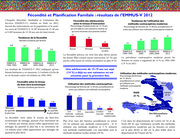
Enquête Mortalité, Morbidité et Utilisation des Services (EMMUS-V) Haïti 2012 - Fécondité et Planification Familale