
Filter
5296
Text search:
human
resource
management
Featured
565
1535
Language
5149
108
91
79
63
36
30
7
7
6
6
4
4
4
3
3
2
2
2
2
2
2
2
2
2
2
2
2
1
1
1
1
1
1
1
1
1
1
1
1
1
1
1
Document type
2826
875
759
350
289
82
64
31
12
3
3
1
1
Countries
263
233
170
126
120
116
114
107
105
104
102
90
89
85
82
79
72
72
62
60
54
49
47
40
38
37
33
32
30
30
29
29
27
27
26
25
24
22
22
21
18
15
15
14
14
13
13
13
12
12
11
11
11
10
10
10
10
9
9
9
8
8
8
8
7
7
7
6
6
6
6
6
6
5
5
5
5
4
4
4
4
3
3
3
3
3
3
3
3
3
3
3
3
3
2
2
2
2
2
2
2
2
2
2
2
2
2
1
1
1
1
1
1
1
1
1
1
1
1
1
1
1
1
1
1
1
1
1
1
1
1
1
1
1
1
1
Authors & Publishers
823
241
152
152
146
82
79
72
61
43
42
35
31
26
26
23
20
20
20
19
19
18
18
18
18
17
17
16
16
16
16
16
16
16
15
15
14
14
14
14
14
13
13
13
13
13
13
12
12
12
11
11
11
11
10
10
10
10
10
10
10
10
9
9
9
9
9
9
9
9
9
9
8
8
8
8
8
8
8
8
8
8
8
7
7
7
7
7
7
7
7
7
7
7
7
7
7
7
7
7
7
7
7
7
7
7
7
7
6
6
6
6
6
6
6
6
6
6
6
6
6
6
6
6
6
6
6
6
5
5
5
5
5
5
5
5
5
5
5
5
5
5
5
5
5
5
5
5
5
5
5
5
5
5
5
5
5
5
5
5
5
5
4
4
4
4
4
4
4
4
4
4
4
4
4
4
4
4
4
4
4
4
4
4
4
4
4
4
4
4
4
4
4
4
4
4
4
4
4
4
4
4
4
4
4
4
4
4
4
4
4
4
4
4
4
4
4
4
4
4
4
4
3
3
3
3
3
3
3
3
3
3
3
3
3
3
3
3
3
3
3
3
3
3
3
3
3
3
3
3
3
3
3
3
3
3
3
3
3
3
3
3
3
3
3
3
3
3
3
3
3
3
3
3
3
3
3
3
3
3
3
3
3
3
3
3
3
3
3
3
3
3
3
3
3
3
3
3
3
3
3
3
3
3
3
3
3
3
3
3
3
2
2
2
2
2
2
2
2
2
2
2
2
2
2
2
2
2
2
2
2
2
2
2
2
2
2
2
2
2
2
2
2
2
2
2
2
2
2
2
2
2
2
2
2
2
2
2
2
2
2
2
2
2
2
2
2
2
2
2
2
2
2
2
2
2
2
2
2
2
2
2
2
2
2
2
2
2
2
2
2
2
2
2
2
2
2
2
2
2
2
2
2
2
2
2
2
2
2
2
2
2
2
2
2
2
2
2
2
2
2
2
2
2
2
2
2
2
2
2
2
2
2
2
2
2
2
2
2
2
2
2
2
2
2
2
2
2
2
2
2
2
2
2
2
2
2
2
2
2
2
2
2
2
2
2
2
2
2
2
2
2
2
2
2
2
2
2
2
2
2
2
2
2
2
2
2
2
2
2
2
2
2
2
2
2
2
2
2
2
2
2
2
2
2
2
2
2
2
2
2
2
2
2
2
2
2
2
2
2
2
2
2
2
2
2
2
2
2
2
2
2
2
2
2
2
2
2
2
2
2
2
2
2
2
2
2
2
2
2
2
2
2
2
2
2
2
2
2
2
2
2
2
2
2
2
2
2
2
2
2
2
2
2
2
2
2
2
2
2
2
2
2
2
2
2
2
2
2
2
2
2
2
2
2
2
2
1
1
1
1
1
1
1
1
1
1
1
1
1
1
1
1
1
1
1
1
1
1
1
1
1
1
1
1
1
1
1
1
1
1
1
1
1
1
1
1
1
1
1
1
1
1
1
1
1
1
1
1
1
1
1
1
1
1
1
1
1
1
1
1
1
1
1
1
1
1
1
1
1
1
1
1
1
1
1
1
1
1
1
1
1
1
1
1
1
1
1
1
1
1
1
1
1
1
1
1
1
1
1
1
1
1
1
1
1
1
1
1
1
1
1
1
1
1
1
1
1
1
1
1
1
1
1
1
1
1
1
1
1
1
1
1
1
1
1
1
1
1
1
1
1
1
1
1
1
1
1
1
1
1
1
1
1
1
1
1
1
1
1
1
1
1
1
1
1
1
1
1
1
1
1
1
1
1
1
1
1
1
1
1
1
1
1
1
1
1
1
1
1
1
1
1
1
1
1
1
1
1
1
1
1
1
1
1
1
1
1
1
1
1
1
1
1
1
1
1
1
1
1
1
1
1
1
1
1
1
1
1
1
1
1
1
1
1
1
1
1
1
1
1
1
1
1
1
1
1
1
1
1
1
1
1
1
1
1
1
1
1
1
1
1
1
1
1
1
1
1
1
1
1
1
1
1
1
1
1
1
1
1
1
1
1
1
1
1
1
1
1
1
1
1
1
1
1
1
1
1
1
1
1
1
1
1
1
1
1
1
1
1
1
1
1
1
1
1
1
1
1
1
1
1
1
1
1
1
1
1
1
1
1
1
1
1
1
1
1
1
1
1
1
1
1
1
1
1
1
1
1
1
1
1
1
1
1
1
1
1
1
1
1
1
1
1
1
1
1
1
1
1
1
1
1
1
1
1
1
1
1
1
1
1
1
1
1
1
1
1
1
1
1
1
1
1
1
1
1
1
1
1
1
1
1
1
1
1
1
1
1
1
1
1
1
1
1
1
1
1
1
1
1
1
1
1
1
1
1
1
1
1
1
1
1
1
1
1
1
1
1
1
1
1
1
1
1
1
1
1
1
1
1
1
1
1
1
1
1
1
1
1
1
1
1
1
1
1
1
1
1
1
1
1
1
1
1
1
1
1
1
1
1
1
1
1
1
1
1
1
1
1
1
1
1
1
1
1
1
1
1
1
1
1
1
1
1
1
1
1
1
1
1
1
1
1
1
1
1
1
1
1
1
1
1
1
1
1
1
1
1
1
1
1
1
1
1
1
1
1
1
1
1
1
1
1
1
1
1
1
1
1
1
1
1
1
1
1
1
1
1
1
1
1
1
1
1
1
1
1
1
1
1
1
1
1
1
1
1
1
1
1
1
1
1
1
1
1
1
1
1
1
1
1
1
1
1
1
1
1
1
1
1
1
1
1
1
1
1
1
1
1
1
1
1
1
1
1
1
1
1
1
1
1
1
1
1
1
1
1
1
1
1
1
1
1
1
1
1
1
1
1
1
1
1
1
1
1
1
1
1
1
1
1
1
1
1
1
1
1
1
1
1
1
1
1
1
1
1
1
1
1
1
1
1
1
1
1
1
1
1
1
1
1
1
1
1
1
1
1
1
1
1
1
1
1
1
1
1
1
1
1
1
1
1
1
1
1
1
1
1
1
1
1
1
1
1
1
1
1
1
1
1
1
1
1
1
1
1
1
1
1
1
1
1
1
1
1
1
1
1
1
1
1
1
1
1
1
1
1
1
1
1
1
1
1
1
1
1
1
1
1
1
1
1
1
1
1
1
1
1
1
1
1
1
1
1
1
1
1
1
1
1
1
1
1
1
1
1
1
1
1
1
1
1
1
1
1
1
1
1
1
1
1
1
1
1
1
1
1
1
1
1
1
1
1
1
1
1
1
1
1
1
1
1
1
1
1
1
1
1
1
1
1
1
1
1
1
1
1
1
1
1
1
1
1
1
1
1
1
1
1
1
1
1
1
1
1
1
1
1
1
1
1
1
1
1
1
1
1
1
1
1
1
1
1
1
1
1
1
1
1
1
1
1
1
1
1
1
1
1
1
1
1
1
1
1
1
1
1
1
1
1
1
1
1
1
1
1
1
1
1
1
1
1
1
1
1
1
1
1
1
1
1
1
1
1
1
1
1
1
1
1
1
1
1
1
1
1
1
1
1
1
1
1
1
1
1
1
1
1
1
1
1
1
1
1
1
1
1
1
1
1
1
1
1
1
1
1
1
1
1
1
1
1
1
1
1
1
1
1
1
1
1
1
1
1
1
1
1
1
1
1
1
1
1
1
1
1
1
1
1
1
1
1
1
1
1
1
1
1
1
1
1
1
1
1
1
1
1
1
1
1
1
1
1
1
1
1
1
1
1
1
1
1
1
1
1
1
1
1
1
1
1
1
1
1
1
1
1
1
1
1
1
1
1
1
1
1
1
1
1
1
1
1
1
1
1
1
1
1
1
1
1
1
1
1
1
1
1
1
1
1
1
1
1
1
1
1
1
1
1
1
1
1
1
1
1
1
1
1
1
1
1
1
1
1
1
1
1
1
1
1
1
1
1
1
1
1
1
1
1
1
1
1
1
1
1
1
1
1
1
1
1
1
1
1
1
1
1
1
1
1
1
1
1
1
1
1
1
1
1
1
1
1
1
1
1
1
1
1
1
1
1
1
1
1
1
1
1
1
1
1
1
1
1
1
1
1
1
1
1
1
1
1
1
1
1
1
1
1
1
1
1
1
1
1
1
1
1
1
1
1
1
1
1
1
1
1
1
1
1
1
1
1
1
1
1
1
1
1
1
1
1
1
1
1
1
1
1
1
1
1
1
1
1
1
1
1
1
1
1
1
1
1
1
1
1
1
1
1
1
1
1
1
1
1
1
1
1
1
1
1
1
1
1
1
1
1
1
1
1
1
1
1
1
1
1
1
1
1
1
1
1
1
1
1
1
1
1
1
1
1
1
1
1
1
1
1
1
1
1
1
1
1
1
1
1
1
1
1
1
1
1
1
1
1
1
1
1
1
1
1
1
1
1
1
1
1
1
1
1
1
1
1
1
1
1
1
1
1
1
1
1
1
1
1
1
1
1
1
1
1
1
1
1
1
1
1
1
1
1
1
1
1
1
1
1
1
1
1
1
1
1
1
1
1
1
1
1
1
1
1
1
1
1
1
1
1
1
1
1
1
1
1
1
1
1
1
1
1
1
1
1
1
1
1
1
1
1
1
1
1
1
1
1
1
1
1
1
1
1
1
1
1
1
1
1
1
1
1
1
1
1
1
1
1
1
1
1
1
1
1
1
1
1
1
1
1
1
1
1
1
1
1
1
1
1
1
1
1
1
1
1
1
1
1
1
1
1
1
1
1
1
1
1
1
1
1
1
1
1
1
1
1
1
1
1
1
1
1
1
1
1
1
1
1
1
1
1
1
1
1
1
1
1
1
1
1
1
1
1
1
1
1
1
1
1
1
1
1
1
1
1
1
1
1
1
1
1
1
1
1
1
1
1
1
1
1
1
1
1
1
1
1
1
1
1
1
1
1
1
1
1
1
1
1
1
1
1
1
1
1
1
1
1
1
1
1
1
1
1
1
1
1
1
1
1
1
1
1
1
1
1
1
1
1
1
1
1
1
1
1
1
1
1
1
1
1
1
1
1
1
1
1
1
1
1
1
1
1
1
1
1
1
1
1
1
1
1
1
1
1
1
1
1
1
1
1
1
1
1
1
1
1
1
1
1
1
1
1
1
1
1
1
1
1
1
1
1
1
1
1
1
1
1
1
1
1
1
1
1
1
1
1
1
1
1
1
1
1
1
1
1
1
1
1
1
1
1
1
1
1
1
1
1
1
1
1
1
1
1
1
1
1
1
1
1
1
1
1
1
1
1
1
1
1
1
1
1
1
1
1
1
1
1
1
1
1
1
1
1
1
1
1
1
1
1
1
1
1
1
1
1
1
1
1
1
1
1
1
1
1
1
1
1
1
1
1
1
1
1
1
1
1
1
1
1
1
1
1
1
1
1
1
1
1
1
1
1
1
1
1
1
1
1
1
1
1
1
1
1
1
1
1
1
1
1
1
1
1
1
1
1
1
1
1
1
1
1
1
1
1
1
1
1
1
1
1
1
1
1
1
1
1
1
1
1
1
1
1
1
1
1
1
1
1
1
1
1
1
1
1
1
1
1
1
1
1
1
1
1
1
1
1
1
1
1
1
1
1
1
1
1
1
1
1
1
1
1
1
1
1
1
1
1
1
1
1
1
1
1
1
1
1
1
1
1
1
1
1
1
1
1
1
1
1
1
1
1
1
1
1
1
1
1
1
1
1
1
1
1
1
1
1
1
1
1
1
1
1
1
1
1
1
1
1
1
1
1
1
1
1
1
1
1
1
1
1
1
1
1
1
1
1
1
1
1
1
1
1
1
1
1
1
1
1
1
1
1
1
1
1
1
1
1
1
1
1
1
1
1
1
1
1
1
1
1
1
1
1
1
1
1
1
1
1
1
1
1
1
1
1
1
1
1
1
1
1
1
1
1
1
1
1
1
1
1
1
1
1
1
1
1
1
1
1
1
1
1
1
1
1
1
1
1
1
1
1
1
1
1
1
1
1
1
1
1
1
1
1
1
1
1
1
1
1
1
1
1
1
1
1
1
1
1
1
1
1
1
1
1
1
1
1
1
1
1
1
1
1
1
1
1
1
1
1
1
1
1
1
1
1
1
1
1
1
1
1
1
1
1
1
1
1
1
1
1
1
1
1
1
1
1
1
1
1
1
1
1
1
1
1
1
1
1
1
1
1
1
1
1
1
1
1
1
1
1
1
1
1
1
1
1
1
1
1
1
1
1
1
1
1
1
1
1
1
1
1
1
1
1
1
1
1
1
1
1
1
1
1
1
1
1
1
1
1
1
1
1
1
1
1
1
1
1
1
1
1
1
1
1
1
1
1
1
1
1
1
1
1
1
1
1
1
1
1
1
1
1
1
1
1
1
1
1
1
1
1
1
1
1
1
1
1
1
1
1
1
1
1
1
1
1
1
1
1
1
1
1
1
1
1
1
1
1
1
1
1
1
1
1
1
1
1
1
1
1
1
1
1
1
1
1
1
1
1
1
1
1
1
1
1
1
1
1
1
1
1
1
1
1
1
1
1
1
1
1
1
1
1
1
1
1
1
1
1
1
1
1
1
1
1
1
1
1
1
1
1
1
1
1
1
1
1
1
1
1
1
1
1
1
1
1
1
1
1
1
1
1
1
1
1
1
1
1
1
1
1
1
1
1
1
1
1
1
1
1
1
1
1
1
1
1
1
1
1
1
1
1
1
1
1
1
1
1
1
1
1
1
1
1
1
1
1
1
1
1
1
1
1
1
1
1
1
1
1
1
1
1
1
1
1
1
1
1
1
1
1
1
1
1
1
1
1
1
1
1
1
1
1
1
1
1
1
1
1
1
1
1
1
1
1
1
1
1
1
1
1
1
1
1
1
1
1
1
1
1
1
1
1
1
1
1
1
1
1
1
1
1
1
1
1
1
1
1
1
1
1
1
1
1
1
1
1
1
1
1
1
1
1
1
1
1
1
1
1
1
1
1
1
1
1
1
1
1
1
1
1
1
1
1
1
1
1
1
1
1
1
1
1
1
1
1
1
1
1
1
1
1
1
1
1
1
1
1
1
1
1
1
1
1
1
1
1
1
1
1
1
1
1
1
1
1
1
1
1
1
1
1
1
1
1
1
1
1
1
1
1
1
1
1
1
1
1
1
1
1
1
1
1
1
1
1
1
1
1
1
1
1
1
1
1
1
1
1
1
1
1
1
1
1
1
1
1
1
1
1
1
1
1
1
1
1
1
1
1
1
1
1
1
1
1
1
1
1
1
1
1
1
1
1
1
1
1
1
1
1
1
1
1
1
1
1
1
1
1
1
1
1
1
1
1
1
1
1
1
1
1
1
1
1
1
1
1
1
1
1
1
1
1
1
1
1
1
1
1
1
1
1
1
1
1
1
1
1
1
1
1
1
1
1
1
1
1
1
1
1
1
1
1
1
1
1
1
1
1
1
1
1
1
1
1
1
1
1
1
1
1
1
1
1
1
1
1
1
1
1
1
1
1
1
1
1
1
1
1
1
1
1
1
1
1
1
1
1
1
1
1
1
1
1
1
1
1
1
1
1
1
1
1
1
1
1
1
1
1
1
1
1
1
1
1
1
1
1
1
1
1
1
1
1
1
1
1
1
1
1
1
1
1
1
1
1
1
1
1
1
1
1
1
1
1
1
1
1
1
1
1
1
1
1
1
1
1
1
1
1
1
1
1
1
1
1
1
1
1
1
1
1
1
1
1
1
1
1
1
1
1
1
1
1
1
1
1
1
1
1
1
1
1
1
1
1
1
1
1
1
1
1
1
1
1
1
1
1
1
1
1
1
1
1
1
1
1
1
1
1
1
1
1
1
1
1
1
1
1
1
1
1
1
1
1
1
1
1
1
1
1
1
1
1
1
1
1
1
1
1
1
1
1
1
1
1
1
1
1
1
1
1
1
1
1
1
1
1
1
1
1
1
1
1
1
1
1
1
1
1
1
1
1
1
1
1
1
1
1
1
1
1
1
1
1
1
1
1
1
1
1
1
1
1
1
1
1
1
1
1
1
1
1
1
1
1
1
1
1
1
1
1
1
1
1
1
1
1
1
1
1
1
1
1
1
1
1
1
1
1
1
1
1
1
1
1
1
1
1
1
1
1
1
1
1
1
1
1
1
1
1
1
1
1
1
1
1
1
1
1
1
1
1
1
1
1
1
1
1
1
1
1
1
1
1
1
1
1
1
1
1
1
1
1
1
1
1
1
1
1
1
1
1
1
1
1
1
1
1
1
1
1
1
1
1
1
1
1
1
1
1
1
1
1
1
1
1
1
1
1
1
1
1
1
1
1
1
1
1
1
1
1
1
1
1
1
1
1
1
1
1
1
1
1
1
1
1
1
1
1
1
1
1
1
1
1
1
1
1
1
1
1
1
1
1
1
1
1
1
1
1
1
1
1
1
1
1
1
1
1
1
1
1
1
1
1
1
1
1
1
1
1
1
1
1
1
1
1
1
1
1
1
1
1
1
1
1
1
1
1
1
1
1
1
1
1
1
1
1
1
1
1
1
1
1
1
1
1
1
1
1
1
1
1
1
1
1
1
1
1
1
1
1
1
1
1
1
1
1
1
1
1
1
1
1
1
1
1
1
1
1
1
1
1
1
1
1
1
1
1
1
1
1
1
1
1
1
1
1
1
1
1
1
1
1
1
1
1
1
1
1
1
1
1
1
1
1
1
1
1
1
1
1
1
1
1
1
1
1
1
1
1
1
1
1
1
1
1
1
1
1
1
1
1
1
1
1
1
1
1
1
1
1
1
1
1
1
1
1
1
1
1
1
1
1
1
1
1
1
1
1
1
1
1
1
1
1
1
1
1
1
1
1
1
1
1
1
1
1
1
1
1
1
1
1
1
1
1
1
1
1
1
1
1
Publication Years
1585
3229
465
15
2
Category
2019
455
401
333
304
109
50
2
Toolboxes
358
335
260
260
231
186
170
154
143
137
132
129
104
99
92
88
83
74
73
70
37
35
28
21
19
5
2
The global burden of disease associated with air pollution exposure exacts a massive toll on human health worldwide: exposure to air pollution is estimated to cause millions of deaths and lost years of healthy life annually. The burden of disease at
...
tributable to air pollution is now estimated to be on a par with other major global health risks such as unhealthy diet and tobacco smoking, and air pollution is now recognized as the single biggest environmental threat to human health.
more

The second edition of the Women and Trachoma: Achieving Gender Equity in the Implementation of SAFE manual provides an updated resource for realistically increasing, improving, and supporting gender representation within trachoma elimination efforts
...
at all levels. From the trachoma workforce to the patients, from trichiasis surgeons to schoolteachers, and from national to international managers and coordinators, the manual breaks down the various levels of trachoma elimination programming to highlight the areas where women and girls can have a greater impact in elimination effort
more
This question bank is a menu of qualitative questions related to healthcare workers’ knowledge, perceptions and practices during infectious disease outbreaks. The question bank will generate qualitative data on healthcare workers’ subjective understandings of risks, case
...
management, protection and wider outbreak operations. These data can be used to inform risk communication and community engagement activities as well as other response pillars. Some of the issues covered in these questions are complex, for example stigma or views on vaccine safety
more

Vector control, alongside case management, remains the most effective approach to controlling and eliminating malaria. Key interventions, such as indoor residual spraying (IRS) and long-lasting insecticidal nets (LLINs), have significantly reduced m
...
alaria transmission in many African countries. This has enabled some countries to transition from the control phase to the elimination phase.
more

Preparedness and response to bacterial meningitis outbreaks: toolkit for frontline healthcare workers
recommended
Designed as a suite of job aids on acute bacterial meningitis, this document serves as a resource for frontline healthcare professionals globally, including in settings where the risk of outbreaks and excess mortality is highest. With a primary focu
...
s on acute bacterial meningitis in children aged over 1 month, adolescents and adults, the toolkit provides clinical guidance on the causative pathogens, clinical manifestations, diagnostic investigations, antibiotic therapy, adjunctive treatment, supportive care, post-exposure antibiotic prophylaxis, and infection prevention and control in healthcare settings.
more
Hand hygiene is a simple yet powerful tool in interrupting the transmission of the monkeypox virus (MPXV) and other infectious disease both in healthcare facilities and communities. However millions still lack access to basic hygiene services particularly in vulnerable and
...
resource limited settings. Governments must urgently ensure universal access to functioning hand hygiene stations in public and healthcare facilities, promote correct hand hygiene practices, and integrate hand hygiene into national polices and response strategies, to contain mpox. There is a need for multimodal approach- combining political leadership, availability of supplies, evidence based behavioral change strategies and strengthened healthcare practices is critical.
more

Lesotho’s predominantly rural population faces significant health challenges within a setting of inadequate human resources for health. It is essential that nurses and nurse-midwives, who together make up the largest health workforce in the countr
...
y, be adequately prepared to address Lesotho’s Health Priorities according to the Poverty Reduction Strategy Paper (PRSP) in the settings where they work. Under the HRAA project, Jhpiego conducted a task analysis study to obtain data on job duties or tasks performed by these cadres, as well as information about how often the tasks are performed, if and where tasks were learned, and the self-perceived level of competence in performing the tasks.
more
Impact Evaluation Notes No. 1 - Introduction To Impact Evaluation
Patricia J. Rogers, RMIT University (Australia) and BetterEvaluation
InterAction, The Rockefeller Foundation
(2012)
C3
This is the first guidance note in a four-part series of notes produced by InterAction to support management,
program and M&E staff in international NGOs to plan, design, manage, conduct and use impact evaluations. This first guidance note, Introdu
...
ction to Impact Evaluation, provides an overview of impact evaluation, explaining how impact evaluation differs from – and complements – other types of evaluation, why impact evaluation should be
done, when and by whom. It describes different methods, approaches and designs that can be used for the different aspects of impact evaluation. The guidance note is also available in French, Arabic and Spanish on https://www.interaction.org/impact-evaluation-notes.
more
Care and Support Centre (CSC) is a national initiative to provide expanded and holistic care and support services for PLHIV. The guideline focuses on the objectives, criteria for selection, required infrastructure, human resources, MIS tools, and fi
...
nancial guidelines for CSCs. This guideline will be useful to the care providers, programme managers, and all stakeholders in providing excellent care to the people living with HIV/AIDS
more

The strategic plan reflects shared commitments to enhance collaboration between environmental, animal (wildlife and domestic) and human health, and building new One Health workforce capacity through higher institutions of learning. The strategy also
...
outlines interventions to be undertaken by government institutions and other partners to enhance existing structures and pool together additional resources to prevent and control zoonotic diseases and other events of public health importance. Successful implementation of the strategy will contribute to the realization of vision 2020 by improving public health, food safety and security, and hence significantly improve the socioeconomic status of the people of Rwanda. It is in this regard that we call upon implementing institutions, bilateral and multilateral partners, civil society and the private sector to join us in implementing the One Health strategy in Rwanda.
more

The overall goal of the programme, to reduce the malaria morbidity and mortality by 75% (using 2012 as baseline) by the year 2020, continued to be pursued in 2014. The following areas were identified as some of the priorities for the year: Malaria Case Man
...
agement under which we have Malaria in Pregnancy (MIP), Home Based Care and Diagnostics.
more
Together we can Prevent and Control the World's Most Common Diseases
Objectives of the training manual
(1) To improve knowledge of NCD trends, burdens, as well as systems for management and monitoring of NCD services for Township Medical O ... fficers (TMOs), Township Public Health Officers (TPHOs), Medical Officers (MOs). The manual can also be used for training of Basic Health staff (BHS), TMOs, TPHOs and MOs,
(2) To equip trainers to train BHS to conduct PEN protocols at the primary care level health centers,
(3) To equip trainers to train in processes to conduct PEN scaling up monitoring , supervision and evaluation activities. more
Objectives of the training manual
(1) To improve knowledge of NCD trends, burdens, as well as systems for management and monitoring of NCD services for Township Medical O ... fficers (TMOs), Township Public Health Officers (TPHOs), Medical Officers (MOs). The manual can also be used for training of Basic Health staff (BHS), TMOs, TPHOs and MOs,
(2) To equip trainers to train BHS to conduct PEN protocols at the primary care level health centers,
(3) To equip trainers to train in processes to conduct PEN scaling up monitoring , supervision and evaluation activities. more

National Strategic Plan for Newborn and Child Health Development (2015-2018)
The Republic of the Union of Myanmar, Ministry of Health, Department of Health, Child Health Division
World Health Organization (WHO), Country Office for Myanmar
(2015)
C_WHO
No publication year indicated
The specific objectives of the plan are to:
- Scale up evidence-based, cost effective interventions through effective strategies within a HSS approach and provide equitable coverage with quality.
- Reduce neonatal mortality by improved home-based newborn ... care, early identification of sick newborns and improved access to institutional newborn care of adequate quality.
- Reduce common childhood illness related mortality (due to pneumonia and diarrhoea in all areas and malaria in endemic areas) by improving key family and community practices, community-based early diagnosis and management and referral care for complicated cases. more
The specific objectives of the plan are to:
- Scale up evidence-based, cost effective interventions through effective strategies within a HSS approach and provide equitable coverage with quality.
- Reduce neonatal mortality by improved home-based newborn ... care, early identification of sick newborns and improved access to institutional newborn care of adequate quality.
- Reduce common childhood illness related mortality (due to pneumonia and diarrhoea in all areas and malaria in endemic areas) by improving key family and community practices, community-based early diagnosis and management and referral care for complicated cases. more
NSW Disaster Mental Health Handbook 1
The Disaster Mental Health Manual and associated handbooks are intended as a resource for mental health staff who are seeking background information and practical guidance and resources to assist in a disaster
...
mental health response.
more
Biodiversity and healthy natural ecosystems, including protected areas in and around cities, provide ecosystem benefits and services that support human health, including reducing flood risk, filtering air pollutants, and providing a reliable supply
...
of clean drinking water. These services help to reduce the incidence of infectious diseases and respiratory disorders, and assist with adaptation to climate change. Access to nature offers many other direct health benefits, including opportunities for physical activity, reduction of developmental disorders and improved mental health.
more
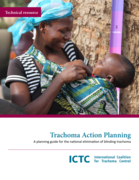
In 2011, ICTC developed a Trachoma Action Plan (TAP) planning guide to support national health officials in endemic countries. This resource was developed to complement the 2020 INSight roadmap by helping countries create specific national plans det
...
ailing how they will reach elimination targets in their own particular contexts.
more

Health financing for the COVID-19 response: Process guide for national budgetary dialogue. ACT-A Health Systems Connector
World Health Organization (WHO), World Bank, Global Financing Facility (GFF) et al.
World Health Organization (WHO)
(2021)
CC
Annual and medium-term budget preparation processes are the platforms through which specific plans are transformed into actual resource allocation decisions. The aim of this Process Guide is to support key stakeholders involved in these processes (s
...
uch as the Cabinet, Ministries of Finance and Health, the Parliament, citizens, media, and civil society organizations) to reorient budgetary arrangements in order to facilitate the ability of national governments to respond to the COVID-19 pandemic by delivering, therapeutics, diagnostics, and vaccine services to their populations. Reorienting budgetary arrangements positions governments to sustain the capacity to mitigate and respond to COVID-19 while concurrently delivering other essential health services and working towards Universal Health Coverage (UHC). The reorientation process is an opportunity to better align budgetary arrangements to sustain systemic capacity to prevent emerging health threats over the short, medium, and long terms.
more
The 2019-2023 Strategy for UNU-IIGH, developed in
2018, built on UNU-IIGH’s strategic advantage and
position vis-à-vis the UN and global health ecosystem.
The Strategy set a goal to advance evidencebased policy on key issues related to sustainable
development and health and shifted the Instit
...
ute’s
body of work from investigator-driven global health
projects to three priority-driven, policy-relevant pillars
of work, each reflecting UNU-IIGH’s unique value
position.
When the COVID-19 pandemic hit in 2020, the
Institute adapted and reprioritised its areas of work
while continuing to deliver on the main strategic
objectives of translating evidence to policy, generating
policy-relevant analyses on gender and health, and
strengthening capacity for local decision making
especially in the Global South.
The new strategic plan encompasses four work packages:
1. Gender Equality and Intersectionality: through this work, we will aim to improve the quality of health care through a human-centred approach, by ensuring the health system is responsive to the needs of structurally excluded individuals and communities; and by advancing a positive and enabling environment for the frontline health workforce—e.g. addressing the experience of gender-based violence.
2. Power and Accountability: through this work, we will catalyse equitable shifts in power and address key accountability deficits that prevent the equitable and effective functioning of the global health system and prevent adequate responsiveness to the needs of states and populations in the Global South.
3. Digital Health Governance: through this work, we will address the colonial legacies and power asymmetries that negatively impact robust digital health governance, identify ways to strengthen health data governance with a particular focus on SRHR and promote diversity in technology design and development.
4. Climate Justice and Determinants of Health: through this work we will leverage UNU-IIGH's position within the UN and network of UNU institutes, network experts, practitioners, policy-makers, and academics to advance evidence-based policy on the different dimensions of the climate emergency and its impact on health.
more

Public health challenges over the past decade have highlighted the importance of approaching health through a holistic lens of human, animal, and environmental sectors, recognizing the need for a collaborative response against shared threats. Zoonot
...
ic diseases, transmitted between humans and animals through their shared environment, are at the forefront of the threats requiring collaborations that span human health, natural ecosystems, and food systems.
more

The Cholera Outbreak Guidelines: Preparedness, Prevention, and Control provide a practical field guide for responding to cholera outbreaks. Developed by Oxfam GB, the guidelines combine lessons from past cholera interventions and best practices for effective outbreak
...
management. The document outlines key strategies, including preparedness planning, rapid response to outbreaks, water and sanitation improvements, hygiene education, and coordination among stakeholders. It covers both non-endemic and endemic cholera outbreaks, offering step-by-step guidance on surveillance, intervention, and monitoring. The aim is to ensure community-based, gender-sensitive, and rapid public health responses to control cholera and minimize mortality.
more
