Filter
1510
Text search:
sudan
Featured
141
376
Language
Document type
697
415
131
76
68
50
24
19
13
10
5
1
1
Countries
188
117
73
73
67
64
57
54
52
46
46
31
31
28
27
25
22
20
18
18
16
16
13
13
13
12
12
12
12
12
12
12
11
11
11
9
9
8
8
8
8
8
7
7
7
7
6
6
6
6
6
5
5
5
5
5
5
5
5
5
5
4
4
4
4
4
3
3
3
3
3
3
3
3
2
2
2
2
2
2
2
2
1
1
1
1
1
1
1
1
1
1
1
1
1
1
1
1
1
1
1
1
1
1
1
1
1
1
1
1
1
1
1
1
1
1
Authors & Publishers
Publication Years
Category
391
165
122
93
81
26
8
Toolboxes
171
159
107
96
91
86
74
38
38
38
37
33
29
25
24
23
23
19
18
14
14
11
9
5
3
3
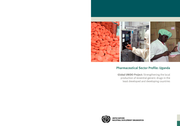
Global UNIDO Project: Strengthening the local production of essential generic drugs in the least developed and developing countries
This pan-African report describes and analyses the cultural, social, physical and other societal barriers preventing children with disabilities in Africa from realising their full human potential. It also describes the opportunities, initiatives and good practices that exist, that indicate the progr
...
This learning paper describes Malaria Consortium’s experience with Integrated Community Case Management (ICCM) in malaria prevention and treatment in Mozambique and Uganda. ICCM is an approach where community-based health workers are trained to identify, treat, and refer complex cases malaria (an
...
WHO Guideline. Since 2010, countries in the meningitis belt have started to introduce a new serogroup A meningococcal conjugate vaccine conferring individual protection and herd immunity. Following the successful roll-out of this vaccine, epidemics due to Neisseria meningitidis serogroup A (NmA) are
...
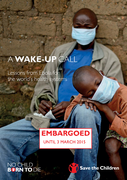
Almost 30 countries vulnerable to a new Ebola-style Epidemic, jeopardising the future of millions of Children. The report ranks the world’s poorest countries on the state of their public health systems, finding that 28 have weaker defences in place than Liberia where, alongside Sierra Leone and Gu
...
A call for national and regional containment, recovery and prevention