
Filter
7264
Filtered Results: 7264
Text search:
Surveillance
Featured
Recommendations
655
New Publications
1889
Language
Document type
No document type
3549
Studies & Reports
1245
Guidelines
1138
Strategic & Response Plan
434
Manuals
347
Fact sheets
231
Situation Updates
127
Training Material
103
Resource Platforms
34
Infographics
27
Brochures
12
Online Courses
12
App
3
Dashboards/Maps
1
Videos
1
Countries / Regions
Global
303
Congo, Democratic Republic of
221
India
213
Kenya
161
Sierra Leone
155
Liberia
143
Africa
142
Western and Central Europe
136
Senegal
135
Ethiopia
134
Latin America and the Carribbean
132
Nigeria
122
Uganda
112
South Africa
109
Nepal
96
Guinea
96
Rwanda
95
Malawi
94
Burkina Faso
91
Bangladesh
78
Zambia
76
Syria
71
Ukraine
69
Benin
69
Tanzania
69
Haiti
68
Ghana
66
Myanmar / Burma
65
West and Central Africa
64
South Sudan
55
Eastern Europe
54
Russia
53
Mali
53
Philippines
52
Germany
50
South–East Asia Region
50
Mozambique
48
Brazil
48
Namibia
48
Madagascar
46
Cameroon
43
East and Southern Africa
43
Asia
42
Middle East and North Africa
42
Zimbabwe
41
Yemen
41
Cambodia
36
Côte d’Ivoire / Ivory Coast
36
Central African Republic
34
Indonesia
33
Niger
30
Lesotho
26
Pakistan
26
Eastern Europe and Central Asia
23
Botswana
23
Chad
21
Colombia
20
Venezuela
20
Tajikistan
18
Togo
18
Somalia
18
Afghanistan
17
Western Pacific Region
17
Sudan
17
Eswatini/ Swaziland
17
Angola
16
Albania
14
Paraguay
14
Burundi
13
Argentina
13
Moldova
13
Thailand
12
North America
12
USA
11
Vietnam
11
Jordan
10
China
9
Peru
9
Guinea-Bissau
9
France
9
Lebanon
9
Georgia
9
Iraq
9
Turkey
8
Laos
8
Morocco
8
Armenia
8
Ecuador
8
Mexico
7
Iran
7
Bolivia
7
Papua New Guinea
7
Sri Lanka
7
Palestine
7
Honduras
7
North Macedonia
6
Timor Leste/ East Timor
6
Gambia
6
Chile
6
Ireland
6
Spain
6
Estonia
5
Congo-Brazzaville
5
Saudi Arabia
5
Djibouti
5
Libya
5
El Salvador
4
Kazakhstan
4
Mauritania
4
Belgium
4
Tunisia
4
Belarus
4
Southern Africa
4
Egypt
4
Guatemala
4
Canada
3
Kyrgyzstan
3
Qatar
3
Dominican Republic
3
Luxembourg
3
Gabon
3
Turkmenistan
3
Mauritius
3
Portugal
3
Algeria
3
Nicaragua
3
Romania
3
Bhutan
3
North Korea
2
Uzbekistan
2
Bulgaria
2
Italy
2
Uruguay
2
Azerbaijan
2
Israel
2
Bosnia and Herzegovina
2
Greece
2
Switzerland
1
Serbia
1
Australia
1
Fiji
1
Singapore
1
Vanuatu
1
Cape Verde
1
Hungary
1
Jamaica
1
Japan
1
Denmark
1
Maldives
1
United Kingdom
1
Belize
1
Costa Rica
1
Panama
1
Slovakia
1
Poland
1
Solomon Islands
1
Cuba
1
Authors & Publishers
Publication Years
Category
Countries
2809
Clinical Guidelines
531
Key Resources
362
Public Health
345
Women & Child Health
235
Pharmacy & Technologies
89
Capacity Building
83
Toolboxes
COVID-19
890
HIV
532
TB
464
Ebola & Marburg
388
AMR
350
NTDs
306
Rapid Response
280
Mental Health
220
Planetary Health
209
Malaria
174
2.0 Rapid Response
133
Conflict
132
Caregiver
130
Zika
108
NCDs
103
Cholera
102
Pharmacy
88
Global Health Education
88
Refugee
86
Natural Hazards
81
Polio
72
Disability
62
Health Financing Toolbox
53
Specific Hazards
34
Social Ethics
6
Typhoon
5

National tuberculosis (TB) prevalence surveys provide a nationally representative measurement of the burden of TB disease in the population, at a given point in time. Repeat surveys allow assessment of trends and tracking of progress towards national and global targets for reductions in TB disease b...

WHO guidelines for clinical management of arboviral diseases: dengue, chikungunya, Zika and yellow fever
recommended
The new WHO guidelines provide clinical management recommendations for four of the most widespread arboviruses affecting humans: dengue, chikungunya, Zika, and yellow fever.
An integrated approach is vital, as these four diseases often present with similar symptoms, especially in the early stages...

Integrated Outbreak Analytics (IOA) applies a multidisciplinary approach to understanding outbreak dynamics and to inform outbreak response. It aims to drive comprehensive, accountable, and effective public health and clinical strategies by enabling communities, and national and subnational health a...

Access to safe, effective and quality-assured health products and technologies is crucial for achieving universal health coverage and primary health care goals. The continued growth of the aging population; increasing burden of noncommunicable diseases; growing burden of mental health issues; climat...

This guide aims to provide an overview of successful practice from the field for the disaster risk reduction/management practitioner interested in EWS. It presents guiding principles that will build a strong foundation for the design or strengthening of EWS at any level. It is not an operational, bu...

The 2024 edition reviews more than 50 health-related indicators from the Sustainable Development Goals and WHO’s Thirteenth General Programme of Work. It also highlights the findings from the Global health estimates 2021, notably the impact of the COVID-19 pandemic on life expectancy and healthy l...
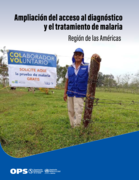
A pesar de los avances, persisten importantes barreras para el diagnóstico y tratamiento oportunos de la malaria en las Américas, especialmente en zonas rurales y de difícil acceso. Para reducir la transmisión, es esencial ampliar el uso de pruebas de diagnóstico rápido y garantizar la disponi...
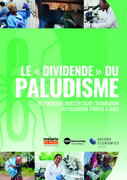
Malaria remains a significant public health concern, particularly in sub-Saharan Africa, where the majority of cases and fatalities occur, especially among children under five. Although there was a significant decline in global mortality and incidence between 2000 and 2015, progress has stalled sinc...

The ongoing global pandemic of SARS-CoV-2 (Covid-19) poses unique diagnostic and clinical management challenges in regions where seasonal epidemic-prone diseases are endemic. Diseases such as dengue, malaria, seasonal influenza, leptospirosis, chikungunya, scrub typhus and bacterial infections often...
The brief on key findings from the 2025 edition of the WHO anaemia estimates provides a snapshot of the current status of anaemia among women aged 15–49 years at the country, regional, and global levels, along with progress toward achieving the global anaemia target by 2030, in alignment with the ...

The 2022 report reviews the global malaria diagnostics market and technological landscape to support Unitaid’s 2023–2027 strategy for quality malaria case management. The report highlights the stalled progress of malaria control efforts, the gaps in access to diagnostics and the public health im...

Tuberculosis (TB) remains a significant global health challenge, with an estimated annual death rate of approximately one per 100,000 people in countries with low TB prevalence. Rapid reductions in TB cases and deaths worldwide depend on research breakthroughs, including the development of new vac...

Drawing on the World Health Organization’s package of NCD best buys, the report demonstrates how these evidence-based measures can help countries reduce premature deaths, strengthen health systems, and advance progress towards the Sustainable Development Goals. It provides policymakers, donors, ad...

WHO guideline on balanced national controlled medicines policies to ensure medical access and safety
Access to medicines is essential for attainment of universal health coverage, which is central to achievement of the health-related Sustainable Development Goals. Controlled medicines include those such as opioids, benzodiazepines, barbiturates, amphetamines and others with identified or emergent cl...

WHO guideline on HIV service delivery
recommended
Updated guidance on the integration of diabetes, hypertension and mental health services, and interventions to support adherence to antiretroviral therapy. The guideline offers practical implementation guidance for countries and key stakeholders as well as outlining key research gaps. As life expec...

WHO, as the coordinating authority on international health, supports countries in protecting public health through evidence-based policies and actions. Considering the significant health burden and the multiple potential benefits of interventions, the WHO Air Quality, Energy and Health Unit aims to ...
Lesotho’s Social and Behaviour Change Communication Strategy is a strategic response to the high levels of HIV and TB prevalence in the country that are exacerbated by the persistence of structural and sio-economic difficulties, such as poverty, unemployment, gender inequality and more. This strat...
20 YEARS OF STRATEGIC HIV AND PUBLIC HEALTH DATA . beThe completion of the 6th South African National HIV Prevalence, Incidence and Behaviour Survey (SABSSM) report, coincides with the celebration of 30 years of democracy in South Africa; and marks 20 years of conducting nationally representative ho...

The health impacts of climate change are no longer a distant threat. They are being felt here and now and becoming more extreme.
To address these threats, the WHO Asia-Pacific Centre for Environment and Health in the Western Pacific Region (ACE) was established in 2019 through a partnership with ...

This plan, approved by the Organization’s 62nd Directing Council, was shaped by extensive consultations with countries and stakeholders, and commits to transformative health outcomes over the next six years, tackling noncommunicable diseases (NCDs), mental health, health security, fragmented healt...
