
Filter
7127
Text search:
social
measures
Featured
Recommendations
613
New Publications
1791
Language
Document type
No document type
3764
Studies & Reports
1367
Guidelines
894
Manuals
397
Strategic & Response Plan
319
Fact sheets
174
Training Material
87
Situation Updates
73
Resource Platforms
23
Brochures
12
Infographics
11
Online Courses
5
App
1
Countries / Regions
Global
353
India
285
Kenya
209
Sierra Leone
157
Liberia
154
Western and Central Europe
152
Ethiopia
145
South Africa
141
Nepal
133
Myanmar / Burma
133
Uganda
128
Nigeria
118
Latin America and the Carribbean
116
Syria
113
Tanzania
113
Rwanda
99
Zambia
98
Africa
98
Bangladesh
97
Ghana
86
Malawi
81
Ukraine
79
Namibia
73
Congo, Democratic Republic of
72
Philippines
70
South Sudan
58
South–East Asia Region
55
Eastern Europe
54
Guinea
51
Cambodia
49
Indonesia
49
Brazil
48
Yemen
48
Mozambique
45
Zimbabwe
43
Lesotho
43
Asia
43
West and Central Africa
42
Middle East and North Africa
41
East and Southern Africa
40
Russia
40
Venezuela
38
Senegal
36
Germany
32
Eastern Europe and Central Asia
32
Afghanistan
30
Haiti
29
Pakistan
29
Colombia
27
Botswana
27
Jordan
24
Burkina Faso
23
Cameroon
23
Lebanon
22
Sudan
22
Central African Republic
22
Vietnam
21
Mali
20
Western Pacific Region
20
Somalia
19
Eswatini/ Swaziland
18
Thailand
17
Tajikistan
15
Iraq
14
China
14
Moldova
14
Laos
13
Madagascar
12
USA
11
Benin
11
Palestine
11
Albania
10
Iran
10
Angola
9
Chile
9
Georgia
9
Argentina
8
Peru
8
Burundi
8
Sri Lanka
8
Côte d’Ivoire / Ivory Coast
7
Niger
7
Togo
7
Greece
7
Mexico
7
Paraguay
7
Guinea-Bissau
6
Egypt
6
Papua New Guinea
6
Ecuador
6
El Salvador
6
Libya
6
Southern Africa
6
North America
6
Turkey
5
Malaysia
5
North Macedonia
5
Bolivia
5
Poland
5
Timor Leste/ East Timor
5
Kyrgyzstan
5
Kazakhstan
5
Turkmenistan
5
United Kingdom
5
Portugal
5
Spain
5
Saudi Arabia
4
Gambia
4
Hungary
4
Honduras
4
Armenia
4
Romania
4
Jamaica
4
Tunisia
4
Morocco
3
Chad
3
Singapore
3
Serbia
3
Croatia
3
Guatemala
3
Italy
3
Estonia
3
Uzbekistan
3
Japan
3
Mauritius
3
Bosnia and Herzegovina
3
Dominican Republic
2
Nicaragua
2
Other region
2
Fiji
2
Djibouti
2
Mongolia
2
Canada
2
Qatar
2
France
2
Azerbaijan
2
Belarus
2
Israel
2
Mauritania
1
Vanuatu
1
Switzerland
1
Solomon Islands
1
Bhutan
1
North Korea
1
Congo-Brazzaville
1
Bulgaria
1
Lithuania
1
Slovakia
1
Gabon
1
Maldives
1
Norway
1
South Korea
1
Algeria
1
Morocco
1
French Guyana
1
Belize
1
Costa Rica
1
Panama
1
Authors & Publishers
Publication Years
Category
Countries
2744
Key Resources
464
Public Health
359
Clinical Guidelines
318
Women & Child Health
313
Capacity Building
95
Pharmacy & Technologies
20
Annual Report MEDBOX
1
Toolboxes
COVID-19
953
Mental Health
572
HIV
437
Disability
339
Planetary Health
310
TB
266
Ebola & Marburg
249
Conflict
233
Refugee
181
Caregiver
168
NTDs
143
Global Health Education
141
Rapid Response
137
AMR
130
NCDs
115
Natural Hazards
110
Health Financing Toolbox
100
2.0 Rapid Response
80
Pharmacy
67
Malaria
64
Polio
43
Cholera
41
Zika
38
Specific Hazards
37
Social Ethics
29
Typhoon
5
South Sudan
2

There has never been a more critical moment to invest in WHO, and strengthen the unique role it plays in global health. Now is the time to sustainably finance WHO and invest in a healthy return for all.

This Guide is part of WHO’s overall programme of work on Political Economy of Health Financing Reform: Analysis and Strategy to Support UHC. The impetus for this work came from demands for more concrete evidence, recognition and integration of political economy issues within
health financing, and
...
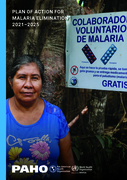
The Plan subscribes to the goals and pillars of the WHO Global Technical Strategy against Malaria 2016-2030 (GTS), while presenting key elements to address the specific challenges of the Region.

The Malaria Ministerial Conference, co-hosted by WHO and the Government of Cameroon on 6 March 2024, brought together more than 400 stakeholders, including Ministers of Health and senior representatives from the African countries hardest hit by malaria, global health leaders, scientists, civil socie
...

The guidelines are primarily intended for health-care professionals working in first- or second-level health-care facilities, including emergency, inpatient and outpatient services. They are also directed at policy-makers, health-care planners and programme managers, academic institutions, non-gover
...
This publication uses graphics to explain the importance of development cooperation in general and for health in particular. Financial contributions in the context of development cooperation have proven to be indispensable, effective, affordable and responsible in recent decades.

This malaria case management training manual was developed by the Federal Ministry of Health (FMOH) of Ethiopia, in collaboration with several national and international partners. Primarily based on WHO guidelines and training materials, as well as the 2022 national malaria guidelines and various te
...
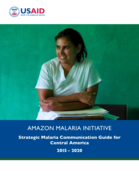
The Strategic Malaria Communication Guide for Central America is intended to facilitate the shift from malaria control to elimination by strengthening communication and advocacy initiatives throughout the region. Based on interviews and a review of literature, the guide offers National Malaria Progr
...

Report of a virtual meeting 21–23 June 2022


According to the WHO, there were an estimated 251 million malaria cases (95% of global cases) and 579,414 malaria deaths (97% of global deaths) in African Union Member States in 2023. 76% of these deaths were children under the age of five.

These guidelines promote the delivery of people-centred health services for STIs by providing evidence-based recommendations related to decentralization, integration, task sharing and digital health. These recommendations complement existing WHO guidelines for STI testing, treatment and management,
...

This guide provides strategic direction for host countries, event organizers, health authorities, and key stakeholders to effectively plan and conduct Simulation Exercises (SimEx) and After Action Reviews (AARs) for mass gathering events. Packed with practical tools, it empowers users to seamlessly
...

National tuberculosis (TB) prevalence surveys provide a nationally representative measurement of the burden of TB disease in the population, at a given point in time. Repeat surveys allow assessment of trends and tracking of progress towards national and global targets for reductions in TB disease b
...
This operational guidance provides a structured approach to support countries in sustaining priority services for HIV, viral hepatitis and sexually transmitted infections in the context of reduced external funding. The guidance is intended for national governments, public health programmes, communit
...

Access to safe, effective and quality-assured health products and technologies is crucial for achieving universal health coverage and primary health care goals. The continued growth of the aging population; increasing burden of noncommunicable diseases; growing burden of mental health issues; climat
...

The Multi-Hazard Early Warning System (MHEWS) Checklist is a practical tool consisting of major components and actions that national governments, community organizations and partners within
and across all sectors can refer when developing or evaluating early warning systems

The 2024 edition reviews more than 50 health-related indicators from the Sustainable Development Goals and WHO’s Thirteenth General Programme of Work. It also highlights the findings from the Global health estimates 2021, notably the impact of the COVID-19 pandemic on life expectancy and healthy l
...

Growing emergencies and displacements across the world demand increasingly complex interventions and responses. The World Health Organization (WHO) has developed Malaria control in emergencies: a field manual to provide technical guidance to help partners respond effectively to malaria in emergency
...

Noncommunicable diseases (NCDs) (e.g., cardiovascular diseases, cancers, diabetes, and chronic respiratory diseases) and mental health conditions (e.g., Alzheimer’s disease and related dementias, depression, anxiety, autism spectrum disorders) are the world’s leading cause of preventable illness
...
