
Filter
5265
Text search:
water
treatment
Featured
590
1578
Language
5098
118
91
83
61
33
26
20
14
10
9
8
8
7
7
6
6
6
6
6
6
6
5
5
5
5
5
5
4
4
4
4
4
4
3
3
3
3
3
3
3
3
3
2
2
2
2
2
2
2
2
2
2
2
2
2
1
1
1
1
1
1
1
1
1
1
1
1
1
1
1
1
Document type
2738
813
742
341
226
142
121
75
25
20
17
2
2
1
Countries
305
194
173
164
149
122
122
120
113
107
107
103
98
86
85
71
70
68
56
54
53
50
50
49
48
44
44
43
40
40
38
34
30
29
27
27
26
22
22
21
21
18
17
17
17
16
15
14
14
14
14
12
12
11
11
11
11
11
10
10
9
8
8
8
7
7
7
7
6
6
6
6
6
6
6
6
5
4
4
4
4
4
4
4
4
3
3
3
3
3
3
3
3
3
2
2
2
2
2
2
2
2
2
2
2
2
2
2
2
2
2
2
2
2
1
1
1
1
1
1
1
1
1
1
1
1
1
1
1
1
1
1
1
1
1
1
1
1
1
1
Authors & Publishers
602
218
163
139
129
107
107
82
72
60
37
29
28
27
27
26
25
24
24
23
23
22
22
22
21
21
21
20
20
19
18
18
18
17
17
17
17
17
17
16
16
16
15
15
15
15
15
15
14
14
14
13
13
12
12
12
12
11
11
11
11
11
11
10
10
10
10
10
10
10
10
10
10
10
10
9
9
9
9
9
9
9
9
9
8
8
8
8
8
8
8
8
8
8
8
8
7
7
7
7
7
7
7
7
7
7
7
7
7
6
6
6
6
6
6
6
6
6
6
6
6
6
6
6
6
6
6
6
6
6
6
6
5
5
5
5
5
5
5
5
5
5
5
5
5
5
5
5
5
5
5
5
5
5
5
5
5
5
5
5
5
5
5
4
4
4
4
4
4
4
4
4
4
4
4
4
4
4
4
4
4
4
4
4
4
4
4
4
4
4
4
4
4
4
4
4
4
4
4
4
4
4
4
4
4
4
4
4
4
4
4
4
4
4
4
4
4
4
4
4
4
4
4
4
4
4
4
4
4
4
4
4
4
4
4
4
4
3
3
3
3
3
3
3
3
3
3
3
3
3
3
3
3
3
3
3
3
3
3
3
3
3
3
3
3
3
3
3
3
3
3
3
3
3
3
3
3
3
3
3
3
3
3
3
3
3
3
3
3
3
3
3
3
3
3
3
3
3
3
3
3
3
3
3
3
3
3
3
3
3
3
3
3
3
3
3
3
3
3
3
3
3
3
3
3
3
3
3
3
3
3
3
3
3
3
3
3
3
3
3
3
3
3
3
3
3
3
3
3
3
3
3
3
3
3
3
3
3
3
3
3
3
3
3
3
2
2
2
2
2
2
2
2
2
2
2
2
2
2
2
2
2
2
2
2
2
2
2
2
2
2
2
2
2
2
2
2
2
2
2
2
2
2
2
2
2
2
2
2
2
2
2
2
2
2
2
2
2
2
2
2
2
2
2
2
2
2
2
2
2
2
2
2
2
2
2
2
2
2
2
2
2
2
2
2
2
2
2
2
2
2
2
2
2
2
2
2
2
2
2
2
2
2
2
2
2
2
2
2
2
2
2
2
2
2
2
2
2
2
2
2
2
2
2
2
2
2
2
2
2
2
2
2
2
2
2
2
2
2
2
2
2
2
2
2
2
2
2
2
2
2
2
2
2
2
2
2
2
2
2
2
2
2
2
2
2
2
2
2
2
2
2
2
2
2
2
2
2
2
2
2
2
2
2
2
2
2
2
2
2
2
2
2
2
2
2
2
2
2
2
2
2
2
2
2
2
2
2
2
2
2
2
2
2
2
2
2
2
2
2
2
2
2
2
2
2
2
2
2
2
2
2
2
2
2
2
2
2
2
2
2
2
2
2
2
2
2
2
2
2
2
2
2
2
2
2
2
2
2
2
2
2
2
2
2
2
2
2
2
2
2
2
2
2
2
2
2
2
2
2
2
2
2
2
2
2
2
2
1
1
1
1
1
1
1
1
1
1
1
1
1
1
1
1
1
1
1
1
1
1
1
1
1
1
1
1
1
1
1
1
1
1
1
1
1
1
1
1
1
1
1
1
1
1
1
1
1
1
1
1
1
1
1
1
1
1
1
1
1
1
1
1
1
1
1
1
1
1
1
1
1
1
1
1
1
1
1
1
1
1
1
1
1
1
1
1
1
1
1
1
1
1
1
1
1
1
1
1
1
1
1
1
1
1
1
1
1
1
1
1
1
1
1
1
1
1
1
1
1
1
1
1
1
1
1
1
1
1
1
1
1
1
1
1
1
1
1
1
1
1
1
1
1
1
1
1
1
1
1
1
1
1
1
1
1
1
1
1
1
1
1
1
1
1
1
1
1
1
1
1
1
1
1
1
1
1
1
1
1
1
1
1
1
1
1
1
1
1
1
1
1
1
1
1
1
1
1
1
1
1
1
1
1
1
1
1
1
1
1
1
1
1
1
1
1
1
1
1
1
1
1
1
1
1
1
1
1
1
1
1
1
1
1
1
1
1
1
1
1
1
1
1
1
1
1
1
1
1
1
1
1
1
1
1
1
1
1
1
1
1
1
1
1
1
1
1
1
1
1
1
1
1
1
1
1
1
1
1
1
1
1
1
1
1
1
1
1
1
1
1
1
1
1
1
1
1
1
1
1
1
1
1
1
1
1
1
1
1
1
1
1
1
1
1
1
1
1
1
1
1
1
1
1
1
1
1
1
1
1
1
1
1
1
1
1
1
1
1
1
1
1
1
1
1
1
1
1
1
1
1
1
1
1
1
1
1
1
1
1
1
1
1
1
1
1
1
1
1
1
1
1
1
1
1
1
1
1
1
1
1
1
1
1
1
1
1
1
1
1
1
1
1
1
1
1
1
1
1
1
1
1
1
1
1
1
1
1
1
1
1
1
1
1
1
1
1
1
1
1
1
1
1
1
1
1
1
1
1
1
1
1
1
1
1
1
1
1
1
1
1
1
1
1
1
1
1
1
1
1
1
1
1
1
1
1
1
1
1
1
1
1
1
1
1
1
1
1
1
1
1
1
1
1
1
1
1
1
1
1
1
1
1
1
1
1
1
1
1
1
1
1
1
1
1
1
1
1
1
1
1
1
1
1
1
1
1
1
1
1
1
1
1
1
1
1
1
1
1
1
1
1
1
1
1
1
1
1
1
1
1
1
1
1
1
1
1
1
1
1
1
1
1
1
1
1
1
1
1
1
1
1
1
1
1
1
1
1
1
1
1
1
1
1
1
1
1
1
1
1
1
1
1
1
1
1
1
1
1
1
1
1
1
1
1
1
1
1
1
1
1
1
1
1
1
1
1
1
1
1
1
1
1
1
1
1
1
1
1
1
1
1
1
1
1
1
1
1
1
1
1
1
1
1
1
1
1
1
1
1
1
1
1
1
1
1
1
1
1
1
1
1
1
1
1
1
1
1
1
1
1
1
1
1
1
1
1
1
1
1
1
1
1
1
1
1
1
1
1
1
1
1
1
1
1
1
1
1
1
1
1
1
1
1
1
1
1
1
1
1
1
1
1
1
1
1
1
1
1
1
1
1
1
1
1
1
1
1
1
1
1
1
1
1
1
1
1
1
1
1
1
1
1
1
1
1
1
1
1
1
1
1
1
1
1
1
1
1
1
1
1
1
1
1
1
1
1
1
1
1
1
1
1
1
1
1
1
1
1
1
1
1
1
1
1
1
1
1
1
1
1
1
1
1
1
1
1
1
1
1
1
1
1
1
1
1
1
1
1
1
1
1
1
1
1
1
1
1
1
1
1
1
1
1
1
1
1
1
1
1
1
1
1
1
1
1
1
1
1
1
1
1
1
1
1
1
1
1
1
1
1
1
1
1
1
1
1
1
1
1
1
1
1
1
1
1
1
1
1
1
1
1
1
1
1
1
1
1
1
1
1
1
1
1
1
1
1
1
1
1
1
1
1
1
1
1
1
1
1
1
1
1
1
1
1
1
1
1
1
1
1
1
1
1
1
1
1
1
1
1
1
1
1
1
1
1
1
1
1
1
1
1
1
1
1
1
1
1
1
1
1
1
1
1
1
1
1
1
1
1
1
1
1
1
1
1
1
1
1
1
1
1
1
1
1
1
1
1
1
1
1
1
1
1
1
1
1
1
1
1
1
1
1
1
1
1
1
1
1
1
1
1
1
1
1
1
1
1
1
1
1
1
1
1
1
1
1
1
1
1
1
1
1
1
1
1
1
1
1
1
1
1
1
1
1
1
1
1
1
1
1
1
1
1
1
1
1
1
1
1
1
1
1
1
1
1
1
1
1
1
1
1
1
1
1
1
1
1
1
1
1
1
1
1
1
1
1
1
1
1
1
1
1
1
1
1
1
1
1
1
1
1
1
1
1
1
1
1
1
1
1
1
1
1
1
1
1
1
1
1
1
1
1
1
1
1
1
1
1
1
1
1
1
1
1
1
1
1
1
1
1
1
1
1
1
1
1
1
1
1
1
1
1
1
1
1
1
1
1
1
1
1
1
1
1
1
1
1
1
1
1
1
1
1
1
1
1
1
1
1
1
1
1
1
1
1
1
1
1
1
1
1
1
1
1
1
1
1
1
1
1
1
1
1
1
1
1
1
1
1
1
1
1
1
1
1
1
1
1
1
1
1
1
1
1
1
1
1
1
1
1
1
1
1
1
1
1
1
1
1
1
1
1
1
1
1
1
1
1
1
1
1
1
1
1
1
1
1
1
1
1
1
1
1
1
1
1
1
1
1
1
1
1
1
1
1
1
1
1
1
1
1
1
1
1
1
1
1
1
1
1
1
1
1
1
1
1
1
1
1
1
1
1
1
1
1
1
1
1
1
1
1
1
1
1
1
1
1
1
1
1
1
1
1
1
1
1
1
1
1
1
1
1
1
1
1
1
1
1
1
1
1
1
1
1
1
1
1
1
1
1
1
1
1
1
1
1
1
1
1
1
1
1
1
1
1
1
1
1
1
1
1
1
1
1
1
1
1
1
1
1
1
1
1
1
1
1
1
1
1
1
1
1
1
1
1
1
1
1
1
1
1
1
1
1
1
1
1
1
1
1
1
1
1
1
1
1
1
1
1
1
1
1
1
1
1
1
1
1
1
1
1
1
1
1
1
1
1
1
1
1
1
1
1
1
1
1
1
1
1
1
1
1
1
1
1
1
1
1
1
1
1
1
1
1
1
1
1
1
1
1
1
1
1
1
1
1
1
1
1
1
1
1
1
1
1
1
1
1
1
1
1
1
1
1
1
1
1
1
1
1
1
1
1
1
1
1
1
1
1
1
1
1
1
1
1
1
1
1
1
1
1
1
1
1
1
1
1
1
1
1
1
1
1
1
1
1
1
1
1
1
1
1
1
1
1
1
1
1
1
1
1
1
1
1
1
1
1
1
1
1
1
1
1
1
1
1
1
1
1
1
1
1
1
1
1
1
1
1
1
1
1
1
1
1
1
1
1
1
1
1
1
1
1
1
1
1
1
1
1
1
1
1
1
1
1
1
1
1
1
1
1
1
1
1
1
1
1
1
1
1
1
1
1
1
1
1
1
1
1
1
1
1
1
1
1
1
1
1
1
1
1
1
1
1
1
1
1
1
1
1
1
1
1
1
1
1
1
1
1
1
1
1
1
1
1
1
1
1
1
1
1
1
1
1
1
1
1
1
1
1
1
1
1
1
1
1
1
1
1
1
1
1
1
1
1
1
1
1
1
1
1
1
1
1
1
1
1
1
1
1
1
1
1
1
1
1
1
1
1
1
1
1
1
1
1
1
1
1
1
1
1
1
1
1
1
1
1
1
1
1
1
1
1
1
1
1
1
1
1
1
1
1
1
1
1
1
1
1
1
1
1
1
1
1
1
1
1
1
1
1
1
1
1
1
1
1
1
1
1
1
1
1
1
1
1
1
1
1
1
1
1
1
1
1
1
1
1
1
1
1
1
1
1
1
1
1
1
1
1
1
1
1
1
1
1
1
1
1
1
1
1
1
1
1
1
1
1
1
1
1
1
1
1
1
1
1
1
1
1
1
1
1
1
1
1
1
1
1
1
1
1
1
1
1
1
1
1
1
1
1
1
1
1
1
1
1
1
1
1
1
1
1
1
1
1
1
1
1
1
1
1
1
1
1
1
1
1
1
1
1
1
1
1
1
1
1
1
1
1
1
1
1
1
1
1
1
1
1
1
1
1
1
1
1
1
1
1
1
1
1
1
1
1
1
1
1
1
1
1
1
1
1
1
1
1
1
1
1
1
1
1
1
1
1
1
1
1
1
1
1
1
1
1
1
1
1
1
1
1
1
1
1
1
1
1
1
1
1
1
1
1
1
1
1
1
1
1
1
1
1
1
1
1
1
1
1
1
1
1
1
1
1
1
1
1
1
1
1
1
1
1
1
1
1
1
1
1
1
1
1
1
1
1
1
1
1
1
1
1
1
1
1
1
1
1
1
1
1
1
1
1
1
1
1
1
1
1
1
1
1
1
1
1
1
1
1
1
1
1
1
1
1
1
1
1
1
1
1
1
1
1
1
1
1
1
1
1
1
1
1
1
1
1
1
1
1
1
1
1
1
1
1
1
1
1
1
1
1
1
1
1
1
1
1
1
1
1
1
1
1
1
1
1
1
1
1
1
1
1
1
1
1
1
1
1
1
1
1
1
1
1
1
1
1
1
1
1
1
1
1
1
1
1
1
1
1
1
1
1
1
1
1
1
1
1
1
1
1
1
1
1
1
1
1
1
1
1
1
1
1
1
1
1
1
1
1
1
1
1
1
1
1
1
1
1
1
1
1
1
1
1
1
1
1
1
1
1
1
1
1
1
1
1
1
1
1
1
1
1
1
1
1
1
1
1
1
1
1
1
1
1
1
1
1
1
1
1
1
1
1
1
1
1
1
1
1
1
1
1
1
1
1
1
1
1
1
1
1
1
1
1
1
1
1
1
1
1
1
1
1
1
1
1
1
1
1
1
1
1
1
1
1
1
1
1
1
1
1
1
1
1
1
1
1
1
1
1
1
1
1
1
1
1
1
1
1
1
1
1
1
1
1
1
1
1
1
1
1
1
1
1
1
1
1
1
1
1
1
1
1
1
1
1
1
1
1
1
1
1
1
1
1
1
1
1
1
1
1
1
1
1
1
1
1
1
1
1
1
1
1
1
1
1
1
1
1
1
1
1
1
1
1
1
1
1
1
1
1
1
1
1
1
1
1
1
1
1
1
1
1
1
1
1
1
1
1
1
1
1
1
1
1
1
1
1
1
1
1
1
1
1
1
1
1
1
1
1
1
1
1
1
1
1
1
1
1
1
1
1
1
1
1
1
1
1
1
1
1
1
1
1
1
1
1
1
1
1
1
1
1
1
1
1
1
1
1
1
1
1
1
1
1
1
1
1
1
1
1
1
1
1
1
1
1
1
1
1
1
1
1
1
1
1
1
1
1
1
1
1
1
1
1
1
1
1
1
1
1
1
1
1
1
1
1
1
1
1
1
1
1
1
1
1
1
1
1
1
1
1
1
1
1
1
1
1
1
1
1
1
1
1
1
1
1
1
1
1
1
1
1
1
1
1
1
1
1
1
1
1
1
1
1
1
1
1
1
1
1
1
1
1
1
1
1
1
1
1
1
1
1
1
1
1
1
1
1
1
1
1
1
1
1
1
1
1
1
1
1
1
1
1
1
1
1
1
1
1
1
1
1
1
1
1
1
1
1
1
1
1
1
1
1
1
1
1
1
1
1
1
1
1
1
1
1
1
1
1
1
1
1
1
1
1
1
1
1
1
1
1
1
1
1
1
1
1
1
1
1
1
1
1
1
1
1
1
1
1
1
1
1
1
1
1
1
1
1
1
1
1
1
1
1
1
1
1
1
1
1
1
1
1
1
1
1
1
1
1
1
1
1
1
1
1
1
1
1
1
1
1
1
1
1
1
1
1
1
1
1
1
1
1
1
1
1
1
1
1
1
1
1
1
1
1
1
1
1
1
1
1
1
1
1
1
1
1
1
1
1
1
1
1
1
1
1
1
1
1
1
1
1
1
1
1
1
1
1
1
1
1
1
1
1
1
1
1
1
1
1
1
1
1
1
1
1
1
1
1
1
1
1
1
1
1
1
1
1
1
1
1
1
1
1
1
1
1
1
1
1
1
1
1
1
1
1
1
1
1
1
1
1
1
1
1
1
1
1
1
1
1
1
1
1
1
1
1
1
1
1
1
1
1
1
1
1
1
1
1
1
1
1
1
1
1
1
1
1
1
1
1
1
1
1
1
1
1
1
1
1
1
1
1
1
1
1
1
1
1
1
1
1
1
1
1
1
1
1
1
1
1
1
1
1
1
1
1
1
1
1
1
1
1
1
1
1
1
1
1
1
1
1
1
1
1
1
1
1
1
1
1
1
1
1
1
1
1
1
1
1
1
1
1
1
1
1
1
1
1
1
1
1
1
1
1
1
1
1
1
1
1
1
1
1
1
1
1
1
1
1
1
1
1
1
1
1
1
1
1
1
1
1
1
1
1
1
1
1
1
1
1
1
1
1
1
1
1
1
1
1
1
1
1
1
1
1
1
1
1
1
1
1
1
1
1
1
1
1
1
1
1
1
1
1
1
1
1
1
1
1
1
1
1
1
1
1
1
1
1
1
1
1
1
1
1
1
1
1
1
1
1
1
1
1
1
1
1
1
1
1
1
1
1
1
1
1
1
1
1
1
1
1
1
1
1
1
1
1
1
1
1
1
1
1
1
1
1
1
1
1
1
1
1
1
1
1
1
1
1
1
1
1
1
1
1
1
1
1
1
1
1
1
1
1
1
1
1
1
1
1
1
1
1
1
1
1
1
1
1
1
1
1
1
1
1
1
1
1
1
1
1
1
1
1
1
1
1
1
1
1
1
1
1
1
1
1
1
1
1
1
1
1
1
1
1
1
1
1
1
1
1
1
1
1
1
1
1
1
1
1
1
1
1
1
Publication Years
1492
3155
577
38
3
Category
2227
450
380
307
241
136
57
2
Toolboxes
417
255
241
225
221
210
196
168
160
138
118
114
106
106
102
90
88
78
75
60
49
46
43
15
14
6
2

Essential triple EMTCT services include testing for HIV, syphilis and HBV in ante-
natal care (ANC) settings; prompt and efficacious interventions to treat women
who test positive; prevent transmission of any of the infections to their children;
counseling for women and their partners to reduce t
...
ransmission risk and ensure
appropriate treatment; encourage clean and safe delivery; appropriate follow
up of exposed infants including provision of HBV vaccine birth dose; promoting
optimal infant-feeding; and lifelong treatment and care for mothers living with
HIV or those eligible for treatment for hepatitis B infections and treatment for
syphilis.
more
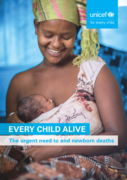
Globally, in low-income countries, the average newborn mortality rate is 27 deaths per 1,000 births, the report says. In high-income countries, that rate is 3 deaths per 1,000. Newborns from the riskiest places to give birth are up to 50 times more likely to die than those from the safest places.
... The report also notes that 8 of the 10 most dangerous places to be born are in sub-Saharan Africa, where pregnant women are much less likely to receive assistance during delivery due to poverty, conflict and weak institutions. If every country brought its newborn mortality rate down to the high-income average by 2030, 16 million lives could be saved.
More than 80 per cent of newborn deaths are due to prematurity, complications during birth or infections such as pneumonia and sepsis, the report says. These deaths can be prevented with access to well-trained midwives, along with proven solutions like clean water, disinfectants, breastfeeding within the first hour, skin-to-skin contact and good nutrition. more
... The report also notes that 8 of the 10 most dangerous places to be born are in sub-Saharan Africa, where pregnant women are much less likely to receive assistance during delivery due to poverty, conflict and weak institutions. If every country brought its newborn mortality rate down to the high-income average by 2030, 16 million lives could be saved.
More than 80 per cent of newborn deaths are due to prematurity, complications during birth or infections such as pneumonia and sepsis, the report says. These deaths can be prevented with access to well-trained midwives, along with proven solutions like clean water, disinfectants, breastfeeding within the first hour, skin-to-skin contact and good nutrition. more
This year’s MPI results show that more than two-thirds of the multidimensionally poor—886 millionpeople—live in middle-income countries. A further 440 million live in low-income countries. In both groups, data show, simple national averagescan hide enormous inequality inpatterns of povertywith
...
in countries. For instance, in Uganda 55 percentof the population experience multidimensional poverty—similartotheaverage in Sub-Saharan Africa. But Kampala, the capital city, has an MPI rate of sixpercent, whileinthe Karamojaregion, the MPI soars to 96 percent—meaningthat partsof Ugandaspan the extremes of Sub-Saharan Africa.There is even inequality under the same roof. In South Asia, for example, almost a quarter ofchildren under five live in households where at least one child in the household is malnourished but at least one child is not.
There is also inequality among the poor. Findings of the2019 global MPI paint a detailed picture of the many differences in how-and how deeply -people experience poverty. Deprivationsamong the poor varyenormously: in general, higher MPI valuesgo hand in hand with greater variationin the intensity of poverty. Results also show that children suffer poverty more intensely than adults and are more likely to be deprived in all 10 of the MPI indicators, lackingessentialssuch as clean water, sanitation, adequate nutrition or primary education
more
In 1989, the Republic of Benin was facing a great social and
economical crisis. Civil servants of all the sectors in public
administration were on strike. People did not know where to
go for their health care. Salaries were not paid for more than
six months and life for the general population wa
...
s very dificult.
The country was about to degenerate into civil war as a
result of the civil unrest in the country.
Thanks to the assistance from the French, and Canadian
and American Mennonite missionaries, the Bethesda Health
Centre was started in 1990 with US$ 1,000 granted by theses
partners. Today, the Health Centre of Bethesda has expanded
and has become a large Hospital in Cotonou. It hosts each
year about 100,000 patients and has developed the department
of paediatrics, ophthalmology, stomatology, cardiology,
obstetrical gynaecology, X-rays, etc. The Hospital has also
put in place an AIDS service which has been promoted by the
government to the status of an AIDS Treatment Centre.
In an integrated vision, Bethesda has established other departments.
In 1993, the Sanitation department was established
to implement sanitation and environmentally-friendly
projects aimed at reducing the high incidence of some diseases
frequently treated at the hospital. In 1996, the decision
was made to establish a micro-inance department called
PEBCo. This initiative, which currently has 10,000 clients,
uses community savings to promote income-generating activities.
Since many women were obliged to use the loans for
family needs (health care, children schooling, etc.), they were
unable to reimburse them as planned. Hence the Bethesda
non-government organization (NGO) recently began an initiative
to provide a community-based health insurance option
for the population in 2006. There are now 12,000 members.
This paper focuses on the presentation of Benin and the program,
but also describes how the project could be better improved
and what were its beneits and impacts.
Field Actions Science Reports
The journal of field actions
Vol. 4 | 2010
Vol. 4
more
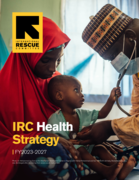
The International Rescue Committee (IRC) is a leading humanitarian agency dedicated to helping people whose lives have been shattered by conflict and disaster to survive, recover, and gain control of their future. Health comprises nearly half of IRC’s program portfolio globally and encompasses thr
...
ee sectors: 1) Primary Health (including child health, sexual and reproductive health and rights, and mental health); 2) Nutrition; and 3) Environmental Health. IRC health programming across its portfolio, in terms of the size and breadth, responds to significant needs in crisis affected settings, improving health and wellbeing while reducing causes of ill-health.
This five-year Health Strategy sharpens our focus on where we can have the most impact. It guides our efforts in planning, technical assistance, business development, advocacy, and internal and external collaboration. Through this strategy, we will invest and grow in areas that will help us achieve high impact at scale for our clients. For the next five years these priorities will include: Nutrition; Immunization: Infectious Disease Prevention and Control; Last Mile Delivery of Primary Health Care: Clean Water.
Our strategy aligns with Strategy 100 (S100) and Strategy Action Plans (SAPs). It lays out how IRC, through health, nutrition, and Environmental Health (EH) programming, will advance the IRC’s S100 ambitions, respond to global trends, and capitalize on our value add. The strategy will be complemented by delivery plans that detail investments, actions, and roles and responsibilities to advance our priorities. At the end of FY24, we will take stock of the implementation of the strategy, measure progress towards achieving our goals, and review if it continues to be fit for purpose.
more
Mental health problems are common and cause great suffering to individuals and communities around the world. They have a significant impact not only on the physical and mental health of those affected but also on their families and the communities they live in. At the same time, all communities have
...
their own traditional mechanisms for support and contain a range wide of resources that can be helpful in preventing mental health conditions from developing, promoting positive mental health and supporting the recovery of people that are struggling with a mental health condition.
In the wider context, people living with a mental health condition are often excluded from their communities and experience various violations to their basic human rights (discrimination, violence, exclusion from employment opportunities). The World Health Organization (WHO) estimates that the mean prevalence of global mental health disorders is 10.8% while the prevalence in emergency settings is 22.1% in any conflict-affected population.
During emergencies and crisis, the stigma, exclusion and discrimination towards people living with mental health conditions is often higher, which can cause isolation and protection issues. Communities can play a crucial role in promoting mental health as well as enhancing primary care and access. Their role is to help reduce mental health inequalities by providing community resources that connect people to community-based resources and by providing mental health education. This also helps to reduce the massive mental health treatment gap.
more

Safe sanitation is essential for health, from preventing infections to improving and maintaining mental and social
well-being. Lack of adequate sanitation contributes to diarrhoeal diseases, parasitic infections, and undernutrition, as
well as posing significant risks and causing anxiety, especial
...
ly for women and girls. Achieving universal access to safe
sanitation, which protects health, privacy, and dignity, is a global development goal and a recognized basic human right.
more
La atención concedida a la equidad en la Agenda 2030 para el Desarrollo Sostenible obliga a encontrar nuevas formas de ampliar progresivamente los servicios a las poblaciones que no los reciben. Las alianzas satisfactorias entre el sector encargado del suministro de agua, el saneamiento y la higien
...
e (WASH, por su sigla en inglés) y los programas de lucha contra las enfermedades tropicales desatendidas (ETD) pueden contribuir a lograr esta aspiración. Sin embargo, colaborar para encontrar juntos esas nuevas formas, exige nuevos modos de pensar. En esta edición corregida se presenta un conjunto de herramientas para ayudar a los países y los programas de lucha contra la ETD a colaborar con la comunidad relacionada con las acciones de agua, saneamiento e higiene, y guía en la creación de alianzas, en la movilización de recursos y en el diseño, la aplicación y la evaluación de las intervenciones. Más que una guía de “buenas prácticas”, se trata de un conjunto de herramientas basadas en la experiencia adquirida en la realidad de un programa.
more

760 WEEKLY EPIDEMIOLOGICAL RECORD, NOS. 51/52, 20 DECEMBER 2024, pp.760-769. In French and English
Integrated Response Plan: Yemen Cholera Outbreak
recommended
The plan outlines emergency health, WASH and communications interventions to contain and prevent further spread of the outbreak in the 227 high risk districts, where suspected cholera cases were reported during the period October 2016 to May 2017. Health and WASH clusters will continually identify p
...
riority districts from at
high risk districts, by considering the number of caseload and attack rate. As of 15 May, 30 priority high risk districts (10 Governorates) that report over 100 or more suspected cholera cases have been identified.
more
THIS LEAFLET AIMS AT GUIDING YOU THROUGH THE VERY FIRST DAYS OF AN OUTBREAK

In Control. A Practical Handbook for Professionals Working in Health Emergencies Internationally
recommended
In Control imparts knowledge, provokes reflection and triggers curiosity. The first half of the book provides an overview of the organisations, principles, frameworks and themes that every professional deploying to health emergencies should be aware of. The second half of the book provides practical
...
advice to help professionals survive and thrive during their mission – from staying healthy, protecting oneself from cyber-attacks and coping with stress to building trust among the host community or dealing with language barriers and the press.
This handbook is free of charge and can be made available in small quantities as long as supply lasts. To order, please send this form to: incontrol-handbook@rki.de
more

The Compendium of Solid Waste Management in Humanitarian Contexts is a comprehensive, structured and userfriendly manual and planning guide that provides a systematic overview of existing Solid Waste Management (SWM) technologies and approaches appropriate for use in humanitarian contexts.

PARTICIPANT GUIDE.
This Participant Guide has been designed to assist health facilities and community based non-clinicians to develop skills to provide linkage to care, adherence and retention in care services for chronic conditions
- A Skills Building Program for Clinicians and Non-Clinicians. Adherence guidelines- slide deck- training course for health providers

In recent decades, India has witnessed a rapidly exploding epidemic of diabetes.
Indeed, India today has the second largest number of people with diabetes in the
world. The International Diabetes Federation (IDF) estimates that there are 72.9 million people with diabetes in India in 2017, which is
...
projected to rise to 134.3 million by the year 2045. The prevalence of diabetes in urban India, especially in large metropolitan cities has increased from 2% in the 1970s to over 20% at present and the rural areas are also fast catching up.
more
Antimicrobial resistance (AMR) has emerged as a leading cause of death in the African region, surpassing fatalities from malaria, HIV, and TB. In response to this critical threat, the region has adopted the AMR Global Action Plan and the African Union Framework for Antimicrobial Resistance Control 2
...
020 – 2025, which is tailored to meet the specific needs of African nations through a coordinated approach. While most countries in the region have developed and prioritized National Action Plans (NAPs) to tackle AMR, the overall response remains inadequate given the magnitude of the threat, which endangers human, animal, environmental, aquatic, and plant health.
more

6th edition. The HIV epidemic Namibia is gradually being brouhgt under countrol as demonstrated by results in the preliminary report of Namibia Population-Based HIV Impact Assessment (NAMPHIA), a cross-sectional household-based survey that was conducted in 2017. Currently, it is estimated that about
...
204,207 Namibians are living with HIV. According to the NAMPHIA preliminary report, HIV prevalence among adults aged 15-64 is 12.6% and the annual HIV incidence is 0.36%. This report, together with HIV programmatic data has show that Namibia is one of the few African countries to meet the 2015 Joint United Nations Program on HIV and epidemic globally by 2030.
more

2nd edition. This second edition builds on the experience of more than 10 years of SMC deployment, and reflects changes introduced in the WHO guidelines for malaria, 3 June 2022. The goal of this publication is to share these best practices to improve SMC implementation, coverage, and monitoring and
...
evaluation. Examples of materials and tools as well as links to resources are included to support managers and health workers in their efforts to conduct successful SMC activities and prevent malaria among vulnerable children.
more
Diabetes is an increasingly prevalent yet under-recognised health crisis in Africa, driven by demographic and socioeconomic transitions. In 2021, 24 million adults in the region were living with diabetes, and this figure is expected to increase by 129% by 2045.
