
Filter
806
Text search:
national
HIV/AIDS
strategy
Featured
67
302
Language
Document type
532
99
84
30
19
18
14
3
1
1
1
Countries
53
38
36
34
33
33
29
29
27
23
19
17
16
15
14
13
13
12
12
11
10
10
8
8
7
7
6
6
5
4
4
4
3
3
3
3
2
2
2
2
1
1
1
1
1
1
1
1
1
1
1
1
1
1
1
1
1
1
1
1
Authors & Publishers
Publication Years
Category
477
30
25
23
22
21
Toolboxes
187
51
21
17
12
11
8
7
5
5
4
4
3
2
2
2
1
1
1
1
1
1
These toolkits were produced and used as part of the Moyo ndi Mpbamba project in Malawi to guide the community mobilization process in target districts.

A Handbook for country programmes
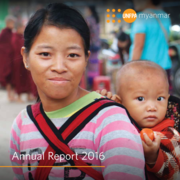
Census data shows that Myanmar can harness a double dividend – both youth and gender. This year’s annual report provides many facets of the journey to gender equality. It tells a story of widening horizons for women and girls who are capable in their own right. It is also a story of women fulfil
...

Why bold action against inequalities is needed to en AIDS, stop COVID-19 and prepare for future pandemics
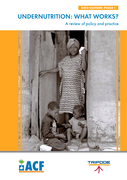
A review of policy and practice; zero Hunger Phase 1
District Level M & E Training and Reference Material for Primary Health Care Programmes

Children with disabilities in South Africa: The hidden reality is part of a multiple-country study conducted by ACPF. The study seeks to analyse how cultural, social, physical and other societal barriers prevent children with disabilities from enjoying their constitutional rights to equality, freedo
...

Vision Statement
From birth to 8 years of age, all children of the Republic of the Union of Myanmar will receive holistic, high-quality and developmentally-appropriate care from their parents, caregivers and service providers to ensure they will be happy, healthy, well nourished, socially adept ...
From birth to 8 years of age, all children of the Republic of the Union of Myanmar will receive holistic, high-quality and developmentally-appropriate care from their parents, caregivers and service providers to ensure they will be happy, healthy, well nourished, socially adept ...
The Core Set of Indicators and respective Indicator Data Sheets aim to pave the way towards a common understanding, greater consistency and comparability across countries and alignment of results chains of German Development Cooperation in the field of health and social health protection with the in
...


Morbidity and Mortality Weekly Report
Recommendations and Reports: July 7, 2006 / Vol. 55 / No. RR-9
Harm reduction: evidence, impacts and challenges
-10-
