
Filter
648
Text search:
human
trafficking
Featured
46
217
Language
Document type
365
149
44
34
17
15
10
6
4
1
1
1
Countries
35
31
30
26
25
20
17
15
14
13
12
10
10
10
9
8
7
7
7
7
7
7
6
6
6
6
6
6
6
5
5
5
5
4
4
4
4
4
3
3
3
3
3
3
3
3
3
3
3
3
2
2
2
2
2
2
2
2
2
2
2
2
2
2
2
2
2
2
2
2
1
1
1
1
1
1
1
1
1
1
1
1
1
1
1
1
1
1
1
1
1
1
1
1
1
1
1
1
1
Authors & Publishers
Publication Years
Category
255
63
47
15
11
7
1
Toolboxes
109
89
49
44
23
18
18
16
14
12
10
6
6
4
2
2
2
2
1
1

WHO guideline on balanced national controlled medicines policies to ensure medical access and safety
Access to medicines is essential for attainment of universal health coverage, which is central to achievement of the health-related Sustainable Development Goals. Controlled medicines include those such as opioids, benzodiazepines, barbiturates, amphetamines and others with identified or emergent cl
...

Technical Brief

the Pocket Guide includes
information on HIV clinical care; growth and development; mental health; child protection;
counselling and communication; disclosure; loss, grief, and bereavement; adherence; sexual
and reproductive health; transition of care; support systems; and monitoring and evaluati
...

Through the “Fiji National HIV Surge Strategic Plan 2024-2027,” the ministry will address areas for
Prevention, Diagnostics, Treatment and Care, the Continuum of Care and an intense Monitoring,
Evaluation, Accountability and Learning Framework for the government. This strategic plan aims
to d
...

The World report on promoting the health of refugees and migrants: Monitoring progress on the WHO global action plan provides the first global baseline for assessing implementation of the 2019-2030 WHO Global Action Plan on Promoting the Health of Refugees and Migrants (GAP). Building on the 2022 Wo
...
The Tanzania Public Health Bulletin provides updates on important public health issues in Tanzania. It includes government statements, surveillance reports, outbreak updates, and research articles on communicable diseases such as Ebola and cholera. The bulletin aims to inform health professionals, p
...
Diagnóstico exploratorio sobre el tráfico y/o trata de personas con fines de explotación sexual
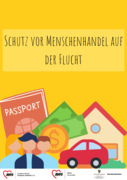
Aktuell fliehen hunderttausende Menschen, vor allem Frauen und Kinder aus der Ukraine in Nachbarländer. Besonders alleinreisende Frauen und Kinder sind in dieser gefährdeten Situation angreifbar und ein Ziel für Menschenhändler*innen.
Viele Menschen sind an der ukrainischen Grenze, um solidar
...
