
Filter
2000
Text search:
information
sheet
Featured
198
561
Language
1905
54
45
35
34
19
16
16
9
8
6
6
5
5
4
4
3
3
3
3
3
3
2
2
2
2
2
2
2
2
2
2
2
1
1
1
1
1
1
1
1
1
1
1
1
1
1
Document type
1092
246
243
169
85
85
39
14
11
7
6
1
Countries
121
69
63
47
45
42
41
41
40
34
33
32
29
26
26
24
21
20
20
19
19
18
17
16
14
14
13
13
13
13
10
10
9
9
8
6
6
6
6
6
5
5
5
5
5
5
5
4
4
4
4
4
4
4
4
4
4
3
3
3
3
3
3
3
2
2
2
2
2
2
2
2
2
2
2
2
2
2
1
1
1
1
1
1
1
1
1
1
1
1
1
1
1
1
1
1
1
Authors & Publishers
252
79
59
51
51
44
43
32
22
16
15
15
15
14
14
14
12
11
10
10
10
9
9
9
9
8
8
8
8
7
7
7
7
7
7
7
6
6
6
6
6
6
6
6
6
6
6
6
6
6
6
5
5
5
5
5
5
5
5
5
5
5
5
5
5
5
5
5
4
4
4
4
4
4
4
4
4
4
4
4
4
4
4
4
4
4
4
4
4
4
4
3
3
3
3
3
3
3
3
3
3
3
3
3
3
3
3
3
3
3
3
3
3
3
3
3
3
3
3
3
3
3
3
3
3
3
3
3
3
3
3
3
3
3
3
3
3
2
2
2
2
2
2
2
2
2
2
2
2
2
2
2
2
2
2
2
2
2
2
2
2
2
2
2
2
2
2
2
2
2
2
2
2
2
2
2
2
2
2
2
2
2
2
2
2
2
2
2
2
2
2
2
2
2
2
2
2
2
2
2
2
2
2
2
2
2
2
2
2
2
2
2
2
2
2
2
2
2
2
2
2
2
2
2
2
2
2
2
2
2
2
2
2
2
2
2
2
2
2
2
2
2
2
2
2
2
2
2
2
2
2
2
2
1
1
1
1
1
1
1
1
1
1
1
1
1
1
1
1
1
1
1
1
1
1
1
1
1
1
1
1
1
1
1
1
1
1
1
1
1
1
1
1
1
1
1
1
1
1
1
1
1
1
1
1
1
1
1
1
1
1
1
1
1
1
1
1
1
1
1
1
1
1
1
1
1
1
1
1
1
1
1
1
1
1
1
1
1
1
1
1
1
1
1
1
1
1
1
1
1
1
1
1
1
1
1
1
1
1
1
1
1
1
1
1
1
1
1
1
1
1
1
1
1
1
1
1
1
1
1
1
1
1
1
1
1
1
1
1
1
1
1
1
1
1
1
1
1
1
1
1
1
1
1
1
1
1
1
1
1
1
1
1
1
1
1
1
1
1
1
1
1
1
1
1
1
1
1
1
1
1
1
1
1
1
1
1
1
1
1
1
1
1
1
1
1
1
1
1
1
1
1
1
1
1
1
1
1
1
1
1
1
1
1
1
1
1
1
1
1
1
1
1
1
1
1
1
1
1
1
1
1
1
1
1
1
1
1
1
1
1
1
1
1
1
1
1
1
1
1
1
1
1
1
1
1
1
1
1
1
1
1
1
1
1
1
1
1
1
1
1
1
1
1
1
1
1
1
1
1
1
1
1
1
1
1
1
1
1
1
1
1
1
1
1
1
1
1
1
1
1
1
1
1
1
1
1
1
1
1
1
1
1
1
1
1
1
1
1
1
1
1
1
1
1
1
1
1
1
1
1
1
1
1
1
1
1
1
1
1
1
1
1
1
1
1
1
1
1
1
1
1
1
1
1
1
1
1
1
1
1
1
1
1
1
1
1
1
1
1
1
1
1
1
1
1
1
1
1
1
1
1
1
1
1
1
1
1
1
1
1
1
1
1
1
1
1
1
1
1
1
1
1
1
1
1
1
1
1
1
1
1
1
1
1
1
1
1
1
1
1
1
1
1
1
1
1
1
1
1
1
1
1
1
1
1
1
1
1
1
1
1
1
1
1
1
1
1
1
1
1
1
1
1
1
1
1
1
1
1
1
1
1
1
1
1
1
1
1
1
1
1
1
1
1
1
1
1
1
1
1
1
1
1
1
1
1
1
1
1
1
1
1
1
1
1
1
1
1
1
1
1
1
1
1
1
1
1
1
1
1
1
1
1
1
1
1
1
1
1
1
1
1
1
1
1
1
1
1
1
1
1
1
1
1
1
1
1
1
1
1
1
1
1
1
1
1
1
1
1
1
1
1
1
1
1
1
1
1
1
1
1
1
1
1
1
1
1
1
1
1
1
1
1
1
1
1
1
1
1
1
1
1
1
1
1
1
1
1
1
1
1
1
1
1
1
1
1
1
1
1
1
1
1
1
1
1
1
1
1
1
1
1
1
1
1
1
1
1
1
1
1
1
1
1
1
1
1
1
1
1
1
1
1
1
1
1
1
1
1
1
1
1
1
1
1
1
1
1
1
1
1
1
1
1
1
1
1
1
1
1
1
1
1
1
1
1
1
1
1
1
1
1
1
1
1
1
1
1
1
1
1
1
1
1
1
1
1
1
1
1
1
1
1
1
1
1
1
1
1
1
1
1
1
1
1
1
1
1
1
1
1
1
1
1
1
1
1
1
1
1
1
1
1
1
1
1
1
1
1
1
1
1
1
1
1
1
1
1
1
1
1
1
1
1
1
1
1
1
1
1
1
1
1
1
1
1
1
1
1
1
1
1
1
1
1
1
1
1
1
1
1
1
1
1
1
1
1
1
1
1
1
1
1
1
1
1
1
1
1
1
1
1
1
1
1
1
1
1
1
1
1
1
1
1
1
1
1
1
1
1
1
1
1
1
1
1
1
1
1
1
1
1
1
1
1
1
1
1
1
1
1
1
1
1
1
1
1
1
1
1
1
1
1
1
1
1
1
1
1
1
1
1
1
1
1
1
1
1
1
1
1
1
1
1
1
1
1
1
1
1
1
1
1
1
1
1
1
1
1
1
1
1
1
1
1
1
1
1
1
1
1
1
1
1
1
1
1
1
1
1
1
1
1
1
1
1
1
1
1
1
1
1
1
1
1
1
1
1
1
1
1
1
1
1
1
1
1
1
1
1
1
1
1
1
1
1
1
1
1
1
1
1
1
1
1
1
1
1
1
1
1
1
1
1
1
1
1
1
1
1
1
1
1
1
1
1
1
1
1
1
1
1
1
1
1
1
1
1
1
1
1
1
1
1
1
1
1
1
1
1
1
1
1
1
1
1
1
1
1
1
1
1
1
1
1
1
1
1
1
1
1
1
1
1
1
1
1
1
1
1
1
1
1
1
1
1
1
1
1
1
1
1
1
1
1
1
1
1
1
1
1
1
1
1
1
1
1
1
1
1
1
1
1
1
1
1
1
1
1
1
1
1
1
1
1
1
1
1
1
1
1
1
1
1
1
1
1
1
1
1
1
1
1
1
1
1
1
1
1
1
1
1
1
1
1
1
1
1
1
1
1
1
1
1
1
1
1
1
1
1
1
1
1
1
1
1
1
1
1
1
1
1
1
1
1
1
1
1
1
1
1
1
1
1
1
1
1
1
1
1
1
1
1
1
1
1
1
1
1
1
1
1
1
1
1
1
1
1
1
1
1
1
1
1
1
1
1
1
1
1
1
1
1
1
1
1
1
1
1
1
1
1
1
1
1
1
1
1
1
1
1
1
1
1
1
1
1
1
1
1
1
1
1
1
1
1
1
1
1
1
1
1
1
1
1
1
1
1
1
1
1
1
1
1
1
1
1
1
1
1
1
1
1
1
1
1
1
1
1
1
1
1
1
1
1
1
1
1
1
1
1
1
1
1
1
1
1
1
1
1
1
1
1
1
1
1
1
1
1
1
1
1
1
1
1
1
1
1
1
1
1
1
1
1
1
1
1
1
1
1
1
1
1
1
1
1
1
1
1
1
1
1
1
1
1
1
1
1
1
1
1
1
1
1
1
1
1
1
1
1
1
1
1
1
1
1
1
1
1
1
1
1
1
1
1
1
1
1
1
1
1
1
1
1
1
1
1
1
1
1
1
1
1
1
1
1
1
1
1
1
1
1
1
1
1
1
1
1
1
1
1
1
1
1
1
1
1
1
1
1
Publication Years
513
1254
223
10
Category
735
178
148
132
99
96
23
Toolboxes
132
118
93
82
71
68
68
59
57
54
52
49
43
41
35
35
35
31
29
26
25
21
14
13
6
Trainer’s Manual
A Supplement to the obstetrical fistula counseling curriculum
All young people, including those with special needs and from the most vulnerable groups, have the right to quality health care services. Unfortunately, this right is not a reality, particularly in the case of sexual and reproductive health services. Many youth in need of sexual and reproductive hea
...
lth care may either decline or be denied access to health services for a variety of reasons: Providers are often biased and do not feel comfortable serving youth who are sexually active; youth do not feel comfortable accessing existing services because they are not "youth-friendly" and may not meet their needs; and, often, community members do not feel that youth should have access to sexual and reproductive health services.
To address provider and site bias toward serving youth, EngenderHealth created a training curriculum intended to sensitize all staff at a health care facility on the provision of youth-friendly services. The curriculum was created as a result of the participatory work that we have been doing with youth in Nepal to address the needs of all levels of providers at different service-delivery settings. The curriculum has been field-tested and used in Nepal, Russia, Mongolia, and the United States.
Youth-Friendly Services allows staff to reflect upon and assess their own beliefs about adolescent sexuality while ensuring that those values and attitudes do not compromise the basic sexual and reproductive health rights to which youth are entitled. The curriculum also helps providers understand cross-cultural principles of adolescent development and health needs specific to youth. Once participant knowledge, attitudes, and skills are improved, sites conduct a self-assessment on the youth-friendliness of their services and create an action plan for specific improvements.
more
Designed for trainers of health workers, this manual offers skills-building sessions on developing more “male-friendly” health services. Utilizing participatory and experiential activities, the manual examines attitudinal and structural barriers that inhibit men from seeking HIV and AIDS service
...
s (both from the client and the provider perspectives), as well as strategies for overcoming such barriers. The manual is designed for all workers in a health care system—frontline staff, clinicians, and administrative, operational, and outreach workers.
more
The HIV response in conflict: Lessons learnt from South Sudan
Geofrey Odongkara, Cecilia Kihara, Jane Johnson, Hester Phillips
International HIVAIDS Alliance; POZ
(2014)
Case Study

A catalogue of family planning job aids for low resource settings, which includes a brief description and key messages as well as pros and cons for each job aid.
Accessed June 2014.
Available in: English, French, Chinese, Spanish, Russian, Arabic, Thai, Korean, Tajik, Vietnamese, Uzbek
http://www.who.int/disabilities/cbr/guidelines/en/
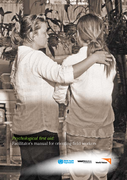
This manual is designed to orient helpers to offer psychologicalfirst aid (PFA) to people following a serious crisis event. PFA involves humane, supportive and practical assistance for people who are distressed, in ways that respect their dignity, culture and abilities. PFA is an approach that can b
...
e learned by both professionals and non-professionals who are in a position to help people impacted by very distressing events
more
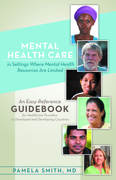
An Easy-Reference Guidebook for Healthcare Providers In Developed and Developing Countries

Fistula Care's implementing partner in Ethiopia, IntraHealth, has developed materials to train health workers on obstetric fistula prevention, identification, and pre-repair care. The course contains a participant handbook (PDF, 604 KB), a facilitator manual (PDF, 1.3 MB), ten modules, a variety of
...
visual aids, and supplementary handouts
more
Fistula Care's implementing partner in Ethiopia, IntraHealth, has developed materials to train health workers on obstetric fistula prevention, identification, and pre-repair care. The course contains a participant handbook (PDF, 604 KB), a facilitator manual (PDF, 1.3 MB), ten modules, a variety of
...
visual aids, and supplementary handouts
more

The MSF qualification scheme is concerned with the pharmaceutical quality assessment for drugs. This procedure is applicable to products for international supply, i.e. products supplied through the MSF procurement centres. This qualification procedure is not applicable for local purchase, i.e. purch
...
ase of drugs within the project countries. For quality assurance principles and assessment of drugs for local purchase refer to the guideline for local pharmaceutical market assessment.
more
Interim Recommendation published 19 September 2014. These recommendations reflect current understanding of Ebola virus disease (EVD) and are intended for national laboratory staff performing diagnostic testing to detect Ebola virus.
WHO Interim Guidance for Internation al Meetings Attended by Individuals f rom Ebola Virus Disease - affected countries
World Health Organization
(2014)
This interim guidance is aimed at assisting organizers of international meetings attended by individuals from EVD-affected countries and individuals with a travel history to EVD-affected countries within the previous 3 weeks.
The first part is intended for organizers of international meetings, to
...
safely plan and conduct these events. The second part is addressed to public health authorities directly involved in supporting such international meetings.
more
A book of methods, aids, and ideas for instructors at the village level
An indispensable resource for health educators, this book provides hundreds of methods, aids, and learning strategies to make health education engaging and effective, encouraging community involvement through participatory edu
...
cation.
You can download chapter by chapter free of charge
The previous version (2005) is freely available here
more
